The Ultimate Guide to Metal Cutting Diamond Blades
When it comes to cutting tough materials like metal, choosing the right tool is crucial for efficiency, safety, and precision. Among the various tools available, metal cutting diamond blades are increasingly popular due to their superior performance and durability. Ryhyoma offers a full range of professional diamond cutting tools designed for industrial and commercial use.
This blog will take you through everything you need to know about metal cutting diamond blades—how they work, their benefits, different types, and how to choose the right one for your projects.
What is a Metal Cutting Diamond Blade?
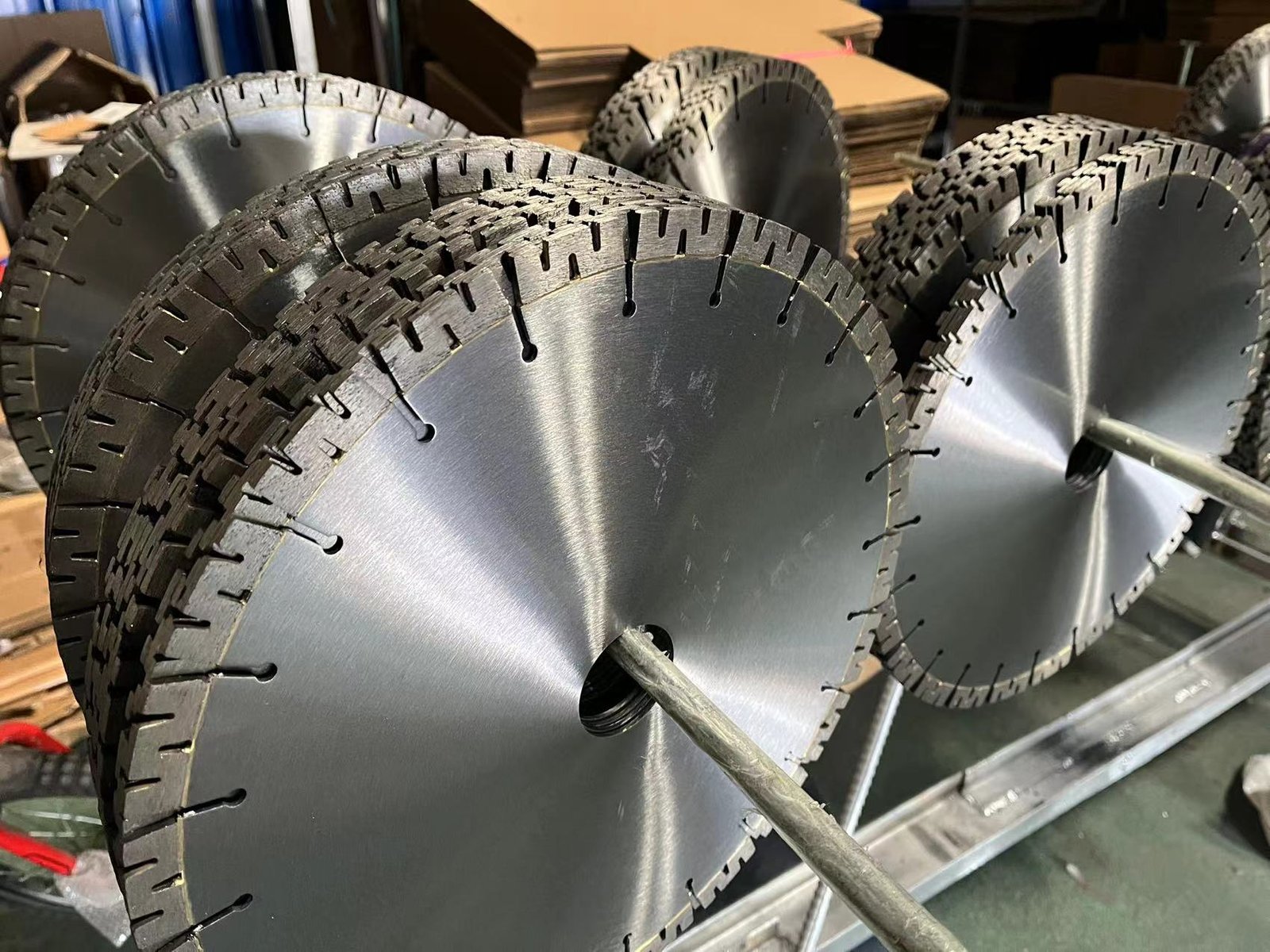
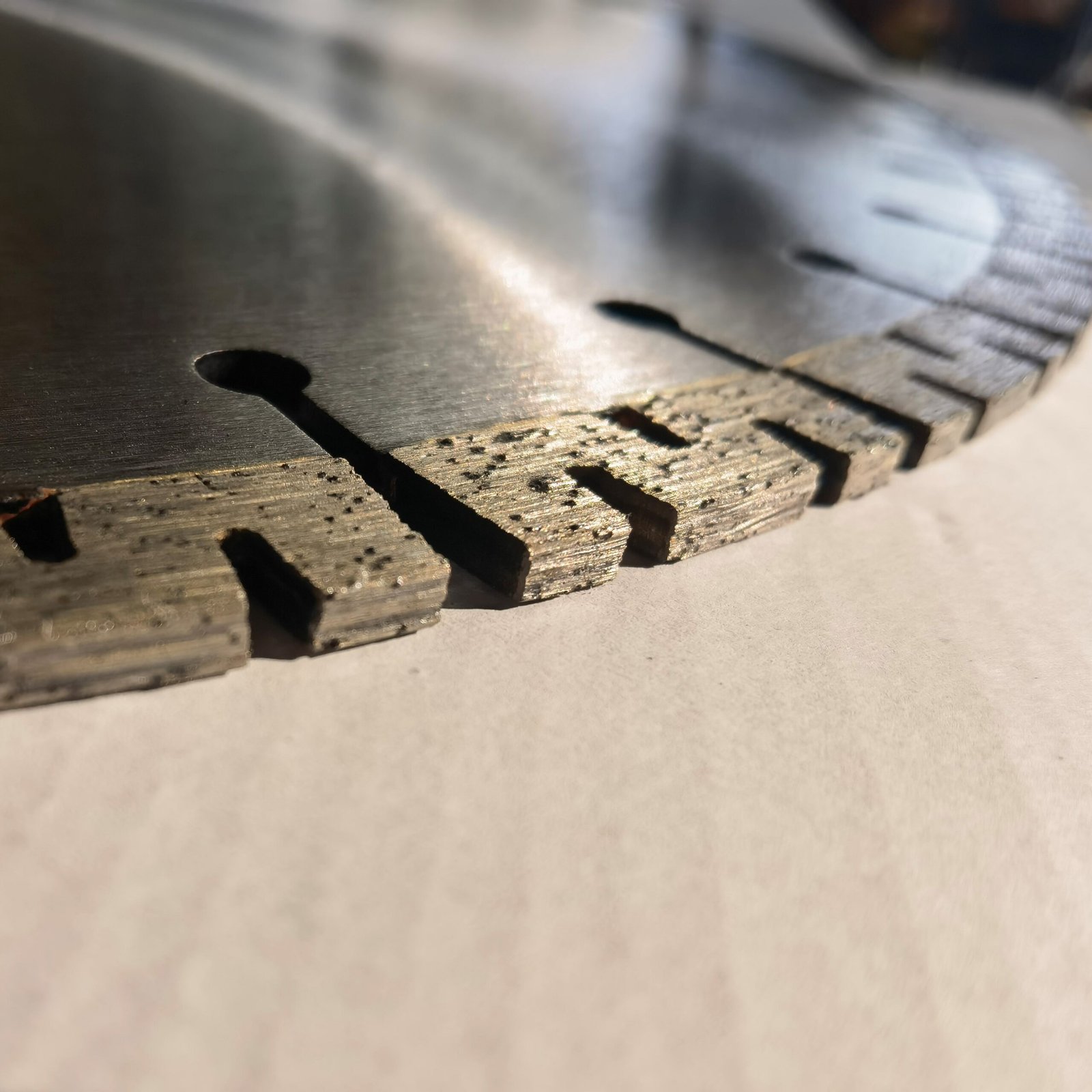
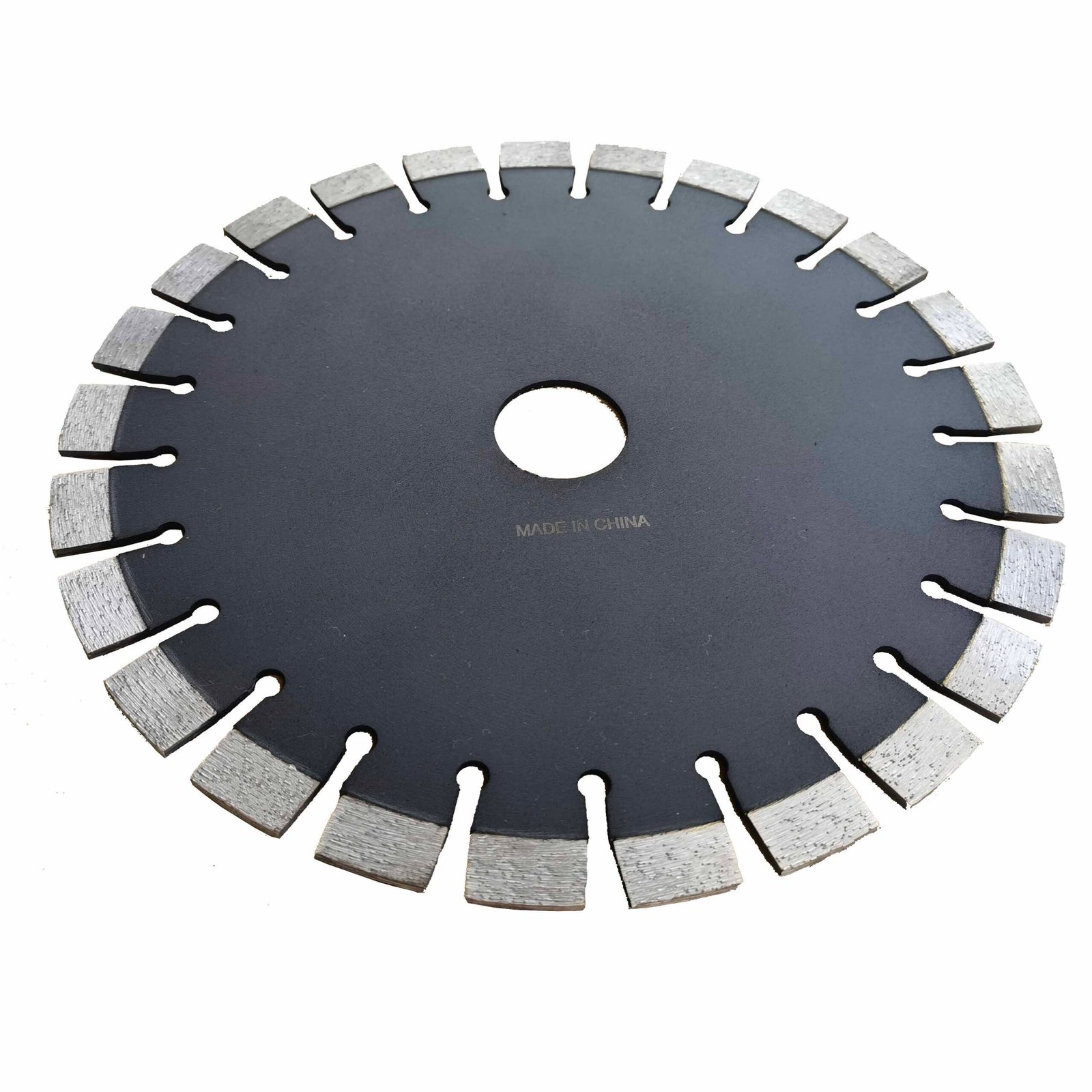
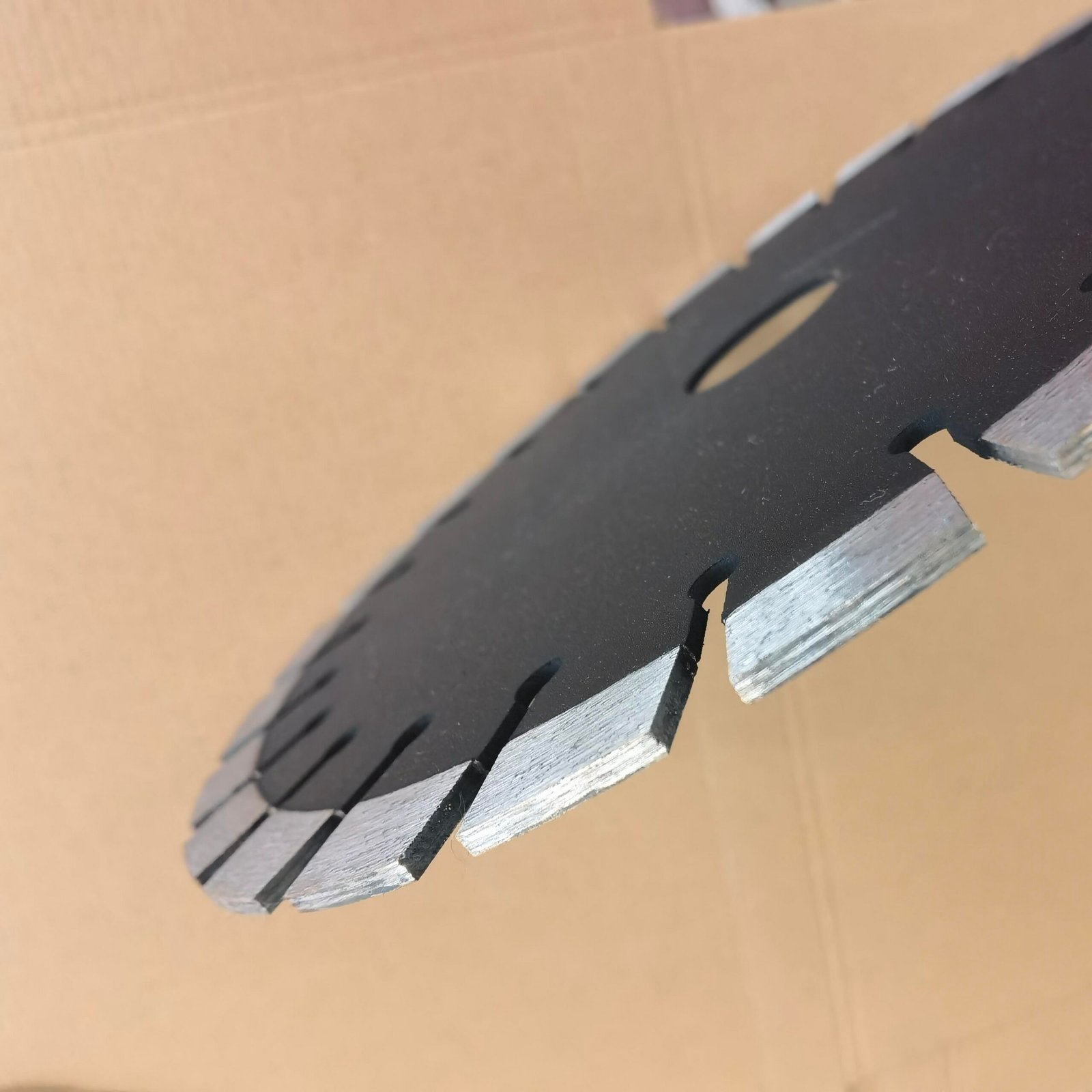
A metal cutting diamond blade is a specialized cutting tool designed with a diamofvnd-coated edge to slice through metal materials. Unlike traditional saw blades that use teeth made of steel or carbide, diamond blades feature synthetic diamonds embedded in the blade's edge, making them far more effective at cutting through tough, dense materials.
As an experienced diamond blade manufacturer, Ryhyoma engineers blades specifically for demanding metal applications across construction and manufacturing industries.
The diamonds on the blade’s edge are incredibly hard, which allows them to grind through hard metals with minimal wear and tear. Metal cutting diamond blades are used in a wide variety of industries, including construction, manufacturing, and automotive repair, where metal cutting is often required.
Metal cutting diamond blades are widely used in industrial and professional applications. Ryhyoma provides a full range of professional diamond cutting tools designed for durability and precision.
How Do Metal Cutting Diamond Blades Work?
Metal cutting diamond blades work through a grinding process rather than a traditional cutting action. The synthetic diamonds on the blade’s edge create a micro-abrasive action that wears away the metal, rather than shearing it. This makes diamond blades particularly effective for cutting through hard and brittle materials like steel, cast iron, and other tough metals.
High-quality diamond saw blades operate at high speeds while maintaining stability, allowing for cleaner cuts with reduced friction and heat buildup.
In addition, these blades can operate at high speeds, which further increases their efficiency. The high-quality diamond particles cut through the material smoothly, reducing friction and heat generation, ensuring the blade stays cooler for longer. This unique process allows for cleaner cuts with less chance of warping or cracking the metal.
Benefits of Using Metal Cutting Diamond Blades
Durability and Longevity:
Diamond blades are extremely durable. Their diamond coating ensures that they last much longer than standard blades. When cutting metals, traditional blades can become dull very quickly, but metal cutting diamond blades maintain their sharpness over a much longer period, making them a more cost-effective solution in the long run.
Precision and Clean Cuts:
One of the key advantages of using diamond blades is the precision they offer. Diamond blades can provide incredibly clean cuts with minimal burrs or jagged edges. This is crucial in metalworking, where precise cuts are often required for fitting parts together or for aesthetic purposes.
Versatility:
These blades can cut ferrous metals, non-ferrous metals, and alloys. For mixed-material jobs such as asphalt with embedded metal, a diamond asphalt cutting blade is often recommended.
Efficiency and Speed:
Due to their ability to cut through metal quickly, diamond blades save time and labor. They are highly efficient, allowing professionals to complete their cutting tasks faster compared to using other types of blades. Additionally, they require less force to operate, reducing user fatigue.
Reduced Heat and Friction:
The cutting action of a diamond blade generates less heat compared to other blades, helping prevent damage to the material and increasing the blade’s lifespan. This is especially important when cutting metals that are prone to warping or cracking due to heat buildup.
Safety:
Diamond blades tend to have fewer issues with overheating, reducing the risk of blade failure or sparks when cutting. This makes them safer to use, particularly in environments where safety is a high concern, such as construction sites or workshops.
Types of Metal Cutting Diamond Blades
There are different types of metal cutting diamond blades, each suited for specific applications. Understanding these types can help you make the right choice for your project.
- Continuous Rim Blades: Rim blades feature a smooth, continuous rim of diamond particles, providing a clean and precise cut. They are ideal for cutting thin metals and providing fine finishes. Continuous rim blades are typically used in applications where a high-quality cut is essential, such as in the automotive and jewelry industries.
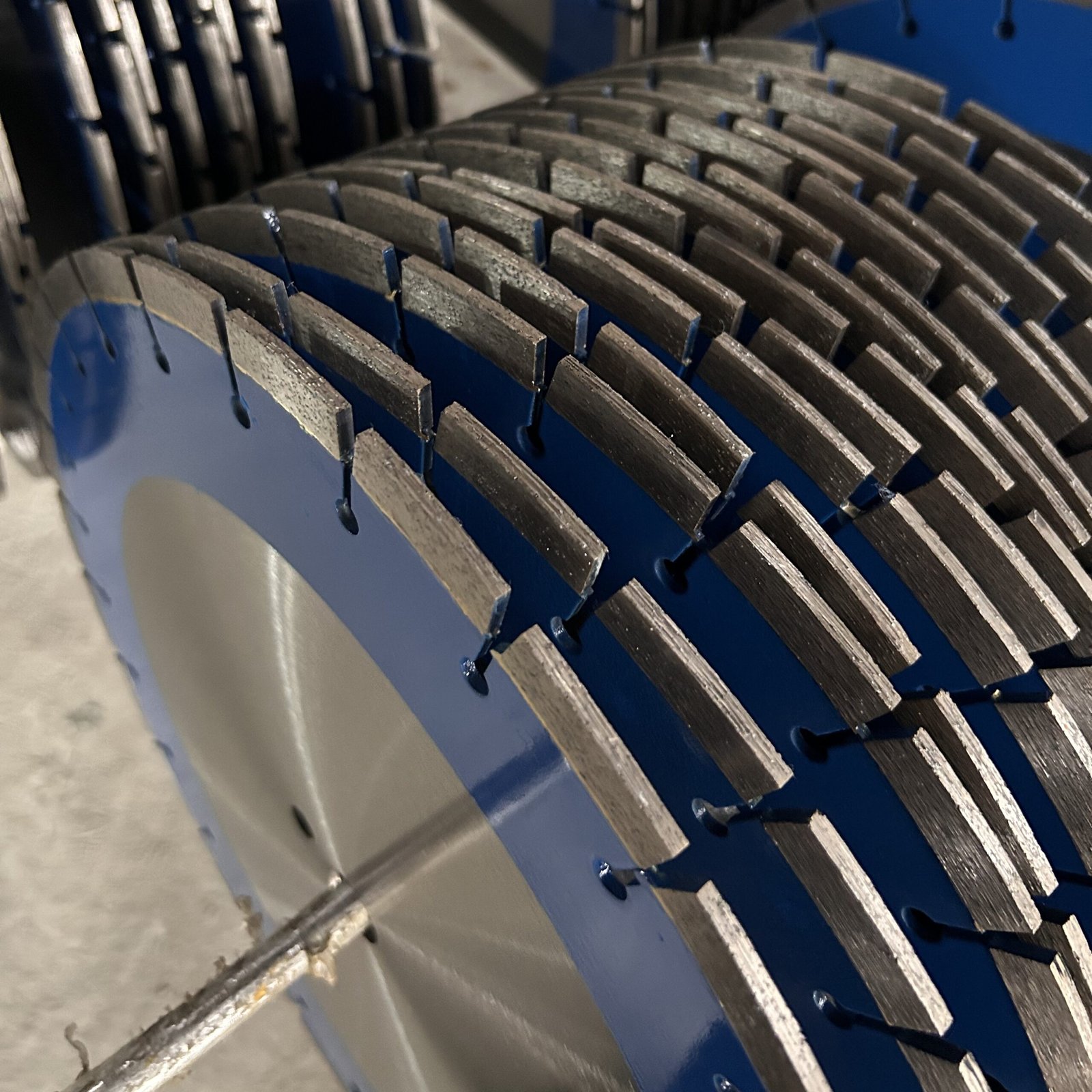
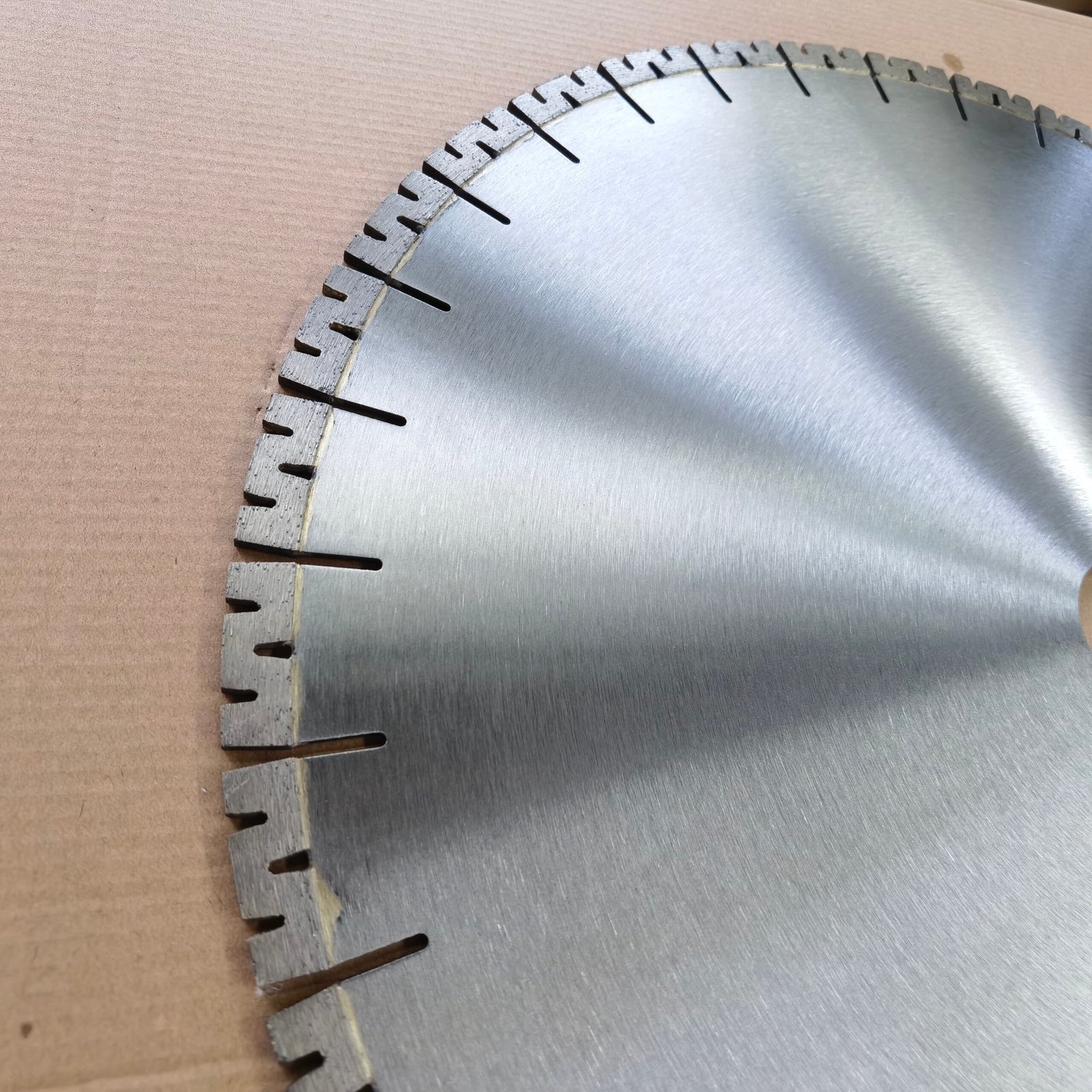
- Segmented Blades: Segmented blades have a series of individual segments of diamond coating that help with faster material removal. These blades are commonly used for cutting thicker metals and are ideal for tasks that require more aggressive cutting. They provide higher cutting speeds but may not give as clean of a cut as continuous rim blades.
- Turbo Blades: Turbo blades combine the characteristics of both continuous rim and segmented blades, offering faster cuts and more efficient performance while still providing a smooth, high-quality finish. These blades are ideal for cutting metals of varying thickness and hardness, making them a great all-around choice.
- Dry-Cutting Blades: As the name suggests, dry-cutting blades are designed to be used without water. This type of blade is used in situations where water might not be available or when working in a dry environment. They are commonly used for smaller, more detailed jobs.
- Wet-Cutting Blades: Wet-cutting blades require water to be used during the cutting process. The water helps cool the blade and reduce heat buildup, ensuring a longer lifespan for the blade and a cleaner cut. These blades are typically used in more industrial applications and for thicker metals that generate a lot of heat.
How to Choose the Right Metal Cutting Diamond Blade
Selecting the right metal cutting diamond blade depends on several factors:
- Type of Metal: Different metals require different types of blades. For example, softer metals like aluminum may require a different blade than harder metals like stainless steel or cast iron. Be sure to select a blade designed for the specific type of metal you plan to cut.
- Blade Size: The size of the blade is another important consideration. Larger blades are ideal for cutting thicker materials, while smaller blades may be better for more detailed or intricate cuts.
- Cutting Speed: Consider the cutting speed required for your project. If you need to make quick, high-volume cuts, a segmented or turbo blade may be the best choice. For more precise or slower cutting, a continuous rim blade will provide cleaner results.
- Cooling Needs: If you're cutting thicker metals or generating a lot of heat, choosing a wet-cutting blade may be necessary. However, if water is not an option, a dry-cutting blade will be more appropriate.
- Brand and Quality: The quality of the blade is crucial. Invest in a high-quality diamond blade from a reputable brand to ensure you're getting the best performance and longevity out of your tool. Cutting through metal can put a lot of strain on the blade, so it’s important to choose one that’s designed for heavy-duty use.
Conclusion
Metal cutting diamond blades are a powerful tool for anyone working with tough metals. Their durability, efficiency, and ability to provide clean and precise cuts make them an invaluable resource for a wide variety of industries. Whether you're working in construction, automotive repair, or manufacturing, choosing the right metal cutting diamond blade will ensure that your projects are completed with minimal effort and maximum precision. Remember to consider factors like the type of metal you're cutting, the blade size, cutting speed, and cooling requirements to select the perfect blade for your needs.
By understanding the different types of metal cutting diamond blades and how they work, you can make more informed decisions that will save you time and money in the long run. Happy cutting!