When it comes to metalworking, selecting the right cutting tool is paramount to ensuring clean, accurate, and efficient results. Among the myriad options available, the Skill Saw Metal Cutting Blade stands out as a versatile and dependable solution for professionals and advanced DIY enthusiasts alike. This guide aims to provide an in-depth examination of the features, advantages, and best practices associated with the use of a Skill Saw Metal Cutting Blade, equipping you with the knowledge required for optimal performance.
What is a Skill Saw Metal Cutting Blade?
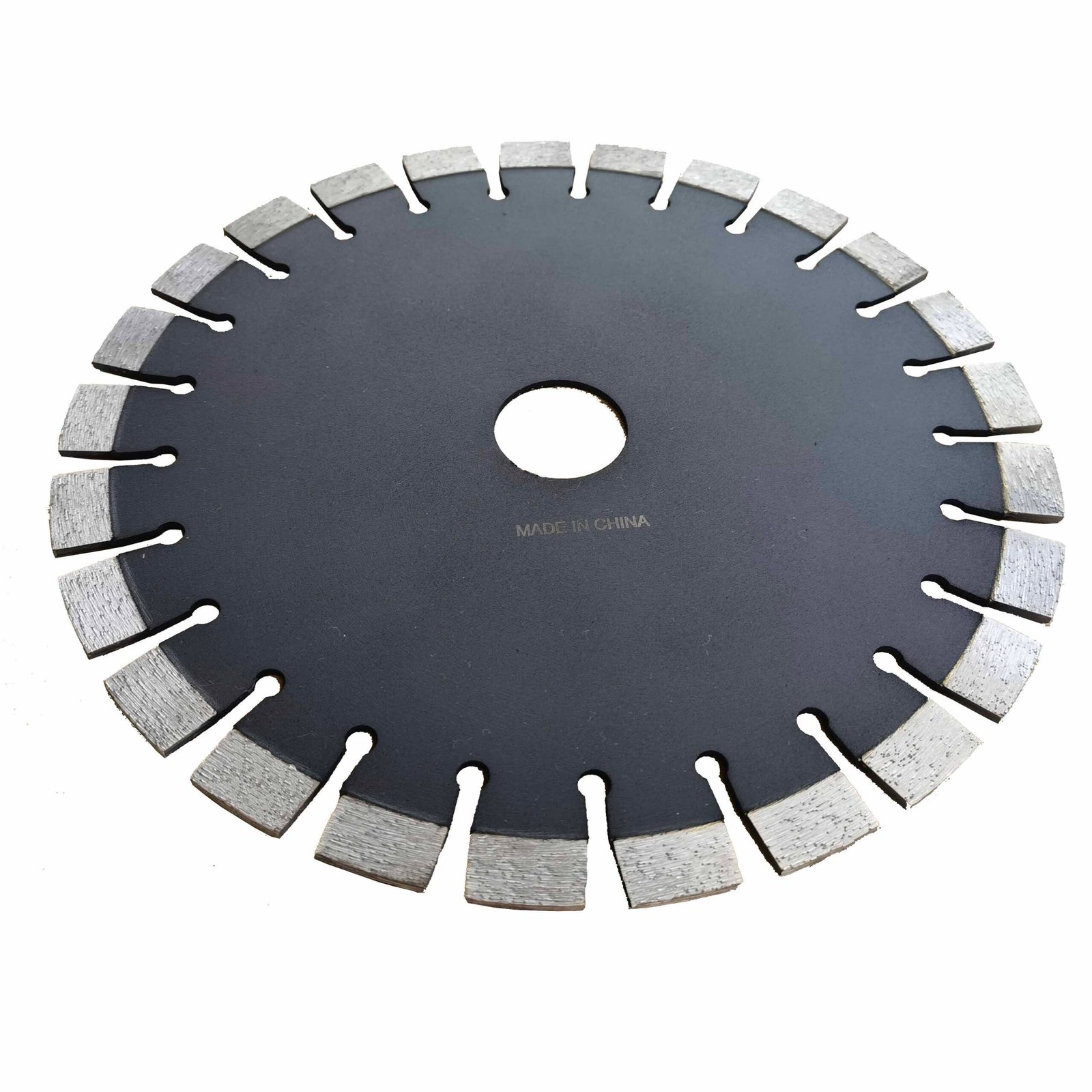
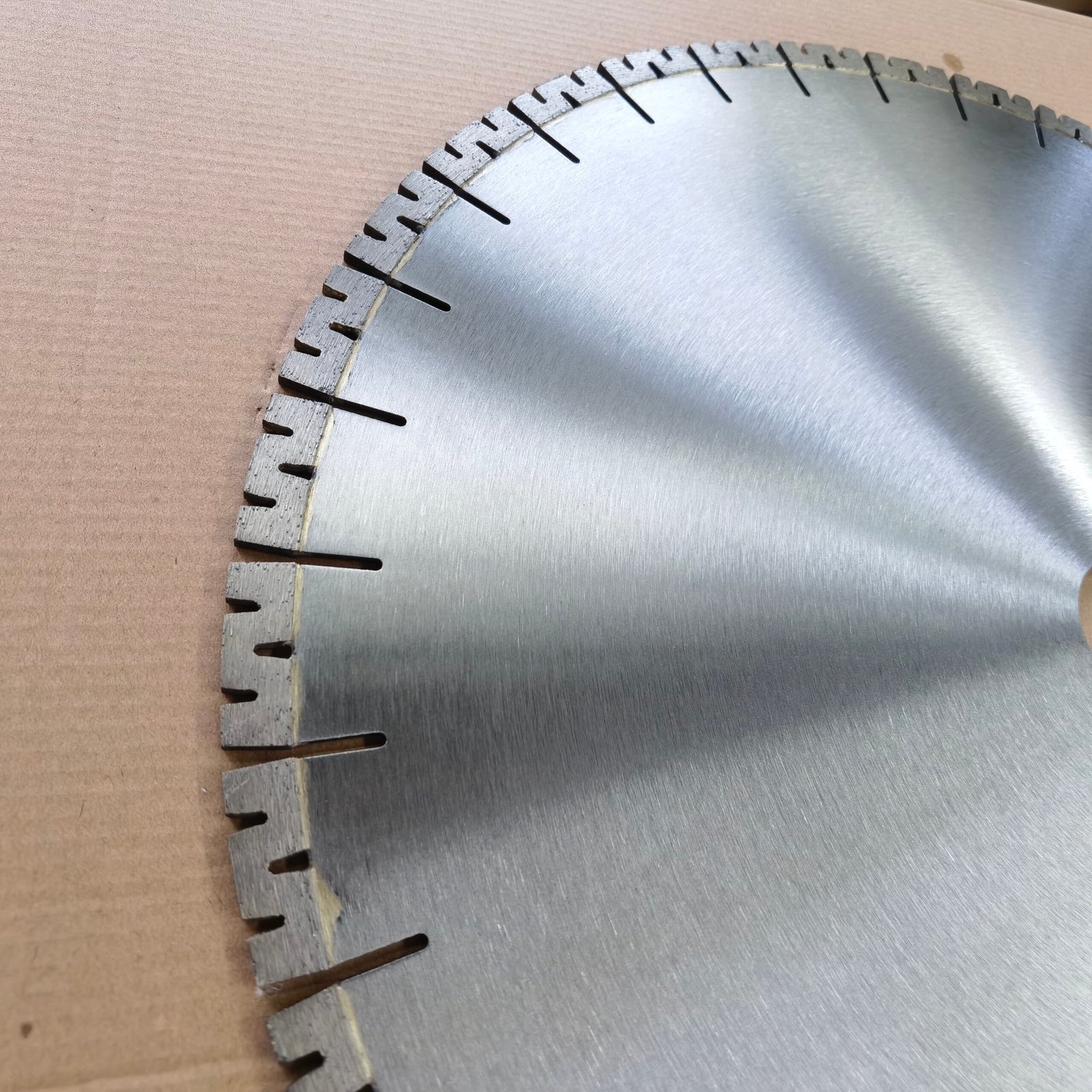
A Skill Saw Metal Cutting Blade is a circular saw blade specifically engineered for cutting through a range of metal materials, such as steel, aluminum, copper, and various non-ferrous metals. Unlike conventional wood-cutting blades, which are primarily designed for softer materials, metal cutting blades are constructed with specialized features to withstand the increased wear and heat generated during the cutting process.
These blades are designed for use with a Skilsaw or other compatible circular saws, making them ideal for both professional tradespeople and serious hobbyists. Their robustness, precision, and longevity make them indispensable for applications in construction, metalworking, automotive repair, and general fabrication.
Key Features of Skill Saw Metal Cutting Blades
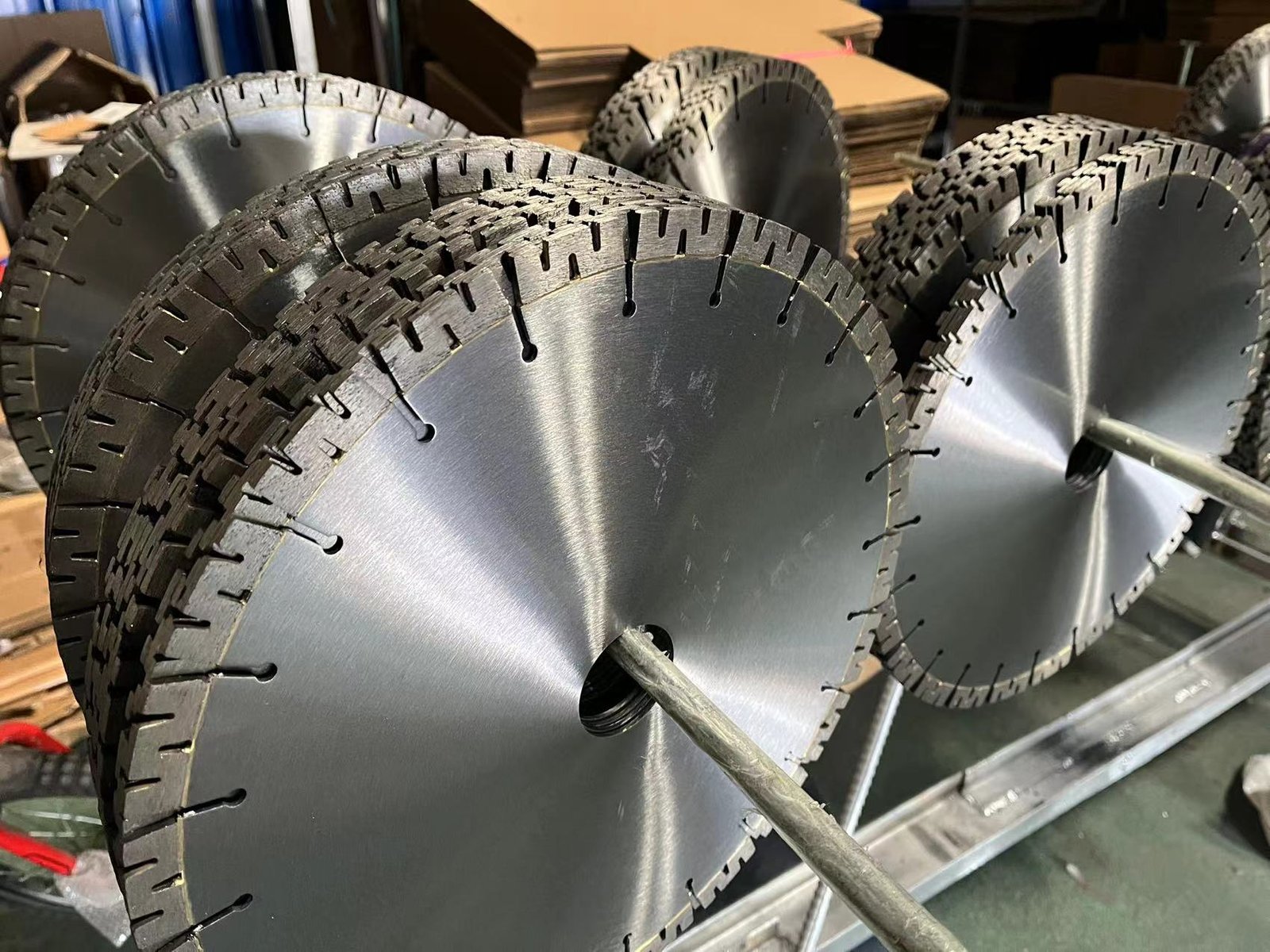
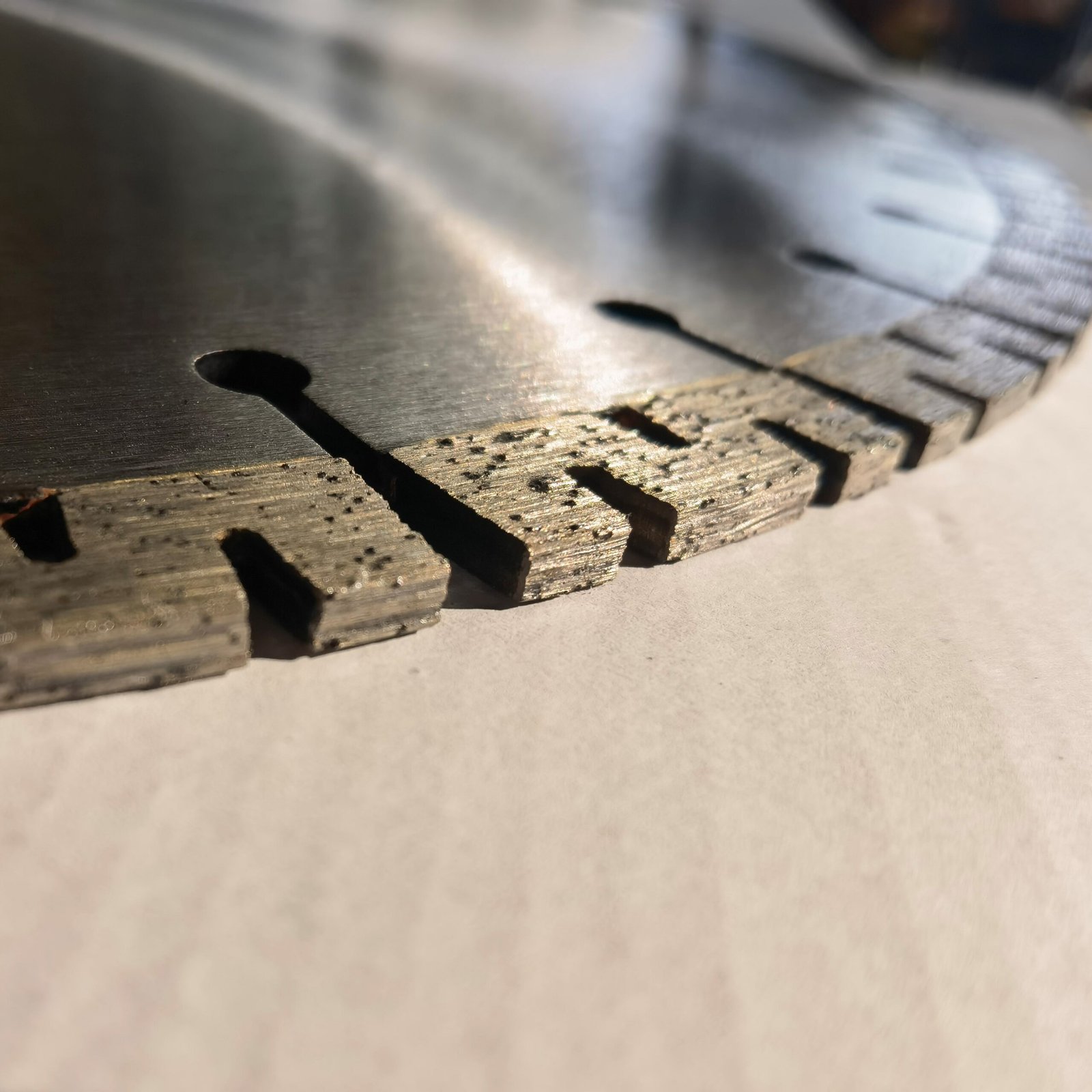
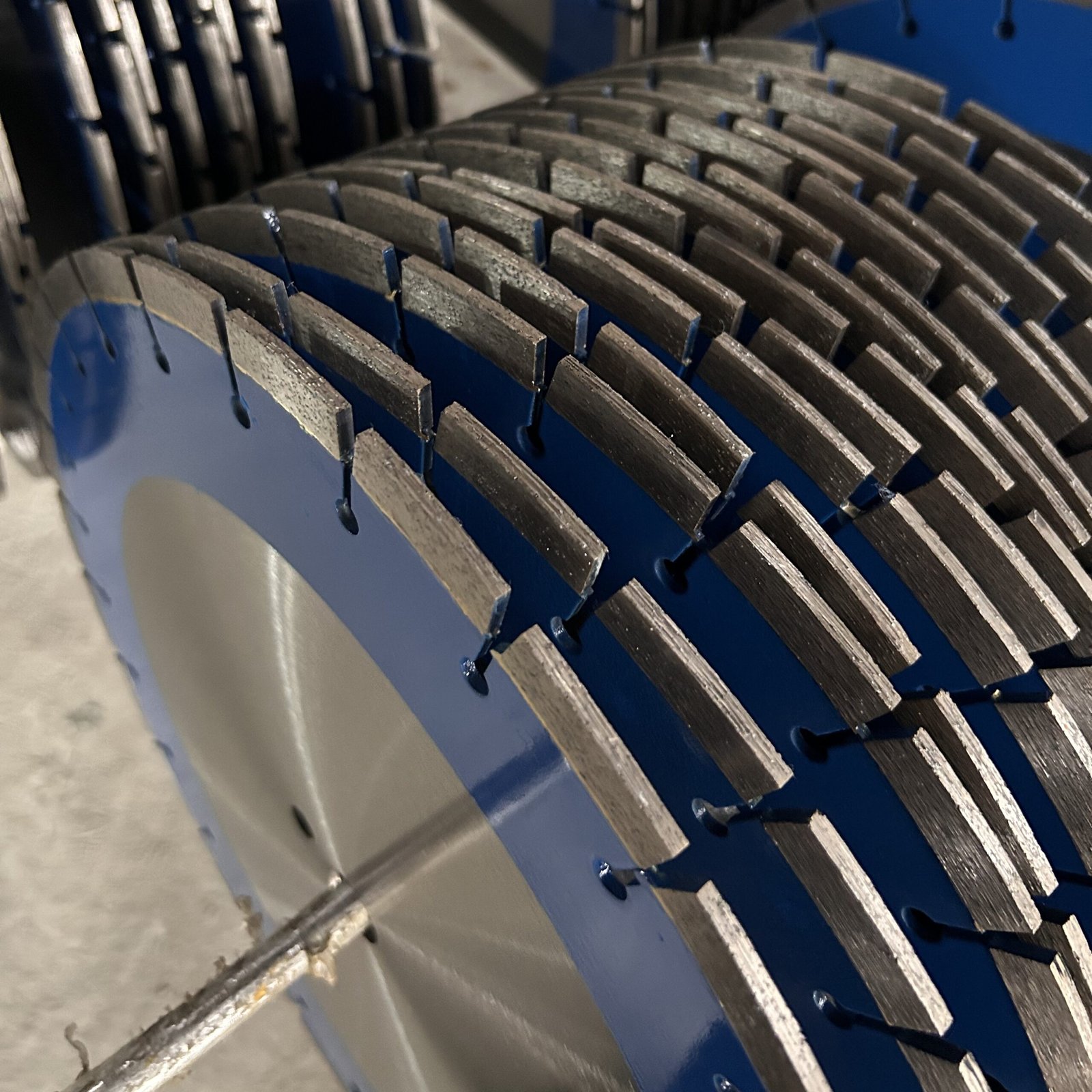
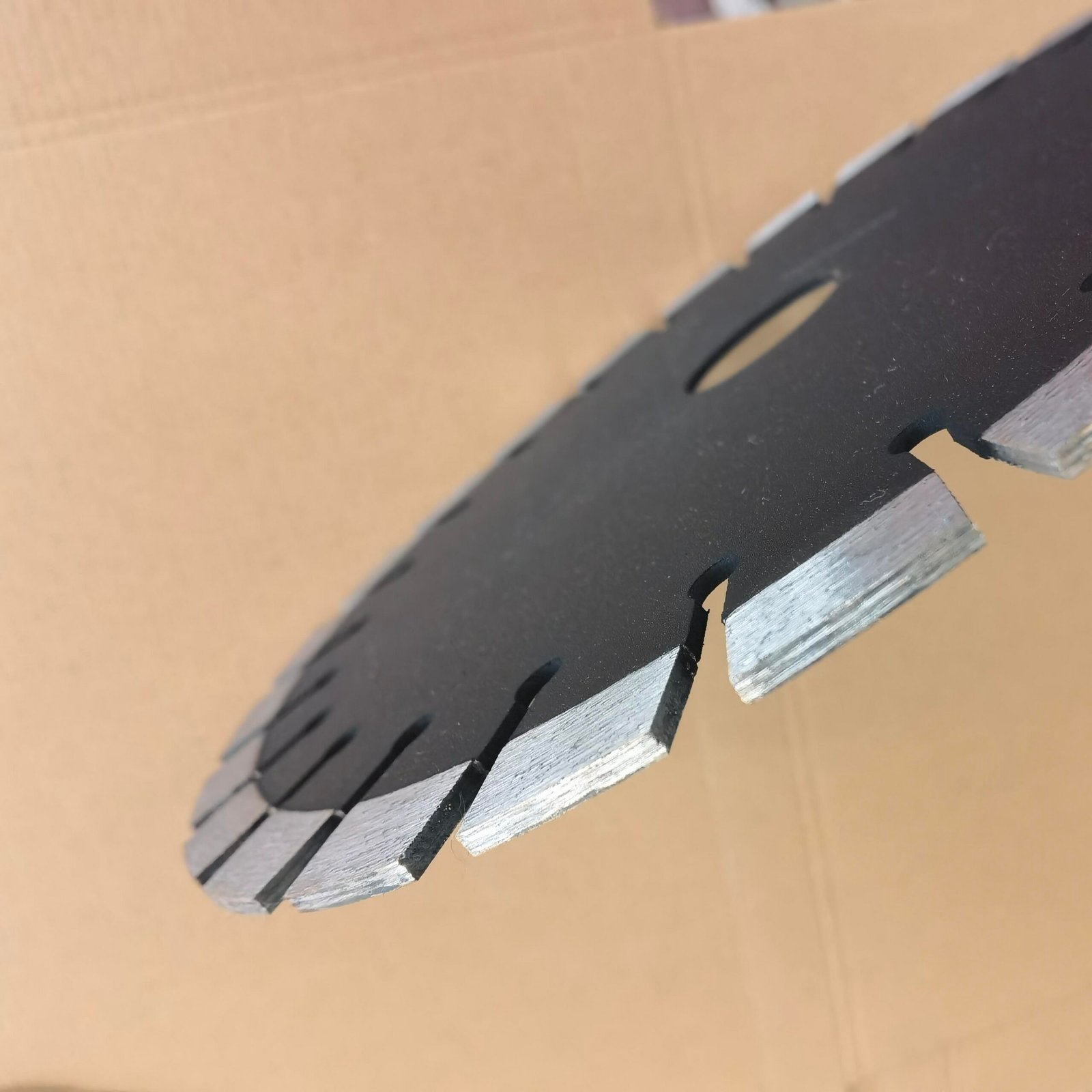
- Specialized Tooth Geometry: A defining characteristic of the Skill Saw Metal Cutting Blade is its carbide-tipped teeth, specifically designed for handling the hardness of metal. The tooth geometry ensures efficient cutting while minimizing the risk of edge wear, chipping, or overheating. These blades typically feature a lower hook angle, which not only enhances cutting accuracy but also reduces burr formation along the cut edges.
- Premium Construction Materials: Skill Saw Metal Cutting Blades are crafted from high-carbon steel or tungsten carbide, offering superior strength and durability. The carbide-tipped teeth, in particular, are engineered to resist heat, abrasion, and wear, ensuring longevity and consistent cutting performance under demanding conditions.
- Heat-Resistant Coating: Many Skill Saw Metal Cutting Blades are equipped with a heat-resistant or anti-friction coating designed to mitigate the high levels of friction generated during metal cutting. This coating not only helps maintain the blade's operational temperature but also extends its lifespan by reducing wear and preventing metal shavings from adhering to the blade surface.
- Vibration Dampening Technology: Skill Saw Metal Cutting Blades are engineered to reduce vibrations during operation. This feature is especially critical when cutting thin metals or other delicate materials, where excessive vibration can result in distortion or inaccuracies in the cut. The vibration reduction contributes to smoother, more controlled cuts.
Benefits of Using a Skill Saw Metal Cutting Blade
- Versatility Across Metal Types: One of the most significant advantages of the Skill Saw Metal Cutting Blade is its versatility. It is designed to efficiently cut a wide range of metals, including steel, aluminum, copper, and other non-ferrous alloys. Whether the task involves construction, automotive repair, or fabrication, this blade offers the flexibility to tackle diverse metal cutting challenges with ease.
- Clean, Burr-Free Cuts: Unlike traditional cutting methods such as grinding or hacksawing, which often result in jagged edges or require additional finishing, Skill Saw Metal Cutting Blades deliver smooth, burr-free cuts. This precision cutting minimizes the need for further processing and improves the overall quality of the workpiece.
- Enhanced Productivity: The high-speed operation of the Skill Saw, coupled with the cutting efficiency of the metal blade, significantly reduces the time required to complete metal cutting tasks. For professionals working under tight schedules, this can enhance productivity and contribute to the timely completion of projects.
- Safety Considerations: Metal cutting with a Skill Saw Metal Cutting Blade is generally safer compared to other metal cutting methods. Since the blade is enclosed within the saw’s housing, the risks associated with flying sparks, debris, and open flames are minimized. Modern saws are also equipped with advanced safety features, such as blade brakes and safety guards, to further reduce the risk of injury.
- Cost-Effectiveness: While the initial investment in a Skill Saw Metal Cutting Blade may appear significant, its durability and long service life offer considerable cost savings over time. The blade's longevity reduces the need for frequent replacements, and its ability to deliver high-quality cuts minimizes the need for additional post-processing work.
Best Practices for Using a Skill Saw Metal Cutting Blade
- Select the Appropriate Blade for the Material: It is essential to match the Skill Saw Metal Cutting Blade to the specific metal material being cut. Different metals possess varying hardness levels, and using an unsuitable blade can lead to excessive wear and subpar cutting results. For example, cutting through aluminum requires a different blade configuration than cutting through steel or stainless steel. Ensure that the blade is specifically designed for the type of metal you are working with.
- Adjust Cutting Speed: Many circular saws offer speed settings that allow you to adjust the rotation of the blade. When cutting metal, it is crucial to set the saw to the appropriate speed for the material's thickness and hardness. Slower speeds are generally recommended for thicker, denser metals, while higher speeds are suitable for cutting through thinner sheets.
- Properly Secure the Material: To ensure accurate and safe cuts, securely clamp the metal workpiece in place before cutting. A stable workpiece prevents shifting during the cutting process, reducing the likelihood of inaccurate cuts and improving overall safety.
- Wear Protective Gear: When cutting metal, safety is paramount. Always wear the appropriate protective gear, including safety goggles, gloves, and ear protection. Metal cutting can generate flying debris, sparks, and intense noise, making it essential to safeguard against potential hazards.
- Maintain the Blade: Regular maintenance of the Skill Saw Metal Cutting Blade ensures it remains in optimal condition. After each use, clean the blade to remove metal dust and other debris. Periodically inspect the blade for signs of wear or damage. If the blade’s cutting efficiency decreases, or if it shows signs of dulling or cracking, it is important to replace the blade promptly to avoid compromising the quality of future cuts.
Conclusion
The Skill Saw Metal Cutting Blade is an indispensable tool for professionals and advanced DIYers working with metal. Engineered for precision, durability, and efficiency, it ensures smooth, accurate cuts on a wide range of metal materials. By selecting the right blade, following proper cutting practices, and maintaining the tool, users can maximize performance and achieve exceptional results in their metalworking projects. Whether you're involved in construction, automotive repair, or metal fabrication, the Skill Saw Metal Cutting Blade provides the reliability and cutting power required to meet the demands of even the most challenging tasks.