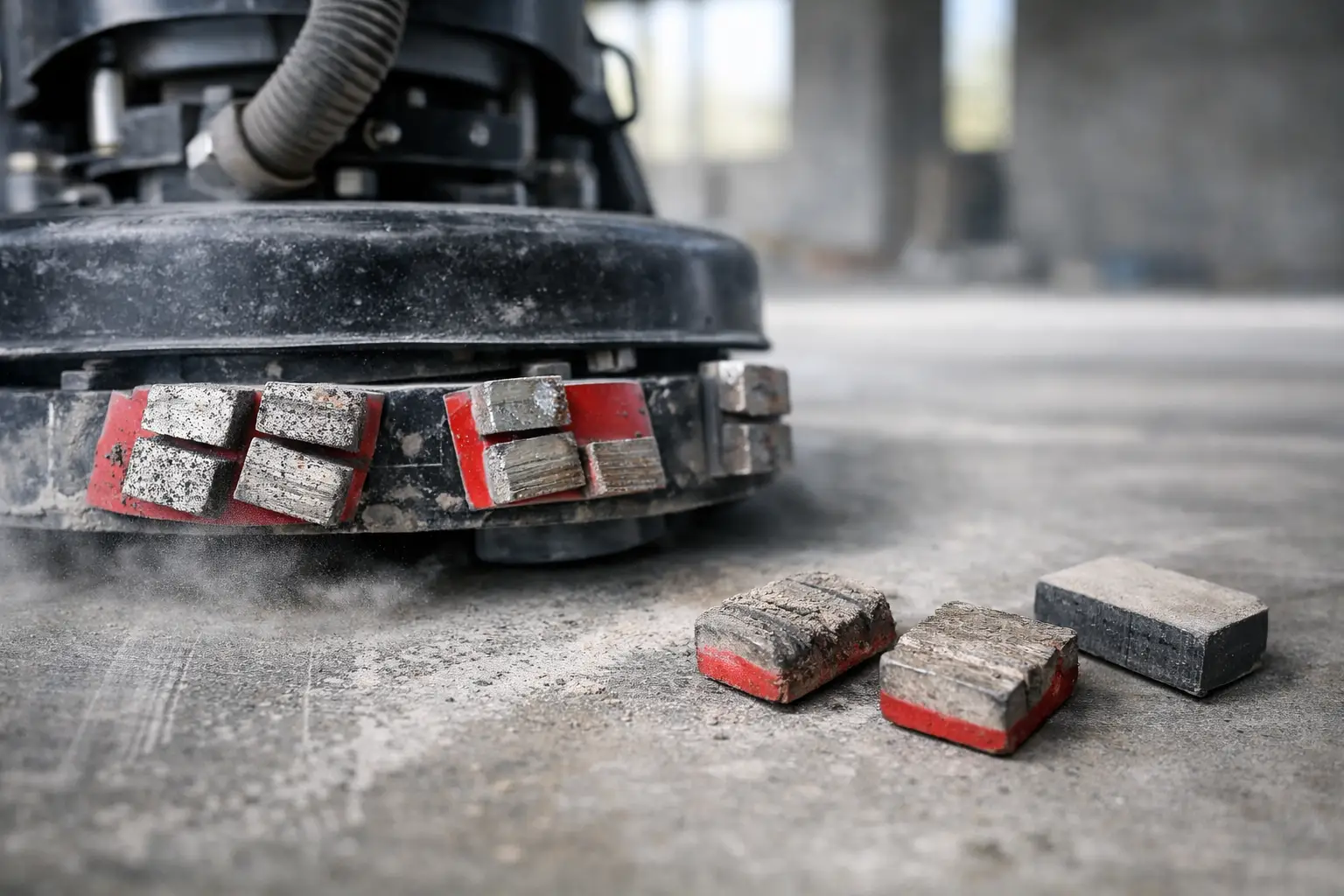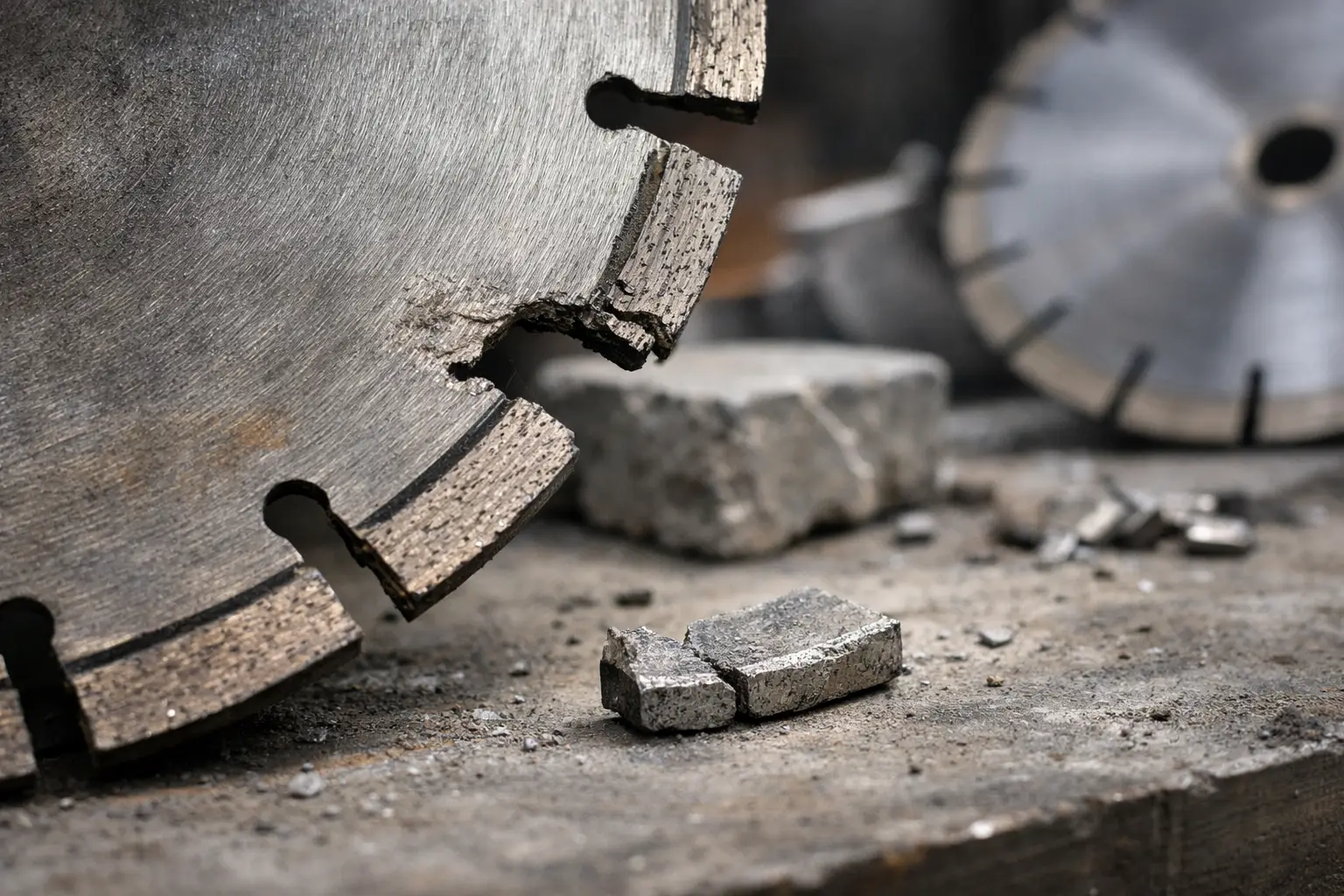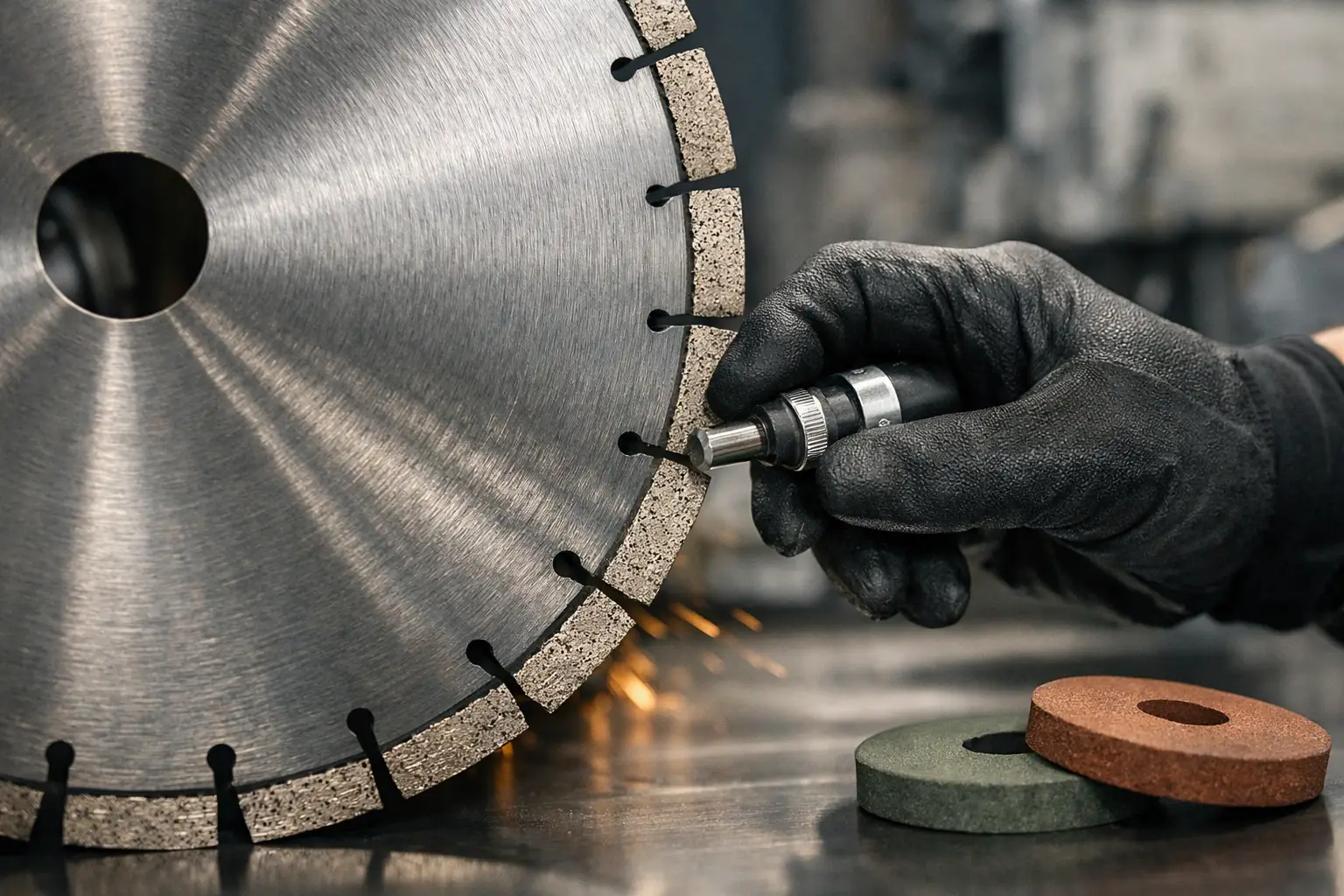
When a tool fails halfway through a production run, the issue is rarely just the tool price. It becomes lost labor, interrupted delivery, damaged material, and an avoidable sourcing problem. That is why vacuum brazed diamond tools matter to professional buyers - not as a niche product category, but as a practical solution for fast, aggressive cutting and grinding across demanding materials.
What vacuum brazed diamond tools are
Vacuum brazed diamond tools are made by bonding diamond grit to a steel body through a brazing process carried out in a vacuum furnace. Instead of embedding diamonds in a thick metal bond, the diamonds are exposed and firmly held on the working surface. This structure changes how the tool behaves in the field.
The immediate advantage is cutting speed. Because more of the diamond is exposed, the tool can engage material aggressively from the start. That makes vacuum brazed products especially useful where operators need rapid stock removal, clean edge work, or flexible use across multiple materials.
This is also why these tools are often selected for smaller runs, specialty jobs, repair work, edge profiling, chamfering, surface preparation, and applications where conventional sintered tools may feel too slow or too application-specific.
How vacuum brazed diamond tools differ from sintered tools
For procurement teams and distributors, the key is not whether one technology is universally better. It is whether the tool matches the job, the operator, and the expected service life.
In a sintered diamond tool, diamond particles are distributed through a bond matrix. As the bond wears, new diamonds are gradually exposed. That usually supports longer life in repetitive, heavy-duty production, especially on predictable materials. In a vacuum brazed tool, the diamond layer is mainly on the surface, which supports higher initial sharpness and faster action.
The trade-off is straightforward. Vacuum brazed tools often cut or grind faster at the beginning and can handle a wider range of materials in one tool, but they may not outlast a well-matched sintered tool in high-volume, single-material production. For many buyers, that does not reduce their value. It simply means the application must be defined clearly.
Where vacuum brazed diamond tools perform best
Vacuum brazed technology is widely used in cutting, grinding, shaping, and drilling applications. In practice, these tools are commonly specified for stone fabrication, tile and ceramic work, concrete edge treatment, fiberglass trimming, cast iron work, composites, and difficult specialty surfaces.
One reason buyers value them is versatility. A distributor serving contractors may prefer a product that performs across tile, stone, reinforced surfaces, and metal-adjacent materials rather than stocking too many narrow-use SKUs. A fabricator may prefer a wheel or blade that delivers fast shaping and predictable finish quality without frequent tool changes.
That said, material still matters. A vacuum brazed blade for granite edge trimming is not automatically the right choice for long production cutting in reinforced concrete. A vacuum brazed grinding wheel for aggressive coating removal is not identical to a profile wheel intended for controlled shaping. The technology is broad, but the tool geometry, grit size, diamond concentration, and core design still determine real performance.
Why B2B buyers choose this technology
For commercial buyers, the appeal usually comes down to efficiency and reliability in actual use.
First, vacuum brazed tools typically offer strong initial bite. Operators can start work quickly without waiting for a tool to open up. On job sites and in fabrication shops, that saves time and reduces operator frustration.
Second, they can support multi-material use. That matters for contractors and distributors serving mixed applications where crews move from stone to masonry to ceramic or repair work in a single day.
Third, they often produce clean working results with less glazing than lower-quality bonded tools. When the brazing quality is controlled well, diamond retention is stable and the tool remains usable rather than becoming smooth and ineffective too early.
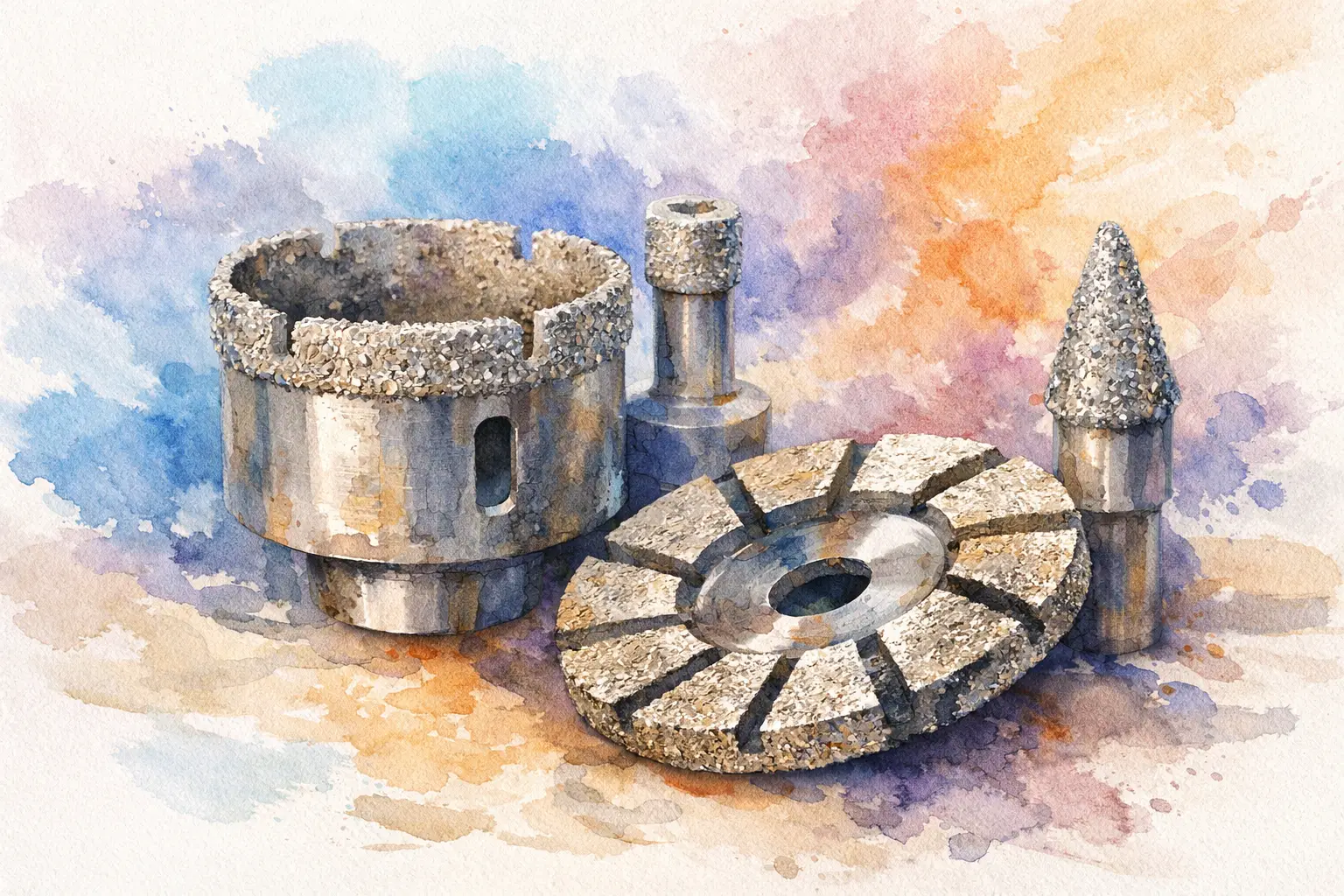
Fourth, these tools are well suited to specialty formats. Hand pads, grinding cups, profile wheels, hole saws, finger bits, and compact blades all benefit from the exposed diamond structure when speed and control are priorities.
Quality control is the difference between performance and complaints
On paper, many suppliers can offer vacuum brazed diamond tools. In the market, quality variation is significant. Buyers who have dealt with unstable supply already know the common problems: weak diamond retention, uneven coating, poor balance, inconsistent brazing coverage, vibration during use, and short life from one batch to the next.
The vacuum brazing process must be controlled carefully. Temperature, furnace atmosphere, base material preparation, brazing alloy consistency, and diamond distribution all affect final performance. If any of these variables drift, the tool may look acceptable but fail under normal operating load.
This is why manufacturing discipline matters more than product photos or low unit pricing. For importers, wholesalers, and OEM buyers, consistency between orders is often more valuable than chasing the lowest quote. A tool that performs well once but cannot be repeated reliably creates bigger downstream cost than a slightly higher but stable factory price.
What buyers should evaluate before placing an order
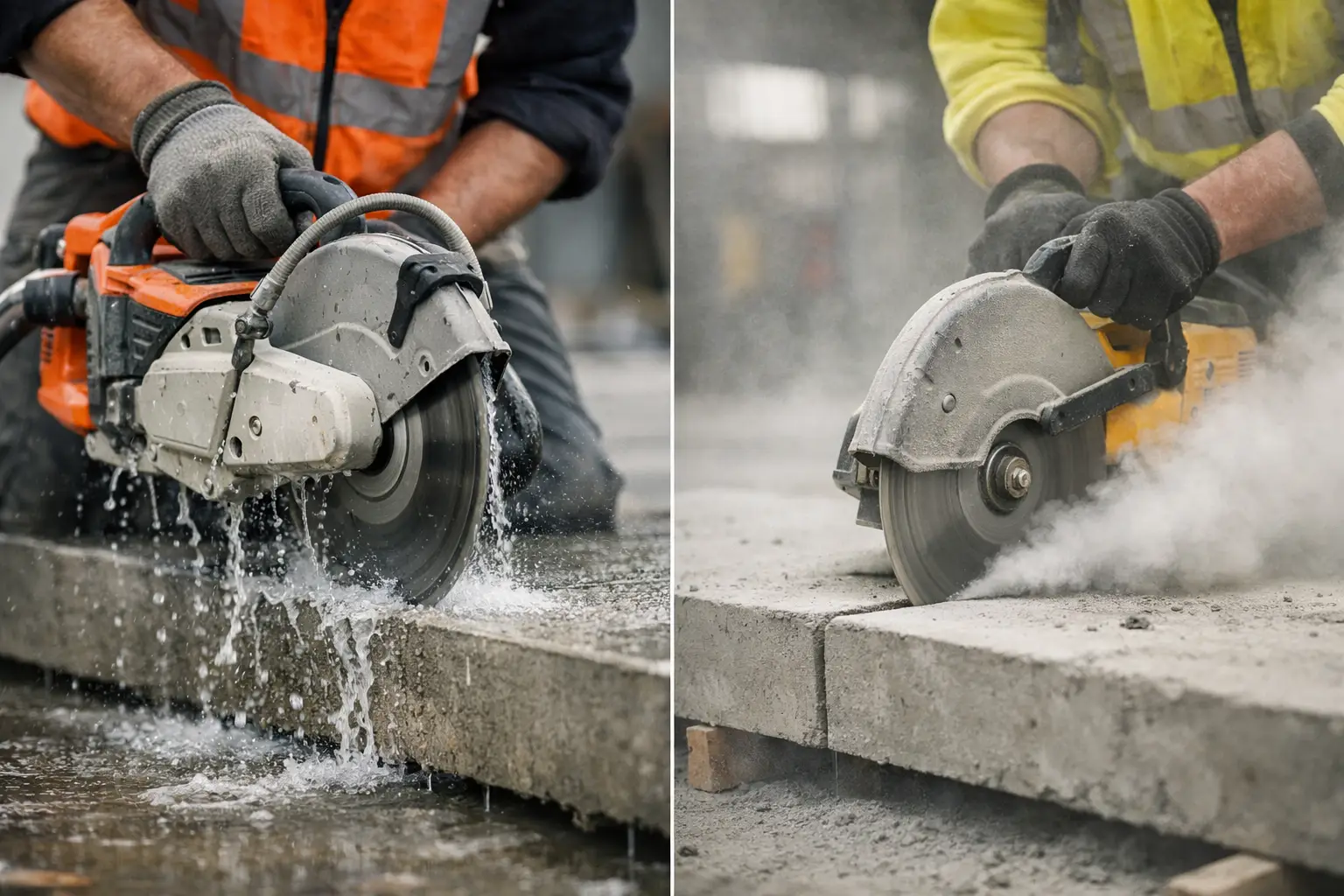
When sourcing vacuum brazed diamond tools, the first question should be application fit. Material type, dry or wet use, target finish, RPM range, and expected cutting depth all affect the correct specification. A good supplier should ask these questions early instead of pushing a generic product.
The second point is diamond exposure and bond quality. If the diamonds are distributed unevenly or the brazed layer is inconsistent, tool wear will be unpredictable. That usually shows up as early stripping, local overheating, or unstable finish quality.
The third point is body design. The steel core, flange accuracy, segment layout where applicable, and overall balance all influence vibration, tracking, and operator control. This is especially important for profile wheels, cup wheels, and blades used on visible-finish materials.
The fourth point is batch consistency. Buyers placing repeat wholesale orders should confirm that the supplier can maintain the same specification over time. This includes raw material control, production records, and inspection standards, not just one approved sample.
For OEM and private label projects, packaging and product marking also matter. Industrial buyers often focus on tool performance first, but clear identification, safe packaging, and consistent labeling reduce warehouse errors and support distributor sales.
Common mistakes in vacuum brazed tool selection
A frequent mistake is treating vacuum brazed products as universal replacements for every sintered or electroplated tool. They are not. In some applications, they are the best option. In others, they are a faster but shorter-life option. In high-volume repetitive cutting, another bond system may deliver a lower cost per meter or per piece.
Another mistake is choosing only by grit or diameter without reviewing machine condition and operator behavior. A high-quality tool can still underperform if it is run at the wrong speed, overheated, forced into the cut, or used on a machine with poor spindle stability.
The third mistake is approving samples without validating production batches. A single test piece is useful, but wholesale purchasing decisions should be based on repeatability. Serious suppliers understand this and support sample-to-bulk consistency as part of the business relationship.
Vacuum brazed diamond tools in OEM and wholesale supply
For distributors and importers, vacuum brazed diamond tools can be a strong category because they solve real field problems and cover multiple applications. They also fit well into OEM and ODM programs where buyers need custom dimensions, arbor sizes, branding, grit options, or packaging formats for different markets.
This is where supplier capability becomes more important than a simple product list. A factory partner should be able to support technical confirmation, sample development, production scheduling, quality inspection, and export packing without creating delays at each step. For buyers serving construction, stone processing, and flooring sectors, reliability in these basic operations is what supports long-term margin.
Ryhyoma focuses on this type of manufacturing support because the product alone is only part of the order. Commercial buyers also need stable quality control, responsive specification handling, and dependable bulk supply.
How to use them as a sourcing advantage
If your business serves mixed-use industrial customers, vacuum brazed tools can help reduce SKU complexity while improving field satisfaction. If your customers are specialized fabricators, the same technology can give them faster shaping, edge work, and specialty processing with less downtime.
The best results come when the tool is matched to the real job rather than sold as a broad claim. Buyers who define materials, machine setup, operating conditions, and expected life usually get better performance and fewer complaints. That is also how stronger supplier relationships are built - through specification accuracy, repeatable production, and tools that perform the same way on the next shipment as they did on the sample.
A good vacuum brazed tool should not create surprises. It should do the job quickly, wear predictably, and arrive batch after batch with the same standard your customers expect.