Diamond Blade for Cutting Pavers: A Professional Guide to Precision and Efficiency
Cutting pavers for outdoor projects such as landscaping, patios, driveways, or walkways requires a high level of precision to ensure a professional and aesthetically pleasing finish. One of the most efficient tools for achieving this precision is the diamond blade. Known for their durability, speed, and precision, diamond blades are specifically engineered to handle the challenges of cutting hard materials, including concrete, stone, asphalt, and, of course, pavers. Whether you are a seasoned contractor or a DIY enthusiast, selecting the right diamond blade for cutting pavers is essential for achieving clean, accurate cuts.
This article will provide a comprehensive understanding of diamond blades for cutting pavers, detailing their advantages, the different types available, how to select the appropriate blade for your needs, and how to use them effectively to achieve the best results.
What is a Diamond Blade?
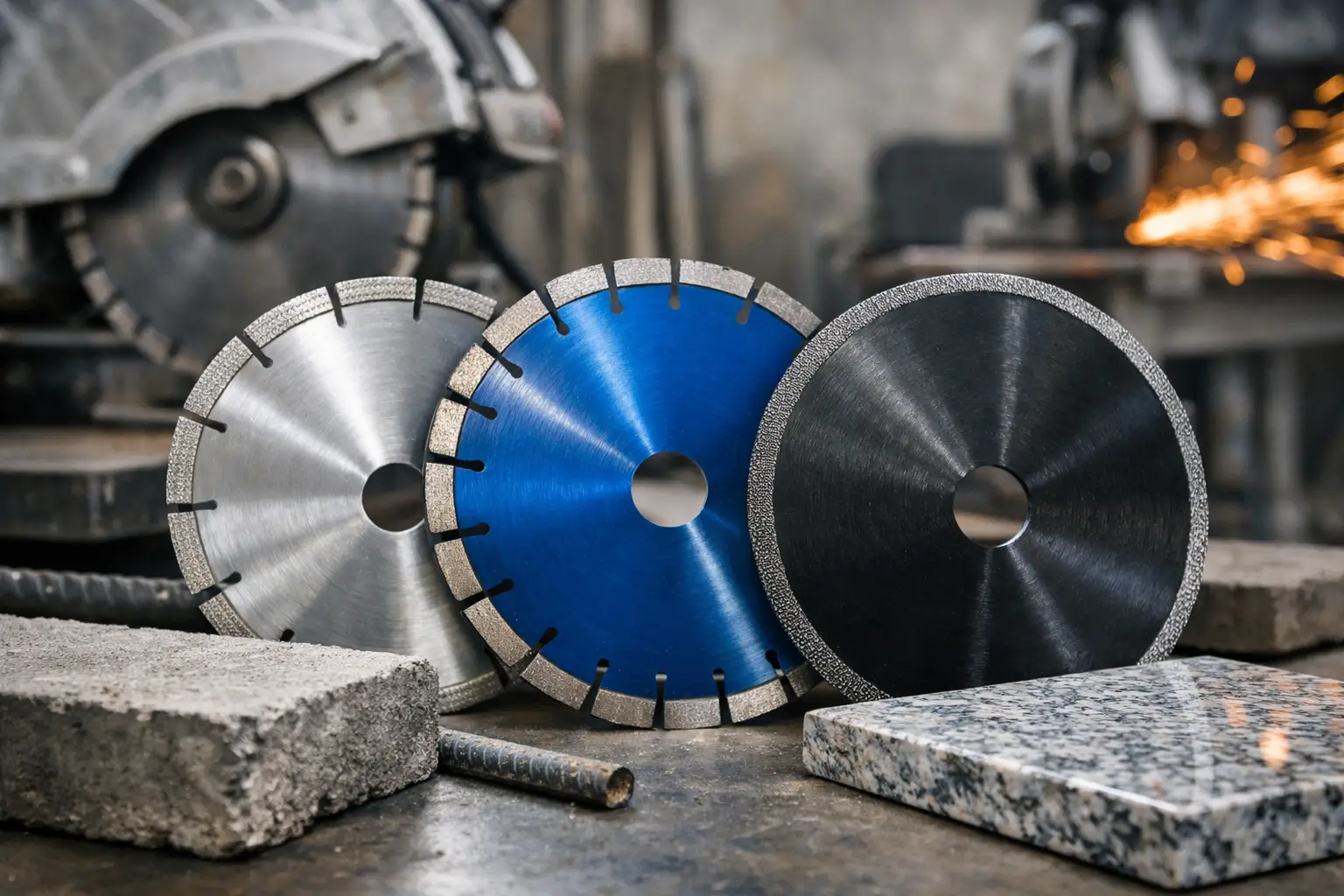
A diamond blade is a circular cutting tool fitted with industrial-grade diamonds along its edge. These diamonds are extremely hard, allowing the blade to cut through tough materials such as concrete, brick, stone, asphalt, and pavers. Diamond blades are available in a range of designs, each tailored to specific cutting tasks. The high concentration of diamonds on the cutting edge ensures that the blade maintains its cutting performance over time, even under heavy use.
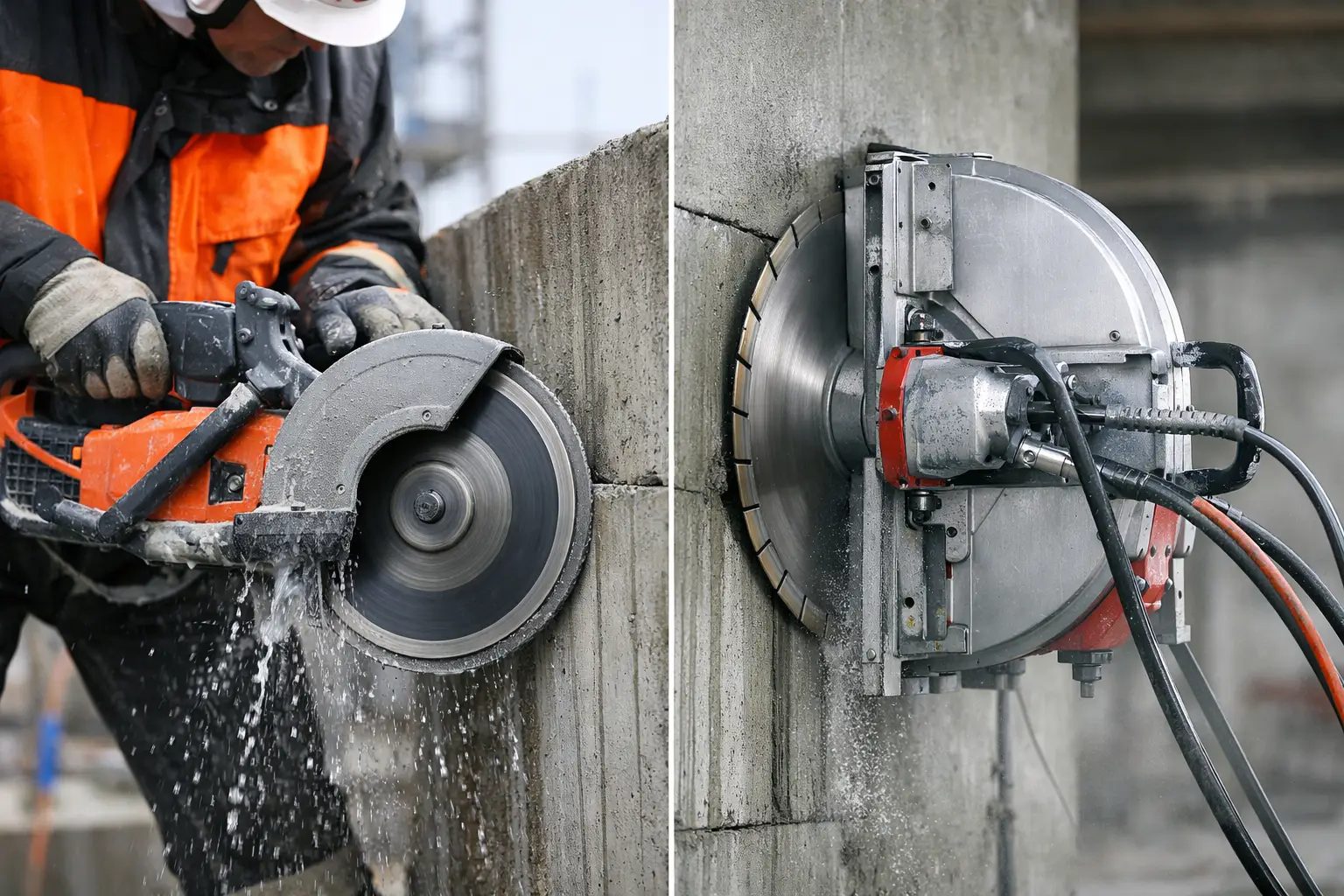
For cutting pavers, wet-cutting diamond blades are typically preferred, as they help cool the blade, reduce dust, and prolong its lifespan. However, dry-cutting blades are also available and can be suitable for certain applications.
Why Choose a Diamond Blade for Cutting Pavers?
Cutting pavers can be a demanding task, as materials like concrete, stone, or brick can be tough on traditional saw blades. Here are several compelling reasons why diamond blades are the best tool for cutting pavers:
1. Precision and Clean Cuts
One of the most significant advantages of using a diamond blade for cutting pavers is the level of precision it provides. Diamond blades can produce clean, smooth, and straight cuts, which are crucial when working with pavers, especially for projects that require tight-fitting patterns. The smooth cuts help to prevent chipping and minimize the need for additional finishing.
2. Durability and Longevity
Diamond blades are built to last. The diamonds embedded in the cutting edge wear down slowly, allowing the blade to maintain its sharpness and cutting efficiency for an extended period. This durability makes diamond blades a cost-effective option for professionals who need to complete large-scale projects or perform frequent cuts.
3. Efficiency and Speed
Diamond blades are capable of cutting pavers quickly and efficiently, which helps to reduce overall project time. The cutting speed provided by diamond blades, combined with their ability to handle tough materials, ensures that you can complete jobs more swiftly while maintaining the quality of the cut.
4. Versatility
Diamond blades can be used to cut a variety of materials beyond just pavers, including concrete, granite, asphalt, and stone. This versatility makes diamond blades a practical tool for contractors who need a single blade for multiple applications.
5. Dust Control and Noise Reduction (with Wet Cutting)
Wet-cutting diamond blades minimize dust generation, creating a safer and more comfortable working environment, particularly in indoor or residential areas. The water used in wet cutting also cools the blade, reducing the risk of overheating and extending its lifespan. Additionally, wet cutting generally results in quieter operation compared to dry cutting.
Types of Diamond Blades for Cutting Pavers
Choosing the right diamond blade for cutting pavers depends on several factors, including the type of paver material, the desired cutting speed, and whether wet or dry cutting is preferred. Here are the most common types of diamond blades for cutting pavers:
1. Continuous Rim Diamond Blades
Continuous rim diamond blades are characterized by a smooth, uninterrupted edge. These blades are ideal for cutting softer materials such as brick, lightweight concrete, and sandstone. The smooth edge ensures clean, precise cuts with minimal chipping or dust. Continuous rim blades are particularly beneficial when working with decorative pavers, as they create aesthetically pleasing edges.
Best for: Cutting softer pavers and achieving clean, smooth edges.
2. Segmented Diamond Blades
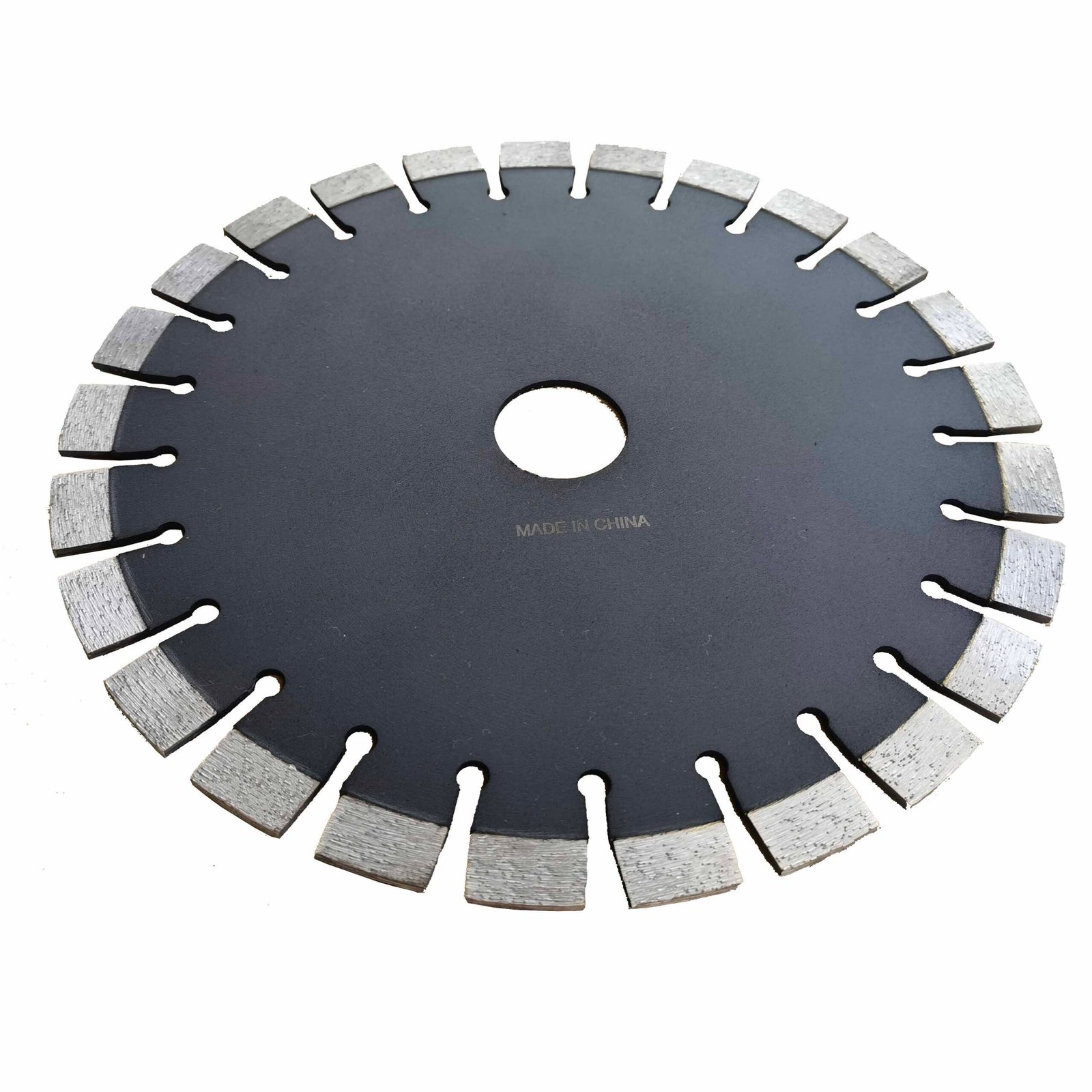
Segmented diamond blades feature individual segments or "teeth" along the edge, which aid in cutting harder materials. These blades are designed for faster cutting, as the segments help with debris removal and reduce friction. Segmented blades are ideal for cutting through dense concrete pavers, as they provide more aggressive cutting performance compared to continuous rim blades.
Best for: Cutting dense, hard pavers and large-scale projects where speed is essential.
3. Turbo Diamond Blades
Turbo diamond blades are a hybrid of continuous rim and segmented designs. They feature a continuous rim with serrated edges, allowing for faster cutting speeds while still providing a smooth finish. Turbo blades are highly versatile and can be used for cutting a wide variety of materials, including pavers. The turbo design offers the benefits of both quick cutting and clean, precise edges.
Best for: Versatile, fast cutting of pavers, offering a balance of speed and smoothness.
4. Wet-Cutting vs. Dry-Cutting Diamond Blades
- Wet-Cutting Diamond Blades: Wet-cutting blades are designed to be used with water, which cools the blade, reduces dust, and prevents overheating. These blades are ideal for cutting pavers in a controlled environment where dust management is a priority. Wet-cutting also helps extend the lifespan of the blade by preventing excessive wear.
- Dry-Cutting Diamond Blades: Dry-cutting blades are used without water, making them more portable and easier to use in areas where water sources are not available. However, dry-cutting generates more dust and heat, which can reduce the blade's lifespan and make the work environment less comfortable.
Best for: Wet-cutting for better dust control and blade longevity; dry-cutting for portability and ease of use in various environments.
How to Choose the Right Diamond Blade for Cutting Pavers
When selecting a diamond blade for cutting pavers, consider the following factors to ensure you choose the most suitable product for your project:
1. Material of the Pavers
Consider the type of pavers you are working with. Softer materials, such as brick or lightweight concrete, are best cut with continuous rim blades, which provide smoother cuts. Harder materials, such as granite or high-strength concrete, require segmented or turbo blades that can handle more aggressive cutting.
2. Cutting Method (Wet or Dry)
Determine whether you will be using wet or dry cutting. Wet-cutting blades are ideal for reducing dust, prolonging the blade’s lifespan, and maintaining a cleaner work environment. Dry-cutting blades are more suitable for quick jobs or when water is not available.
3. Blade Diameter
Ensure that the blade you choose matches the specifications of your saw. Different saws require different blade diameters, and using the wrong size can result in ineffective cutting and potential damage to the tool.
4. Cutting Depth
If you need to cut thicker pavers, choose a blade with an adequate cutting depth. Some blades are designed for shallow cuts, while others are built to handle deeper cuts required for thicker materials.
Tips for Using a Diamond Blade for Cutting Pavers
To achieve the best results when using a diamond blade for cutting pavers, follow these essential tips:
1. Prepare the Work Area
Ensure that your work area is clean, well-lit, and free from obstructions. If using a wet-cutting blade, ensure you have access to a water source to keep the blade cool and minimize dust.
2. Wear Appropriate Safety Gear
Always wear protective gear, including safety goggles, gloves, a dust mask, and ear protection. This will help protect you from flying debris, dust, and the loud noise generated during cutting.
3. Cut Slowly and Steadily
Allow the blade to cut at its own pace. Forcing the blade through the material can result in rough edges and may damage both the paver and the blade. Apply steady pressure and let the blade do the work.
4. Keep the Blade Cool
If using a wet-cutting blade, ensure a continuous flow of water to keep the blade cool and prevent it from overheating. For dry cutting, periodically stop to let the blade cool down to avoid wear and overheating.
Conclusion
Diamond blades are an indispensable tool for cutting pavers, offering a combination of precision, durability, and efficiency that is unmatched by traditional blades. Whether you are working with soft brick or dense concrete pavers, there is a diamond blade designed to meet your needs. By selecting the appropriate blade for your material, cutting method, and project requirements, you can ensure clean, precise cuts and professional-quality results.
With the right diamond blade, cutting pavers becomes a more efficient, accurate, and straightforward task, making it an essential tool for both professional contractors and DIY enthusiasts. By following best practices and safety guidelines, you can achieve the high-quality results you expect while extending the lifespan of your diamond blade.