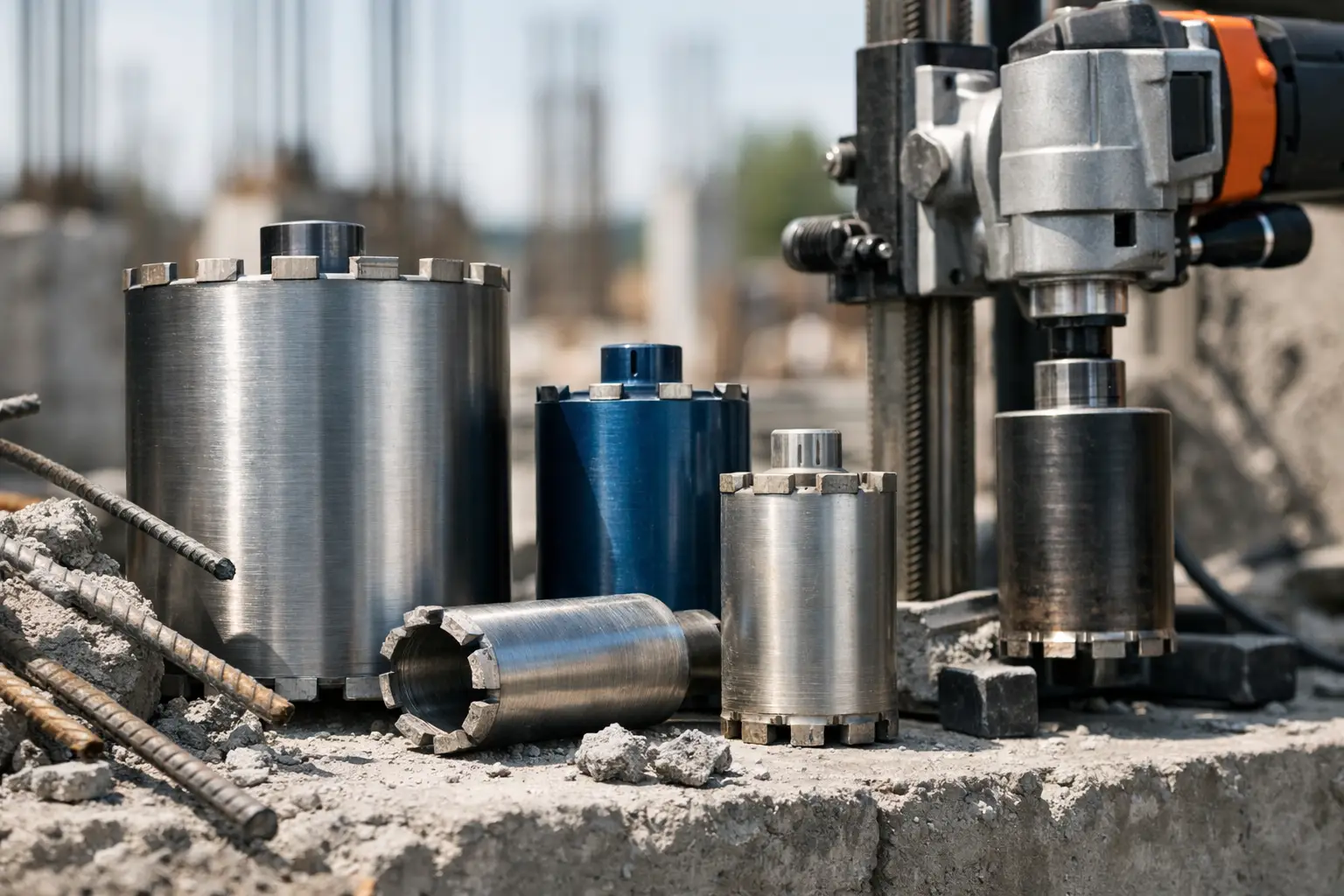
A hole can drill cleanly through the concrete cover and then stop abruptly at the first reinforcing bar. That is where a standard concrete bit often loses speed, overheats, or produces an uneven core. Selecting the right core drill bit for reinforced concrete is not only a matter of diameter. It requires the correct diamond segment, bond balance, barrel construction, and drilling method for the concrete strength, steel content, and production target.
For contractors, distributors, and procurement teams, the practical objective is consistent penetration through both abrasive aggregate and embedded steel without excessive segment wear or frequent bit replacement. A core bit that performs well in plain concrete may not provide the same results when rebar density increases. The application must drive the specification.
What Reinforced Concrete Does to a Core Bit
Reinforced concrete combines materials that behave very differently under a diamond tool. Concrete is abrasive, particularly when it contains hard aggregate such as quartz, basalt, or granite. Reinforcing steel is tougher and less abrasive. A bit must cut both materials without glazing over in steel or wearing away too quickly in aggressive concrete.
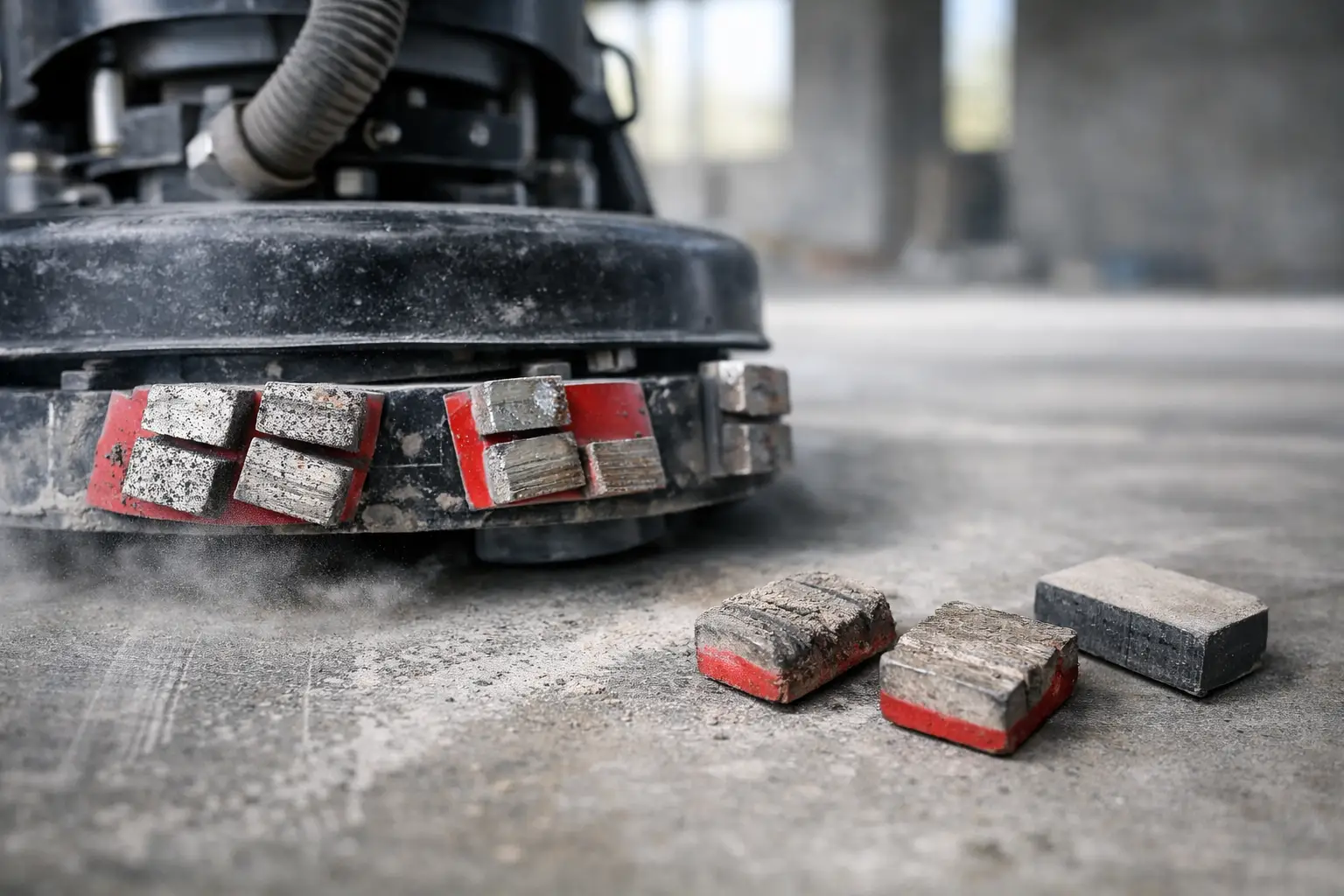
Diamond segments do the cutting. As the bond wears, it exposes fresh diamonds at the working edge. In hard, less abrasive concrete, the bond must release diamond efficiently enough to prevent glazing. In highly abrasive concrete, the bond must hold diamonds long enough to avoid rapid segment loss. Reinforcement adds another demand: the segment must tolerate intermittent impact and friction as it enters and exits steel.
This is why a general-purpose core bit can be a compromise. It may work for occasional holes, but high-volume drilling in heavily reinforced slabs, beams, walls, or foundations calls for a segment formulation designed specifically for reinforced material.
Core Drill Bit for Reinforced Concrete: Key Specifications
The best specification depends on the job, but four factors should be checked before ordering bulk stock or assigning a bit to a drilling crew.
Diameter and usable drilling depth
Diameter affects more than the finished hole size. Larger diameters create more contact area, require greater machine torque, and place higher demand on water flow and core removal. A 1-inch hole for anchors and a 10-inch opening for pipe service should not be approached with the same drilling setup.
Confirm the required diameter, barrel length, and effective drilling depth. For deep holes, barrel straightness and wall thickness matter because a distorted barrel increases drag and can make core extraction difficult. Extension compatibility should also be reviewed when drilling through thick walls, bridge decks, or structural slabs.
Segment height and concentration
Segment height is a wear allowance. Taller segments generally provide more usable life, but segment height alone does not guarantee better value. The diamond grade, concentration, bond formulation, and segment attachment determine how effectively that height is used.
For commercial drilling, consistent segment geometry is essential. Uneven segment height can cause vibration, wandering at the hole start, and irregular wear. Buyers evaluating a supplier should look beyond a single sample and ask whether segment consistency is controlled across production batches.
Bond formulation for aggregate and steel
A reinforced-concrete bit needs a balanced bond. If the bond is too hard for the material, the diamonds can become polished and stop cutting efficiently. Operators may then increase pressure, which generates heat and can damage the segments or barrel. If the bond is too soft, segments wear rapidly in abrasive aggregate and drilling cost per hole rises.
There is no single bond that is correct for every market. Concrete composition varies by region, project age, aggregate source, curing conditions, and reinforcement layout. For distributors serving mixed applications, it can be practical to carry a general reinforced-concrete range plus a faster-cutting option for hard concrete and a longer-life option for abrasive applications.
Segment attachment and barrel quality
The connection between segment and barrel must withstand heat, torque, and repeated contact with steel. Laser-welded segments are widely preferred for demanding wet core drilling because the weld provides dependable retention under sustained commercial use. Segment attachment should be matched with a rigid, concentric barrel that keeps the bit stable under load.
A low-quality barrel can reduce the performance of otherwise good segments. Poor concentricity causes runout, enlarges the hole, increases vibration, and accelerates wear. For professional supply programs, stable manufacturing quality is as important as advertised cutting speed.
Wet Drilling Is Usually the Right Method
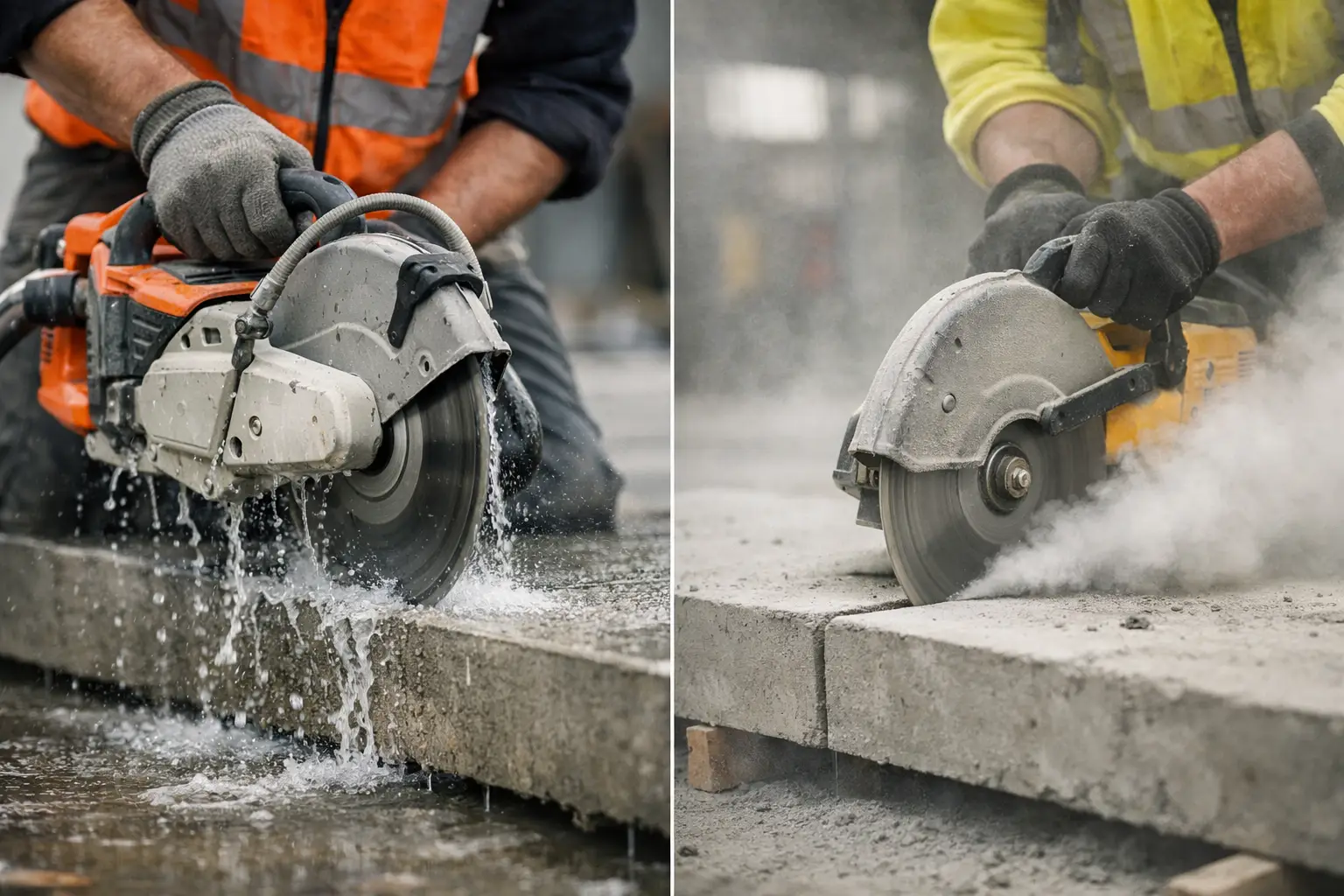
Wet drilling is the standard choice for reinforced concrete because water cools the segments, flushes slurry from the cut, and reduces airborne dust. It also helps prevent the steel contact zone from overheating. With sufficient water supply, the bit remains cleaner, cutting action stays more stable, and segment life is usually improved.
Water management still requires attention. Too little water allows slurry to pack inside the kerf, raising friction and slowing progress. Too much uncontrolled water can complicate indoor work, especially in finished buildings. When water collection is required, use appropriate containment equipment rather than reducing flow below the level needed for effective cutting.
Dry core drilling has its place in certain masonry applications and restricted environments, but it is generally less suitable for large-diameter or repeated holes in reinforced structural concrete. If dry drilling is unavoidable, the bit, machine, dust extraction setup, and operating procedure must all be designed for that method. Do not assume a wet bit will produce acceptable service life when run dry.
Match the Bit to the Drill Rig
Core bit performance is directly tied to machine speed, torque, and stability. An undersized drill motor may stall when the bit reaches rebar. An oversized or improperly operated machine can apply excessive force and damage the segment edge. Larger diameters normally require lower RPM and higher torque, while smaller diameters run at higher RPM.
A drill rig should be firmly anchored or vacuum-mounted where conditions allow. Handheld drilling can be suitable for small diameters and limited work, but rig-mounted drilling is the more controlled option for larger holes, deep penetrations, and precise openings. Stable alignment reduces side loading, which is a common cause of barrel damage and premature segment wear.
Operators should allow the diamonds to cut. Heavy pressure is not a substitute for the correct bit. If penetration rate drops sharply, check water flow, RPM, bit condition, and whether the bit has glazed. Forcing the drill after the bit becomes dull can turn a recoverable operating issue into a damaged tool.
Common Reasons Bits Fail Early
Early failure is often blamed on the bit, but drilling conditions should be reviewed before changing specifications. The most common causes include insufficient water, incorrect RPM, excessive feed pressure, poor rig stability, and drilling into unexpectedly hard aggregate or dense rebar zones.
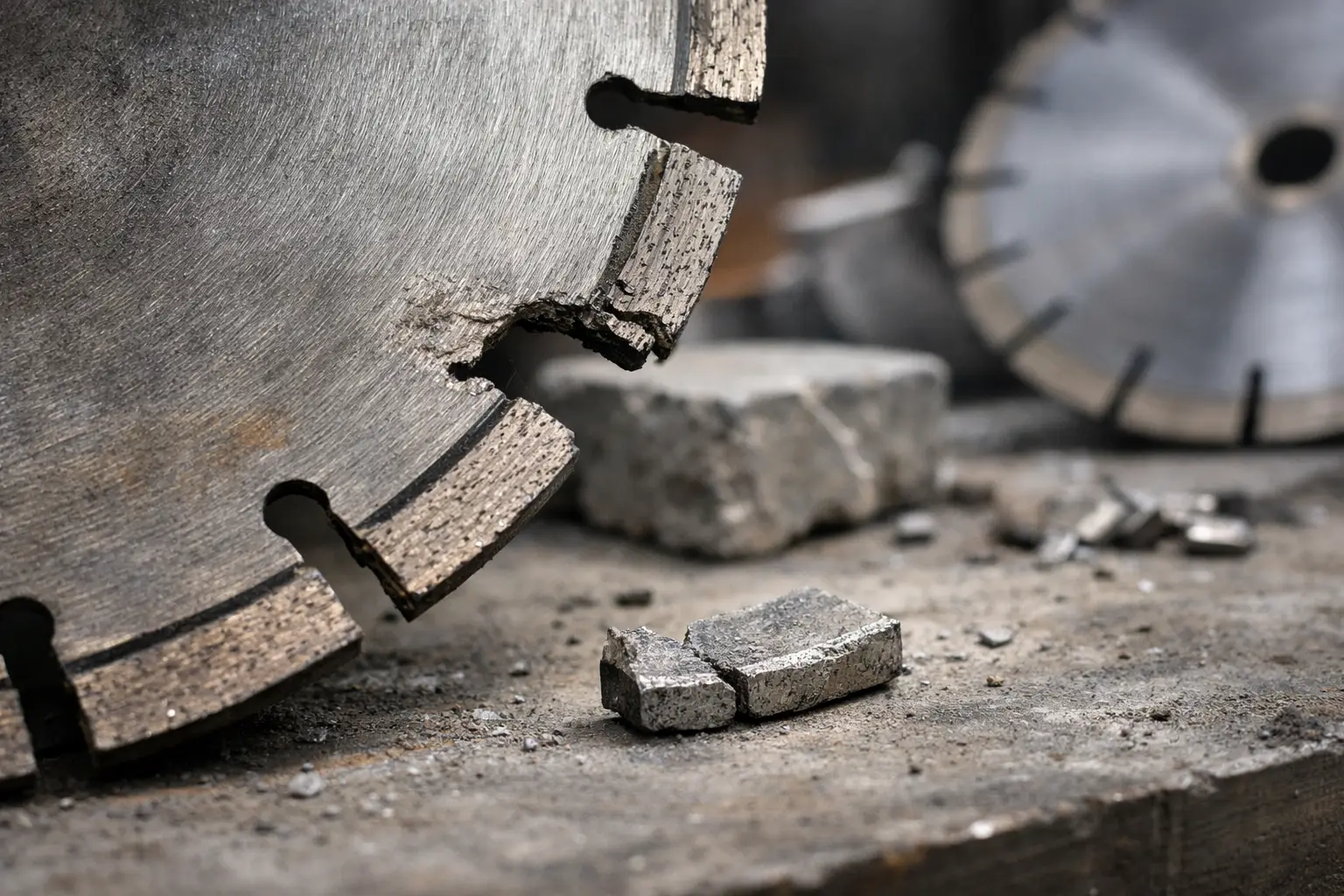
Segment loss deserves particular attention. It may result from overheating, impact caused by a loose rig, improper re-tipping, or inconsistent segment welding. A supplier should be able to distinguish between normal wear and a manufacturing issue by reviewing the worn bit, drilling method, material, and machine settings.
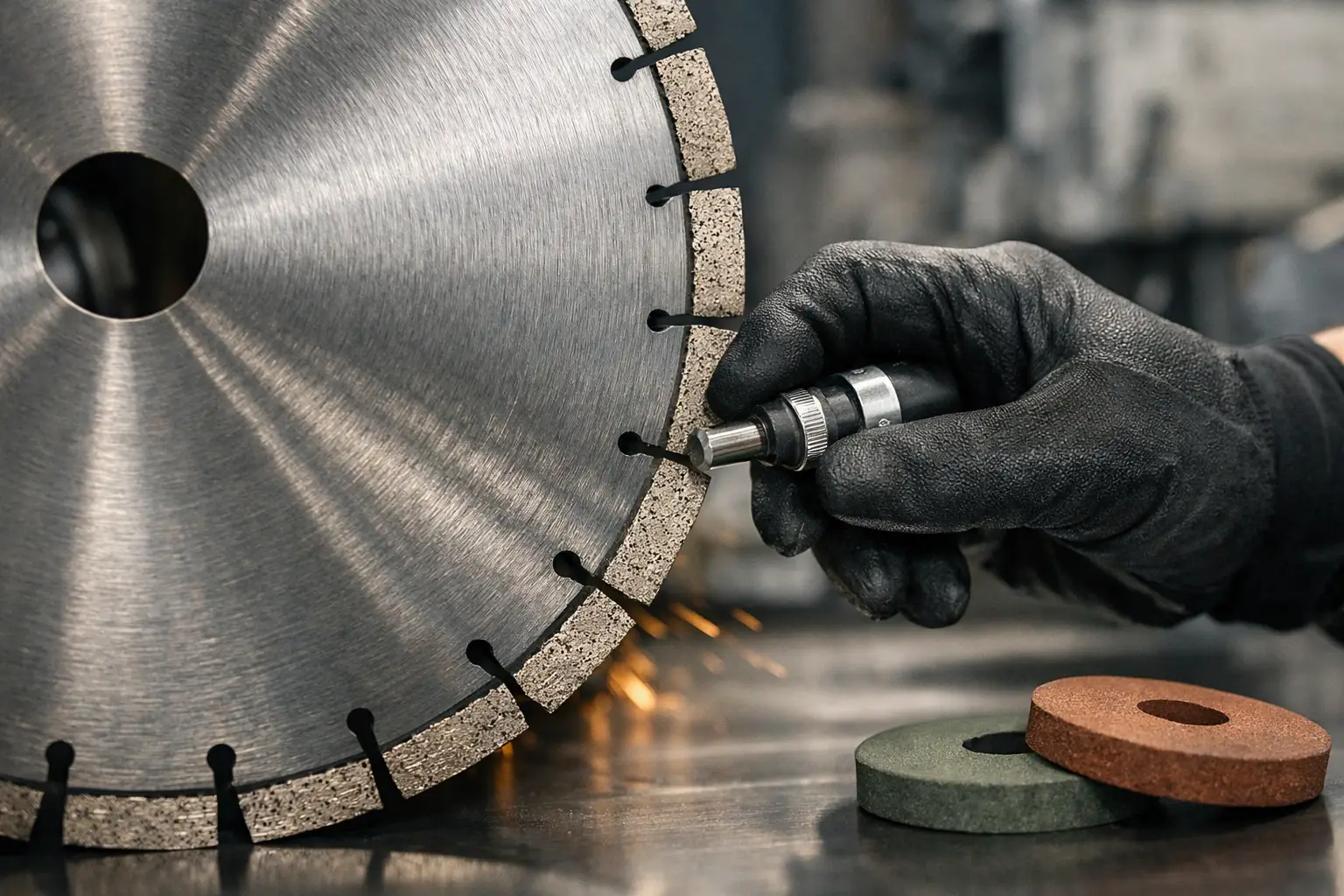
Glazing is another frequent issue in hard concrete or repeated steel contact. The bit may appear intact but cut very slowly because the diamond surface has polished. In some cases, controlled dressing on an abrasive material can expose fresh diamonds. However, repeated glazing indicates that the bond or operating parameters are not suited to the application.
What B2B Buyers Should Require From a Supplier
For a distributor or contractor purchasing core bits at scale, the lowest unit price is rarely the lowest drilling cost. A bit that lasts longer but drills too slowly can reduce crew output. A fast bit that loses segments early can create field complaints and warranty exposure. The right product is the one that delivers predictable holes per bit and stable drilling speed in the intended material range.
Request application guidance based on diameter range, drilling method, concrete type, and expected steel content. Also evaluate batch consistency, segment weld quality, labeling, packaging, and available customization. OEM and private-label programs should include clear specifications so the product remains consistent when order volumes increase.
Ryhyoma supports industrial buyers with core drilling solutions built around controlled diamond-tool manufacturing, dependable segment attachment, and specifications suited to commercial supply requirements. For export and distributor programs, reliable performance across repeated orders matters more than a one-time sample result.
Before the next purchase order, test the selected bit on the actual concrete types your crews or customers encounter most often. Record drilling time, water use, segment wear, and behavior at rebar. Those field results provide the clearest basis for choosing a core bit range that protects productivity on every hole.