A joint line that wanders, spalls at the edge, or reaches the wrong depth can turn an otherwise sound slab into a costly repair item. The best tools for expansion joints depend first on whether the job requires cutting fresh concrete, opening an existing joint, removing failed sealant, or preparing the joint for a new sealing system. Equipment selection should follow the slab condition and specification, not a one-tool approach.
For contractors, distributors, and procurement teams, the main purchasing question is not simply which saw is available. It is whether the machine, diamond blade, dust-control method, and joint-preparation accessories will deliver repeatable results across the expected concrete mix, reinforcement level, job volume, and operating conditions.
First, Separate Control Joints From Expansion Joints
On many job sites, the term "expansion joint" is used for nearly every cut in a concrete slab. Technically, this can cause confusion. Saw-cut lines in new slabs are usually control joints, also called contraction joints. They create a planned weak point so shrinkage cracking occurs in a controlled location.
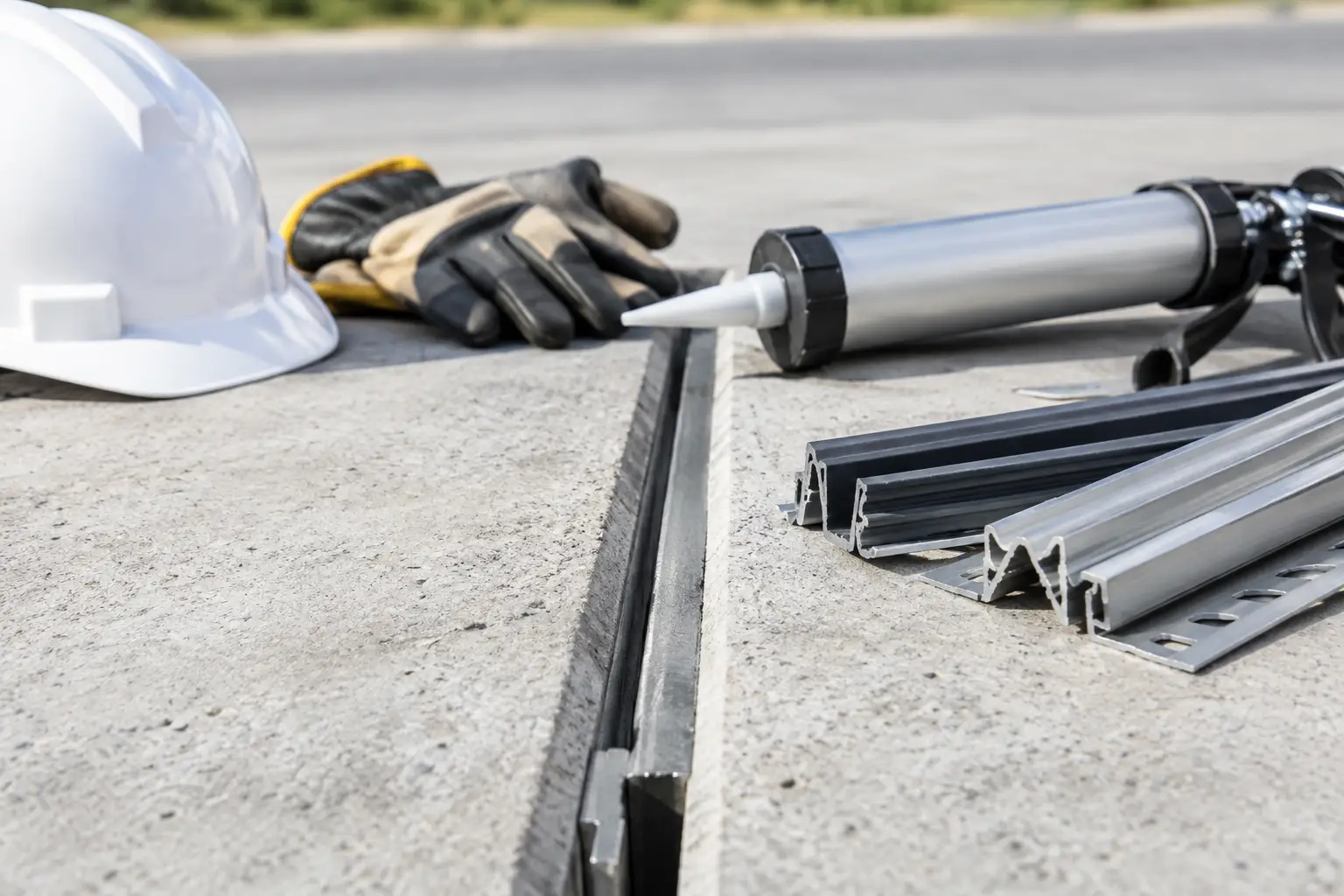
A true expansion or isolation joint separates a slab from walls, columns, equipment bases, curbs, or adjacent slabs. It normally includes compressible filler and is often sealed after construction. These joints are not generally created by cutting a new slab with a standard joint saw.
This distinction matters because a green-concrete joint saw and early-entry blade are designed for control-joint cutting. Repairing or widening an existing expansion joint may instead require a joint cleanout saw, a tuck-pointing or crack-chasing blade, a handheld grinder, and sealant-removal accessories. Buyers should confirm the specified joint type before ordering tools in volume.
Best Tools for Expansion Joints by Application
Early-entry saws for fresh concrete control joints
For green concrete, an early-entry saw is often the most efficient choice. It cuts the control joint shortly after finishing, before random shrinkage cracks develop. These machines use ultra-thin, dry-cut diamond blades and a skid plate that helps reduce surface raveling while the concrete is still relatively soft.
Early-entry cutting is highly timing-sensitive. Cutting too soon can damage the joint edge or leave excessive raveling. Cutting too late increases the risk that uncontrolled cracks have already formed. Concrete temperature, cement content, aggregate, weather, and finishing practices all affect the usable cutting window.
For distributors supplying this category, blade consistency is as important as the saw itself. Blade core flatness, segment retention, diamond concentration, and bond design need to support clean, narrow cuts without excessive heat or premature wear. A low-cost blade that varies from batch to batch creates operational risk for contractors working on large pours.
Walk-behind joint saws for cured slabs and deeper cuts
Walk-behind concrete saws are the workhorse option for established slabs, deeper cuts, joint widening, and high-output concrete work. They provide better tracking, depth control, and productivity than handheld equipment. Gasoline, diesel, and electric configurations are available, with the right choice depending on jobsite ventilation, available power, required depth, and local emissions restrictions.
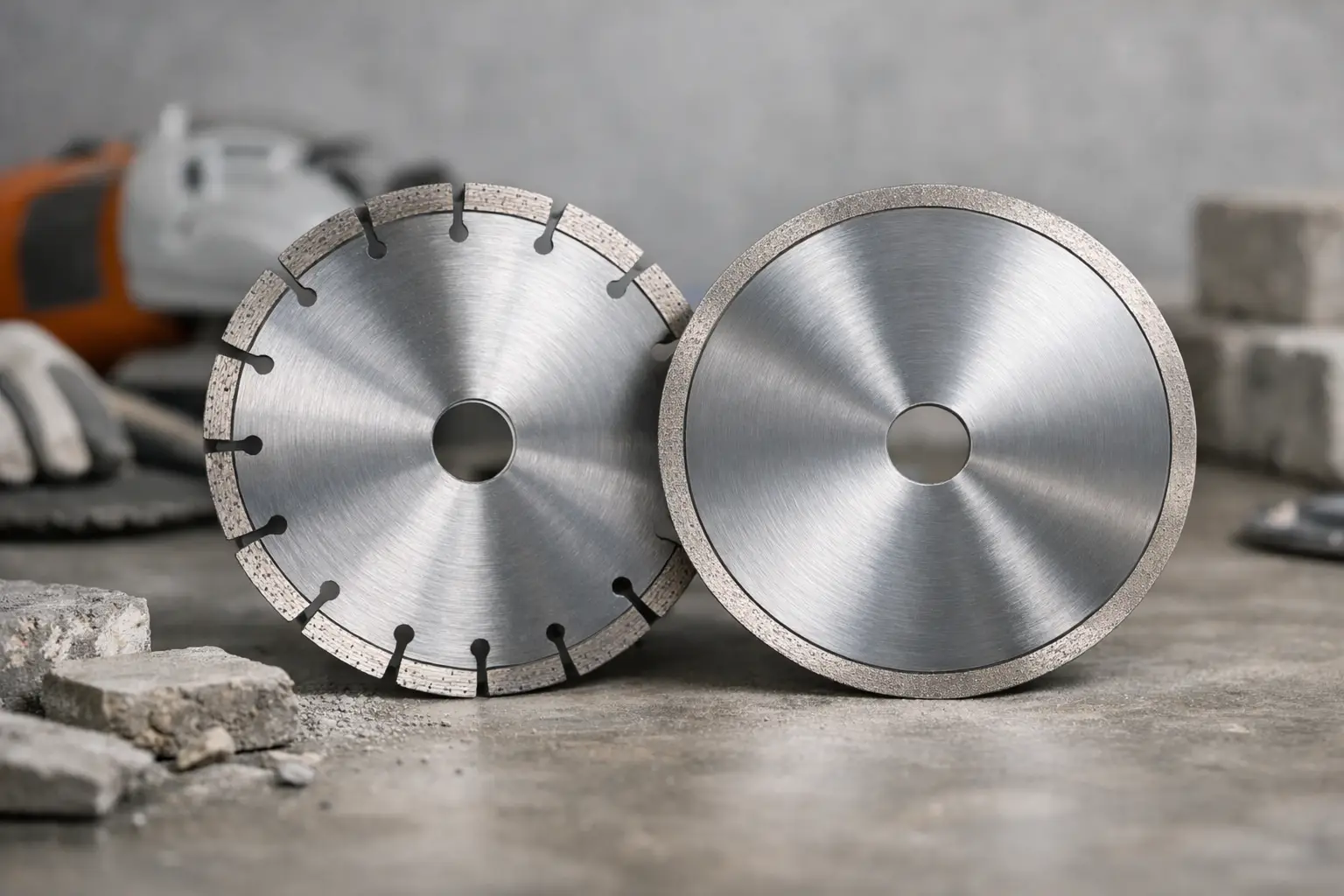
A laser-welded diamond saw blade is generally the preferred choice for demanding concrete applications. Laser welding offers strong segment attachment under high heat and heavy cutting loads, which is particularly relevant when cutting hard concrete, abrasive aggregate, or reinforced material. For dry cutting, confirm that the blade is rated for dry use and that the saw provides adequate airflow and operational control. For wet cutting, a reliable water feed reduces dust, controls heat, and helps preserve blade life.
Match blade diameter and arbor size precisely to the saw. A larger blade can reach greater depth, but it also requires sufficient machine power and proper blade speed. Running a blade outside its recommended RPM range can reduce cutting efficiency and increase the chance of poor tracking or segment damage.
Joint cleanout saws for sealant replacement
When an existing expansion joint needs resealing, the priority is clean, square joint walls with no loose sealant, debris, laitance, or damaged concrete. A joint cleanout saw, also called a crack saw in some markets, uses narrow diamond blades to remove failed material and create a consistent joint profile.
For wide or irregular joints, contractors may make multiple passes with different blade widths. The goal is not to remove more concrete than necessary. Excessive widening increases sealant consumption and can change the intended movement capability of the joint system.
Diamond blades for joint cleanout should be selected for the material being cut. Standard concrete requires a different bond balance than asphalt, very hard cured concrete, or concrete with frequent steel contact. In mixed-surface repair work, procurement teams should avoid assuming one blade specification will perform equally well in every condition.
Handheld grinders for edge work and localized repair
A handheld angle grinder fitted with a diamond tuck-pointing blade, crack-chasing blade, or vacuum-brazed accessory is useful where a floor saw cannot reach. Typical areas include wall perimeters, columns, corners, equipment pads, and small localized failures.
This is a precision tool, not the first choice for long production joints. Maintaining consistent depth and width by hand is difficult, and operator fatigue can affect quality. It is best used for access-limited finishing work, small repairs, or removal of hard residue after the main joint has been opened with a saw.
Dust extraction should be treated as part of the tool package. Grinding concrete without effective vacuum collection creates silica exposure, reduces visibility, and leaves debris that can interfere with primer and sealant adhesion.
Selecting Diamond Blades for Joint Work
The blade has more influence on joint quality than many buyers expect. A suitable saw with an unsuitable blade can produce chipped edges, slow cutting, glazing, excessive vibration, or premature segment wear.
Start with the material. Hard concrete generally requires a softer bond that releases diamond grit at a controlled rate. Abrasive concrete and asphalt often need a harder bond to prevent the blade from wearing too quickly. Reinforced concrete calls for a blade capable of handling occasional steel contact without losing cutting stability.
Then consider the cut itself. Narrow joints require thin blades and accurate machine alignment. Wider joints may require a joint-width cutting blade, a stacked-blade setup where permitted, or multiple controlled passes. For deep cuts, choose a blade designed for the saw horsepower and intended cutting depth rather than relying on a general-purpose blade.
Wet and dry cutting requirements also matter. Wet cutting usually provides cleaner operation and better cooling, but it requires water management and slurry handling. Dry cutting is more portable, yet it demands strict attention to blade rating, cutting intervals, dust control, and machine speed.
Depth, Width, and Timing Are Specification Issues
Tool selection cannot compensate for an incorrect joint layout. For control joints, common practice is to cut to a depth related to slab thickness, but the project engineer, slab design, concrete supplier guidance, and applicable specification should determine the required depth. Cutting too shallow may not control cracking. Cutting unnecessarily deep can affect slab performance and increase labor time.
Expansion and isolation joints should follow the designed width and filler system. If the joint is being restored, measure its existing profile and confirm the sealant manufacturer’s requirements for backer rod, primer, minimum depth, and width-to-depth ratio. A clean cut is only one stage of a joint system. Poor preparation or incorrect sealant geometry can still lead to early failure.
Timing is equally critical for fresh concrete. A contractor needs the saw, blades, fuel or power supply, water system, and operator ready before the slab reaches its cutting window. Waiting for replacement blades after the pour has been placed is not a workable plan for commercial flooring or paving projects.
What B2B Buyers Should Evaluate Before Ordering
For bulk purchasing, the most useful evaluation goes beyond an individual blade sample. Request clear specifications for blade diameter, segment height, kerf width, arbor configuration, recommended materials, wet or dry suitability, and operating RPM. Confirm whether the product is designed for early-entry saws, walk-behind saws, handheld grinders, or joint cleanout equipment.
Production consistency should also be verified. A reliable supplier controls steel core quality, segment formulation, welding integrity, balance, and final inspection. These factors affect whether tools perform predictably across containers, repeat orders, and private-label programs.
For distributors and large contractors, OEM or ODM support can be commercially valuable when local applications require a specific bond, package design, label, or blade configuration. Ryhyoma supports industrial buyers with diamond tool specifications suited to concrete cutting, grinding, and joint-preparation requirements, with quality control focused on stable batch performance.
The right tool package keeps joint work controlled from the first cut to final sealant preparation. Specify the slab condition, material, joint dimensions, saw type, and working environment before selecting the blade. That discipline reduces rework, protects tool margins, and gives crews a cleaner joint to finish properly.