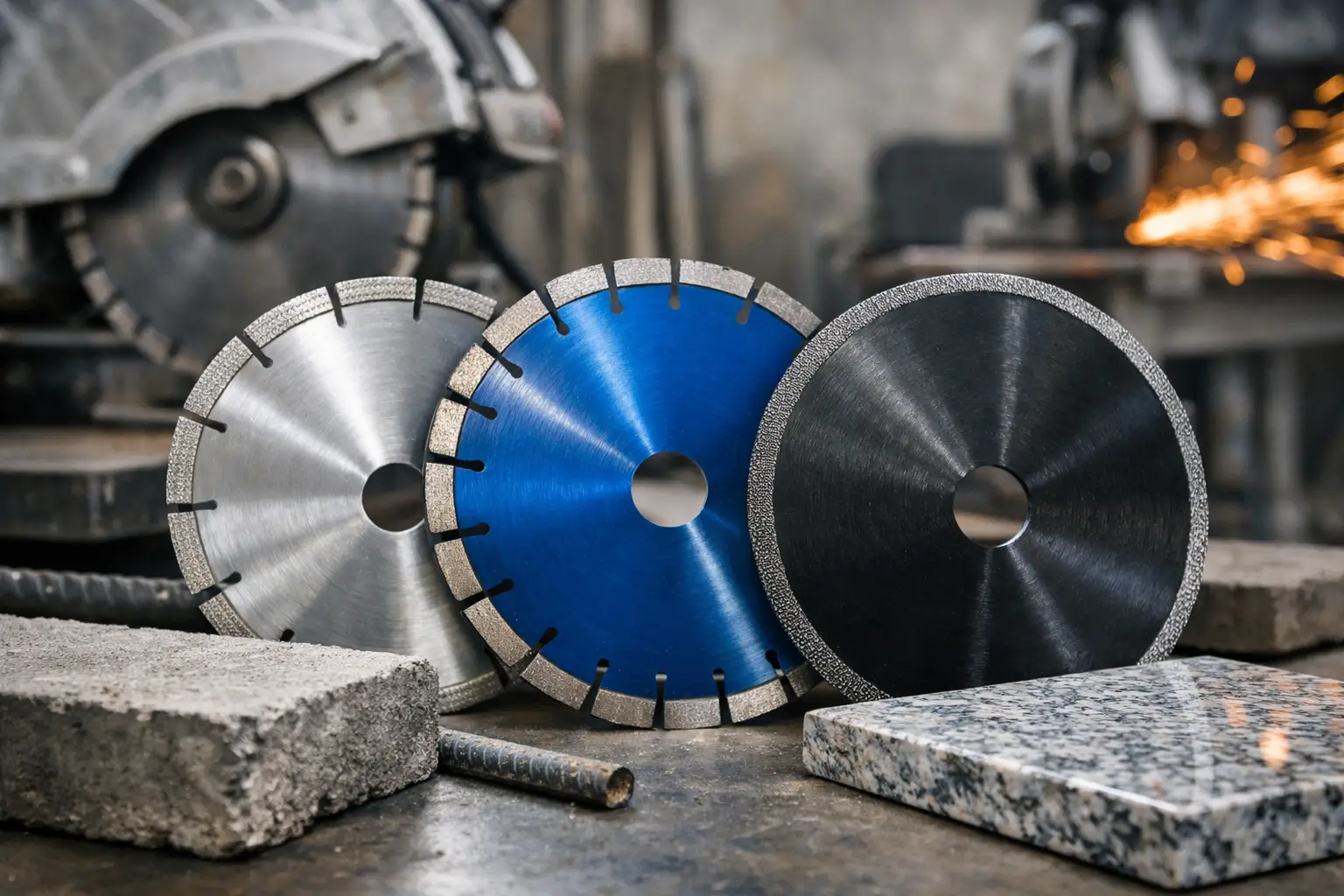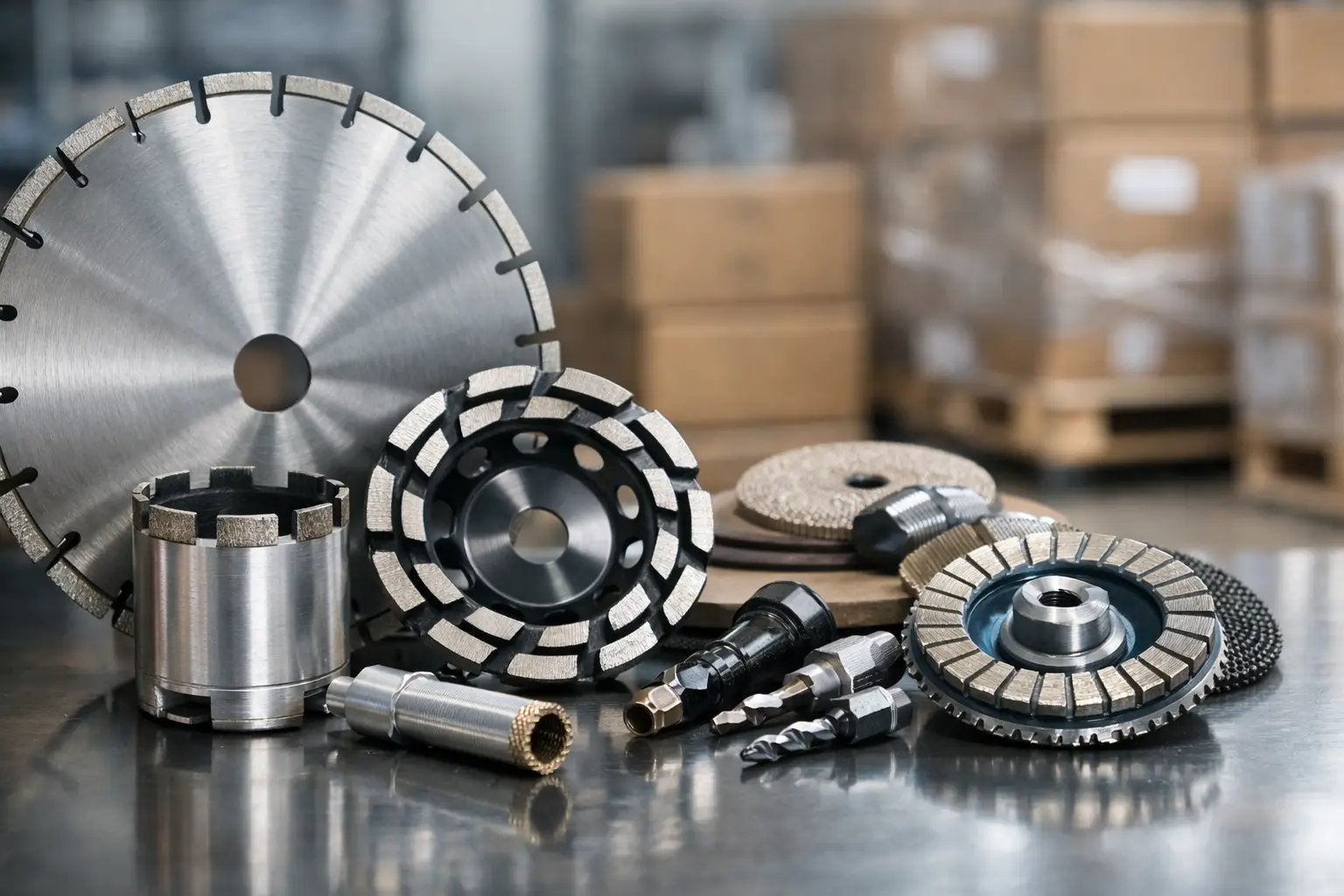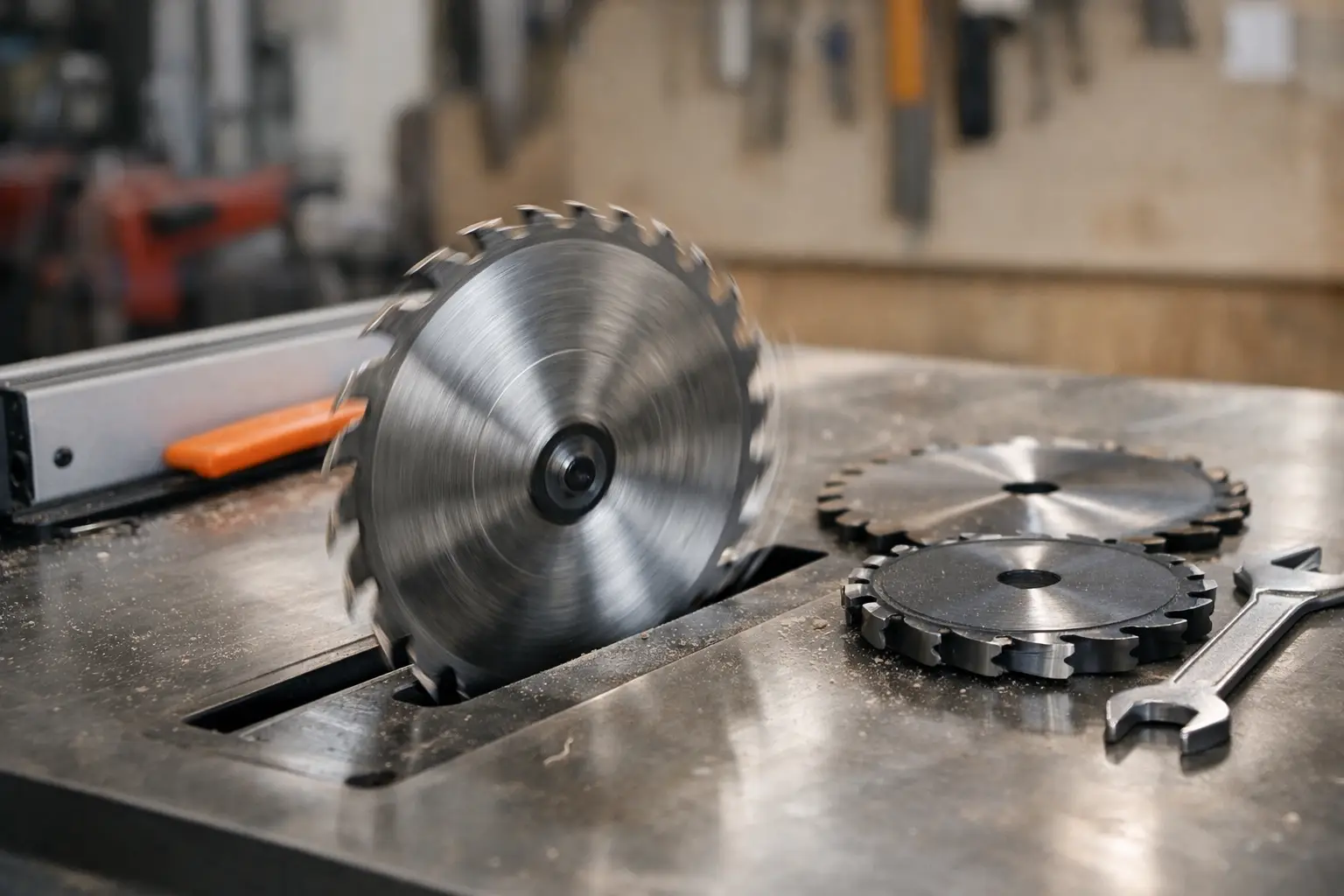

A diamond blade can look correct in a sample inspection and still fail after a short production run. Segment loss, core distortion, uneven wear, poor cutting speed, and inconsistent bore dimensions usually begin much earlier - in material selection, welding control, pressing, sintering, or final inspection. This diamond tool quality control guide helps procurement teams evaluate whether a supplier can deliver repeatable industrial performance, not just an acceptable first sample.
For distributors, contractors, and OEM buyers, quality control should protect more than the individual tool. It should protect jobsite productivity, operator safety, warranty exposure, inventory planning, and the reputation of your own brand. The objective is not to buy the hardest blade or the lowest-cost core bit. It is to buy a tool with a controlled specification that performs predictably in its intended material.
What Quality Control Must Prevent
Diamond tools operate under heat, vibration, friction, and shock loading. A small variation in diamond concentration, bond formula, segment height, steel-core flatness, or weld strength can create a large difference in field performance. This is why visual checks alone are not enough.
A proper control system should prevent early segment loss, inconsistent cutting or grinding rates, excessive chipping, overheating, warping, cracked cores, bore runout, and abnormal wear. It should also prevent batch-to-batch variation. A blade that cuts reinforced concrete well in one shipment but slows down or glazes in the next shipment creates a commercial problem even when both products meet a basic dimensional specification.
Quality is application-specific. A fast-cutting concrete blade may wear too quickly in abrasive asphalt. A hard-bond granite blade may be unsuitable for softer masonry. A vacuum-brazed tool designed for surface exposure works differently from a sintered segment tool built for deep cutting. The first control point is therefore defining what the tool must do.
Diamond Tool Quality Control Guide: Start With the Specification
Before production begins, buyers and suppliers should agree on a measurable technical specification. Product names such as premium blade or universal disc are not sufficient for bulk purchasing. The specification should identify the application, machine type, operating conditions, target material, and performance priorities.
For a concrete saw blade, this normally includes diameter, bore size, segment height, segment thickness, steel-core thickness, slot design, weld method, arbor requirement, and the expected material class. For a core bit, define the barrel diameter, working length, connection type, segment configuration, drilling method, and whether reinforced concrete or abrasive block is the primary use. For floor grinding blocks, the bond, grit range, segment shape, and machine compatibility must be controlled.
Match the bond to the material
The diamond bond determines how quickly new diamonds are exposed during use. A harder bond generally holds diamonds longer and can suit softer or less abrasive materials. A softer bond releases worn diamonds faster and is often needed for abrasive material such as asphalt or green concrete.
There is always a trade-off. A tool designed for maximum life may cut more slowly. A very aggressive tool may provide high initial speed but consume segments faster. Buyers should require the supplier to state the intended balance between cutting speed, service life, finish quality, and unit cost per linear foot, square foot, or hole drilled.
Define the manufacturing method
Manufacturing method affects both tool behavior and failure risk. Laser-welded segments are widely used where high heat resistance and strong segment retention are required, particularly for professional concrete and construction cutting. High-frequency welding can be suitable for lower-intensity applications when the specification and process control are appropriate. Vacuum-brazed tools expose diamond particles on the working surface and are often selected for specialty materials, edge work, and multipurpose cutting or grinding applications.
The method should match the job. A supplier should not present one welding process as the correct answer for every material and machine.
Control the Inputs Before Production
Consistent output begins with controlled incoming materials. Diamond grit must be selected by size, strength, shape, coating, and concentration. Variability in grit can change the tool's cutting behavior even if segment dimensions remain identical.
Metal powders and bond materials also require lot control. Changes in powder composition, particle size, moisture condition, or storage practice can affect sintering density and bond hardness. Steel cores should be checked for material grade, thickness, flatness, tensioning suitability, bore accuracy, and heat-treatment condition. On large-diameter saw blades, core quality has a direct effect on stability and cutting accuracy.
A capable manufacturer does not rely only on supplier certificates. Incoming checks should verify critical material characteristics against approved ranges. For OEM and private-label programs, retaining approved reference samples is useful when repeat orders are produced months later.
Inspect Segment Production and Attachment
Diamond segments must be uniform in density, dimensions, and diamond distribution. During pressing and sintering, poor control can produce porosity, weak edges, inconsistent hardness, or uneven diamond exposure. These defects may not be visible on every segment, but they can appear as erratic wear during cutting.
Dimensional checks should cover segment length, width, height, and placement around the core. Uneven segment height or spacing affects balance and can increase vibration. Segment geometry also matters. Turbo, segmented, continuous-rim, sandwich, and specialized protection-tooth designs each need defined tolerances because geometry influences cooling, chip removal, and cutting behavior.
For welded blades and core bits, attachment strength is a primary safety requirement. The manufacturer should control surface preparation, welding parameters, alignment, and cooling. Laser welding requires stable energy control and proper joint preparation. Excessive heat can affect the steel core, while insufficient weld penetration can lead to segment separation under load.
At Ryhyoma, laser-welded and vacuum-brazed product lines are controlled around the intended application rather than treated as interchangeable processes. That discipline matters when distributors need stable repeat orders across multiple tool categories.
Measure the Finished Tool, Not Just the Components
Final inspection should combine dimensional, visual, and functional checks. A finished diamond tool needs verification for diameter, bore size, segment thickness, segment height, core flatness, concentricity, and runout. For grinding tools, mounting dimensions and segment alignment are equally relevant because poor fit can cause vibration or uneven surface removal.
Visual inspection should identify cracks, incomplete welds, discoloration from excess heat, missing segments, burrs, coating defects, and damaged packaging. However, appearance is only one layer of control. A clean-looking blade may still run out of true or perform poorly when loaded.
Balance requirements depend on tool size and intended operating speed. A handheld cutting disc and a large floor saw blade do not have identical tolerances, but both must run within the limits appropriate to the machine. Excessive runout can reduce cut quality, increase noise, accelerate wear, and place unnecessary stress on the operator and equipment.
Use Performance Testing With Defined Conditions
Performance testing gives quality control its practical value. Test cuts should use a defined material, machine, RPM range, feed pressure, cooling method, and measurement method. Without controlled conditions, comparing cutting speed or service life between batches is unreliable.
For saw blades, record cutting depth, cutting time, linear footage, segment wear, core condition, and any signs of glazing or vibration. For core bits, measure drilling time, hole count, segment wear, barrel condition, and performance in reinforced sections. For grinding blocks, record material removal rate, scratch pattern, segment consumption, and tool stability.
Do not judge a tool by one metric alone. The fastest blade is not necessarily the best commercial choice if it has a short service life. The longest-lasting blade may not be economical if it slows crews and equipment. The correct benchmark depends on the buyer's application and total operating cost.
Apply Receiving Inspection to Every Bulk Order
Buyers should carry out an incoming inspection before tools enter warehouse stock or reach end users. This does not require retesting every piece, but it does require a documented sampling plan based on order size, product risk, and supplier history.
Start by checking cartons, labels, item codes, quantities, and packaging condition. Then compare a sample of products against the approved drawing or reference sample. Confirm dimensions, bore sizes, segment configuration, welding appearance, markings, and machine compatibility. For high-risk or high-volume products, conduct a controlled field test from each production batch before releasing the order.
If a defect is found, expand the sample size rather than assuming it is isolated. Batch segregation is essential. Mixing lots removes the ability to identify the source of a problem and complicates any corrective action.
Require Traceability and Corrective Action
A reliable supplier should be able to connect each shipment to production records. At minimum, records should identify the product model, production date, batch number, key materials, inspection results, and packing details. This information allows the supplier to investigate a complaint without guessing.
When performance is outside specification, ask for a corrective-action response that identifies the root cause, containment action, and verification method for future production. Replacing defective tools is not enough if the underlying cause remains unknown. The same applies to changes in materials or manufacturing settings. Any change that can affect performance should be reviewed before the next bulk order is produced.
The most dependable diamond tools are not created by a final inspection table alone. They come from controlled specifications, disciplined production, meaningful testing, and traceable batches. For buyers building a long-term supply program, the practical next step is to approve quality standards before the purchase order is issued, then use those same standards to evaluate every shipment that follows.