A concrete blade that cuts fast in one job can glaze, wander, or wear out early in the next. That is why knowing how to choose concrete saw blade is less about picking a popular size and more about matching the blade to the material, machine, and production target.
For distributors, contractors, and procurement teams, the cost of a wrong blade is not limited to blade replacement. It also shows up in slower cutting, operator complaints, machine strain, and inconsistent jobsite output. A blade should be selected as a working component in a system, not as an isolated consumable.
How to choose concrete saw blade for the actual material
The first question is simple: what exactly are you cutting? "Concrete" is often treated as one category, but field conditions vary widely. Green concrete, cured concrete, reinforced concrete, concrete with hard aggregate, pavers, and abrasive block all wear blades differently.
Harder concrete usually requires a softer bond. That sounds backward until you look at how diamond exposure works. In hard material, the diamonds have difficulty wearing the bond away, so a softer bond is needed to release dull diamonds and expose fresh ones. In abrasive or softer material, a harder bond is generally better because the material itself already wears the segment quickly.
This is one of the most common selection errors in bulk purchasing. Buyers sometimes standardize one blade across multiple applications to simplify inventory. That can work in some fleets, but performance trade-offs are real. A blade optimized for abrasive green concrete may wear too fast in cured reinforced concrete. A blade designed for dense cured concrete may glaze in softer applications.
If rebar is present, the blade also needs stable cutting behavior through alternating materials. Cutting plain concrete is different from cutting concrete, then steel, then concrete again in repeated cycles. Segment design and bond formulation matter more in reinforced applications because impact resistance and consistent diamond retention become critical.
Wet or dry cutting changes blade requirements
Before comparing segment patterns or diameters, determine whether the blade will run wet or dry. This affects cooling, slurry management, blade life, and operating speed.
Wet cutting usually gives longer blade life and better heat control. It is often the preferred option for production work, floor sawing, and high-volume cutting where water supply is practical. It also reduces airborne dust, which matters for compliance and jobsite cleanliness.
Dry cutting is common when mobility matters or water use is restricted. In that case, the blade must manage heat more effectively, and the operator needs to allow proper cooling cycles during use. Continuous heavy pressure in dry cutting can overheat the core, weaken segment retention, and shorten service life.
A blade labeled for dry use may often be used wet, but the reverse should not be assumed without confirming the specification. For B2B buyers supplying mixed end users, this is worth clarifying early because misuse in the field often gets reported back as a product defect.
Match the blade to the machine, not just the material
Even the correct bond can fail if the blade is not matched to the saw. Machine horsepower, shaft speed, feed pressure, and application type all affect blade behavior.
A hand-held cut-off saw, a walk-behind floor saw, and a high-horsepower road saw do not load the blade in the same way. The same diameter does not guarantee the same result across machines. If the saw lacks enough power for the blade specification, cutting can become slow and unstable. If machine power is high but the blade is built for lighter duty, segment loss or rapid wear may follow.
Arbor size, maximum blade diameter, and operating RPM must always be checked against the machine. This sounds basic, but it is one of the most important points in wholesale supply. A blade that physically fits is not automatically a blade that performs correctly.
For procurement teams managing multiple equipment types, it is useful to separate blade selection by machine class instead of by material alone. That approach usually reduces field issues because it reflects the real operating environment.
Segment height, width, and pattern are not cosmetic details
When buyers compare concrete blades, they often focus first on diameter and price. Segment design deserves equal attention because it strongly affects cutting speed, debris removal, blade life, and cut stability.
Higher segment height generally means more usable diamond material and longer potential life, but only if the bond and application are correct. A tall segment on the wrong bond will not solve a poor match.
Segment width also matters. A wider segment may offer better life in some heavy-duty applications, but it also increases cutting resistance. A narrower segment can cut faster, though sometimes with shorter life or less stability in demanding conditions. The right balance depends on whether the end user values speed, service life, or a mix of both.
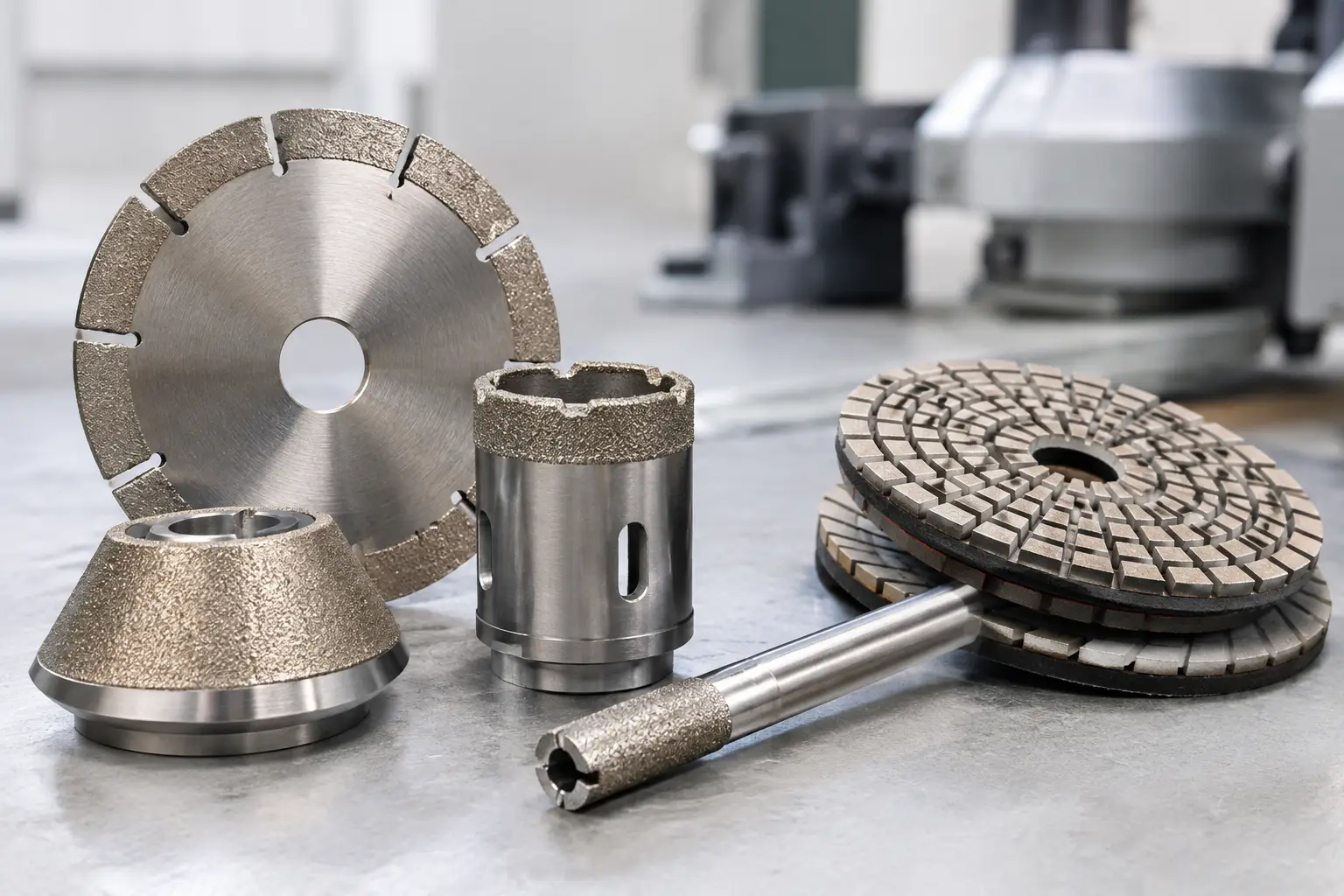
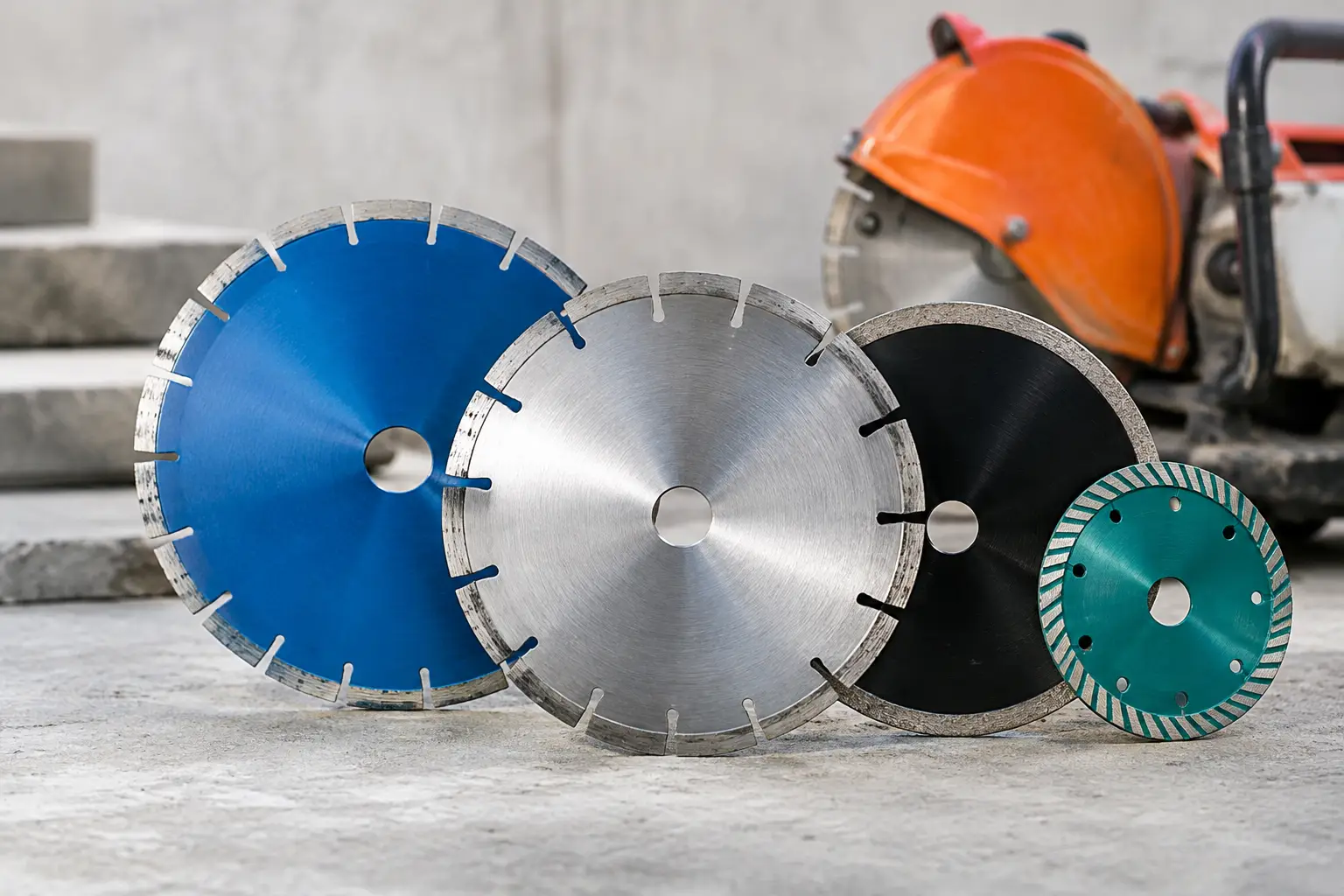
Segment pattern affects cooling and slurry removal. Turbo styles may support faster cutting in some materials, while segmented rims often provide better airflow and debris clearance in dry use. For heavy concrete cutting, traditional segmented designs remain common because they balance speed, cooling, and durability.
Laser-welded blades are widely preferred in demanding concrete applications because segment attachment strength is critical under heat and impact. For industrial buyers, welding quality is not a minor detail. It directly affects safety, service life, and consistency across production batches.
How to choose concrete saw blade based on performance priority
There is rarely one perfect blade for every buyer. The better question is which performance metric matters most in the job.
If the priority is fast cutting, the blade may use a more aggressive specification with a design that exposes diamonds efficiently. This can increase productivity, but blade life may be shorter depending on the material.
If the priority is long life, the blade may use a specification that sacrifices some cutting speed in exchange for lower wear. That can make sense for distributors serving cost-sensitive fleets that track consumption closely.
If the priority is smooth operation across mixed jobsite conditions, a more balanced general-purpose blade may be the better commercial option. It will not be the fastest in every application, but it can reduce SKU complexity and improve field acceptance across varied users.
This is where supplier guidance matters. A dependable manufacturer should ask about material, machine, cutting method, and expected output before recommending a specification. If a supplier only asks for diameter, the recommendation is probably too generic.
Do not ignore aggregate type and regional cutting conditions
Concrete composition changes by region. Aggregate type has a major effect on blade wear, and this is especially relevant for importers and distributors supplying multiple markets.
Concrete with very hard aggregate can behave differently from concrete that is more abrasive due to sand content or other factors. In GCC and export markets, environmental heat and dust can also influence operating conditions, especially in dry cutting. A blade that performs well in one market may need bond adjustment for another.
This is why OEM and ODM support can be valuable at the distributor level. If recurring applications are known, tailoring bond hardness, segment dimensions, or core design can improve customer satisfaction and reduce claim rates. For B2B supply, stable repeat performance is often more valuable than chasing the lowest initial blade cost.
Price per blade is not the real cost
Low-priced concrete blades often create hidden costs. If a blade cuts slower, wears faster, or causes repeated changeovers, the total operating cost rises quickly. This is especially true for contractors where labor and equipment time exceed blade cost.
For wholesalers and importers, inconsistent blade quality creates another problem: unpredictable customer feedback. One shipment performs well, the next does not, and confidence drops. Strict quality control in segment formulation, core tensioning, welding, and final inspection matters because buyers need repeatable performance, not occasional good results.
A commercially sound blade program should evaluate cost per cut, consistency across batches, and suitability for target machines. That is a stronger purchasing standard than comparing unit price alone.
A practical way to evaluate a blade before bulk purchase
If you are qualifying a supplier or planning a private-label line, start with a controlled trial. Use the actual machine type, real jobsite material, and the cutting method the customer will use. Record cutting speed, total linear footage, wear pattern, operator feedback, and any signs of glazing or segment damage.
It is also worth checking whether the blade tracks straight, handles reinforcement without excessive slowdown, and maintains stable performance after the first few cuts. Some blades start aggressively but lose efficiency quickly. Others may feel slower at first but deliver better total output.
Ryhyoma works with B2B buyers who need this kind of application-based selection because the right blade is usually confirmed by performance data, not catalog claims.
The best concrete blade choice is usually the one that fits the material, machine, and working conditions with the fewest surprises in the field. When the specification is right, cutting becomes more predictable, inventory decisions become easier, and your customers notice the difference where it matters most - on the jobsite.