
A distributor partnership example is most useful when it shows how a supplier and local sales organization solve operating problems together. In diamond tools, the relationship is not simply a manufacturer shipping blades to a buyer. It is a working system for supplying the right specifications, maintaining consistent stock, supporting end users, and protecting the distributor’s reputation on demanding jobsites.
For importers and wholesalers serving construction, stone fabrication, flooring, and materials-processing customers, the cost of a weak supplier relationship appears quickly. A concrete blade that wears too fast, a core bit that drills inconsistently, or a delayed replenishment shipment can turn one product issue into a lost account. A capable distributor partnership is designed to prevent that outcome.
Distributor Partnership Example: Building a Regional Tool Line
Consider a regional industrial tools distributor supplying contractors, rental companies, tile installers, and stone fabricators. Its established catalog includes power tools and abrasives, but its diamond blade range is inconsistent. One supplier offers low pricing but variable segment quality. Another has acceptable blades but cannot provide private-label packaging or dependable lead times for bulk orders.
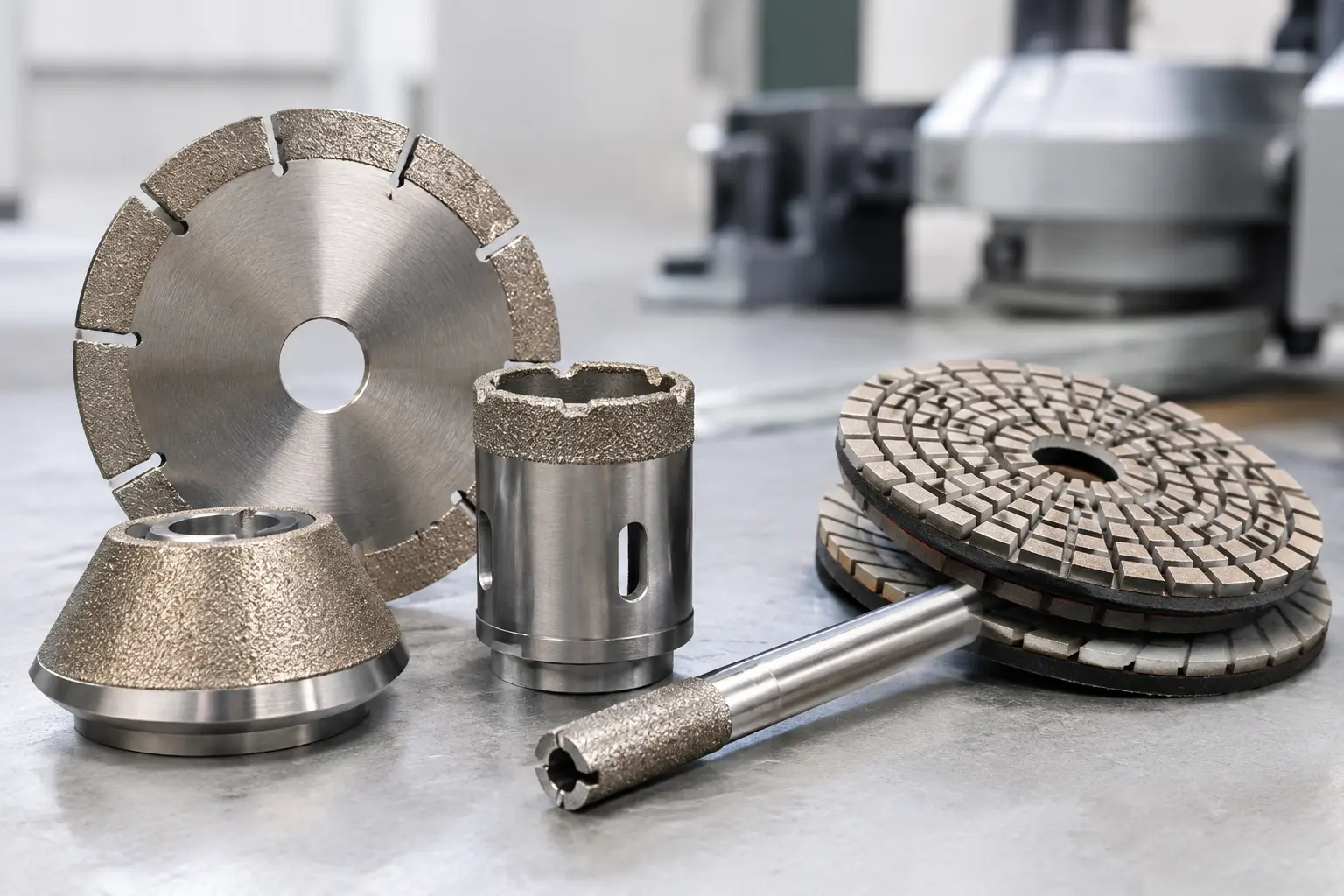
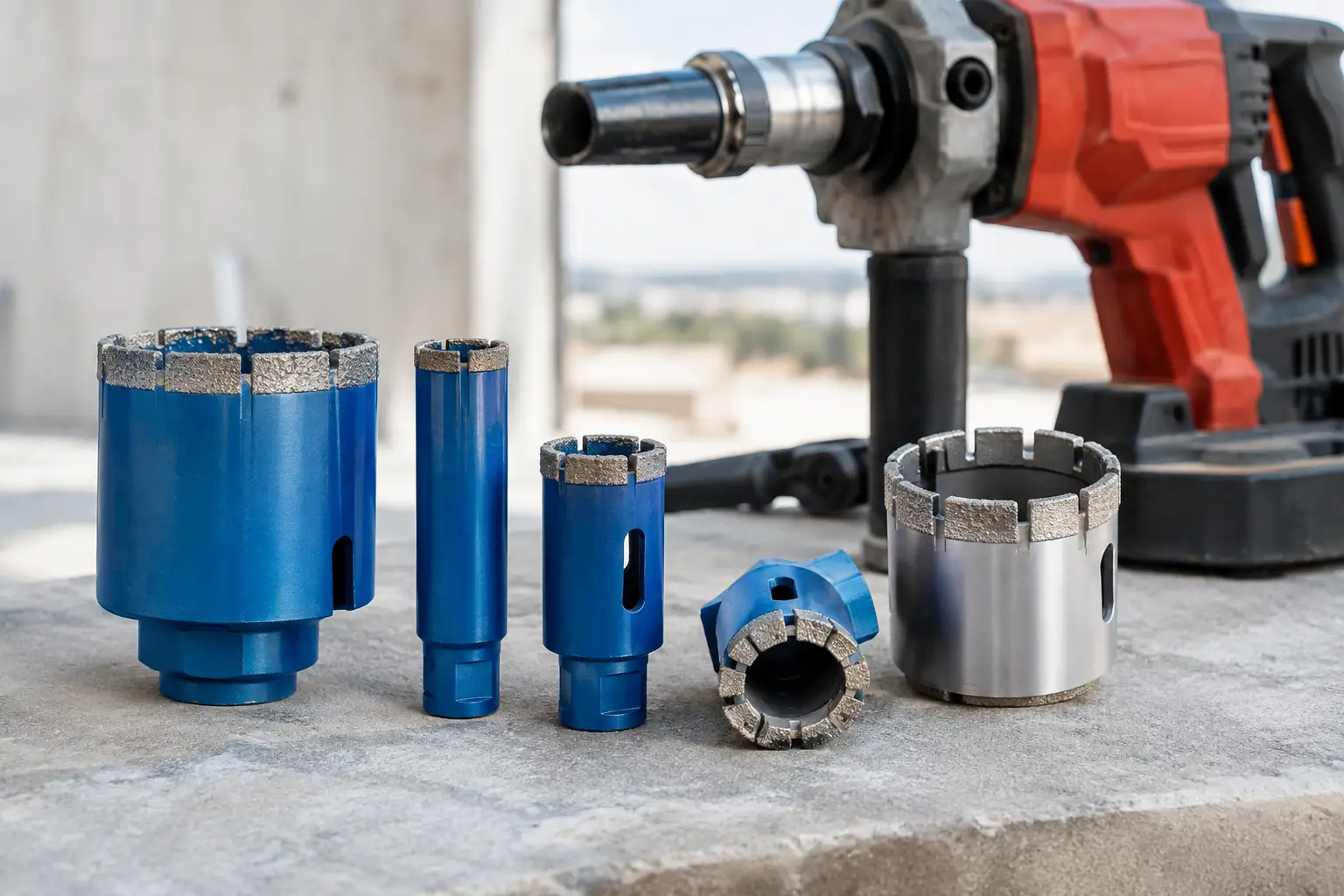
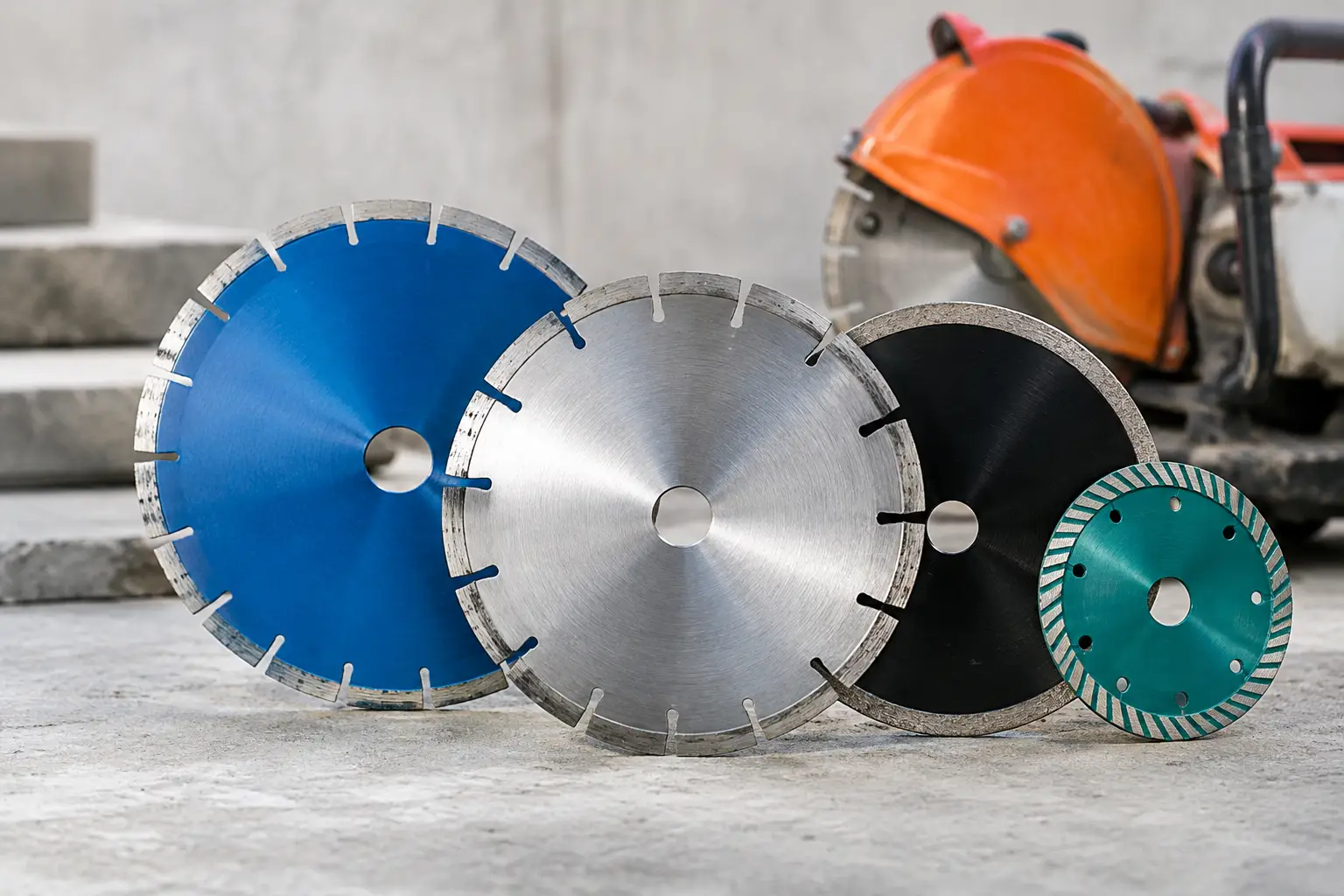
The distributor needs a manufacturing partner that can support a focused product line: laser-welded concrete saw blades, ceramic cutting discs, granite blades, floor grinding blocks, core bits, and selected vacuum-brazed products. The goal is not to carry every possible SKU. The goal is to create a dependable range that covers the materials and machines its customers use every day.
The partnership begins with application data, not a price sheet. The distributor provides information about local demand: common blade diameters, arbor sizes, machine types, material hardness, wet or dry cutting conditions, expected order volumes, and the price level of competing products. The manufacturer uses this information to recommend specifications such as segment height, bond formulation, diamond concentration, steel core design, and welding method.
For example, a blade intended for cured reinforced concrete cannot be evaluated by the same standard as a blade used on green concrete or abrasive block. The distributor may need a fast-cutting general-purpose blade for high-volume contractor sales and a more durable professional blade for rental fleets and infrastructure work. Those products can share a category, but they should not be treated as identical.
Product Validation Before a Full Launch
Before placing a container-scale order, the distributor requests samples or a pilot batch. Its team tests tools under normal field conditions with selected customers. The evaluation measures cutting speed, blade life, segment retention, vibration, cut quality, and operator feedback. For core bits, the test also considers drilling speed, barrel stability, and performance through reinforcement where applicable.
A sound test process needs realistic comparisons. Testing one blade on a single slab of concrete may produce misleading results because aggregate, reinforcement, moisture, machine power, and operator technique all affect performance. The distributor should compare products across several jobs or controlled material samples and document the operating conditions.
If a product needs adjustment, the manufacturer and distributor review the failure pattern. Excessive wear may require a harder bond. Slow cutting may call for a different diamond grade or bond balance. Segment loss can point to application misuse, overheating, or a welding and core design issue. This technical discussion is where a manufacturing partner adds value beyond basic trading supply.
Commercial Terms That Support Repeat Business
Once the pilot range is approved, the commercial structure must match the distributor’s actual route to market. Minimum order quantities, payment terms, production lead time, packaging requirements, and shipment planning should be agreed before the catalog is launched. A low unit price has limited value if the order quantity forces the distributor to hold stock that moves too slowly.
Private-label supply is often central to the arrangement. The distributor may require its own brand, color scheme, barcode labels, packaging language, and product codes. For professional diamond tools, packaging should do more than identify the brand. It should state the intended application, diameter, bore size, maximum RPM, wet or dry use guidance, and key safety instructions. Clear labeling reduces selection errors at the counter and gives the sales team a practical tool for recommending the right product.
Exclusivity can be part of the agreement, but it should be earned through measurable commitments. A distributor that requests exclusive rights for a country or region should normally provide forecast volumes, a launch plan, inventory commitment, and active market development. A manufacturer also needs confidence that the range will be represented correctly rather than left inactive in a warehouse.
The right approach depends on the market. In a large territory with many industrial centers, category-level or customer-segment protection may be more realistic than full national exclusivity. In a smaller market, territory exclusivity may work if the distributor has proven coverage and purchasing capacity.
Inventory Planning Is a Shared Responsibility
Diamond tool availability is a competitive advantage. Contractors and fabricators often buy replacement blades and grinding tools when a job is already underway. If the local distributor cannot supply the correct item, the customer may switch brands permanently, even if the original tool performed well.
The distributor should classify products by sales velocity and criticality. Fast-moving items, such as common concrete blade diameters or popular ceramic discs, require deeper local inventory. Specialist products, including large-diameter saw blades, hole openers, or application-specific grinding tools, may be stocked in lower quantities but still need planned replenishment.
Forecasts should be reviewed against actual sell-through rather than treated as a one-time estimate. Seasonal construction activity, large project awards, and changes in material trends can shift demand quickly. For example, increased use of dense porcelain slabs or engineered stone can create demand for specialized cutting solutions that a general-purpose blade cannot handle efficiently.
The manufacturer’s role is to provide reliable production scheduling, consistent product specifications, and transparent lead-time communication. The distributor’s role is to share forecasts early and avoid treating inventory planning as an emergency purchase function. Both sides benefit when orders are planned around consumption patterns instead of last-minute shortages.
Technical Support Protects the Distributor’s Margin
Technical support matters most when a customer reports a problem. A distributor needs enough product knowledge to ask the right questions before offering a replacement or blaming the tool. What material was cut? What machine and RPM were used? Was the blade run wet or dry? Was the tool overheated, pinched, or used at an improper depth of cut?
This information often separates a genuine product defect from an application issue. It also helps identify when the distributor is selling the wrong specification into the wrong job. Repeated claims on a low-cost blade may signal that the product is under-specified for the customer’s material, not that the customer is using it incorrectly.
A dependable manufacturer supports the distributor with product data, application recommendations, inspection procedures, and corrective action when quality concerns are confirmed. Ryhyoma applies this approach through strict quality control and manufacturing support for wholesale buyers who need stable performance across repeated orders. Consistency between the approved sample and future production is essential. A distributor cannot build a professional product line around tools that change without notice.
Measuring Whether the Partnership Is Working
Sales volume alone does not show the full health of a distributor relationship. A growing order value may hide excessive returns, slow-moving stock, or margin pressure from warranty claims. Both parties should review practical performance indicators at regular intervals.
Useful measures include reorder frequency, inventory turnover, on-time delivery, claim rate, repeat purchases by major accounts, and the sales performance of each product family. The distributor should also monitor where sales are coming from. A blade range that performs well in contractor channels may need different packaging, pricing, or technical support to succeed with stone shops or rental fleets.
When results fall below plan, the response should be specific. If a product is not moving, the cause may be weak market fit, insufficient sales training, an unsuitable price point, or too many overlapping SKUs. If a high-volume item receives frequent complaints, the manufacturer and distributor should investigate the application data and retained samples before changing the specification.
A good distributor partnership is built through this discipline. The manufacturer protects product consistency and supply capacity. The distributor provides local market knowledge, customer access, inventory commitment, and accurate feedback from the field. Neither side can substitute for the other.
The practical value of a distributor partnership appears when a contractor needs a blade that performs as expected, a fabricator needs replacement stock without delay, and the distributor can respond with confidence. That confidence is built long before the purchase order, through careful specification, testing, planning, and accountability.