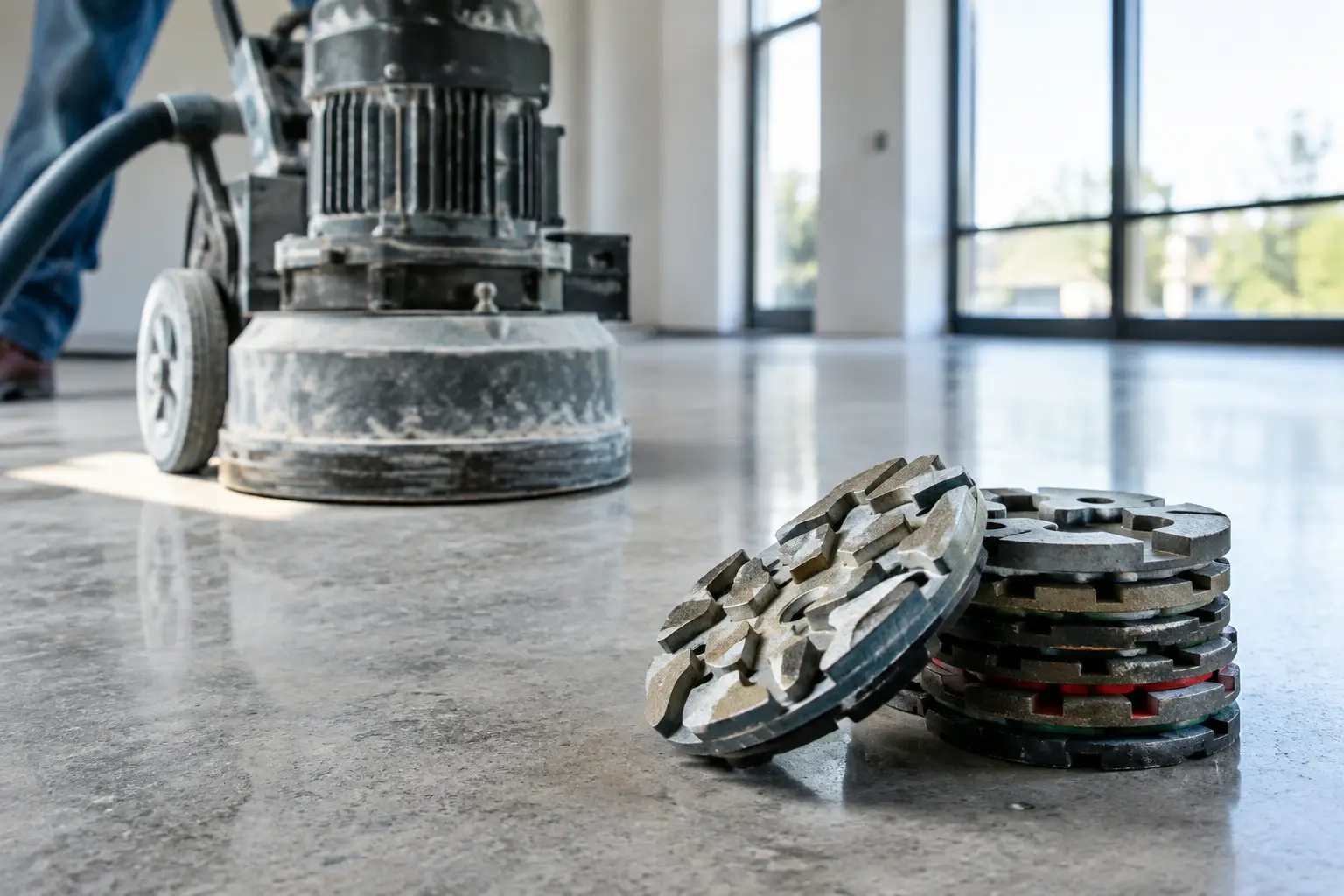
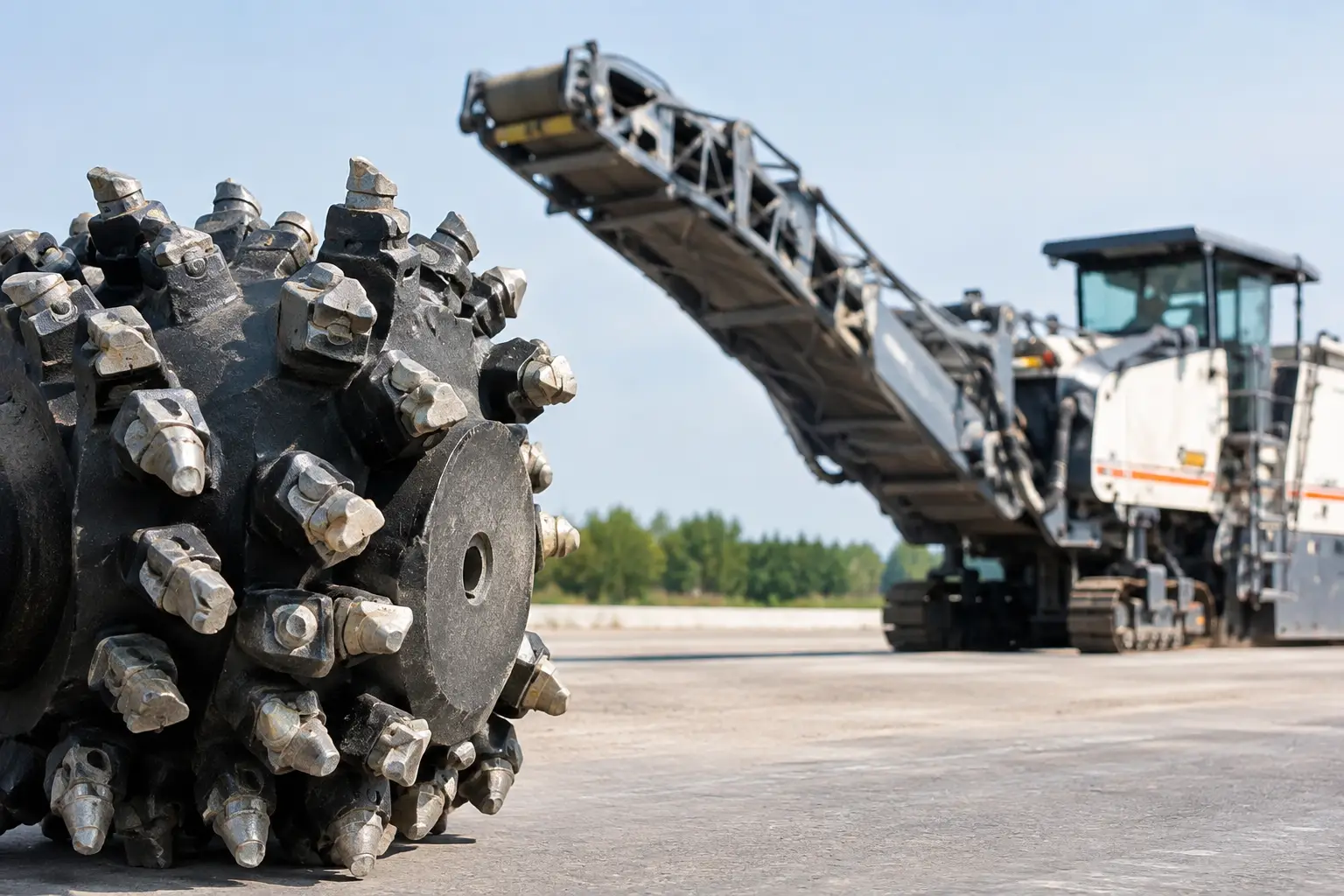
A milling machine can remove thousands of square yards in a shift, but the cutter system determines whether that production is profitable. The best blades for asphalt milling are not simply the hardest or lowest-cost options. They are the cutters, teeth, or milling tools matched to the machine, drum configuration, asphalt condition, and required finish.
For contractors, rental fleets, and tool distributors, an incorrect cutter choice creates familiar problems: slow advance rates, excessive fuel use, uneven texture, premature holder damage, and avoidable machine downtime. Procurement decisions should therefore start with the application, not a catalog image or a price per piece.
First, Define What “Blade” Means in Asphalt Milling
In roadwork, the term blade is often used broadly. Most cold milling machines use carbide-tipped milling teeth installed in tool holders around a rotating drum. These cutters fracture and remove asphalt as the drum turns. A few specialized surface-preparation machines may use cutter assemblies, flails, or milling heads that buyers also call blades.
This distinction matters. Diamond saw blades are designed to cut through asphalt along a controlled line. Milling cutters are designed for continuous impact, abrasion, and material removal across a road surface. A saw blade may be the right tool for joint cutting, trench work, or pavement sectioning, but it is not a substitute for a road-milling tooth.
Before requesting a quotation, identify the equipment type, drum model, cutter holder style, cutter shank dimensions, and the surface being removed. A supplier that cannot verify these details is unlikely to provide a reliable replacement program.
What Makes the Best Blades for Asphalt Milling?
The best milling cutters balance penetration, wear life, and surface quality. That balance changes with the job. A coarse drum working on thick pavement removal needs a different cutter setup from a fine-milling drum preparing a surface for a thin overlay.
Carbide Grade and Tip Geometry
The carbide tip does the primary cutting work. Its grade affects the trade-off between hardness and toughness. A harder carbide grade generally improves abrasion resistance in clean, abrasive asphalt, but may be more prone to chipping under high impact. A tougher grade can better tolerate broken pavement, embedded aggregate, and variable substrates, though it may wear faster in highly abrasive material.
Tip geometry also affects performance. A pointed or more aggressive tip can improve penetration in hard material, while a broader profile may support a more controlled cut and longer contact area. There is no universal best geometry. The correct choice depends on aggregate hardness, pavement age, milling depth, and machine power.
For buyers supplying multiple contractors, it is often practical to stock a standard all-purpose cutter for normal asphalt removal and a separate heavy-duty option for abrasive, damaged, or mixed-material pavement. This reduces the risk of forcing one product into every application.
Steel Body Quality and Brazing Strength
A milling cutter works under repeated shock loads. The steel body must resist deformation, while the carbide-to-body joint must remain secure through heat, vibration, and impact. Weak brazing is a serious failure point. Once the carbide tip is lost, the remaining steel body can damage the holder, reduce milling efficiency, and leave an inconsistent surface.
Evaluate how the carbide is secured and what process controls are used during production. Consistent heating, correct filler material, controlled joint preparation, and inspection procedures all influence bond integrity. This is especially relevant for bulk buyers, because a single unstable production batch can affect many machines and projects.
The cutter body should also have a finish and profile that allow proper rotation in the holder. Rotation distributes wear around the shank and body. If a cutter seizes, it develops a flat wear pattern, loses its cutting profile, and can become difficult to remove during maintenance.
Shank Fit and Holder Compatibility
A premium cutter with the wrong shank tolerance is not a premium product. The shank must fit the holder correctly to rotate freely while remaining secure under load. Excessive clearance accelerates holder wear and causes instability. An overly tight fit can prevent rotation and make field replacement difficult.
Buyers should confirm shank diameter, shank length, retaining method, and holder system before ordering. Do not assume that cutters with similar external appearances are interchangeable. Variations between machine brands, drum generations, and holder designs can be significant.
If a fleet has multiple milling machines, organize purchasing by machine and drum configuration rather than placing all cutters under one generic item code. This improves warehouse control and prevents costly fitting errors at the jobsite.
Match the Cutter to the Milling Objective
Asphalt condition changes cutter requirements more than many purchasing teams expect. Fresh asphalt with relatively soft binder cuts differently from oxidized pavement with hard aggregate exposure. Reclaimed areas may include patches, utility cuts, concrete contamination, or embedded debris that raise impact risk.
For standard full-depth or partial-depth asphalt removal, a general-purpose carbide-tipped cutter is often the commercial baseline. It should provide stable rotation, dependable carbide retention, and predictable wear rather than exceptional performance in only one narrow condition.
For fine milling, surface texture becomes a priority. Fine-milling drums use more closely spaced cutters to create a smoother profile for overlay placement. Here, consistent cutter dimensions and reliable wear behavior are critical. Uneven cutter wear can affect surface uniformity and increase the need for corrective work.
For abrasive pavement or high-volume work, a heavy-duty cutter may justify its higher unit cost. The relevant calculation is not the purchase price alone. Compare cost per operating hour, cost per ton removed, changeout frequency, and the effect of downtime on the crew schedule. A lower-cost cutter that requires frequent replacement can become the more expensive option before the project is finished.
Evaluate Wear Patterns, Not Just Cutter Life
Cutter life is useful only when measured against the same material and operating conditions. A supplier claim of long life has limited value without information about the asphalt mix, aggregate, machine size, milling depth, water use, and operator practices.
Field wear patterns provide better purchasing data. Normal wear is gradual and reasonably uniform across the carbide and steel body. Abnormal wear signals a setup or product issue. Common examples include broken carbide tips, flat-sided bodies from non-rotation, excessive shank wear, mushroomed cutter heads, and localized failure on one side of the drum.
When wear is inconsistent, inspect the entire system. Worn holders, damaged retaining clips, poor water flow, incorrect drum speed, excessive machine advance, and debris in the pavement can all shorten cutter life. Replacing cutters without correcting the root cause only repeats the cost.
For distributors and large contractors, retain a small sample from each batch and record field feedback by application. This creates useful evidence for future purchasing and makes it easier to identify whether an issue is related to material conditions, machine maintenance, or manufacturing consistency.
Supplier Controls Matter in Bulk Purchasing
For a one-time purchase, a few cutters that perform well may appear sufficient. For a distributor, rental company, or contractor with ongoing demand, consistency between deliveries is more important. The product must fit the same holders, wear at a predictable rate, and arrive with the agreed specifications each time.
A capable manufacturing supplier should be able to discuss carbide grade, body material, brazing process, dimensions, packing method, and batch inspection. They should also be prepared to support OEM or private-label requirements where needed. Standardized packaging, traceable lot control, and clear item identification help prevent warehouse confusion and simplify claims handling.
Ask for application details before finalizing a bulk order. Useful information includes machine brand and model, drum type, asphalt thickness, aggregate type, expected operating hours, and whether the work involves standard, fine, or heavy-duty milling. This allows the supplier to recommend a practical cutter specification instead of offering a generic replacement.
Build a Replacement Strategy, Not Just a Purchase Order
Milling productivity depends on having replacement cutters available before the drum is visibly underperforming. Waiting until a large number of cutters fail increases load on the remaining tools and can accelerate holder damage. Planned inspections and staged replacement protect both output and equipment condition.
Keep compatible holders, retaining hardware, and removal tools available with the cutter inventory. A cutter cannot perform correctly in a worn or seized holder. For high-production crews, a documented replacement interval based on measured field wear is more reliable than replacing tools only when the machine begins to slow down.
The strongest purchasing decision is usually the one built on actual job data: correct fit, stable carbide retention, predictable wear, and a supplier that can repeat the specification at scale. Select the cutter system that protects production across the full paving season, not just the one that produces the lowest initial line-item price.