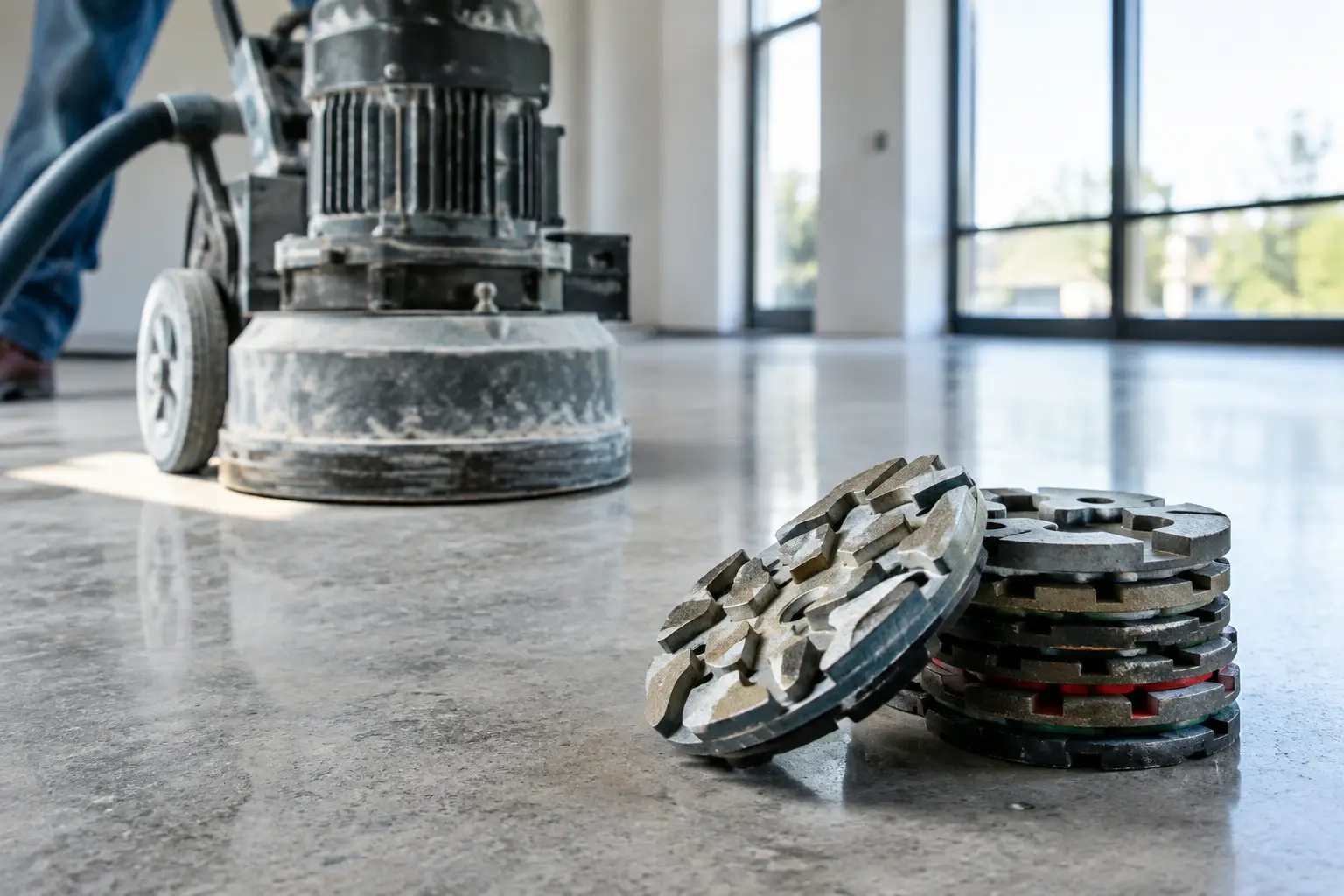
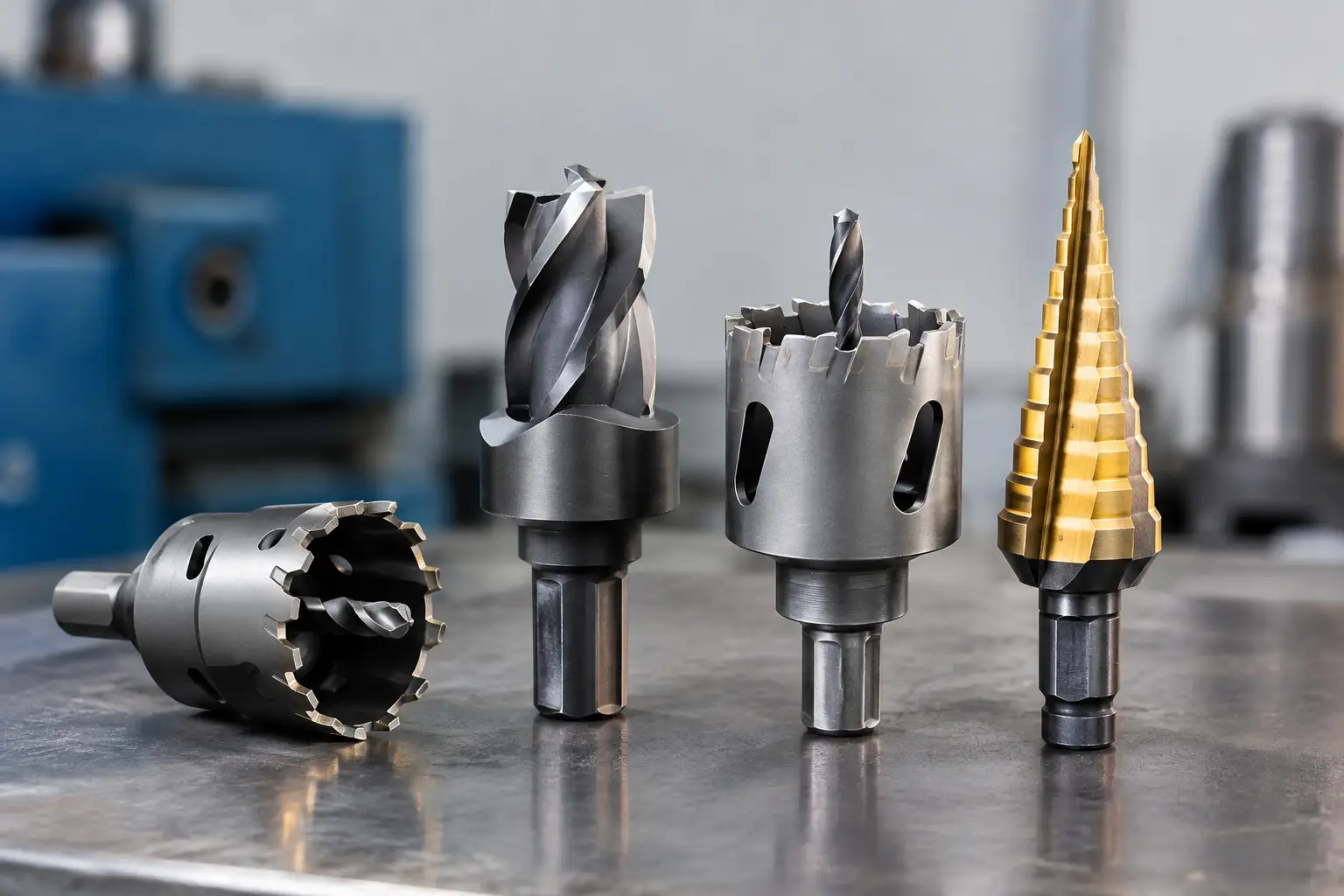
A hole opener that runs true on the first job but loses its diamond exposure halfway through a commercial order is not a cost-saving tool. It creates delays, inconsistent hole diameters, and unnecessary replacement purchases. The best hole opener bits are selected for the material, required enlargement range, machine connection, and expected production volume - not simply by outside diameter or lowest unit price.
For distributors, contractors, and procurement teams, the selection process should focus on repeatable drilling performance. A dependable hole opener must enlarge an existing hole efficiently while maintaining control, clearing slurry, and resisting premature segment wear. This is particularly important in concrete, reinforced concrete, hard masonry, stone, and abrasive building materials, where the wrong bond or segment design can quickly reduce drilling speed.
What Makes the Best Hole Opener Bits Different
A hole opener bit enlarges a pre-drilled pilot hole to a larger diameter. Unlike a standard core bit that begins drilling from a flat surface, the opener relies on the existing hole to guide the tool. That changes the working conditions. The bit must stay concentric with the pilot hole, manage side loading, and keep the cutting edge sufficiently exposed as material is removed.
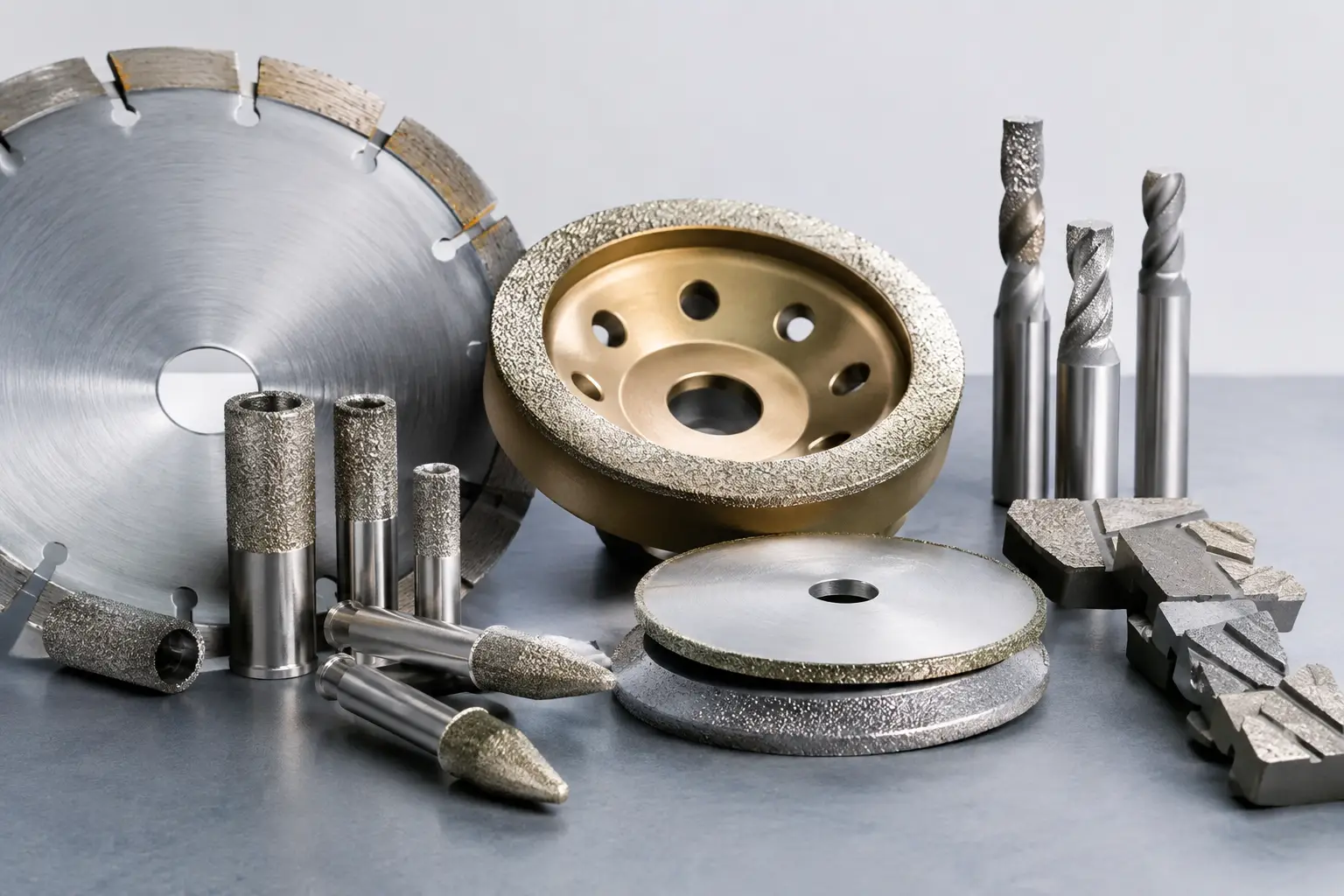
The best hole opener bits combine a stable steel body with a diamond cutting system matched to the application. For industrial work, the cutting edge is usually made with diamond segments or vacuum-brazed diamond. Segment height, diamond concentration, bond hardness, and segment layout all affect the result. A bit designed for dense reinforced concrete needs a different balance from one intended for block, brick, limestone, or abrasive sandstone.
Tool quality is also visible in the details that are easy to overlook during a quotation review. Accurate body machining helps prevent runout. Secure segment attachment reduces the risk of segment loss under heat and load. Proper water channels improve cooling and slurry removal. These factors determine whether a hole opener performs consistently through a batch of jobs or becomes a source of field complaints.
Match the Bit to the Material Before the Diameter
Diameter is essential, but it should not be the first specification discussed. The parent material has greater influence on cutting speed and service life.
For reinforced concrete, select a hole opener with a segment formulation that can tolerate intermittent contact with rebar without glazing or excessive vibration. A balanced bond is required: too hard, and the diamonds remain buried; too soft, and the segments wear away before the job is complete. Reinforced concrete applications also benefit from effective water delivery because steel contact and dense aggregate increase heat.
For cured concrete without heavy reinforcement, a more speed-oriented segment can be appropriate. The goal is to expose new diamond efficiently while preserving enough wear resistance for commercial drilling cycles. In abrasive concrete or aggregate-rich materials, a harder-wearing configuration often provides better cost per hole, even if the initial drilling speed is slightly lower.
Masonry presents a different challenge. Brick, block, and soft stone may cut quickly, but hollow cavities and changing material density can cause chatter if the bit lacks stability. A well-made opener body and appropriately spaced cutting segments help the operator maintain a clean, round enlargement. For granite and engineered stone, diamond quality and bond control are critical because hard, dense surfaces can polish an unsuitable segment.
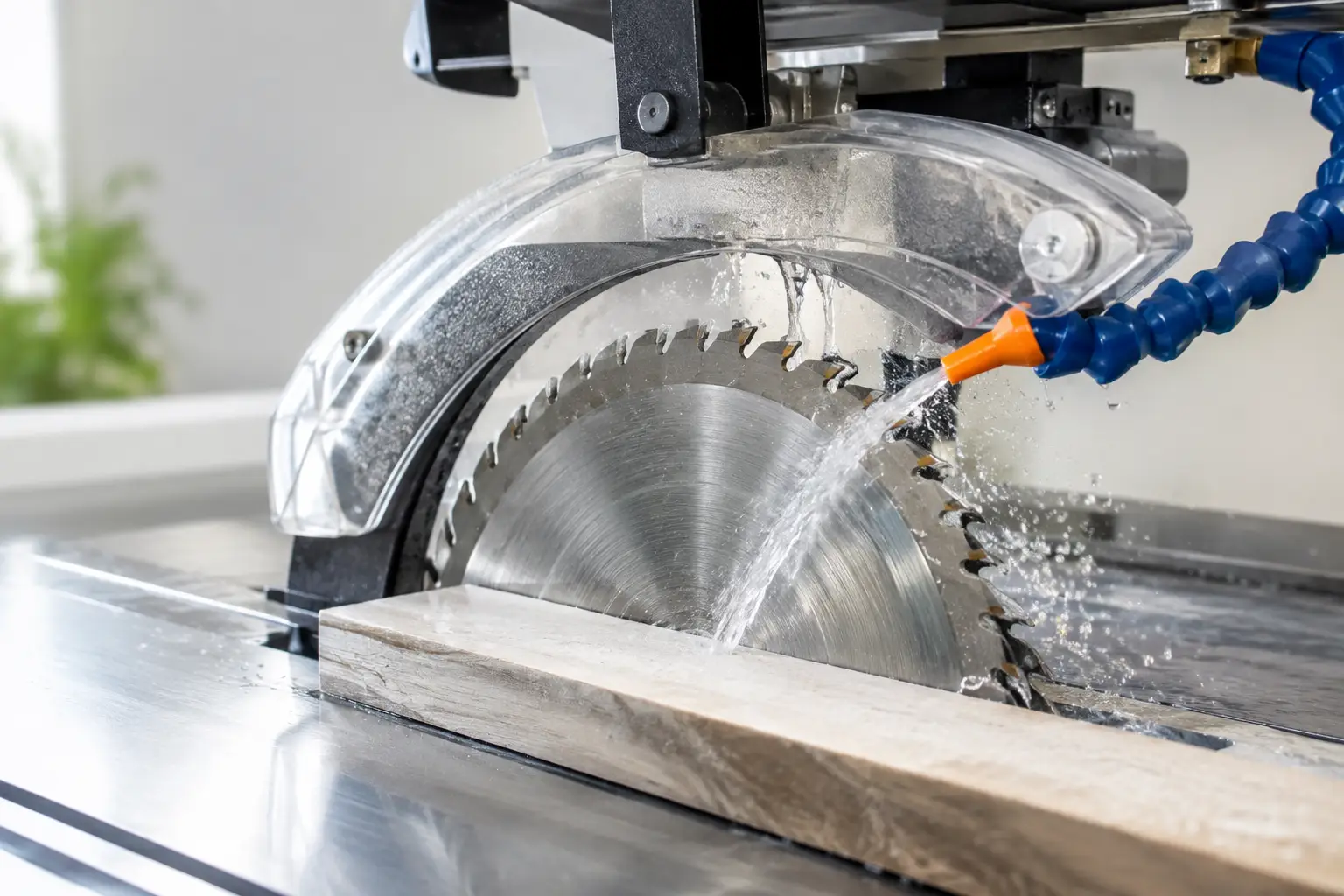
Dry drilling may be practical for limited masonry work when the bit is specifically designed for it, but wet drilling is generally the better choice for continuous industrial use. Water lowers segment temperature, controls dust, improves diamond life, and carries cutting debris away from the work zone.
Choose the Right Cutting Technology
Diamond segment hole openers and vacuum-brazed diamond hole openers each have a place in a professional product range. The correct choice depends on the material, operating method, and buyer's performance target.
Laser-welded segmented designs are widely used for demanding concrete and masonry drilling. Laser welding provides a strong attachment between the diamond segment and steel barrel, supporting reliable performance under wet drilling conditions and sustained load. The segmented structure also creates channels for cooling and slurry evacuation.
Vacuum-brazed designs use exposed diamond particles across the cutting surface. They can provide aggressive initial cutting in suitable materials and are often valuable for applications where fast surface engagement is needed. However, they are not automatically the right answer for every concrete enlargement job. Their suitability depends on the abrasive characteristics of the material, heat generation, and whether the application is dry or wet.
Procurement teams should ask suppliers to define the intended material range rather than accepting broad claims such as universal concrete use. A product that performs acceptably across many materials may not deliver the lowest operating cost in the buyer's primary application. For a distributor program, it is often more effective to stock distinct specifications for reinforced concrete, general masonry, and hard stone than to rely on one compromise product.
Connection, Pilot Size, and Machine Compatibility
A high-quality hole opener cannot compensate for an incorrect connection or an unstable drilling setup. Before placing a bulk order, confirm the thread type, adapter requirement, usable drilling depth, and compatible drill motor capacity. Common connections vary by market and equipment class, and a mismatch can delay work even when the cutting tool itself is correct.
The pilot hole size must also be specified precisely. The opener's inside guidance dimension needs to match the existing core hole closely enough to keep the tool centered, while still allowing smooth rotation and water flow. Too much clearance increases runout and vibration. Too little clearance can cause binding, especially if the pilot hole is uneven or contains debris.
Consider wall thickness as well. Long barrel configurations may be necessary for thick slabs, walls, or foundation work, but added length changes the tool's stiffness and loading behavior. A longer opener requires good body concentricity and suitable machine support. Operators should avoid forcing the tool, since excessive feed pressure can damage segments, overload the drill motor, or enlarge the hole out of round.
Evaluate Performance by Cost per Hole
Unit price is a poor standalone measure for industrial diamond tools. A lower-priced hole opener may drill fewer holes, cut more slowly, require frequent dressing, or fail under rebar contact. The result is a higher total job cost even if the purchase order appears favorable.
A practical evaluation compares average drilling time, number of completed holes, segment wear, hole accuracy, and failure rate. For distributors, field testing should include the materials most common in the intended market. GCC construction work, for example, may involve heavily reinforced structural concrete, dense blockwork, and high ambient temperatures. A tool tested only in light masonry may not represent actual site conditions.
Consistency between production batches matters as much as a strong sample result. Buyers should look for a manufacturer with controlled raw-material selection, defined welding procedures, dimensional inspection, and traceable quality checks. Stable performance protects the distributor's reputation and allows contractors to forecast tool consumption with more confidence.
Specify Hole Openers for Bulk Supply
For wholesale purchasing, clear specifications reduce avoidable disputes after delivery. The order should define outside diameter, inside guidance diameter, working length, barrel thickness where relevant, segment type, bond application, connection, and packaging requirements. If private labeling is required, confirm logo placement, carton artwork, barcode needs, and batch identification before production begins.
It is also useful to separate standard stock items from application-specific products. Standard diameters with common connections can support faster replenishment, while custom wall thicknesses, unusual pilot dimensions, or specialized bond formulas may require planned production lead times. This approach helps importers maintain an efficient inventory without sacrificing technical coverage.
Ryhyoma supports B2B buyers with hole opener specifications built around material application, stable production quality, and OEM or ODM requirements. The most productive supplier relationship is not based on a single low quotation. It is based on agreeing on the performance standard, testing it in real conditions, and maintaining that standard across every shipment.
A hole opener should earn its place in a professional inventory by producing accurate enlarged holes, predictable wear, and dependable results under the materials crews actually drill. Start with the application, confirm the machine and pilot-hole details, then purchase the specification that delivers the most reliable cost per completed hole.