
The Ultimate Guide to Diamond Cutting Blades: Precision and Durability in Every Cut
When it comes to cutting through hard materials such as concrete, granite, asphalt, and metal, traditional cutting tools often fall short. This is where diamond cutting blades come into play. Renowned for their exceptional strength, precision, and durability, diamond blades have revolutionized the way professionals and DIY enthusiasts approach tough cutting jobs.
At the core of their design are industrial-grade diamonds embedded in the blade’s edge, allowing for superior performance. Whether you are working in construction, renovation, or metalworking, understanding the functionality, types, and benefits of diamond cutting blades is essential. In this blog post, we provide an in-depth look at diamond cutting blades and explain why they are the go-to tool for demanding cutting applications.
What Are Diamond Cutting Blades?
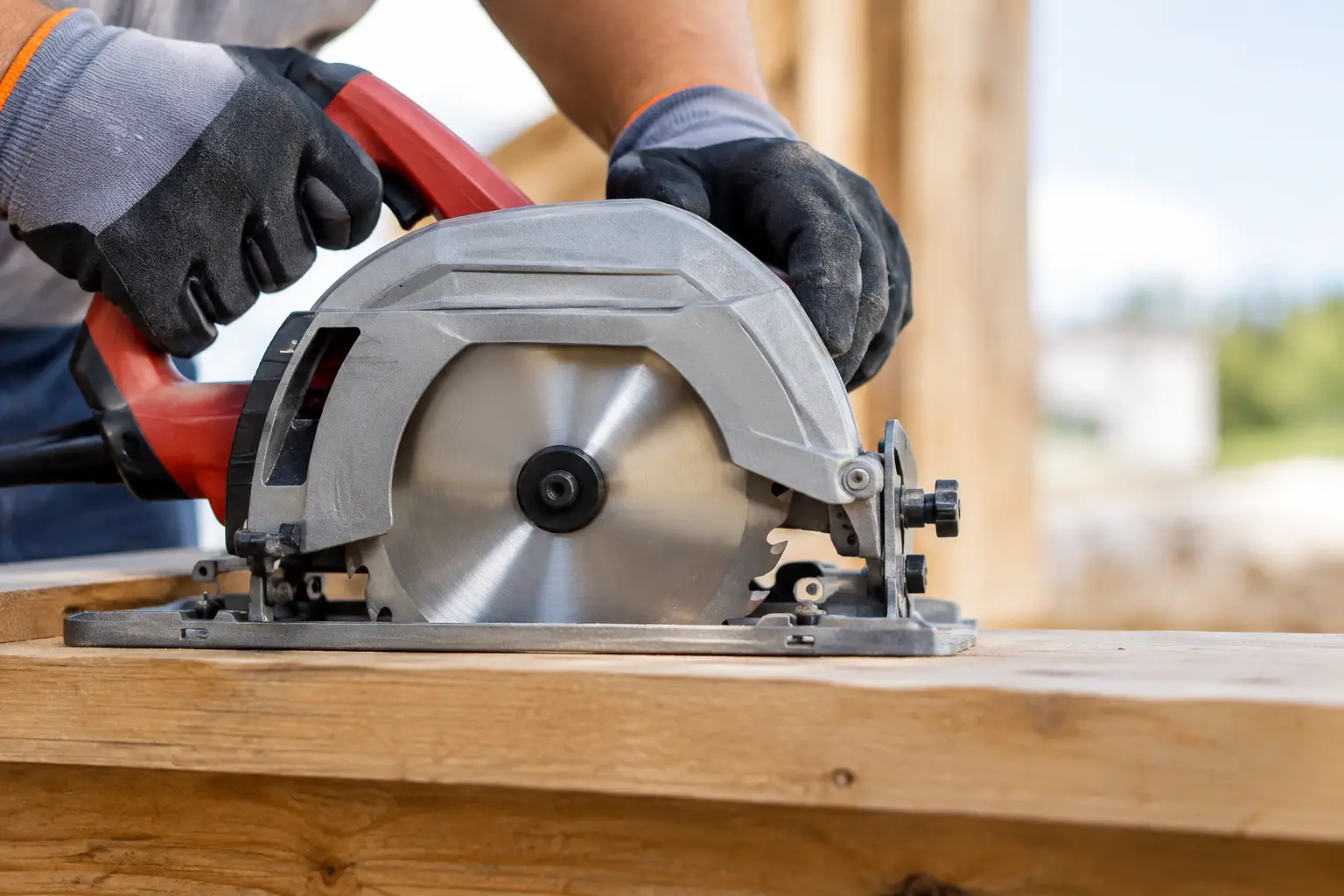
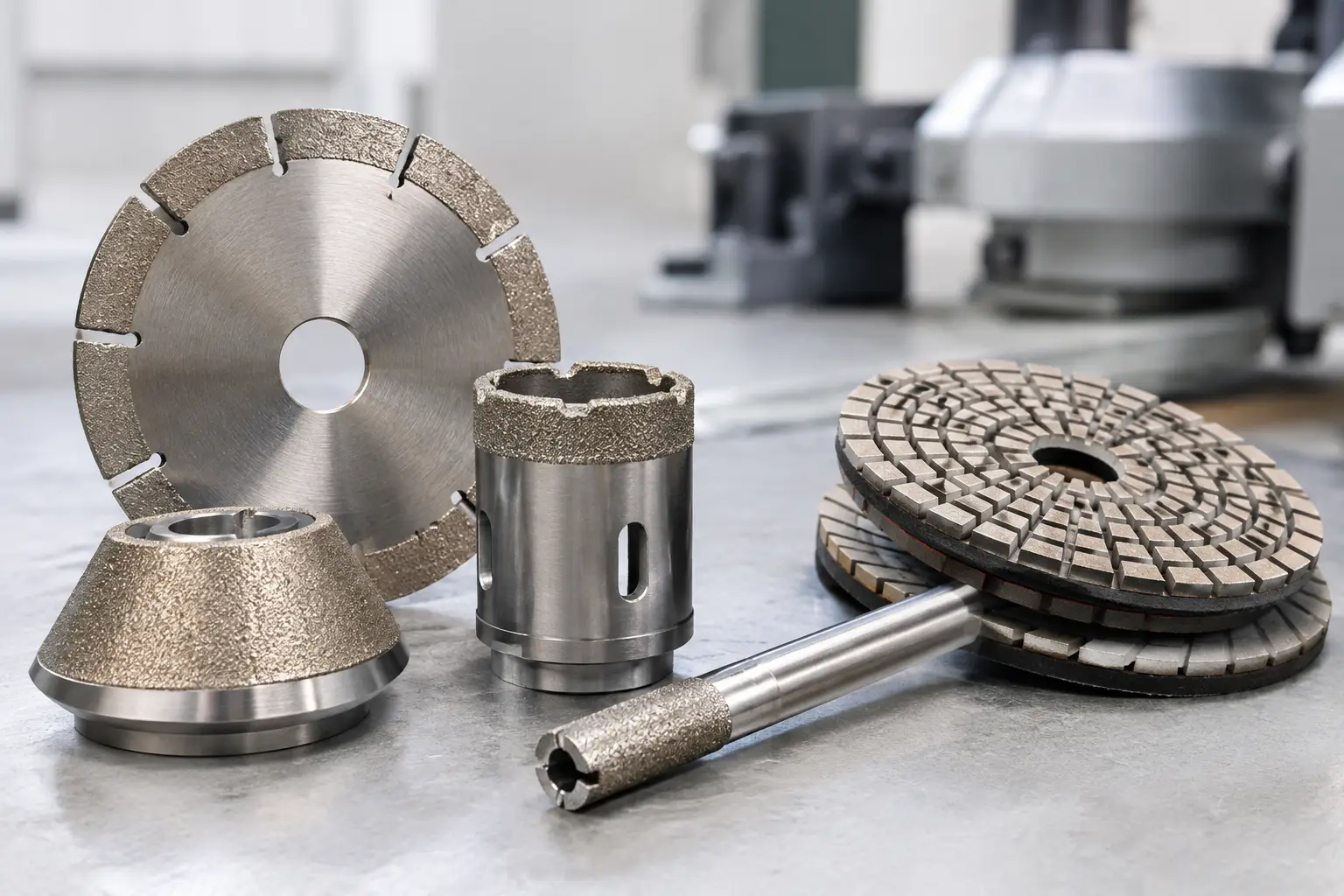
Diamond cutting blades are circular cutting tools that feature a steel core embedded with diamond particles. These diamonds, known for their exceptional hardness, allow the blade to efficiently cut through the toughest materials with minimal wear and tear. The design of a diamond blade typically includes a series of cutting segments or a continuous rim, both of which are coated with diamonds to ensure maximum cutting efficiency.
The diamonds on the blade’s edge do not just cut the material—they grind, slice, and abrade the surface, providing a faster, smoother, and more efficient cutting process. The ability to cut through hard materials with ease makes diamond blades the preferred choice for a wide range of industries.
Why Choose Diamond Cutting Blades?
Diamond cutting blades are favored for several reasons, particularly their superior performance compared to conventional blades. Below are some of the key advantages of using diamond cutting blades:
1. Unmatched Durability
Diamond blades are designed to withstand the high temperatures and pressures generated during cutting. The diamonds on the blade’s surface are incredibly hard, which means they remain sharp for a much longer period compared to other types of cutting blades. This durability ensures that diamond blades can handle repeated use over an extended period, making them a cost-effective choice for professional applications.
2. Efficient Cutting Performance
The cutting efficiency of diamond blades is unparalleled. Due to their hardness, they are capable of cutting through even the toughest materials like granite, marble, concrete, and asphalt with minimal effort. This efficiency allows for faster project completion times, which is essential in high-demand industries such as construction and manufacturing.
3. Precision and Smooth Cuts
One of the main reasons diamond cutting blades are preferred for precision cutting is the smoothness of the cuts they produce. Traditional cutting tools often leave rough edges or require additional finishing, but diamond blades offer clean, sharp cuts with minimal chipping or cracking. This precision is particularly important in industries where the quality of the cut is crucial, such as stonework or tile cutting.
4. Versatility
Diamond cutting blades are incredibly versatile. Available in a range of sizes and designs, these blades can be used on a wide variety of materials, including stone, concrete, metal, ceramic, and even asphalt. Additionally, diamond blades can be used for both wet and dry cutting, depending on the application. Wet cutting uses water to cool the blade, reduce dust, and extend its life, while dry cutting is suitable for tasks that require faster operation or where water is not available.
5. Lower Maintenance and Reduced Costs
Due to their longer lifespan and reduced wear compared to traditional blades, diamond cutting blades require less frequent replacement. This reduces overall maintenance costs and enhances the efficiency of your operation, whether you’re working on a construction site or in a fabrication shop. Over time, the higher initial investment in a diamond blade is offset by the reduced frequency of replacement.
Types of Diamond Cutting Blades
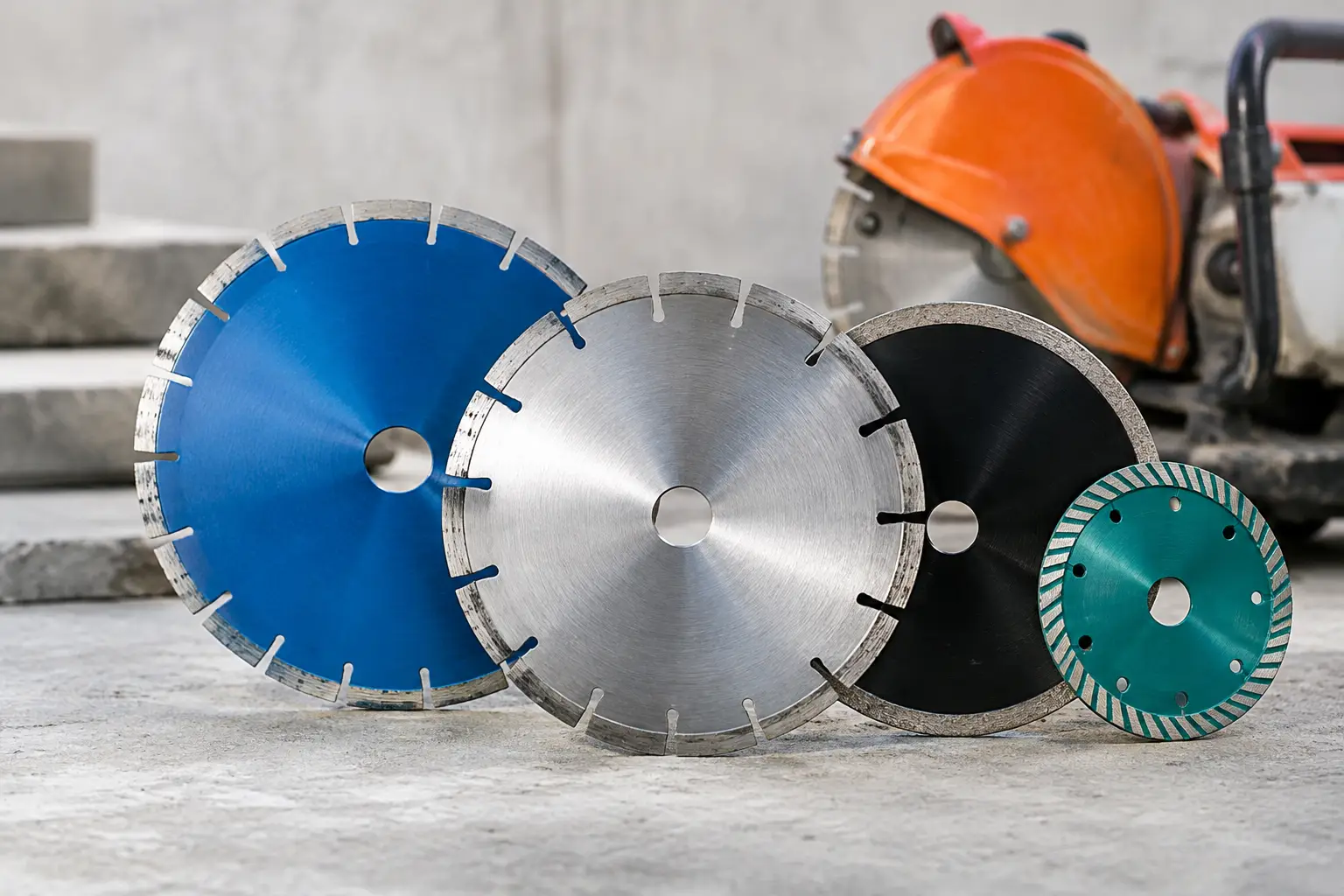
Diamond cutting blades are available in various types, each designed for specific applications. The following are the most common types of diamond blades:
1. Continuous Rim Blades
Continuous rim diamond blades feature a smooth, uninterrupted edge and are ideal for cutting hard, brittle materials such as ceramic tiles, granite, and marble. The smooth rim reduces chipping and ensures precise, clean cuts, making them perfect for applications where the quality of the finish is important.
Ideal for:
- Tile cutting
- Granite and marble countertops
- Precision stonework
2. Segmented Blades
Segmented diamond blades have a series of individual segments along the cutting edge, each embedded with diamonds. These blades are designed for fast cutting and are typically used for tougher materials, such as concrete, asphalt, and brick. The gaps between the segments allow for efficient debris removal and help prevent overheating, which improves performance during dry cutting.
Ideal for:
- Concrete and asphalt cutting
- Masonry work
- Heavy-duty construction applications
3. Turbo Blades
Turbo diamond blades are a hybrid of continuous rim and segmented blades, combining the smooth cutting capabilities of a continuous rim with the faster cutting speed of segmented blades. Turbo blades are often used for cutting through hard materials like granite and concrete, and they are particularly useful for high-speed cutting applications.
Ideal for:
- Fast cutting of hard materials
- Asphalt and concrete
- General-purpose construction tasks
4. Wet Cutting Blades
Wet cutting diamond blades are specifically designed for use with water, which helps cool the blade, reduce dust, and increase the blade’s lifespan. These blades are often used in heavy-duty applications where the material being cut generates significant heat. The water acts as a coolant, making the cutting process more efficient and reducing the risk of overheating.
Ideal for:
- Concrete cutting
- Stone cutting
- Any application requiring heat dissipation
5. Dry Cutting Blades
Dry cutting diamond blades are designed for use in dry conditions, where water is not available or practical. These blades are often used for lighter cutting tasks and are perfect for quick cuts in materials such as tile or stone. While they may not last as long as wet cutting blades in heavy-duty applications, they offer the convenience of dry cutting without the need for additional equipment.
Ideal for:
- Tile cutting
- Light masonry work
- Smaller jobs or repairs
Choosing the Right Diamond Cutting Blade for Your Needs
Selecting the right diamond cutting blade depends on several factors, including the material being cut, the desired cutting speed, and whether the cutting will be performed wet or dry. Here are some key considerations when choosing a diamond blade:
1. Material Type
The material you are cutting is the most important factor in selecting the right blade. For instance, if you are cutting through concrete or masonry, a segmented blade would be most effective. If you are working with tiles or granite, a continuous rim blade is the better choice for clean, smooth cuts.
2. Cutting Method
Whether you choose wet or dry cutting will also influence your blade selection. Wet cutting blades are more suitable for heavy-duty cutting and help prolong the lifespan of the blade, whereas dry cutting blades are faster and more convenient but typically have a shorter lifespan.
3. Blade Size
The size of the blade should match the requirements of your saw and the thickness of the material being cut. Ensure the blade size is compatible with the equipment you are using to ensure optimal performance and safety.
Conclusion
Diamond cutting blades offer unmatched precision, speed, and durability, making them the ideal tool for cutting hard materials like granite, concrete, metal, and more. By understanding the different types of diamond blades and their specific applications, you can choose the right blade for your project needs, ensuring efficiency, clean cuts, and long-lasting performance.
Whether you are a professional contractor or a DIY enthusiast, investing in high-quality diamond cutting blades will enhance your cutting capabilities and ensure superior results in every project. At [Your Company Name], we offer a wide selection of diamond cutting blades for various applications, ensuring that you have access to the best tools for your specific cutting needs.