When it comes to cutting metal, using the right tools is crucial to achieving clean, precise, and safe results. A Metal Cutting Blade for Chop Saw is one such tool that stands out for its efficiency and versatility. Whether you're working in construction, automotive repair, metalworking, or general fabrication, understanding how to choose and use a metal cutting blade for a chop saw can make a significant difference in the quality of your work.
This guide will explore the key features of metal cutting blades designed for chop saws, their benefits, and how to optimize their use for maximum performance.
What is a Metal Cutting Blade for Chop Saw?
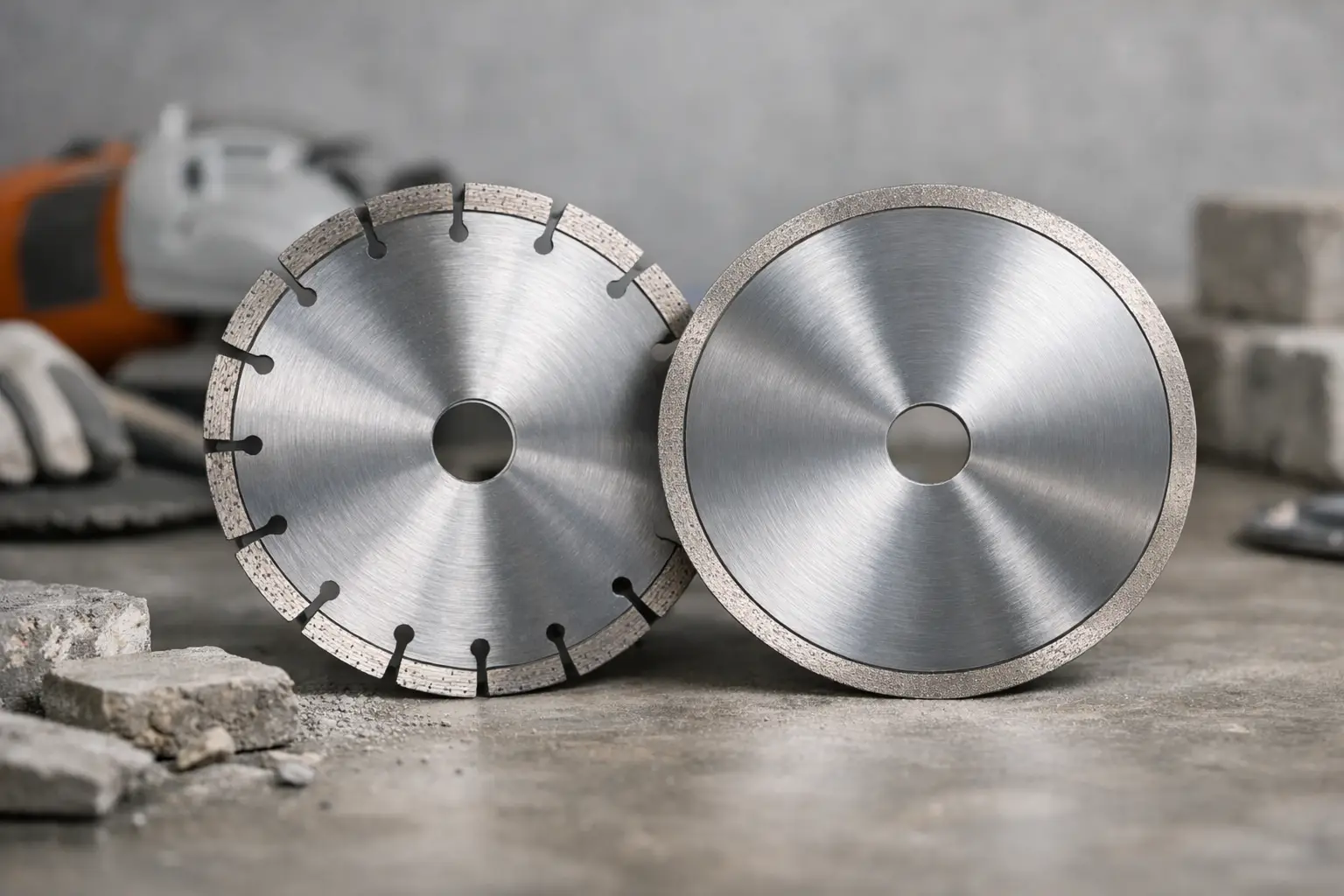
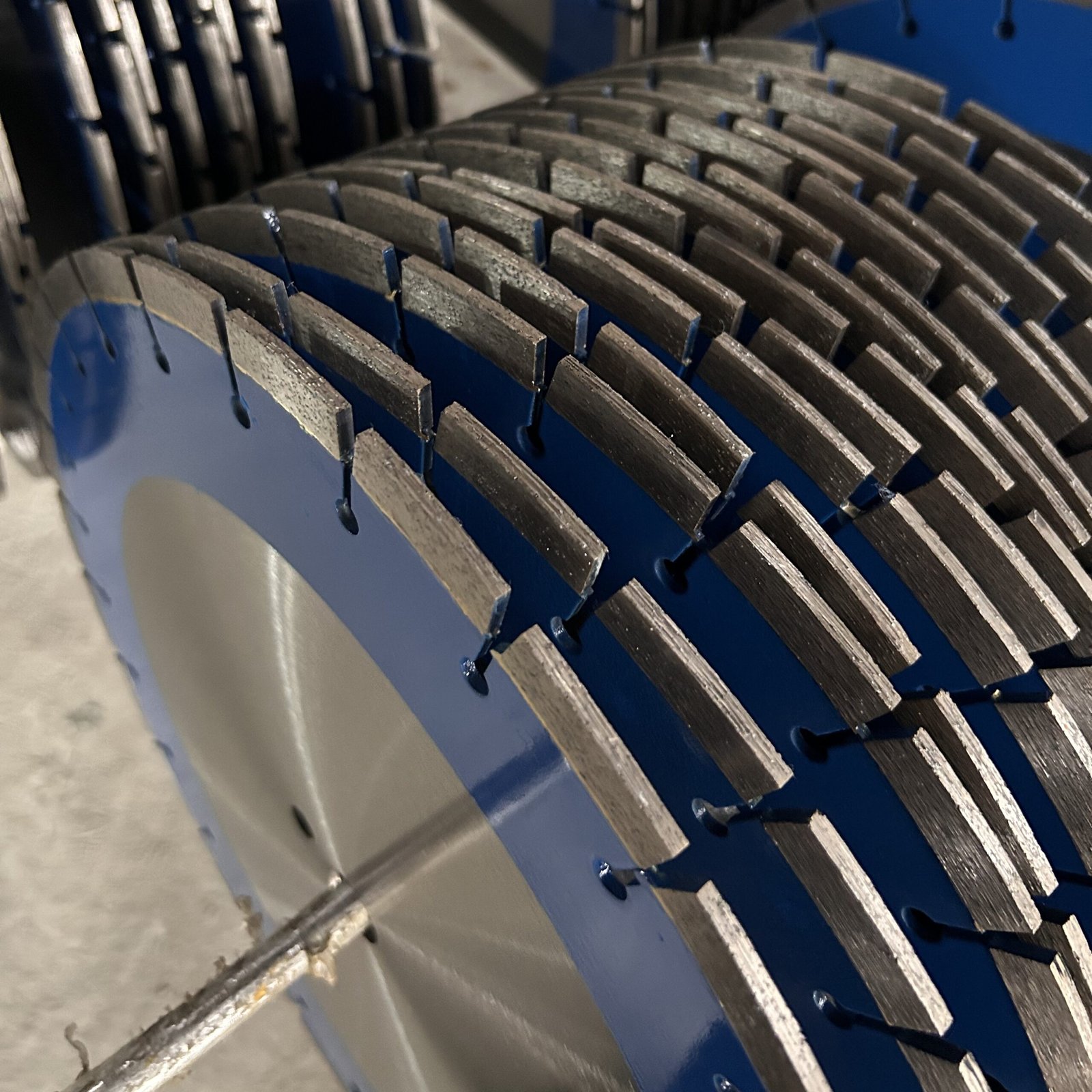
A metal cutting blade for chop saw is a specially designed circular saw blade engineered to cut through a wide range of metals, such as steel, aluminum, copper, and other ferrous and non-ferrous materials. Unlike traditional wood-cutting blades, these metal blades feature a unique tooth design and high-quality materials, allowing them to withstand the higher levels of heat and pressure generated when cutting metal.
A chop saw, also known as a miter saw or cut-off saw, is typically used for making precise cuts on various materials, including metals. The metal cutting blade for a chop saw is specifically designed to optimize the saw’s performance when cutting through tough metal materials while ensuring safety, accuracy, and clean edges.
Key Features of Metal Cutting Blades for Chop Saws
- Tooth Design and Geometry: The tooth design of a metal cutting blade is fundamentally different from that of a wood-cutting blade. Metal cutting blades typically feature carbide-tipped teeth or high-speed steel (HSS) teeth that are specifically shaped to handle the hardness of metals. The teeth are usually arranged with a lower hook angle and a broad face to efficiently shear through metal while minimizing burr formation and ensuring a smooth cut.
- Material Composition: Metal cutting blades are constructed using high-carbon steel, carbide, or tungsten carbide, which are materials that offer superior hardness, durability, and resistance to wear. These materials enable the blade to withstand the stresses and high temperatures that occur when cutting through dense metal materials. Carbide-tipped blades are particularly effective for heavy-duty metal cutting due to their superior ability to maintain sharpness over extended periods.
- Heat Resistance and Coatings: Metal cutting blades for chop saws often feature heat-resistant coatings that reduce friction during the cutting process. This not only helps to maintain a cooler blade temperature but also increases the lifespan of the blade by minimizing wear. Some blades are coated with anti-friction coatings that reduce heat buildup, preventing the blade from overheating and ensuring smoother cuts.
- Blade Thickness: Metal cutting blades are typically thicker than their wood-cutting counterparts, allowing them to handle the high demands of metal cutting. The thickness of the blade helps maintain its integrity under high pressure, and the added rigidity contributes to improved accuracy during the cutting process.
- Vibration Reduction: Many high-quality metal cutting blades are designed with vibration-dampening features. These blades are engineered to reduce vibration, which not only improves the precision of the cut but also minimizes noise, contributing to a safer and more comfortable working environment.
Advantages of Using a Metal Cutting Blade for Chop Saw
- Versatility in Cutting Metal: One of the most significant benefits of using a metal cutting blade for a chop saw is its ability to cut a wide range of metals. Whether you need to cut mild steel, stainless steel, aluminum, copper, or brass, these blades can efficiently handle various materials, making them suitable for numerous applications, from construction to metalworking.
- Clean, Burr-Free Cuts: When cutting metal, achieving clean edges is essential for both aesthetic purposes and ensuring proper fitment in subsequent stages of a project. A metal cutting blade for chop saws is specifically designed to produce burr-free and smooth cuts. This reduces the need for post-processing work such as grinding or deburring, saving both time and effort.
- Enhanced Cutting Efficiency: Metal cutting blades for chop saws are optimized to cut through metal quickly and efficiently. This speed allows for greater productivity, especially in professional environments where time is a critical factor. Compared to alternative methods of cutting metal, such as using grinders or saws, a chop saw with a metal cutting blade offers faster and more accurate cuts.
- Reduced Heat Generation: Excessive heat can dull blades quickly and damage the material being cut. Metal cutting blades for chop saws are specifically designed to generate less heat during operation, which helps prevent overheating and reduces the risk of warping the metal. The use of heat-resistant coatings and advanced tooth geometry ensures that the blade remains cool during operation.
- Safety: Cutting metal can be dangerous due to the potential for sparks, flying debris, and the high force exerted during the cutting process. A metal cutting blade for chop saws is designed to reduce the risks associated with these hazards. The enclosed nature of the chop saw and the blade’s specific design help contain sparks and flying metal particles, making metal cutting safer compared to other methods.
Choosing the Right Metal Cutting Blade for Your Chop Saw
Selecting the appropriate metal cutting blade for your chop saw depends on several factors:
- Type of Metal: Different metals have varying hardness levels, and selecting the right blade for the material at hand is critical. For example:
- Steel: Use a high-speed steel (HSS) or carbide-tipped blade.
- Aluminum: Choose a non-ferrous metal blade designed to prevent clogging and provide clean cuts.
- Stainless Steel: Requires a carbide-tipped blade designed for cutting through hard materials.
- Blade Size: Ensure that the metal cutting blade is compatible with the size of your chop saw. Most chop saws accept blades ranging from 7 to 14 inches, so it is essential to verify the blade diameter that fits your saw model.
- Tooth Count: Blades with a higher tooth count tend to produce finer cuts, while blades with fewer teeth are better for faster, rougher cuts. Choose a blade with a tooth count that matches your project’s requirements for both speed and precision.
- RPM Rating: Check the RPM (revolutions per minute) rating of the blade to ensure it matches the specifications of your chop saw. Operating a blade at a higher RPM than recommended can lead to overheating, while using a blade with a lower RPM than needed can reduce cutting efficiency.
Tips for Using a Metal Cutting Blade with a Chop Saw
- Proper Safety Gear: Always wear safety goggles, gloves, and ear protection when cutting metal. Metal cutting generates sparks, sharp debris, and noise, all of which pose potential hazards to your safety.
- Secure the Material: Before making any cuts, securely clamp the metal workpiece to the saw’s base. This prevents the material from shifting during cutting, ensuring more accurate results.
- Allow the Blade to Cool: If you’re cutting through thick or dense metal, take short breaks to allow the blade to cool down. Overheating can damage the blade or the material.
- Regular Maintenance: After each use, clean the blade to remove metal shavings and debris. Regularly inspect the blade for any signs of wear or damage. A dull or damaged blade will not provide optimal cutting performance and may even pose a safety risk.
Conclusion
A metal cutting blade for chop saw is an essential tool for anyone who needs to cut through metal efficiently and accurately. With its specialized tooth design, heat resistance, and versatility, it allows users to achieve clean, burr-free cuts in various metals while minimizing wear and tear on the tool.
By understanding the key features of metal cutting blades, selecting the appropriate blade for the material at hand, and following best practices for use and maintenance, you can significantly enhance your cutting efficiency and safety during metalworking projects.
Whether you're in construction, automotive repair, or DIY metalworking, the right metal cutting blade for your chop saw will provide the precision and reliability you need for superior results.
This blog provides detailed information about metal cutting blades for chop saws, focusing on their features, benefits, and best practices, written in a professional tone that should appeal to both experienced professionals and advanced DIY enthusiasts.