
A hole saw that performs well on the first few holes but slows down, loses diamond exposure, or overheats during a commercial job is not a cost-effective tool. This vacuum brazed hole saw review evaluates the factors that matter to distributors, contractors, and procurement teams: material range, cutting behavior, service life, heat management, and manufacturing consistency.
Vacuum brazed hole saws are designed for fast drilling in demanding hard materials, particularly when a clean opening is needed for pipework, electrical penetrations, fixtures, anchors, and fabrication work. Their value is not simply that they cut hard surfaces. The real question is whether they can deliver repeatable performance across a bulk shipment and under the working conditions of the end user.
What a Vacuum Brazed Hole Saw Does Differently
A vacuum brazed hole saw uses exposed diamond particles bonded to the steel body through a high-temperature vacuum brazing process. Unlike conventional electroplated diamond tools, the diamond grit is held by a stronger metallurgical bond. More of the diamond is exposed at the working surface, allowing the tool to begin cutting aggressively with less dressing time.
This construction is especially useful for hard, abrasive, or mixed materials where a standard carbide hole saw may burn, chatter, or fail to penetrate efficiently. Typical applications include porcelain tile, ceramic tile, granite, marble, engineered stone, masonry, brick, concrete, and some reinforced construction materials.
The trade-off is that no single hole saw is ideal for every job. A vacuum brazed tool built for tile and stone drilling is not automatically the best choice for deep, high-volume reinforced concrete coring. For larger diameters, extended depths, or continuous heavy drilling, a dedicated diamond core bit with the right segment specification may be a better commercial choice.
Vacuum Brazed Hole Saw Review: Cutting Performance
The strongest feature of a well-manufactured vacuum brazed hole saw is its immediate cutting action. The exposed diamond layer bites into hard glazed and dense surfaces quickly, reducing the tendency for the tool to skate across the workpiece. This is particularly valuable on porcelain tile, where a poor starting technique can crack the surface or leave a damaged edge.
Cutting speed depends on more than the diamond coating. The hole saw body must run true, the shank connection must remain stable, and the diamond distribution must be even around the cutting rim. An uneven coating creates inconsistent contact with the material. The result can be vibration, out-of-round holes, localized heat buildup, and premature loss of cutting ability.
For trade buyers, a reliable product should produce controlled, repeatable holes rather than simply demonstrating fast initial drilling in a sample test. When evaluating a supplier, ask whether the cutting performance has been checked across multiple production batches, not only from a single prototype.
Material suitability matters
Vacuum brazed hole saws perform particularly well where installers need versatility. A contractor working on ceramic, porcelain, granite, marble, brick, and light masonry may prefer one high-quality vacuum brazed range rather than carrying several carbide alternatives.
However, material hardness, thickness, aggregate type, reinforcement, and drilling method all affect results. Dense porcelain and engineered stone generate substantial friction. Concrete with hard aggregate requires more attention to speed and cooling. Reinforcement can increase tool wear sharply if the hole saw was not specified for that use.
A supplier should state the intended materials clearly. Broad claims without application limits often create avoidable returns and complaints at the distributor level.
Heat Control Is the Main Test of Service Life
Diamond tools fail early more often from heat and misuse than from a lack of diamond content. Vacuum brazed hole saws are capable of dry drilling in many applications, but dry operation does not mean continuous high-speed drilling without pauses. Excessive heat can discolor the body, weaken the bond, damage the workpiece, and shorten usable tool life.
For hard tile, stone, and dense masonry, operators should begin at an angle or use a guide to establish the cut, then bring the tool perpendicular once it has seated. Moderate pressure is more productive than forcing the hole saw. Periodic withdrawal helps clear dust and allows air to cool the cutting edge.
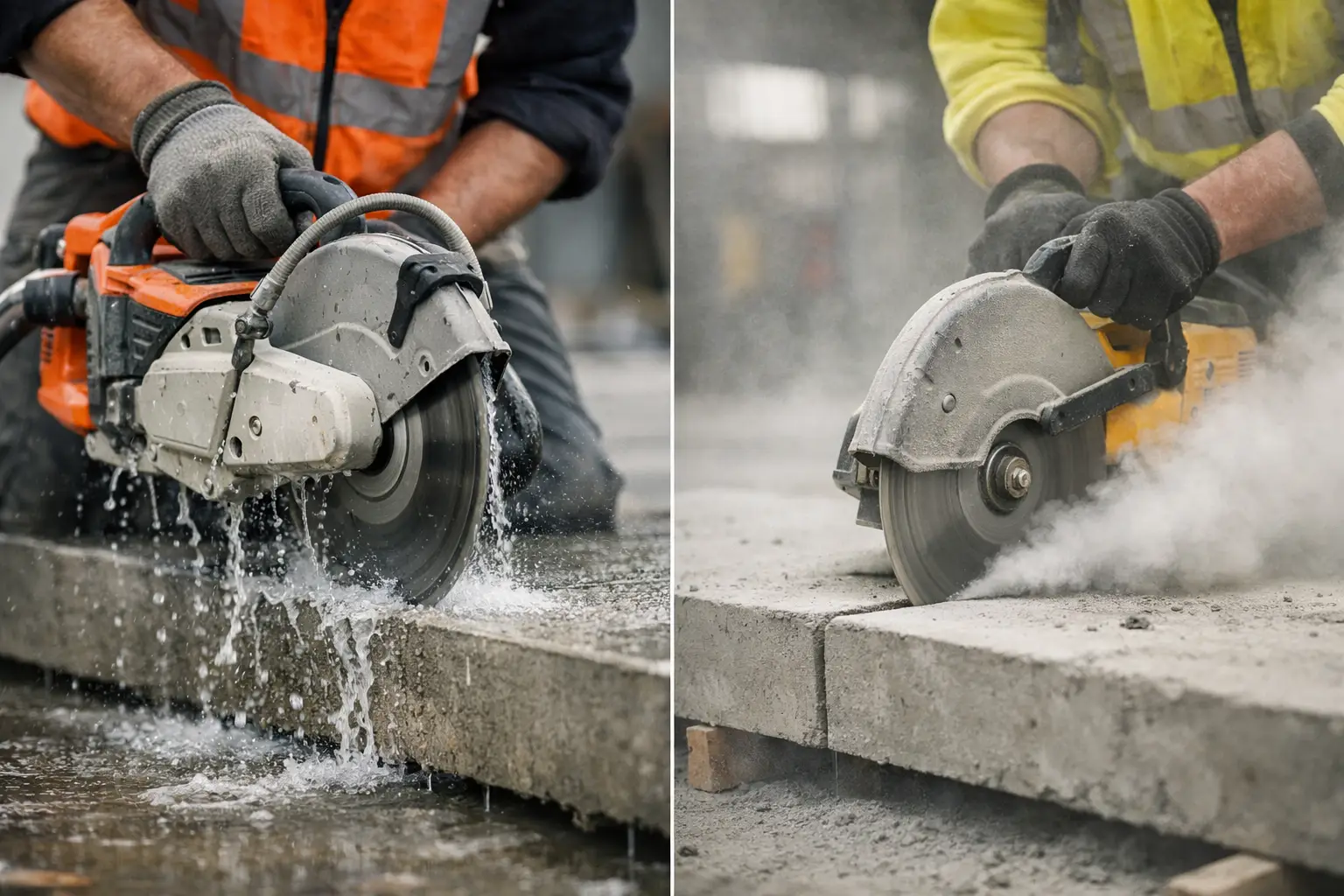
Water cooling can improve drilling control, reduce dust, and extend tool life where site conditions and equipment allow it. The best method depends on the material and job environment. Dry drilling is convenient for quick installation work, while wet drilling is usually more suitable for repeated holes in hard, heat-sensitive materials.
From a procurement perspective, the product instructions should match real site use. Clear guidance on speed range, dry or wet suitability, recommended depth, and cooling practice protects both the end user and the distributor's reputation.
What to Inspect Before Buying in Bulk
A serious vacuum brazed hole saw review should look beyond the diamond rim. Bulk buyers should inspect the entire tool specification, because weak components can undermine an otherwise good diamond coating.
First, check the body concentricity. A hole saw that wobbles will cut poorly even when the diamond layer is aggressive. The cup wall should be stable enough for the intended material and diameter, without unnecessary deformation under normal drilling pressure.
Second, inspect the braze coverage and diamond distribution. The coating should be uniform around the rim and, where applicable, along the working sidewall. Thin areas, bare spots, or inconsistent grit concentration are warning signs for unstable performance.
Third, review the shank and connection type. Hex shanks are common for handheld drills because they reduce slipping in the chuck. Other connection systems may suit dedicated drilling equipment or specific market requirements. The correct connection is a practical selling point, especially for distributors serving installers with established tool platforms.
Finally, assess packaging and diameter identification. In a wholesale program, clear labeling reduces picking errors and makes retail or warehouse handling easier. OEM packaging, barcode placement, laser marking, and private-label presentation should be considered early, not after the production specification is finalized.
The Difference Between a Sample and a Supply Program
Many buyers can obtain a satisfactory sample. The greater challenge is receiving the same performance after several purchase orders. Vacuum brazed tools require process control in steel body preparation, diamond selection, brazing temperature, coating coverage, and final inspection. Variation in any of these stages can change cutting speed and working life.
For distributors and importers, supplier evaluation should include production capacity, batch traceability, inspection standards, and the ability to maintain a consistent specification for repeat orders. It is also useful to confirm which diameters are regularly produced and which can be developed for a private-label range.
Ryhyoma supports B2B buyers with vacuum brazed diamond tool options designed around stable production, application requirements, and OEM or ODM specifications. For a distributor, this approach is more valuable than choosing solely on unit price. A lower-priced hole saw that generates high replacement rates or inconsistent user feedback can cost more over a full sales cycle.
Choosing the Right Range for Your Market
The best assortment depends on the jobs your customers perform. Tile installers may prioritize smaller diameters for plumbing fittings, electrical boxes, and fixtures. Stone fabricators may require larger sizes and greater confidence in granite, marble, and engineered stone. General construction distributors may need a mixed range that covers tile, masonry, brick, and concrete-related work.
Do not assume that more diameters always create a better program. A focused range with dependable stock, clear application guidance, and repeatable performance is often easier to sell and replenish. Start with the diameters that match local demand, then expand after reviewing sales data and customer feedback.
The useful closing thought is simple: evaluate a vacuum brazed hole saw by the holes it completes consistently, not by how aggressive it looks in the package. For commercial buyers, stable cutting performance, honest application limits, and reliable repeat supply are the specifications that protect margin and build customer trust.