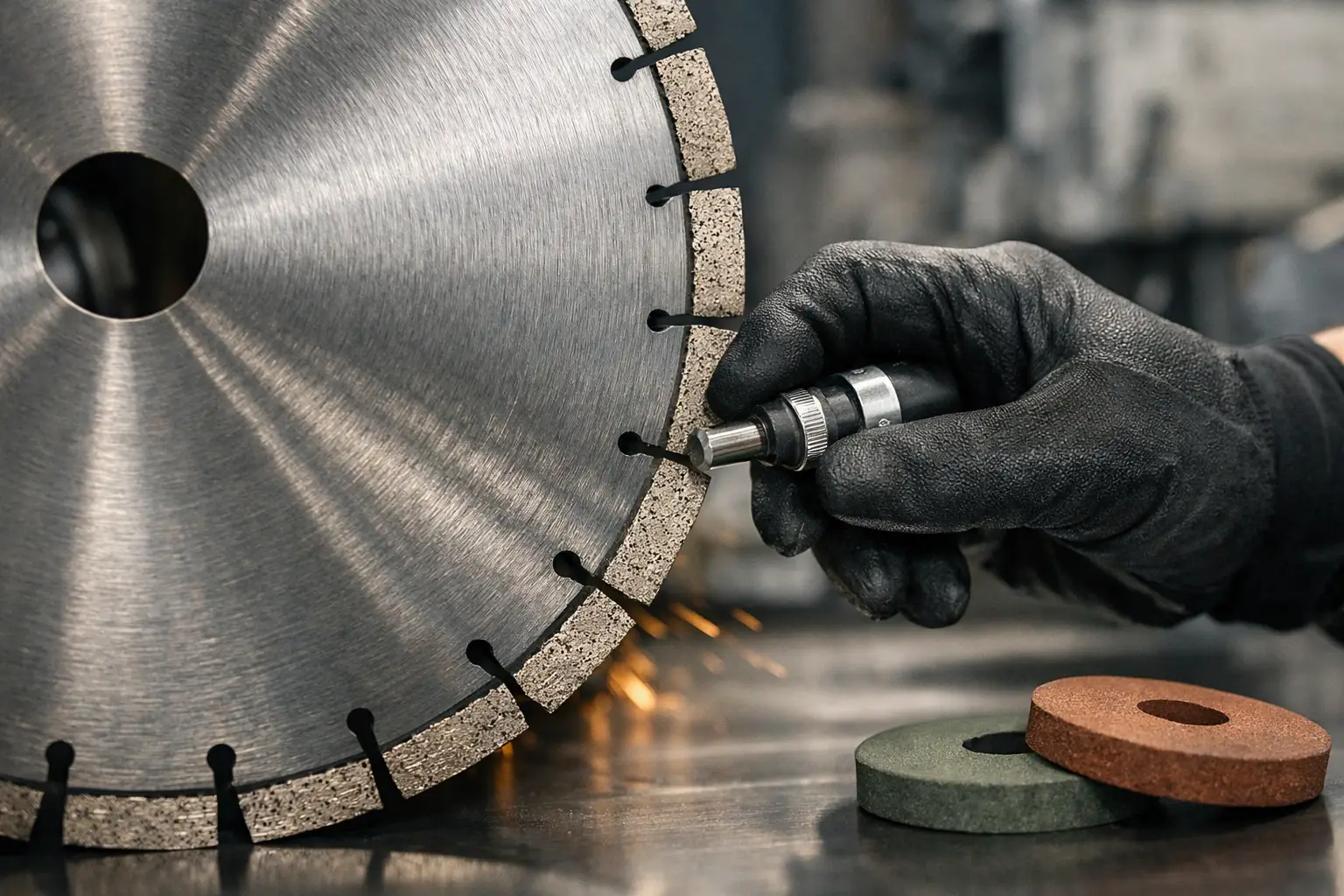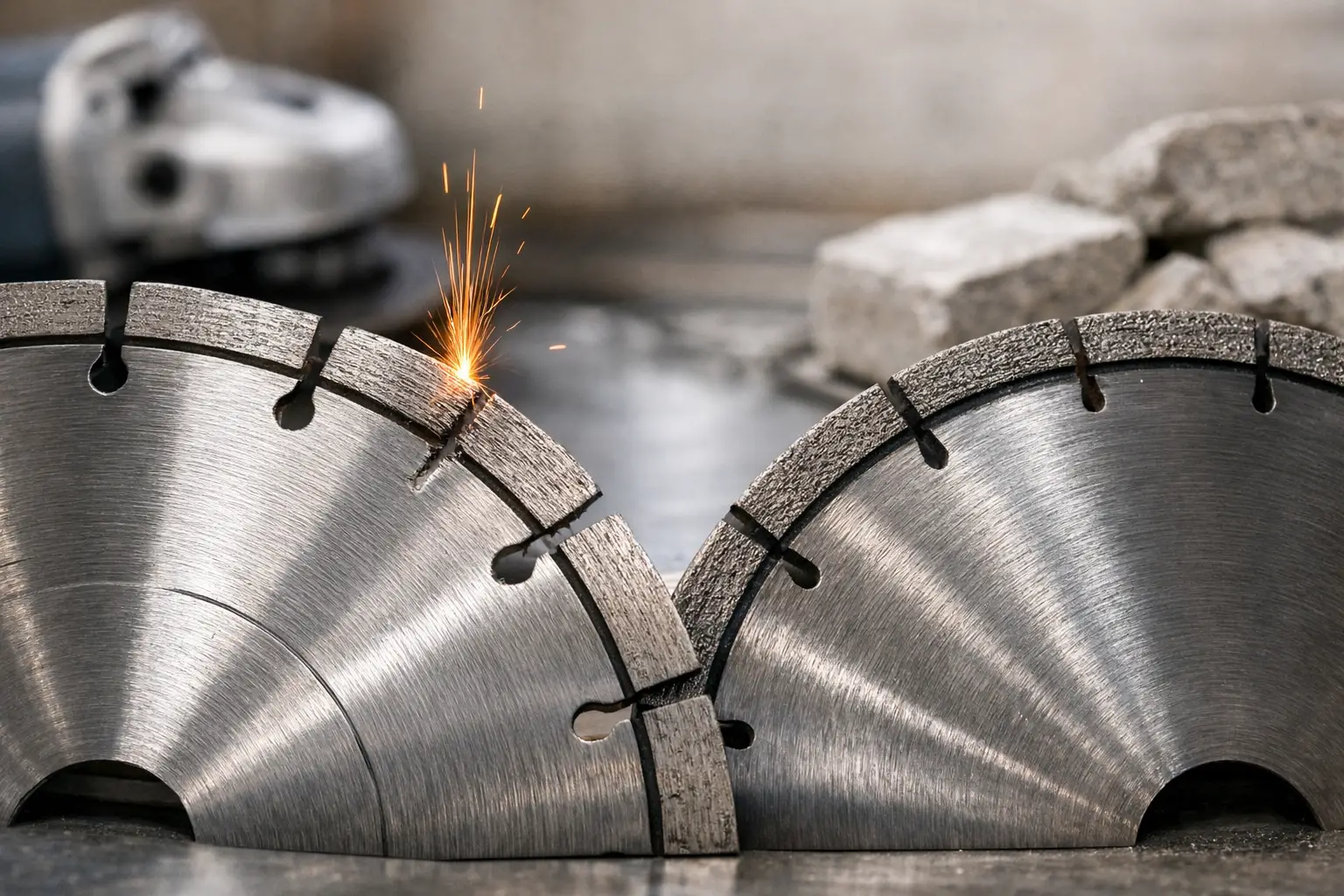

A coating failure rarely begins with the coating itself. It usually begins with a slab that was not properly cleaned, profiled, repaired, or tested before installation. This floor surface preparation guide is written for contractors, flooring specialists, and procurement teams that need repeatable results on commercial and industrial concrete floors. The objective is not simply to make a floor look clean. It is to create a sound, open, contaminant-free surface that allows the specified coating, overlay, adhesive, or repair material to bond as designed.
Preparation requirements vary with the condition of the concrete and the final system. A thin-film epoxy, a cementitious overlay, polished concrete process, and a heavy-duty polyurethane coating do not require the same surface profile. Selecting the right grinding method and diamond tool at the start reduces labor delays, premature tool wear, and expensive rework.
Start With the Concrete, Not the Machine
Before moving a grinder onto the floor, inspect the substrate. Determine whether the concrete is new or aged, hard or soft, contaminated or previously coated. A floor may appear suitable from a distance while still carrying curing compounds, sealers, adhesive residue, oil penetration, weak laitance, or moisture-related defects.
The inspection should establish the condition of the slab and the scope of removal required. Look for loose or delaminated coatings, surface dusting, spalling, cracks, exposed aggregate, joint damage, and areas repaired with incompatible materials. Record flatness concerns where the final floor system requires a uniform finish.
Moisture deserves particular attention. Grinding can improve mechanical bond, but it does not solve moisture vapor transmission or hydrostatic pressure. If the specified coating system requires moisture testing, perform it according to the coating manufacturer's requirements and project specifications. Installing a dense coating over a slab with uncontrolled moisture can lead to blistering, debonding, or osmotic pressure failures.
Contamination must also be identified before choosing abrasives. Light surface oil may be removed through detergent cleaning followed by mechanical preparation. Deeply absorbed oils, silicones, waxes, and some chemical residues may require localized removal, degreasing, or more aggressive concrete removal. Grinding over contamination without a cleaning plan can spread the problem across the work area and load the diamond tooling.
Floor Surface Preparation Guide: Define the Required Profile
Concrete Surface Profile, commonly described as CSP, provides a practical reference for matching the surface texture to the material being installed. A decorative thin coating generally requires a finer profile than a thick self-leveling overlay or a high-build industrial lining. The target profile should come from the coating, adhesive, or overlay manufacturer rather than from a general preference for a smoother or rougher floor.
Diamond grinding is effective when a controlled profile is needed with limited impact to surrounding operations. It can remove laitance, light coatings, trowel marks, minor high spots, and weak surface material while producing a relatively consistent finish. For thicker coatings, heavy glue, or deeper surface defects, grinding may be used in stages or combined with scarifying, shot blasting, or other mechanical methods.
The key trade-off is production speed versus surface control. An aggressive tool can remove material quickly but may leave deep scratch patterns, expose excessive aggregate, or create uneven areas that require additional passes. A finer tool improves finish quality but may be slow and can glaze on hard concrete. The correct sequence should achieve the required profile with the fewest productive passes, not simply the highest removal rate in the first pass.
Match Bond and Grit to Concrete Hardness
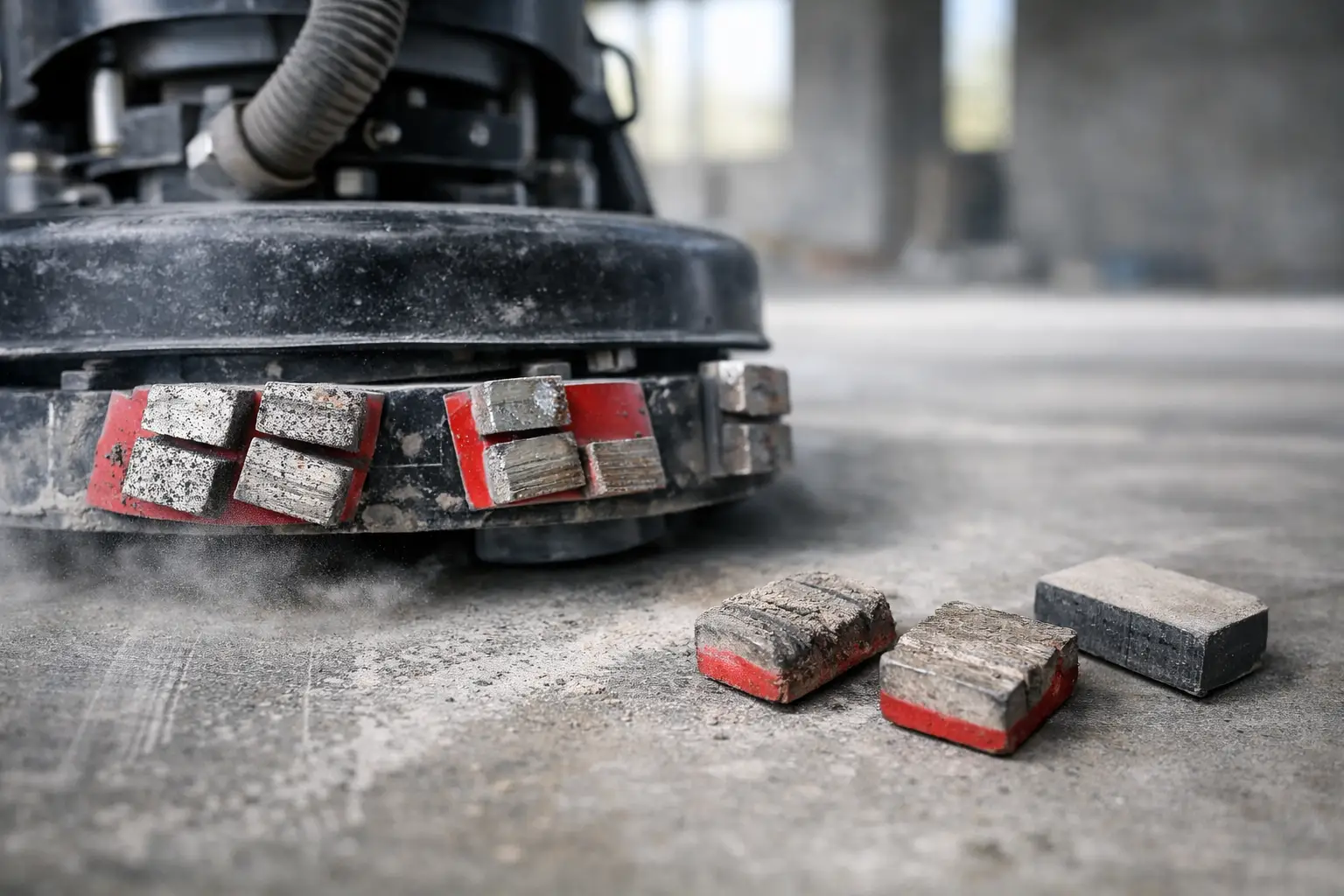
Diamond floor grinding blocks must be selected for both the concrete condition and the task. On hard concrete, a softer metal bond is generally needed so the bond wears and continuously exposes fresh diamonds. On soft, abrasive concrete, a harder bond helps retain diamonds and prevents the tool from wearing too quickly.
Grit selection follows the same logic. Coarse grits are used for coating removal, major surface correction, and opening dense concrete. Medium grits refine the scratches left by coarse grinding. Fine grits are suitable where a smoother finish is specified, but they should not be used to compensate for incomplete removal work.
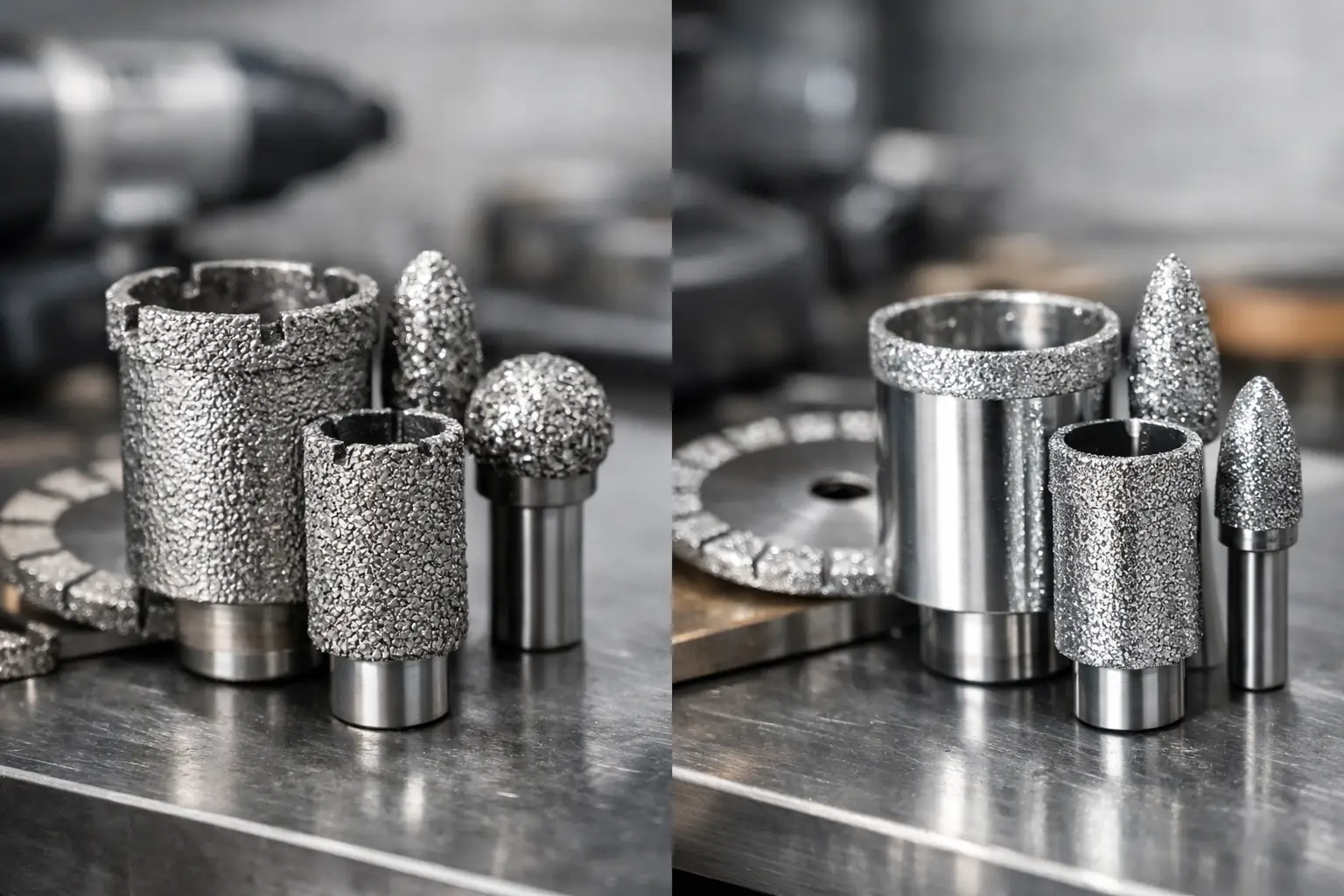
Segment shape, diamond concentration, and machine weight also affect results. Double-bar, arrow, round, and PCD-style configurations each address different removal conditions. PCD tools are often used for thick coatings, glue, and elastic residues, while metal-bond diamond segments are better suited to concrete grinding and profile refinement. Tool selection should be based on the actual floor, not only on the nominal coating thickness supplied in a project brief.
For distributors and large contractors, consistent segment specifications matter as much as initial cutting performance. Tool batches that vary in bond hardness or diamond exposure can make production planning difficult. Reliable suppliers maintain quality control over raw materials, segment manufacturing, welding, and final inspection so tools perform consistently across repeated orders.
Follow a Controlled Preparation Sequence
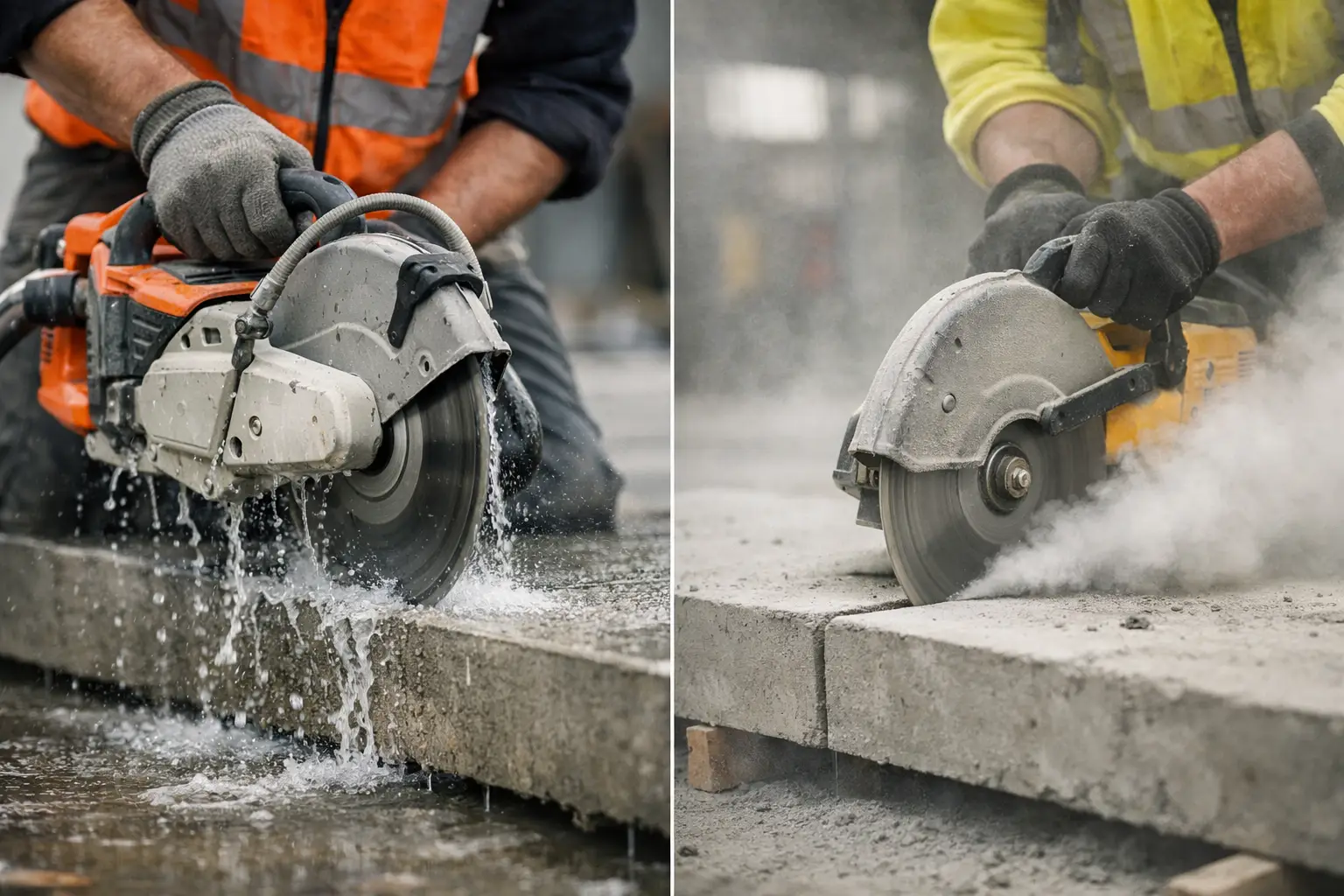
A productive floor-preparation process begins with containment and cleaning. Remove loose debris, identify repairs, and arrange dust extraction before grinding starts. Industrial vacuum systems should be correctly sized for the grinder and maintained throughout the job. Poor dust collection reduces visibility, creates cleanup costs, and can interfere with tool performance when fine dust remains on the surface.
Begin with a test area. This small trial confirms whether the selected diamond tool is cutting effectively, whether the concrete is harder or softer than expected, and whether the resulting profile meets the installation requirement. It is more economical to adjust tooling after a 100-square-foot test than after completing an entire warehouse bay with the wrong bond or grit.
Use overlapping passes and maintain a steady machine travel speed. Moving too quickly can leave unprepared strips and inconsistent scratch patterns. Moving too slowly can overheat tools, polish the surface unintentionally, or create localized gouging. Edge work requires the same discipline. Perimeter zones, corners, around columns, and door thresholds are frequent failure points because they receive less mechanical preparation than the open floor.
After primary grinding, vacuum the floor thoroughly and inspect it under adequate lighting. Continue with repair work only after weak material is removed. Cracks, spalls, and joints should be treated according to the final system design. Some moving joints must remain functional and should not be rigidly filled as though they were static cracks.
Verify the Surface Before Coating
The floor should be evaluated after preparation, not assumed ready because the planned number of grinding passes has been completed. Check for remaining coating, glossy sealer patches, soft concrete, unremoved adhesive, dust, and visible contamination. The surface should have a consistent texture appropriate to the specified material.
A simple tape test can reveal loose dust, but it is not a substitute for full inspection. Pay close attention to transitions between repaired and original concrete, previously covered areas, and locations near drains or loading doors. These zones often have different moisture exposure, contamination history, or concrete hardness.
Confirm that the surface is clean and dry before applying primers or coatings. Dust left in the profile reduces effective bond area. Water used during cleaning must be allowed to dry according to the coating system requirements. If a primer is used, it should be applied within the preparation window specified for the project so the open surface is not re-contaminated by traffic, airborne dust, or moisture.
Common Problems That Increase Cost
The most common preparation error is treating all slabs as the same. Hard burnished concrete, soft green concrete, oil-contaminated maintenance areas, and old epoxy-coated floors require different tooling and procedures. A standard diamond block may perform well in one zone and poorly in another, especially in facilities with multiple construction phases.
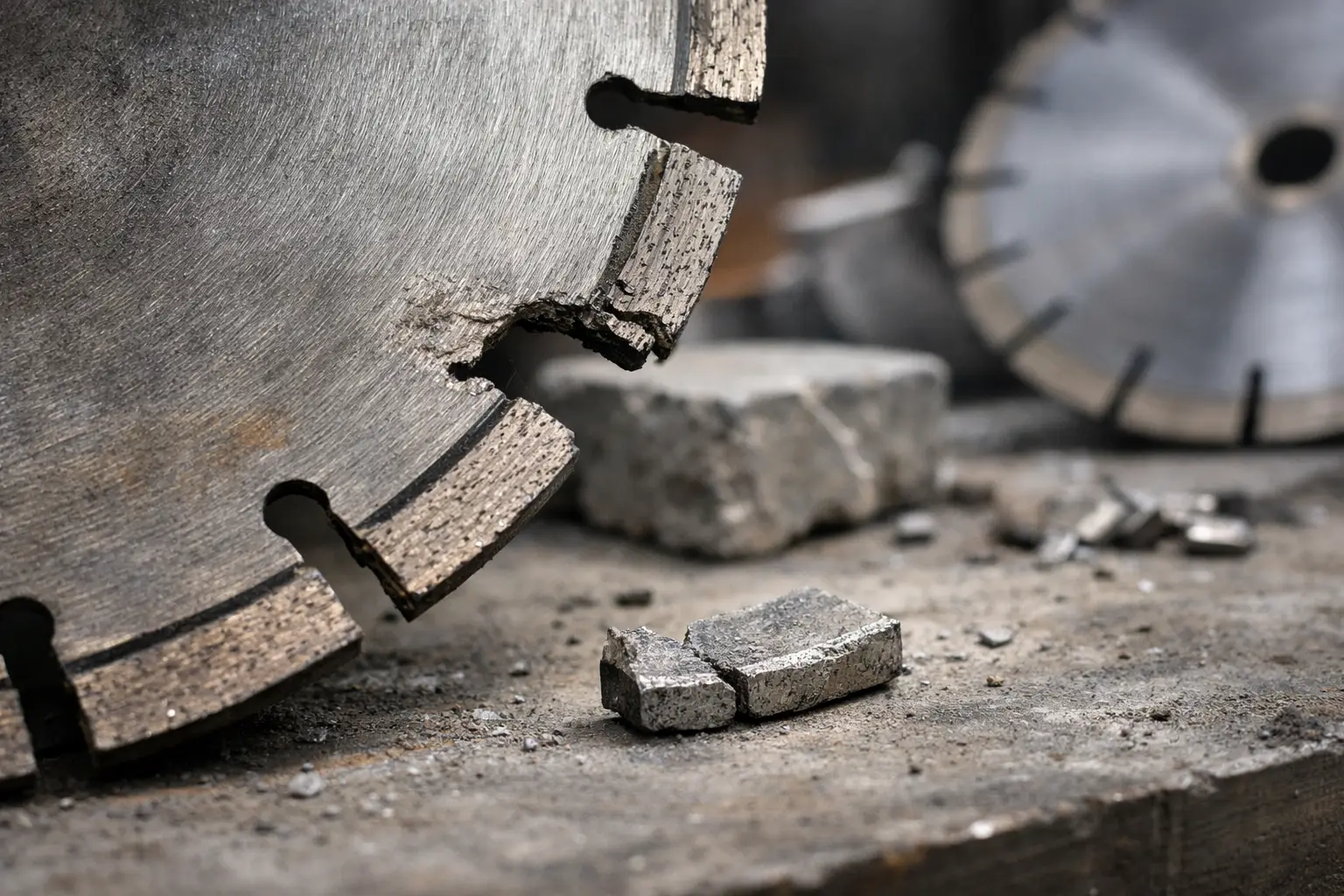
Another costly issue is using worn tooling beyond its effective cutting life. As diamonds dull or segments become glazed, operators often add downward pressure or slow the machine excessively. This may increase heat while reducing productivity. Monitoring tool wear and changing blocks at the right time protects both the grinder and the floor finish.
Skipping edge preparation is equally risky. Coating failures at walls, columns, and equipment bases are highly visible and often become paths for moisture or chemical intrusion. Specify compatible handheld grinding tools and edge diamond segments as part of the job plan rather than treating them as an afterthought.
Build Tool Supply Around the Workload
For high-volume flooring operations, tool availability should be planned by floor type, machine configuration, and expected removal rate. Procurement teams should confirm segment dimensions, fitment, bond type, grit range, packaging, and batch consistency before placing bulk orders. Private-label programs and custom specifications can be useful when distributors need tools matched to regional concrete conditions or a particular grinder plate system.
Ryhyoma supports industrial buyers with floor grinding blocks designed for stable performance across commercial preparation work, including options for OEM and bulk supply requirements. The most suitable specification should be confirmed through job conditions, target profile, and machine details rather than selected by price alone.
A properly prepared floor gives every downstream trade a better starting point. When the substrate is assessed carefully, diamonds are matched to the concrete, and readiness is verified before installation, the coating crew can work to specification instead of trying to correct preparation problems after the material is already on the floor.