A core bit that drills cleanly through cured reinforced concrete can be the wrong choice for hollow block. A fast SDS-plus bit can be inefficient when the job requires repeated large-diameter penetrations. The best drilling tools for masonry are not defined by one product category. They are matched to the substrate, hole diameter, reinforcement level, drilling depth, machine power, and expected production volume.
For contractors, distributors, and procurement teams, this distinction matters. Low-cost tools that wear early, wander at the start of the hole, or lose segments during demanding work increase labor time and create supply complaints. A dependable drilling program starts with the correct tool type and continues with stable manufacturing quality.
Best Drilling Tools for Masonry by Application
Masonry drilling generally falls into two working methods: percussion drilling for smaller holes and diamond core drilling for larger, cleaner openings. Selecting between them should be based on the finished hole requirement, not simply the material name on the job ticket.
Carbide-tipped hammer drill bits for anchors and fixings
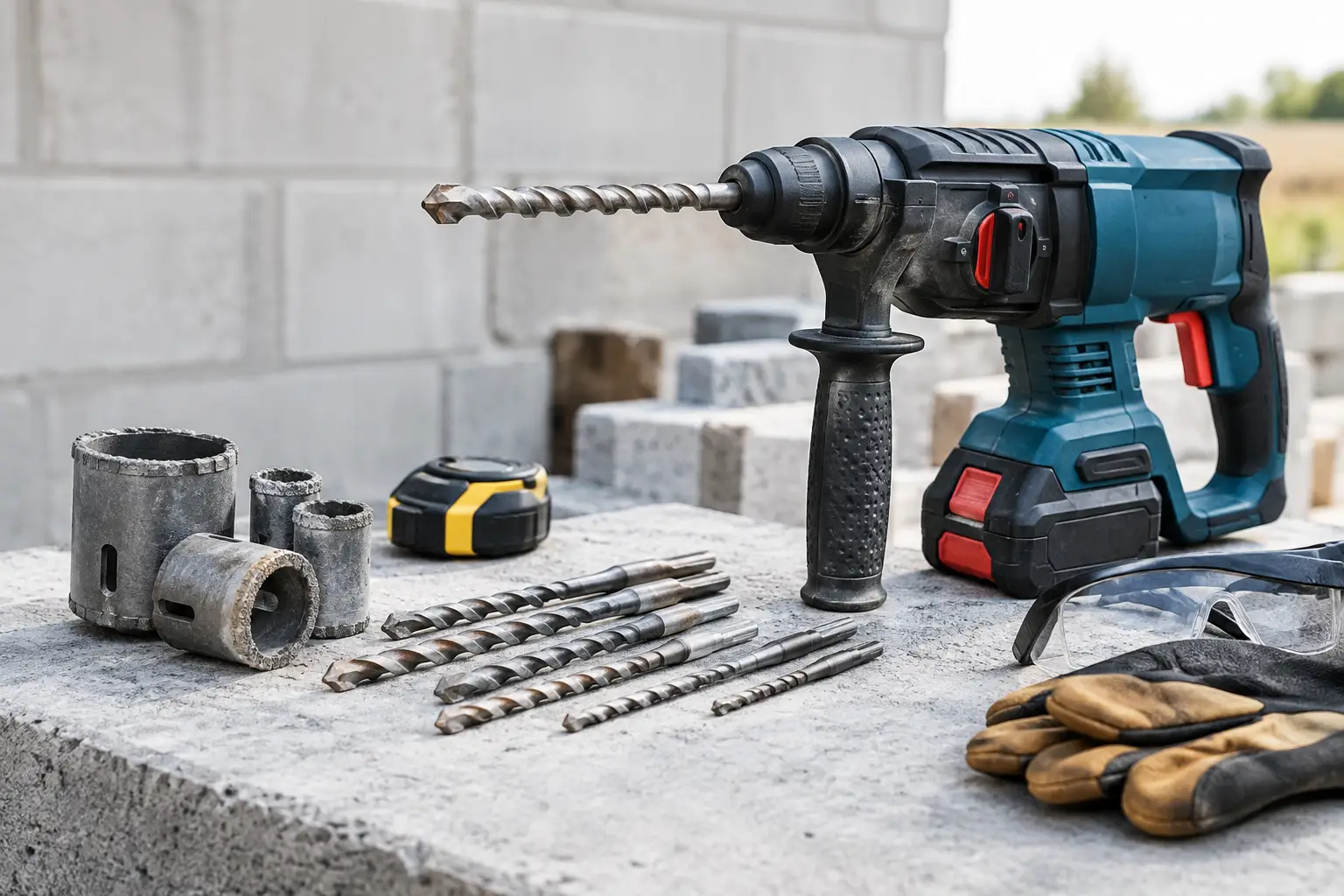
For anchor holes, mechanical fixings, light-duty penetrations, and general installation work, carbide-tipped masonry bits remain the standard choice. Used with a rotary hammer, they break and remove material through impact and rotation. SDS-plus shank bits are suitable for common fastening work in concrete, brick, block, and mortar joints, while SDS-max systems are designed for heavier rotary hammers and larger-diameter holes.
The key buying variables are carbide tip geometry, flute design, shank accuracy, and body heat treatment. A poorly brazed carbide tip may crack or detach when it contacts aggregate or rebar. Inadequate flute clearance can trap dust, raise drilling temperature, and slow penetration. For commercial users, a bit that drills slightly slower but holds its edge consistently often delivers a better cost per hole than an aggressive bit with uneven service life.
Carbide bits work well for small to medium holes, but they are not the best option for every opening. As diameters increase, percussion creates more vibration, dust, and stress on both the operator and the surrounding substrate.
Diamond core bits for large, clean holes
Diamond core bits are the preferred drilling solution for plumbing sleeves, electrical conduits, HVAC openings, structural sampling, and other larger-diameter holes. Instead of crushing the full hole area, a core bit cuts an annular path and leaves a center core. This reduces material removal, controls vibration, and produces a cleaner opening.
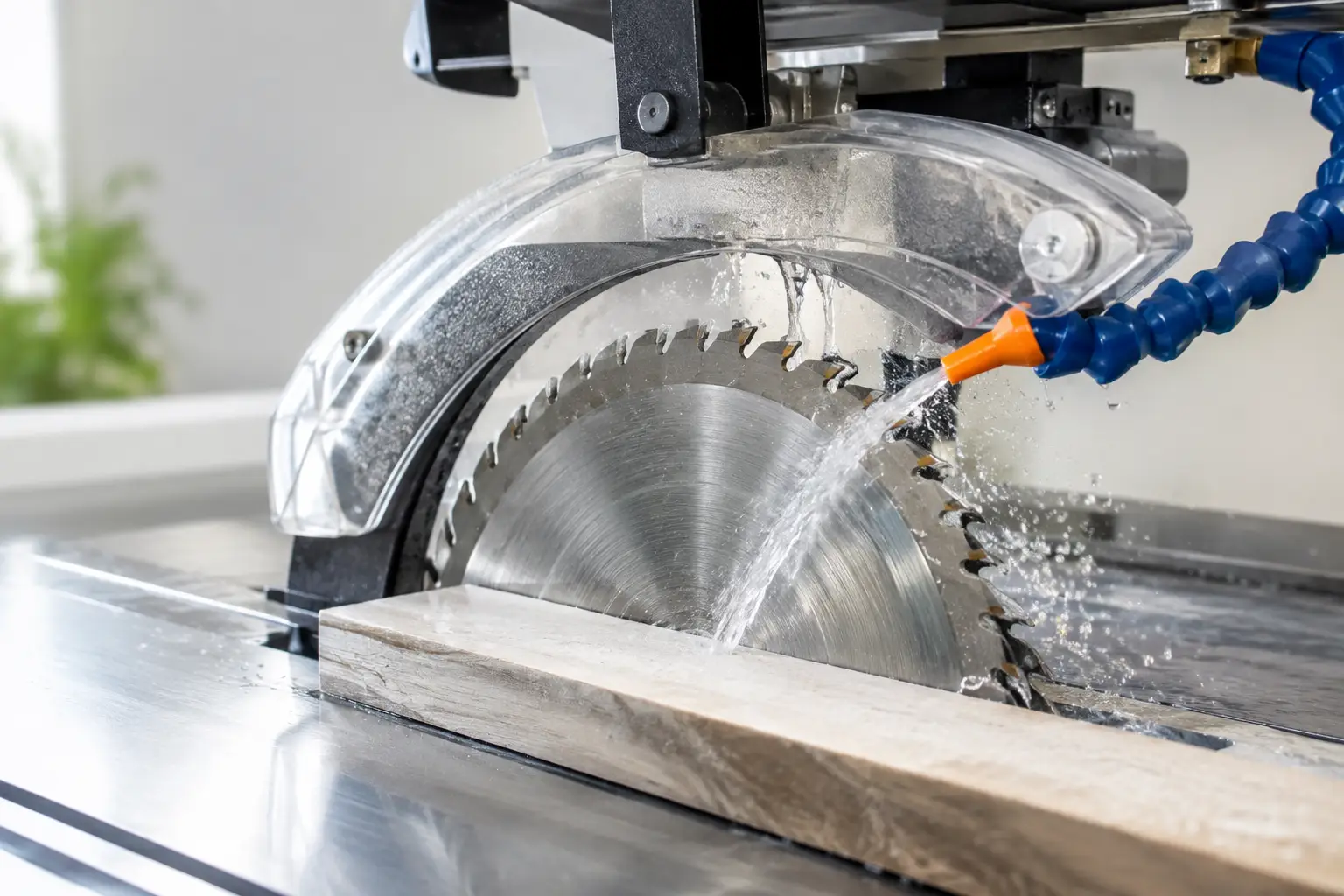
For dense concrete and reinforced concrete, wet diamond core drilling is generally the most productive method. Water cools the diamond segments, carries slurry from the cut, and helps maintain segment exposure. It is particularly useful for deep holes and repeated production work where heat control directly affects tool life.
Dry core bits are practical where water is restricted or where drilling is limited to shallower work in brick, block, and other less abrasive masonry. They require disciplined operation. Excessive feed pressure or continuous drilling without allowing the bit to cool can glaze the diamond bond and reduce cutting speed. A dry core bit should be selected for the specific machine connection and material range rather than treated as a universal substitute for wet coring.
Vacuum-brazed drilling tools for abrasive and specialty surfaces
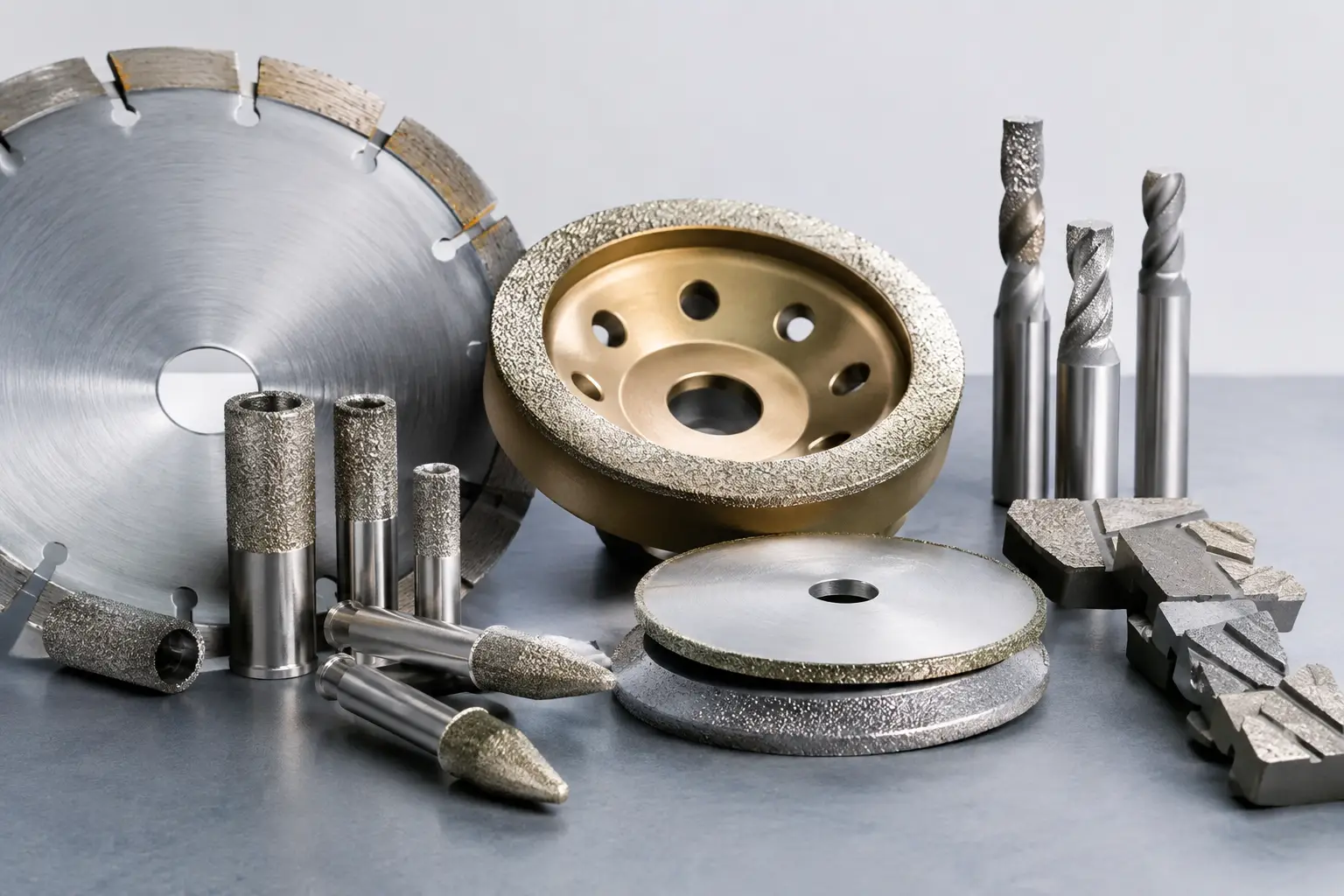
Vacuum-brazed diamond tools have a useful role in applications involving hard, brittle, or abrasive surface materials. The diamond exposure created by vacuum brazing supports fast initial cutting and effective drilling through tile, porcelain, ceramic, stone, and certain specialty construction panels.
These tools are often chosen for finishing and installation trades where clean starts and controlled holes matter. However, they are not automatically the lowest-cost solution for high-volume reinforced concrete coring. Buyers should evaluate them by the intended material, drilling depth, cooling method, and number of holes expected per tool.
Core bits for block, brick, and stone
Not all masonry is equally dense. Hollow block requires a core bit that cuts efficiently without causing unnecessary breakout at the exit point. Brick can vary from soft clay material to dense engineering brick. Natural stone may be highly abrasive, hard, fissured, or inconsistent across the same project.
A segment specification that performs well in hard reinforced concrete may be too hard for abrasive block or sandstone, where the diamonds need to expose more quickly. Conversely, a softer bond intended for abrasive material may wear too rapidly in dense concrete. This is why material-specific segment design matters more than a generic claim that a core bit is suitable for masonry.
How to Match the Tool to the Job
Before placing a bulk order or setting a distributor assortment, define the application in operational terms. The following questions prevent many avoidable selection errors:
- What material is being drilled: cured concrete, reinforced concrete, hollow block, brick, stone, tile, or mixed substrate?
- What hole diameter and drilling depth are required?
- Will the work use a handheld rotary hammer, handheld core drill, or drill rig?
- Is wet drilling permitted, practical, and safe at the jobsite?
- Are holes occasional installation work or repeated production drilling?
For example, a 10 mm anchor hole in standard concrete requires a different solution from a 150 mm opening through reinforced concrete for pipe installation. The first is normally a carbide SDS-plus application. The second is usually a wet diamond coring application using a suitable core drill and, where accuracy or depth requires it, a drill stand.
Machine compatibility must be confirmed at the same time. Shank type, thread connection, usable RPM range, torque requirement, and drilling direction all affect performance. A high-quality core bit cannot compensate for a machine that lacks torque, runs at unsuitable speed, or has excessive spindle runout.
What Determines Core Bit Performance
Diamond segment quality is central to the performance of a masonry core bit. The diamond grit must be held in a metal bond that wears at a controlled rate. As the bond wears, new diamonds are exposed. If the bond is too hard for the material, the bit may glaze and polish rather than cut. If it is too soft, the segments wear away before their diamond content is fully used.
Segment attachment is equally important. Laser-welded segments are widely specified for demanding drilling because the weld provides strong retention under high temperature and heavy load. This is especially relevant when drilling reinforced concrete, where sudden contact with steel can increase stress on the segment edge.
Barrel design also affects productivity. Proper slot configuration helps remove slurry, reduce friction, and support cooling. A straight barrel may be appropriate for certain applications, while specialized barrel and segment layouts can improve performance in deep drilling or highly reinforced material. There is no single geometry that is best across every masonry condition.
Buying Drilling Tools for Commercial Supply
For a distributor or contractor, the purchase decision should extend beyond the sample tool. Consistency between batches is what protects jobsite productivity and customer trust. A supplier should be able to maintain the same specifications for diamond concentration, bond formula, segment dimensions, weld quality, and barrel construction as volume increases.
Ask for clear application guidance rather than broad compatibility claims. A reliable manufacturer should distinguish between concrete, reinforced concrete, block, brick, granite, ceramic, and engineered surfaces. It should also be prepared to recommend specifications based on local working conditions, including common aggregate hardness and the machines used by customers.
Private-label and OEM programs require additional control. Packaging, labeling, barcodes, tool colors, diameter markings, thread options, and performance grades should be agreed before production. For distributors serving multiple market segments, a structured range is often more practical than stocking one universal core bit: an entry range for general block and brick work, a professional range for concrete, and a reinforced-concrete range for demanding wet coring.
Ryhyoma supports commercial drilling-tool programs with specification-focused manufacturing, strict quality control, and OEM/ODM options for buyers that require scalable, repeatable supply.
Operating Practices That Protect Tool Life
Even the right masonry drilling tool can fail prematurely when used incorrectly. Let the diamonds or carbide do the cutting. Excessive pressure generates heat, slows removal of dust or slurry, and can damage the bit or machine. During core drilling, stable alignment at the start of the hole prevents barrel vibration and uneven segment wear.
Wet core bits need adequate water flow throughout the cut, not just at the opening. Dry drilling requires regular pauses where the application and bit design call for them. Operators should also stop when cutting speed drops suddenly. This may indicate glazing, blocked slots, worn segments, or contact with reinforcement that requires a revised drilling approach.
The most dependable choice is the tool that matches the material and keeps performing across the full order, not the one with the lowest unit price on the quotation. Specify the application clearly, verify machine compatibility, and test representative samples under real working conditions before committing to volume. That process gives procurement teams a drilling range they can supply with confidence.