
Porcelain tile failures usually begin before the drill touches the surface. A contractor uses a general-purpose masonry bit, applies excessive pressure, and turns a clean installation into a cracked tile, burned bit, and delayed handover. The best tools for porcelain drilling are purpose-built diamond tools selected for the hole diameter, drilling method, tile type, and expected production volume.
For distributors, contractors, and procurement teams, the question is not simply which bit can penetrate porcelain. Many products can make one or two holes. The commercial requirement is stable drilling speed, controlled edge quality, predictable tool life, and consistent supply from batch to batch. Those factors determine whether a drilling tool supports profitable installation work or creates avoidable rework.
Why Porcelain Requires a Specialized Drilling Tool
Porcelain is denser, harder, and less porous than standard ceramic tile. Its low water absorption and hard glazed surface make it resistant to wear, but those same properties make it difficult to drill. The drill must abrade the material rather than cut it with conventional cutting edges.
Carbide spear-point bits may work on softer wall tile or occasional small holes, but their performance on full-body porcelain is limited. Friction builds quickly, the cutting tip can overheat, and drilling speed drops sharply. On large-format porcelain, polished porcelain, or dense outdoor pavers, this approach carries a higher risk of surface chipping and tile breakage.
Diamond is the correct abrasive for this application. The quality of the diamond bond, concentration, exposure, and attachment method affects how the tool performs under heat and pressure. A tool that drills quickly at the start but loses diamond exposure after a few holes is not a reliable commercial tool.
Best Tools for Porcelain Drilling by Hole Size
No single product is the best option for every hole. Matching the tool format to the application is the most practical way to control cost and performance.
Small holes: diamond drill bits and diamond tile bits
For small holes used for screws, anchors, clips, or light fixtures, diamond drill bits in smaller diameters are the standard choice. These bits are commonly used for holes from approximately 1/4 inch to 1/2 inch, although available sizes vary by product range.
A quality small-diameter porcelain bit should start cleanly without skating across the glazed surface. Using a drill guide or beginning the hole at a slight angle can help establish the cut, especially on smooth, glossy tile. Once the diamond edge has engaged, the operator should bring the drill upright and maintain moderate, even pressure.
Electroplated diamond bits can be suitable for intermittent work because they offer a sharp initial cutting surface. Their limitation is service life. The single diamond layer wears away as drilling continues. For installers making a small number of holes, this can be acceptable. For repeated commercial work, a higher-performance diamond construction is normally more economical.
Medium holes: vacuum-brazed diamond core bits
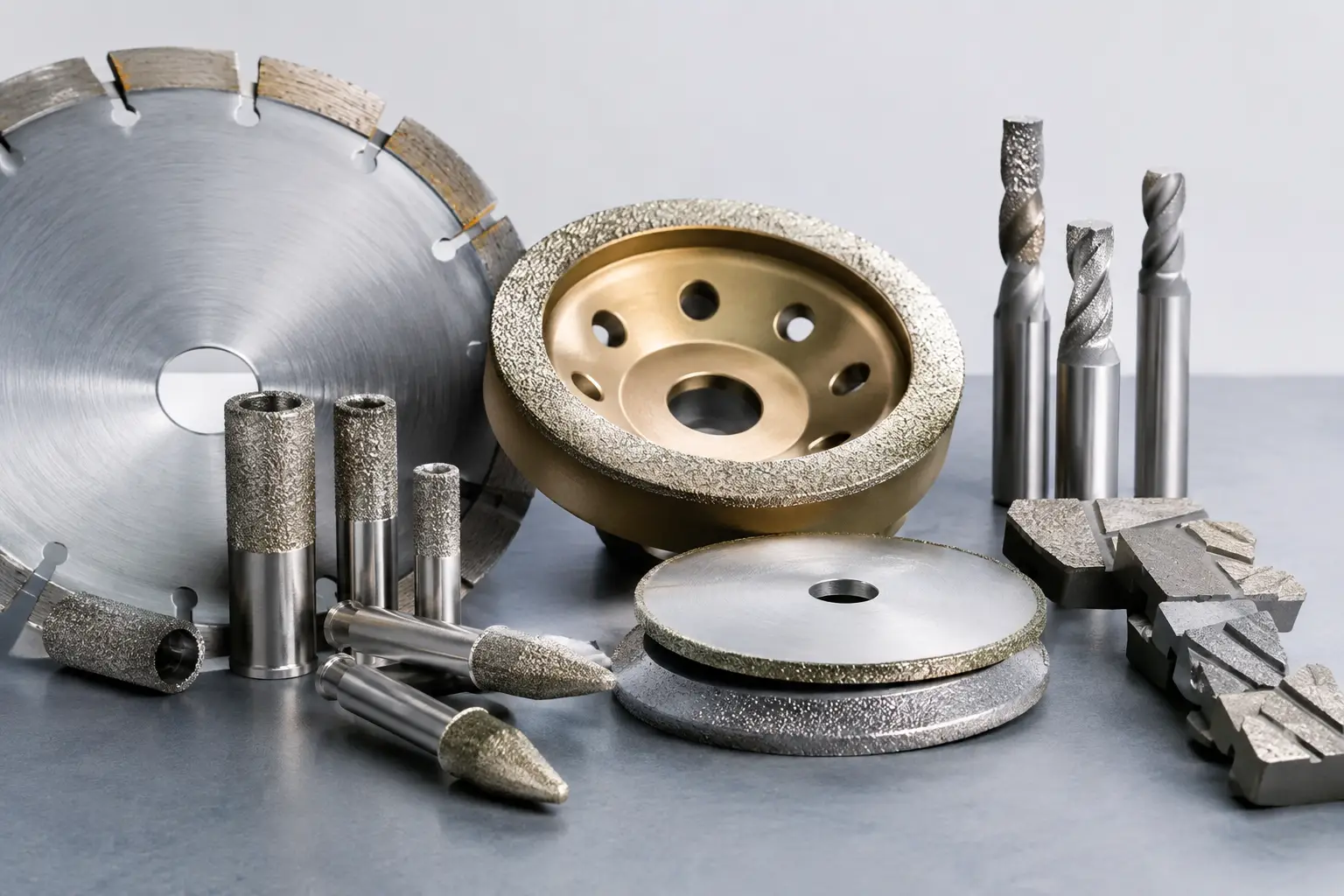
For pipe penetrations, faucet fittings, electrical boxes, and mechanical fasteners, vacuum-brazed diamond core bits are often the strongest all-around choice. Typical applications include holes from about 3/4 inch to 3 inches, though larger sizes are available.
Vacuum brazing secures diamond particles to the steel body with a high-strength bond. This creates aggressive diamond exposure and supports fast dry drilling in porcelain, ceramic, stone, and other hard materials. It is particularly useful on job sites where a water-fed drilling setup is not practical.
The trade-off is heat. Dry drilling does not mean drilling continuously without control. Operators should use a variable-speed drill, avoid excessive feed force, and use short pulsing motions to release dust and reduce heat buildup. If the core bit changes color from overheating or loses cutting speed early, the issue may be operating technique, tool specification, or both.
For frequent installation work, vacuum-brazed core bits provide a practical balance between speed, convenience, and durability. They are also a strong category for private-label distributors because the diameter range, shank type, packaging, and branding can be adapted to the target market.
Large holes: sintered diamond core bits
Larger holes for plumbing, ventilation, floor drains, and service penetrations demand more durable tooling. Sintered diamond core bits are generally the better option when drilling larger diameters, dense porcelain slabs, or repeated high-volume holes.
Unlike surface-coated products, sintered segments contain diamond throughout the working rim. As the bond wears, new diamond is exposed. This provides longer service life, particularly when the bit is operated with water cooling and correct drilling equipment.
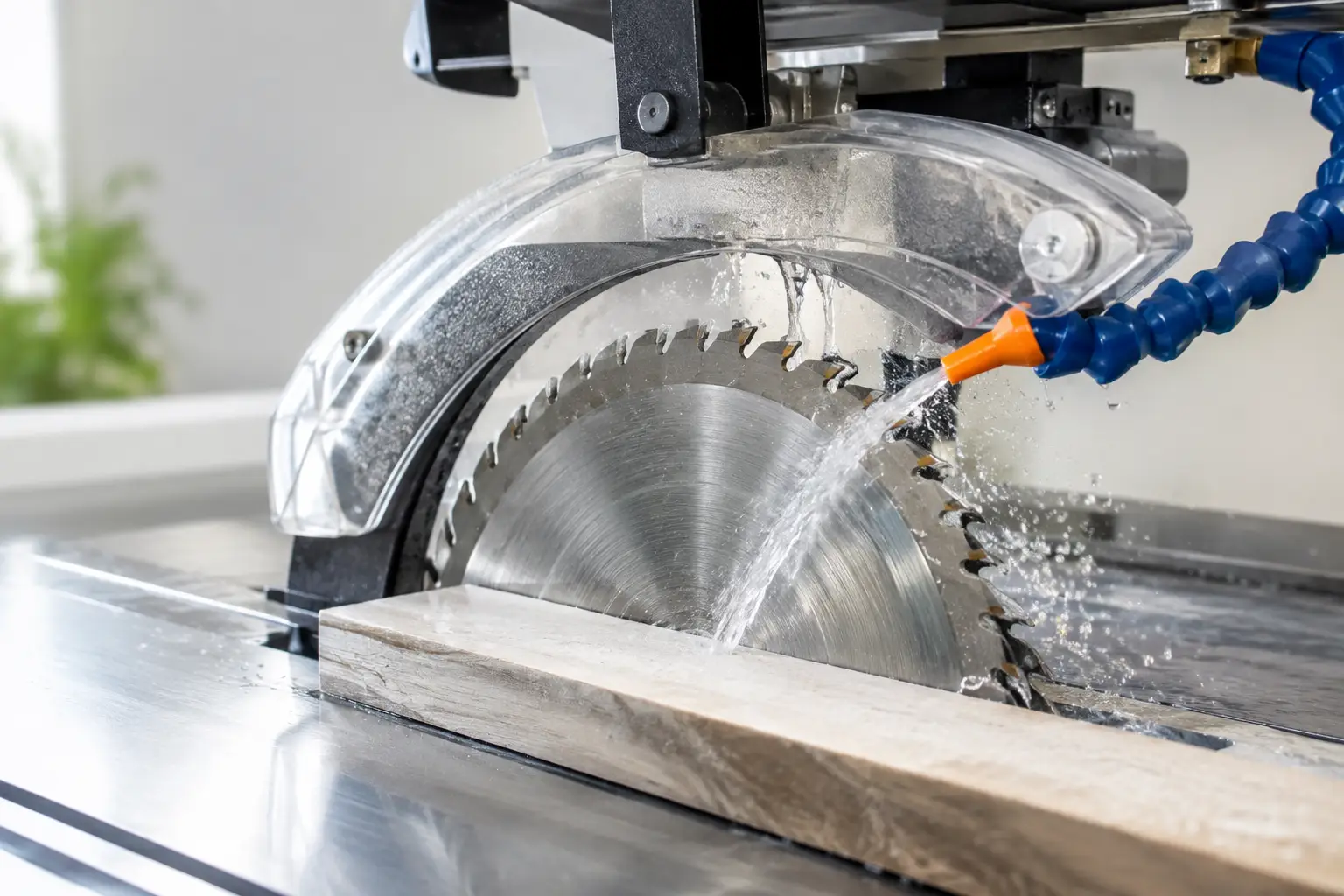
Wet drilling is preferred for this category. Water reduces heat, clears slurry from the cutting zone, protects the diamond bond, and improves finish quality around the hole edge. On high-value porcelain panels or finished surfaces, this added control can justify the slower setup process.
The right core bit also depends on the drill motor. A large-diameter bit requires sufficient torque and a stable spindle. Handheld use may be acceptable for smaller diameters, but larger holes are more safely and accurately drilled with a guide, stand, or dedicated core drilling system.
Dry Drilling vs. Wet Drilling
The choice between dry and wet drilling should be based on the site conditions and drilling volume, not personal habit.
Dry diamond core bits are efficient for mobile installation teams, especially when drilling wall tile or making limited openings in finished spaces. They reduce setup time and avoid slurry management. A vacuum-brazed dry core bit paired with a variable-speed drill is a practical configuration for many installation tasks.
Wet drilling delivers better temperature control and typically extends tool life. It is the preferred method for dense porcelain, larger hole diameters, high production volume, and applications where edge quality is critical. Fabrication shops and contractors processing porcelain slabs should generally prioritize wet-capable sintered core bits.
A common mistake is using water with a bit designed only for dry use, or dry-running a bit intended for water-fed operation. The supplier should clearly state the intended operating method. Procurement teams should verify this specification before placing bulk orders, rather than relying on product appearance alone.
Tool Features That Matter to Commercial Buyers
For professional supply programs, the visible diameter is only one part of the specification. Buyers should evaluate the diamond technology, body design, shank compatibility, and quality control behind the product.
Diamond quality and bond design determine whether the bit keeps cutting as porcelain abrades the working edge. A bit with poor diamond retention may feel aggressive for the first holes but become smooth and slow shortly afterward. Stable performance requires the bond to release worn diamonds at a controlled rate while retaining enough diamond for continuous cutting.
The core body must also run true. Excessive runout creates vibration, enlarges the hole, damages the edge, and increases the chance of cracking brittle tile. For repeated use, a rigid steel body and accurate assembly are not optional details.
Shank compatibility affects usability in the field. Hex shanks are common for handheld drills because they reduce slipping in the chuck. Threaded connections may suit core drilling equipment. A complete range should reflect the equipment used by the intended market, whether it is a tile installer, stone fabricator, or mechanical contractor.
For distributors, consistency matters as much as individual product performance. Diameter markings, packaging, barcode requirements, private-label design, and repeatable production specifications should be controlled before a product range reaches the market. Ryhyoma supports B2B diamond tool programs where these details can be aligned with bulk-order and OEM requirements.
Operating Practices That Protect the Tile and the Bit
Even the right tool can fail when used incorrectly. Porcelain drilling requires controlled speed, steady positioning, and patience during the first contact with the glaze.
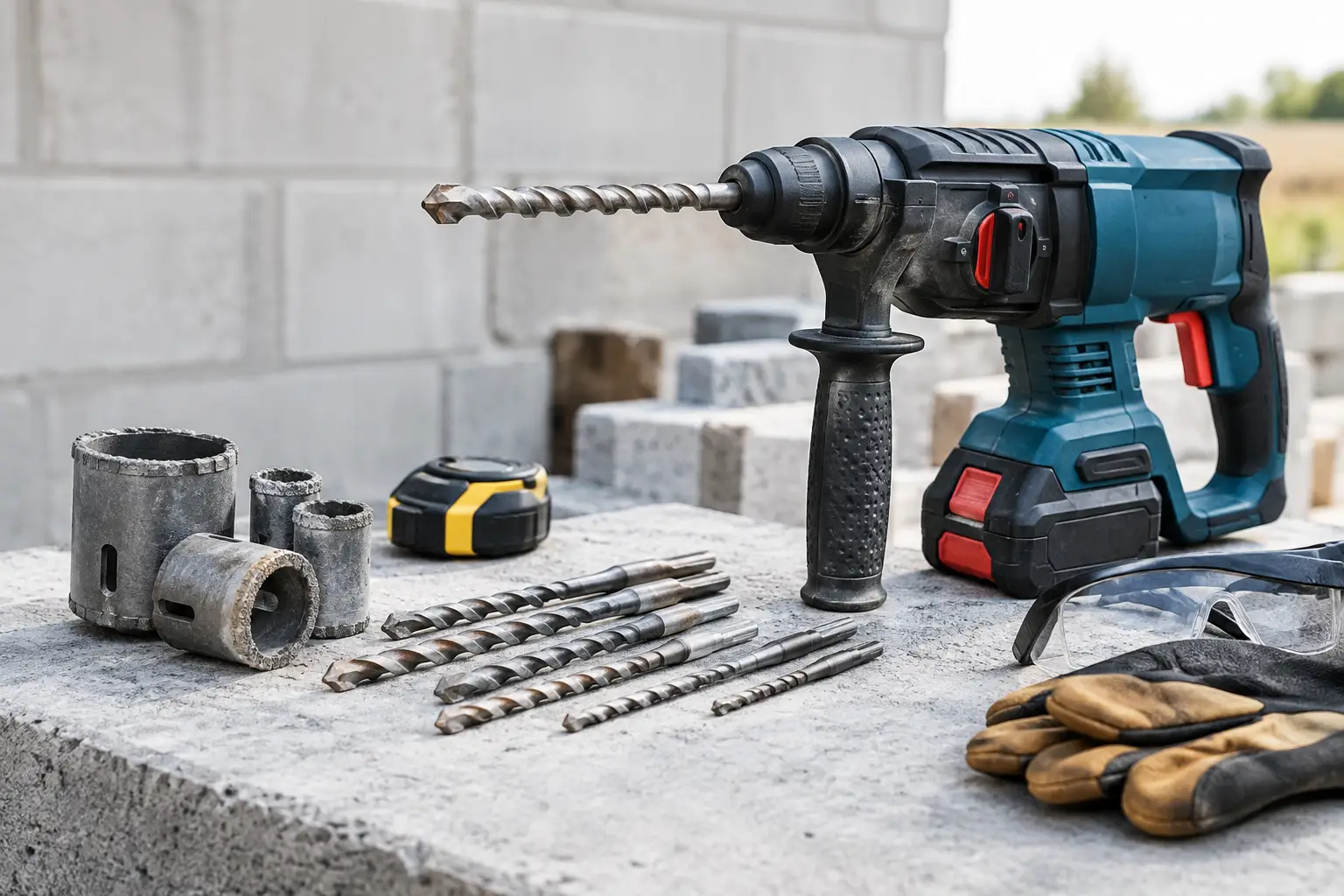
Use a variable-speed drill rather than a hammer drill. Hammer action transfers impact into a brittle material and can crack the tile or damage the diamond edge. Start at a lower speed, particularly with larger core bits, then increase only when the bit has established a stable groove.
Pressure should be firm but restrained. If the operator must force the bit to make progress, the bit is likely overheating, dull, incorrectly specified, or running at the wrong speed. Let the diamond abrasive do the work. Periodic lifting during dry drilling helps clear debris and introduce air to the cutting zone.
Support the tile properly when drilling loose material. A porcelain tile without backing can fracture at breakthrough. On installed tile, check for pipes, wiring, waterproofing layers, and voids behind the surface before drilling. A clean hole is only useful if the surrounding installation remains intact.
Selecting a Supplier for Porcelain Drilling Tools
Commercial buyers should request more than a catalog and a low unit price. Ask for recommended materials, dry or wet operating guidance, available diameter ranges, shank options, packaging specifications, and expected performance level. If the tools are intended for resale, request samples from the same production standard planned for the order.
The lowest-cost bit can be appropriate for occasional ceramic work. It is rarely the best choice for dense porcelain, large-format tile, or contractor-facing product lines where early failure becomes a distributor problem. A supplier with controlled manufacturing, stable diamond technology, and responsive technical support provides better long-term value.
Choose the drilling tool according to the hole, the material, and the working conditions. When the bit, drilling method, and operator technique are aligned, porcelain stops being a high-risk surface and becomes a controlled, repeatable application.