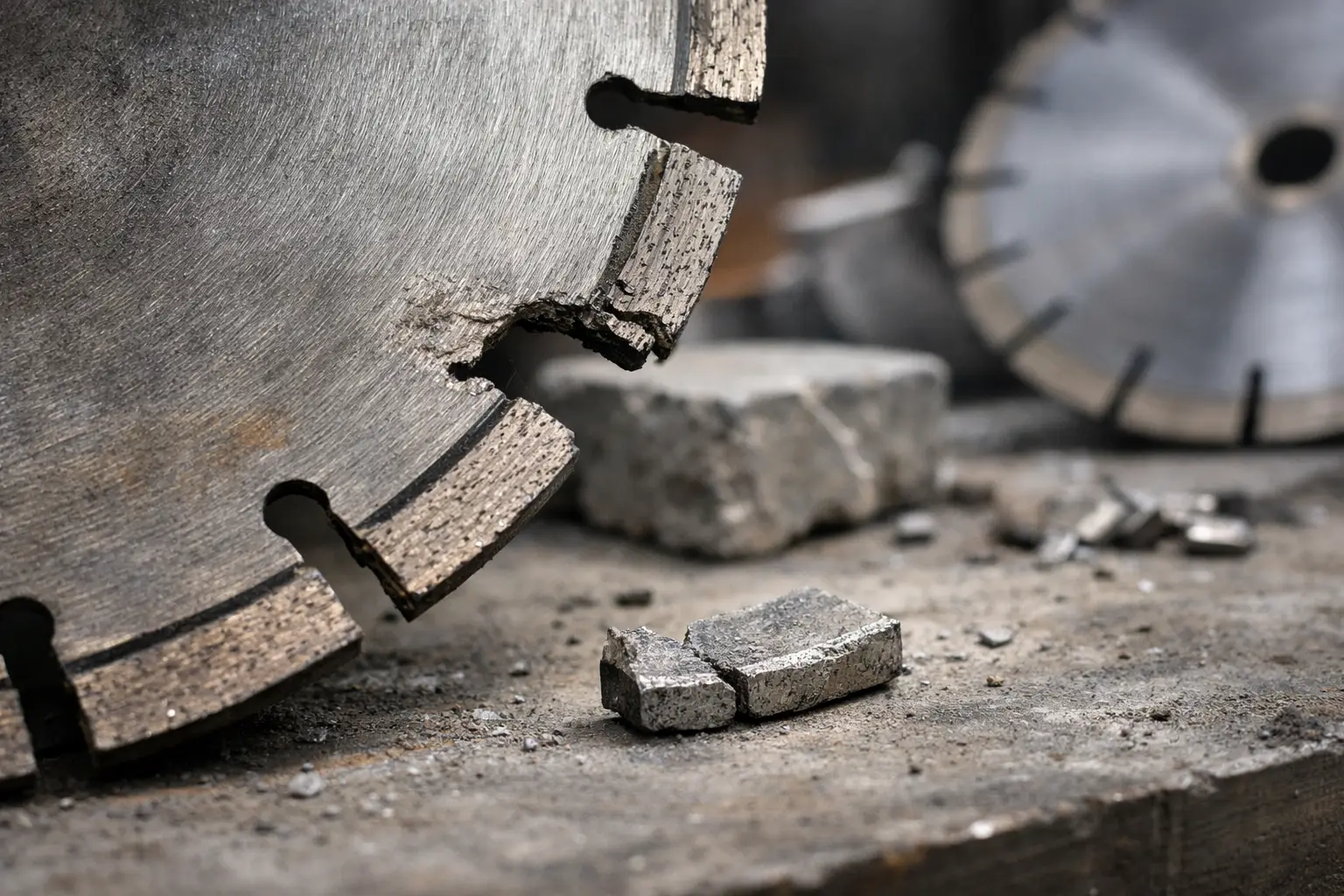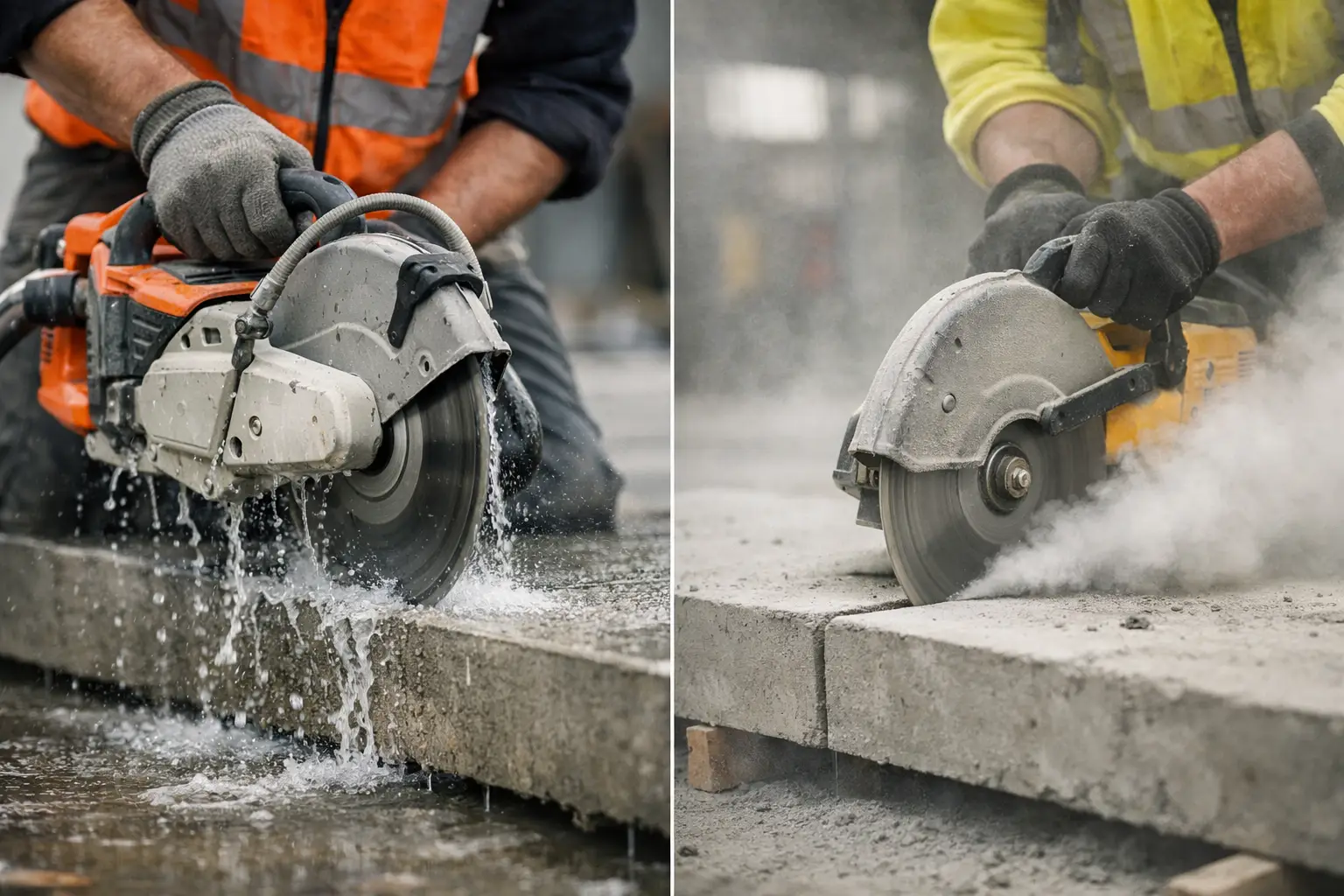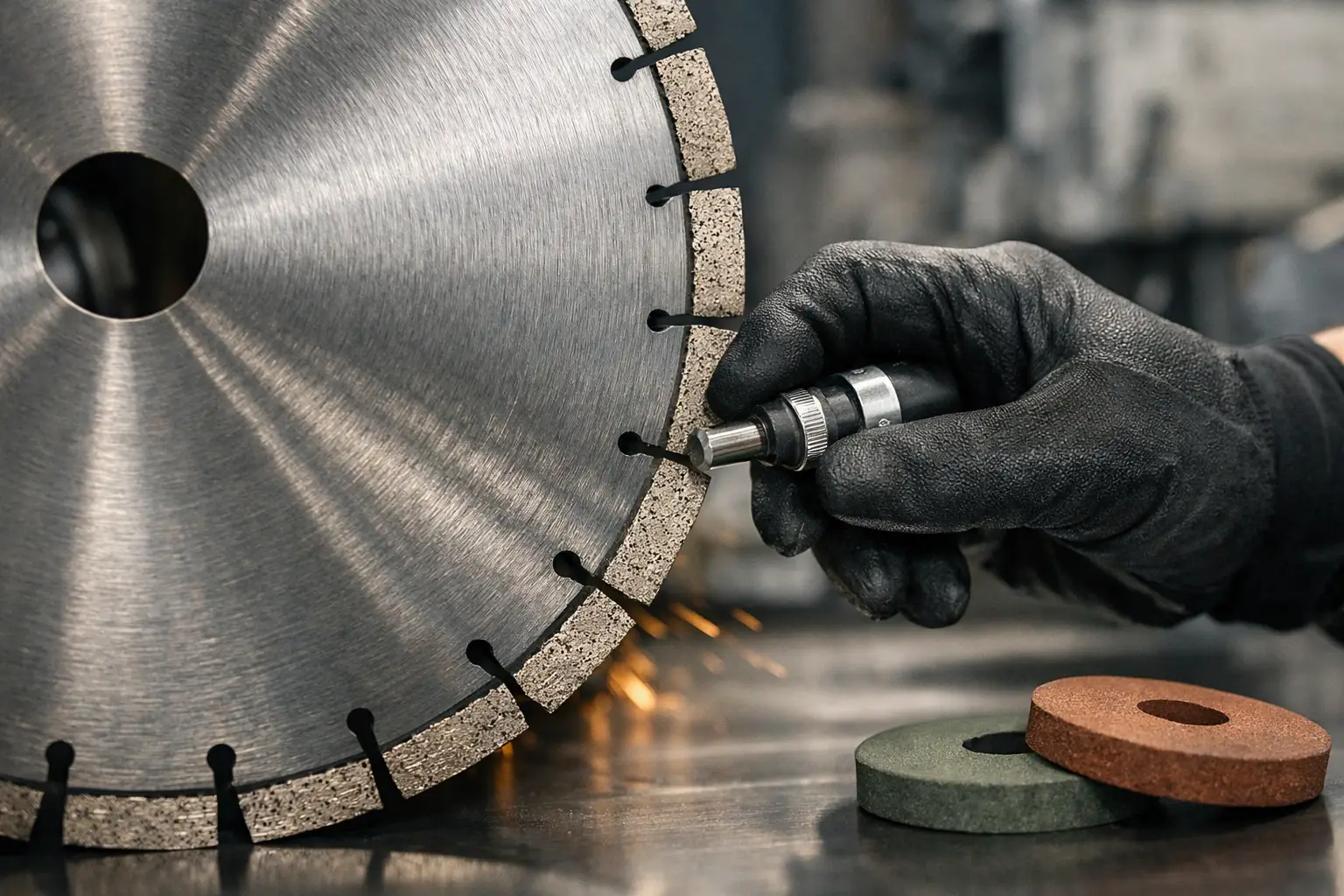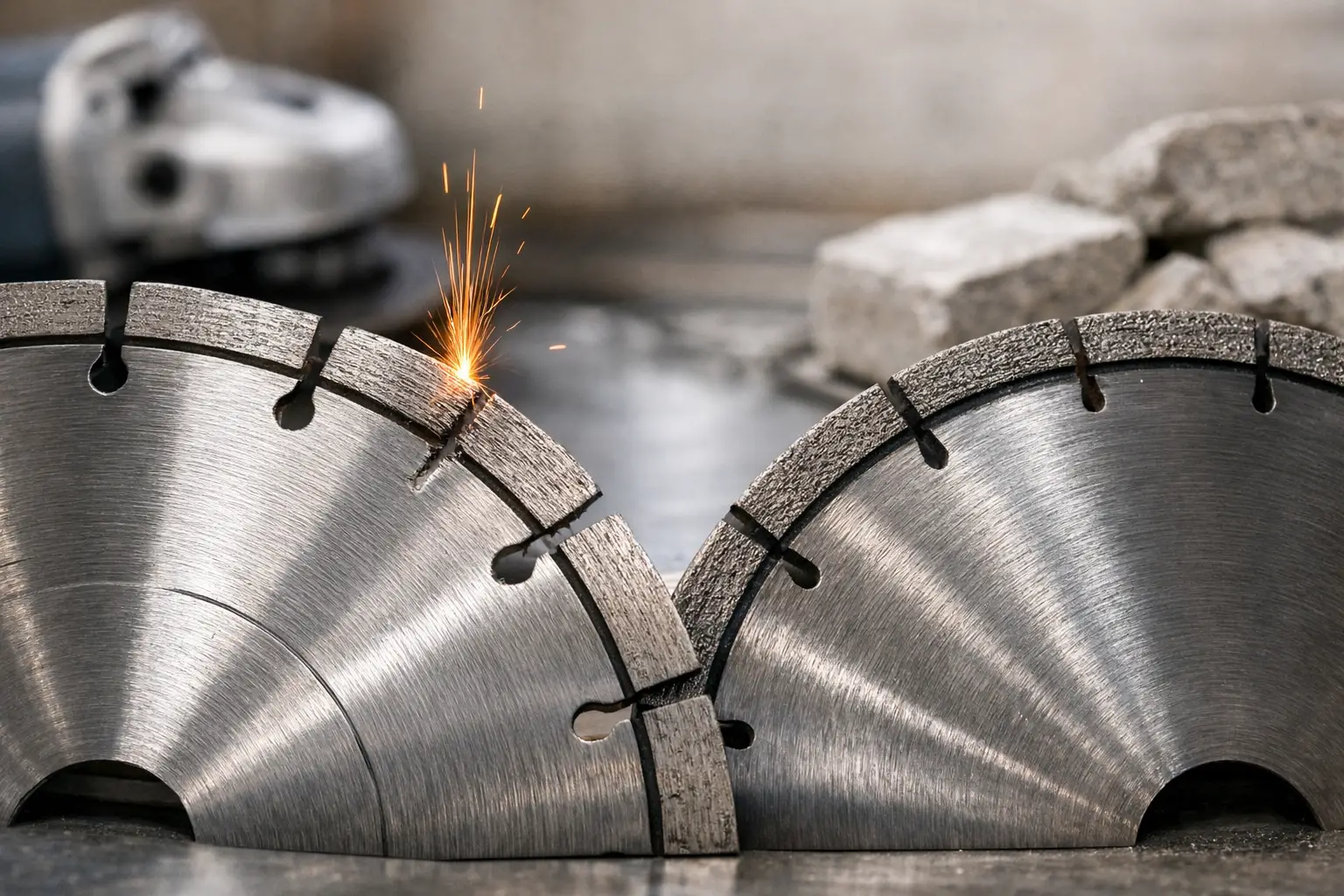

Abrasive block performance usually fails long before the invoice does. For distributors, contractors, and procurement teams, that is the real cost of choosing the wrong abrasive block manufacturer. A block that cuts too aggressively, wears unevenly, loads up too quickly, or varies from batch to batch creates rework, downtime, customer complaints, and replacement pressure across the supply chain.
That is why supplier selection should go beyond price and product photos. In industrial grinding, polishing, surface preparation, and material finishing, consistency matters more than claims. The right manufacturing partner delivers predictable performance, stable quality, and technical support that holds up under repeated commercial use.
What an abrasive block manufacturer actually supplies
An abrasive block manufacturer is not just producing a consumable. In practical terms, the manufacturer is controlling abrasive grain selection, bond formulation, density, shape accuracy, curing or sintering stability, and batch consistency. Those variables directly affect cutting rate, finish quality, wear life, and machine compatibility.
For B2B buyers, this matters because abrasive blocks are rarely purchased as isolated items. They are part of a working system that includes the substrate material, machine setup, operator expectations, and required finish. A block that performs well on one stone, concrete surface, or flooring application may underperform in another if the bond is wrong or the abrasive concentration is inconsistent.
A serious manufacturer should be able to discuss application fit with technical clarity. If the conversation stays at the level of generic hardness claims and broad promises, that is usually a warning sign.
How to evaluate an abrasive block manufacturer
The first checkpoint is manufacturing control. Many suppliers can source abrasive blocks, private label them, and quote attractive prices. That is different from controlling production. Buyers who need repeatable commercial results should ask how the product is made, how batches are monitored, and what inspection steps are in place before shipment.
Quality control is the center of the discussion. In abrasive blocks, small production variations can create major field problems. Grain size variation affects scratch pattern. Bond inconsistency changes wear speed. Dimensional inconsistency affects fit and machine stability. Weak process control often shows up as mixed performance across cartons or across repeat orders.
A dependable manufacturer should be able to support its claims with a clear approach to raw material selection, in-process inspection, and finished-product checks. That does not always mean the lowest-cost option will be rejected. It means buyers can see how the supplier controls risk.
The second checkpoint is application knowledge. An abrasive block used for aggressive stock removal is not judged by the same standard as one used for refining a surface before final finishing. Material type also changes the requirement. Concrete, engineered stone, granite, ceramic, and other surfaces place different demands on the abrasive structure and bond.
A capable supplier should ask how the block will be used, not just how many pieces are needed. That difference is significant. It shows whether the manufacturer is trying to fit the product to the application or simply move standard inventory.
Why batch consistency matters more than sample performance
Many buyers have had the same experience. The sample works well, the trial order is acceptable, and the bulk order creates complaints. This usually points to unstable production control rather than a one-time shipping issue.
Sample performance matters, but repeat performance matters more. A qualified abrasive block manufacturer should be able to maintain the same standard across production runs, especially for wholesale and distributor orders. That is where disciplined factories separate themselves from trading operations.
For importers and distributors, batch inconsistency creates damage beyond one shipment. It affects downstream trust. End users do not usually care whether the issue came from abrasive grain variation, bond changes, or curing errors. They only see that the product did not perform like the last order.
Questions B2B buyers should ask before placing volume orders
The right questions are usually technical and commercial at the same time. Buyers should ask what materials the block is designed for, what machine types it fits, what bond options are available, and how the manufacturer handles OEM or custom specifications. They should also ask about minimum order quantities, lead times, packaging options, and production capacity for repeat supply.
It is also worth asking how performance is tested internally. Not every factory will share the same level of documentation, but serious suppliers should be able to explain how they verify hardness, dimensional tolerance, wear behavior, or application suitability.
Another practical question is how the supplier handles quality issues. Even strong factories encounter occasional problems. The difference is in response speed, root-cause analysis, and corrective action. A manufacturer with real export experience will usually have a more structured process for this than a small trader managing multiple unrelated sources.
OEM and custom production are not just branding options
For many wholesalers and distributors, OEM is not only about putting a private label on a carton. It is about aligning the product with a target market. GCC buyers, for example, may need product configurations suited to local materials, operator preferences, and purchasing patterns. Packaging, labeling, grit combinations, hardness range, and block dimensions can all affect commercial success.
This is where a manufacturing partner has more value than a simple reseller. A factory with OEM and ODM capability can adjust specifications to improve fit for a market segment instead of forcing every customer into the same standard item.
That said, customization has trade-offs. It can increase lead time, require testing cycles, and involve higher minimums. For some buyers, a stable standard product is the better commercial decision. For others, especially private-label distributors, custom production creates stronger market differentiation and better margin control. It depends on volume, market maturity, and the end-user requirement.
Supply reliability is part of product quality
Industrial buyers often evaluate abrasive blocks by wear life and finish quality, but supply consistency deserves equal weight. A high-performing block is not much use if production delays disrupt your inventory cycle or if specifications drift between orders when the factory is overloaded.
A dependable abrasive block manufacturer should be able to discuss production planning, export handling, and order scheduling in a practical way. For buyers serving contractors or retail distribution channels, missed delivery windows can be as damaging as field failure. The best suppliers understand that product quality and delivery reliability are part of the same commercial promise.
This is especially relevant for companies buying in bulk for multiple markets. Packaging standards, labeling accuracy, palletization, and shipment readiness all affect warehouse efficiency and resale speed. Operational discipline at the factory level often shows up in these details.
Red flags that usually signal future problems
Some warning signs are easy to miss during quoting. One is vague technical language. If a supplier cannot clearly explain the difference between product grades, application suitability, or expected performance behavior, support after the sale will likely be weak as well.
Another red flag is unstable pricing without explanation. Raw materials do move, and market conditions change, but inconsistent quotations can indicate weak sourcing control or a lack of manufacturing stability. Buyers should also be cautious when every product is described as suitable for every material. In abrasives, broad claims usually hide poor application matching.
Communication quality is another practical test. Export buyers need clear answers, specification accuracy, and realistic lead times. Delayed or incomplete responses during the inquiry stage rarely improve after payment.
What a long-term manufacturing partner looks like
The best abrasive block supplier is usually not the one with the lowest opening quote. It is the one that reduces commercial risk over time. That means stable quality, repeatable production, useful technical communication, and the ability to support market-specific requirements as your business grows.
For buyers managing distributor networks, contract supply, or recurring project demand, that partnership model matters. A manufacturer that understands grinding and finishing applications, keeps quality under control, and supports OEM requirements can help protect your reputation in the market. Ryhyoma fits this model by focusing on industrial tool manufacturing with strict quality control, stable export supply, and commercially practical support for bulk buyers.
When you evaluate an abrasive block manufacturer, look past the sample and the unit price. The better question is whether this supplier can deliver the same result again, at scale, when your customers are depending on it.