
Diamond Saw Blades for Cutting Granite: A Comprehensive Overview
Granite, revered for its exceptional durability, aesthetic appeal, and versatile applications, is a prominent material in various industries, including construction, architecture, and interior design. Commonly used for countertops, flooring, and facades, granite’s robust nature makes it a challenging material to work with, particularly when precise cutting is required. A diamond saw blade is the optimal tool for cutting granite, offering the precision and efficiency needed for this task. This article aims to provide a detailed guide on diamond saw blades for cutting granite, discussing their features, types, and key considerations when selecting the appropriate blade.
Understanding Diamond Saw Blades
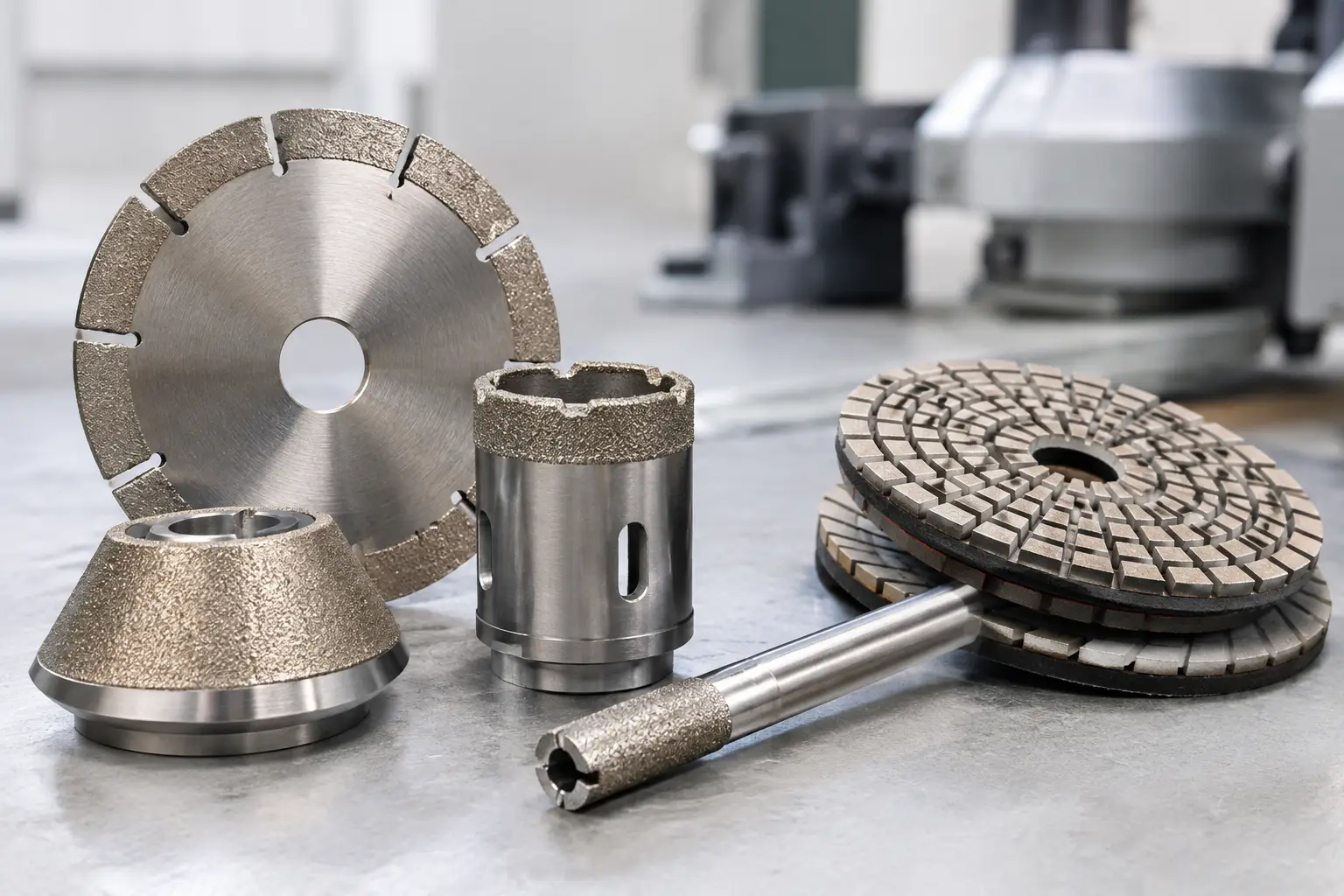
A diamond saw blade is a high-performance cutting tool designed for demanding tasks, particularly those involving hard and dense materials like granite. These blades are equipped with industrial-grade diamonds embedded in the cutting edge. The hardness of the diamond particles enables the blade to cut through tough materials by grinding, chipping, and slicing the surface efficiently. The use of diamonds as an abrasive makes the blade capable of withstanding the high levels of heat and pressure generated during the cutting process, ensuring optimal performance and longevity.
Diamond saw blades are available in various designs, primarily differentiated by their rim and segment configurations, and are suitable for both wet and dry cutting applications. The wet cutting method, which involves the use of water, reduces friction, dissipates heat, and minimizes the production of dust. This prolongs the life of the blade and enhances cutting efficiency, making it ideal for large-scale or precision projects.
Why Opt for a Diamond Saw Blade to Cut Granite?
Granite is composed of minerals such as quartz, feldspar, and mica, which contribute to its strength and resistance to wear. However, these properties also make it a particularly difficult material to cut without specialized equipment. Traditional steel or carbide-tipped blades often lack the required durability and sharpness to handle granite effectively, leading to poor performance and accelerated blade wear.
In contrast, diamond saw blades offer several distinct advantages when it comes to cutting granite:
- Precision and Clean Cuts: Diamond blades provide superior precision and smooth cutting edges, ensuring a high-quality finish. This is particularly important for applications like countertop fabrication, where aesthetic appeal is paramount.
- Durability: The industrial-grade diamonds embedded in the blade allow it to maintain sharpness for longer periods. This extends the blade’s operational life, minimizing the need for frequent replacements.
- Efficiency: Diamond blades are designed to cut through granite rapidly and effectively, reducing overall project time and enhancing productivity, especially for high-volume tasks.
- Heat Resistance: The extreme hardness of the diamonds enables the blade to withstand the heat generated during cutting without compromising its structural integrity. This ensures that the cutting process remains consistent and efficient.
- Versatility: Diamond saw blades are compatible with both wet and dry cutting techniques. Wet cutting helps to cool the blade and mitigate dust, whereas dry cutting is ideal for quicker, more convenient tasks where water may not be available.
Types of Diamond Saw Blades for Cutting Granite
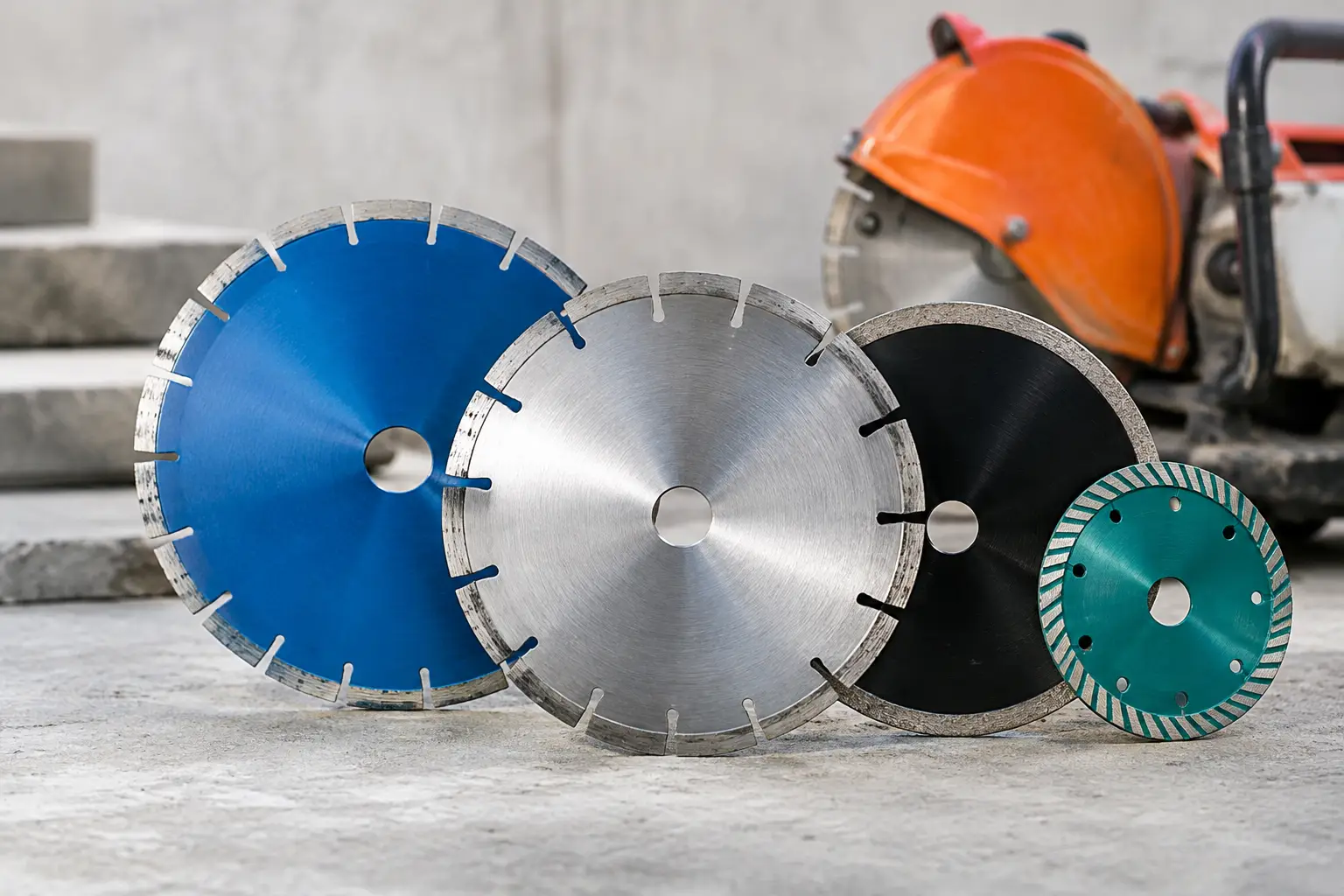
Diamond saw blades come in a range of configurations, each tailored for specific cutting requirements. The main types of diamond blades used for granite cutting include continuous rim blades, segmented blades, and turbo blades. Each type offers unique benefits and is suited for different applications.
1. Continuous Rim Diamond Blades
Continuous rim diamond blades feature a smooth, uninterrupted edge with a consistent layer of diamond particles. These blades are designed to provide smooth and precise cuts, making them ideal for applications that demand fine finishes, such as countertop fabrication or decorative stone cutting. The continuous design minimizes chipping, allowing for a clean edge that is free from cracks or breakage.
Advantages:
- Superior cut quality with minimal chipping
- Ideal for precision tasks that require smooth, clean cuts
- Typically used for wet cutting applications
Disadvantages:
- Slower cutting speed compared to segmented blades
- May not be suitable for thick granite slabs
2. Segmented Diamond Blades
Segmented diamond blades have a series of distinct segments or "teeth" along the edge of the blade, each embedded with diamond particles. These segments are designed to optimize cutting speed, enabling faster cuts through hard materials like granite. The gaps between the segments allow for efficient debris removal and better cooling during the cutting process, especially during dry cutting applications.
Advantages:
- Faster cutting speed compared to continuous rim blades
- Effective for cutting through thicker granite slabs
- Suitable for both wet and dry cutting applications
Disadvantages:
- May produce more chipping than continuous rim blades
- The rougher cut edge may require additional finishing
3. Turbo Diamond Blades
Turbo diamond blades are a hybrid of the continuous rim and segmented designs. These blades feature a continuous rim with turbo-like indentations or notches that increase cutting speed while maintaining smoothness. Turbo blades are versatile and suitable for both wet and dry cutting, offering a balance between speed, precision, and cooling.
Advantages:
- High cutting speed combined with smooth finishes
- Ideal for both wet and dry cutting
- Provides a good balance between cutting efficiency and edge quality
Disadvantages:
- May wear faster than segmented blades under heavy use
- Not as suitable for fine precision tasks as continuous rim blades
Key Considerations When Selecting a Diamond Saw Blade for Granite
Choosing the appropriate diamond saw blade for cutting granite is critical to ensuring a smooth and efficient cutting process. Several factors must be considered when making this selection, including the blade’s diameter, segment height, cutting method, and compatibility with the saw.
1. Blade Diameter
The diameter of the diamond saw blade should correspond to the size of the saw and the thickness of the granite being cut. Larger diameter blades are typically used for thicker granite slabs and industrial-sized saws, such as bridge saws or masonry saws. Smaller diameter blades are ideal for lighter applications, such as countertop fabrication or smaller-scale cuts using handheld saws.
2. Segment Height
The segment height refers to the depth of the diamond segments on a segmented blade. Higher segment heights generally provide greater durability and can handle tougher, thicker materials. For granite, a higher segment height is often preferable, as it ensures longer blade life and allows for deeper cuts without compromising performance.
3. Wet vs. Dry Cutting
Diamond blades are versatile and can be used for both wet and dry cutting. Wet cutting, which involves using water to cool the blade and reduce friction, is ideal for cutting large granite slabs and for tasks that require a smoother finish. Wet cutting helps minimize dust and extends the lifespan of the blade.
Dry cutting, while faster and more convenient, generates more heat and dust, which can lead to faster blade wear. Dry cutting may be preferred for small projects or when water is not readily available, but it may not be as effective for thicker materials or precision cuts.
4. Quality of the Blade
The quality of the diamond blade plays a critical role in achieving optimal cutting results. High-quality diamond blades are crafted using premium-grade diamonds, ensuring superior cutting performance and longer blade life. Reputable manufacturers, such as MK Diamond, DeWalt, and Bosch, are known for producing durable and high-performing blades that can withstand the demands of cutting hard materials like granite.
5. Compatibility with the Saw
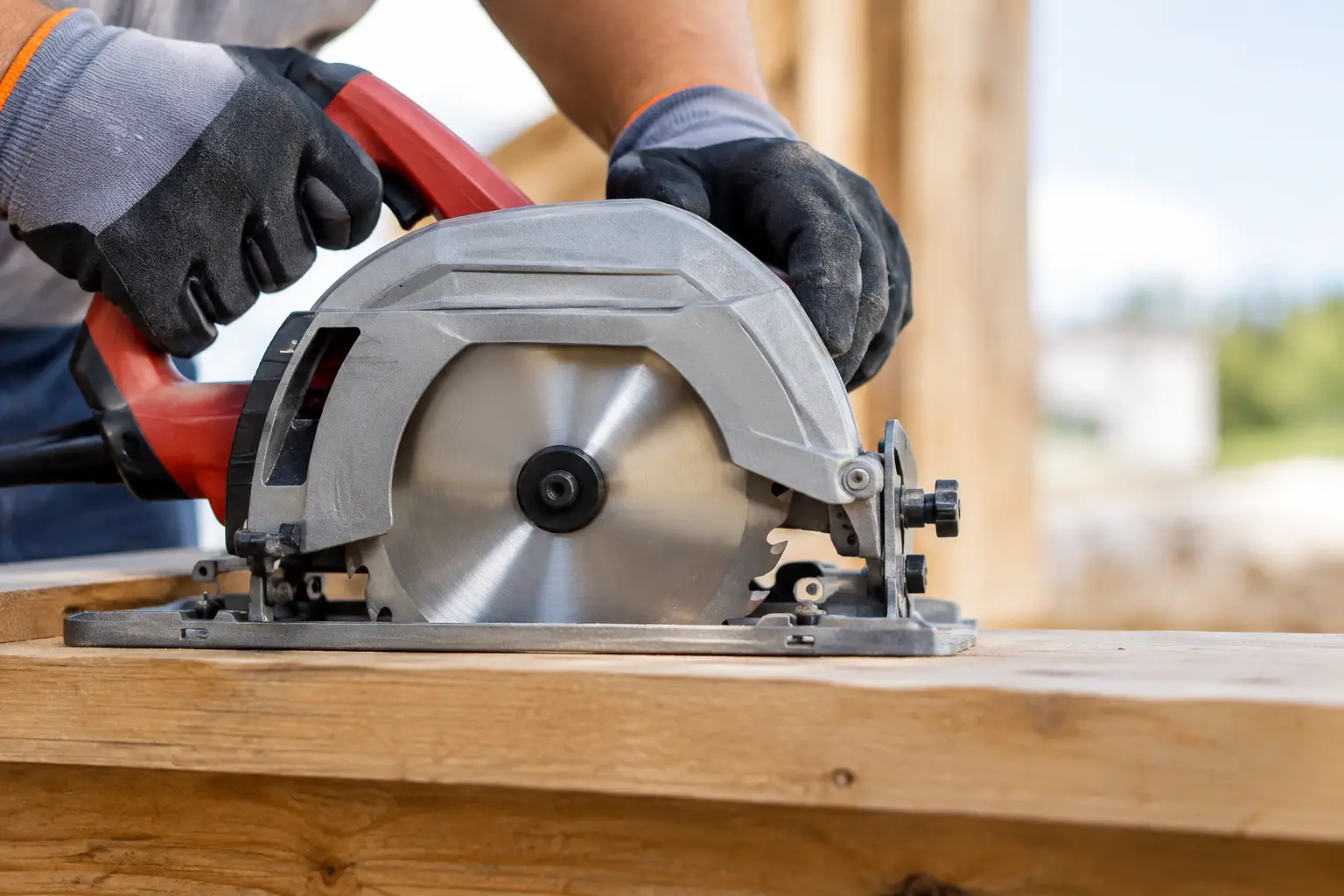
It is essential to ensure that the diamond blade is compatible with the saw being used. Different saws, such as circular saws, bridge saws, or angle grinders, require specific blade sizes and configurations. Always verify that the blade fits securely with the saw, as this will ensure safe and efficient operation.
Conclusion
Cutting granite requires specialized tools, and diamond saw blades are the best solution for achieving clean, precise, and efficient cuts. By understanding the various types of diamond saw blades—continuous rim, segmented, and turbo—and considering factors such as blade diameter, segment height, and cutting method, professionals and DIY enthusiasts can select the most appropriate blade for their specific needs.
Whether you are cutting granite countertops, flooring, or other applications, investing in a high-quality diamond saw blade will not only enhance the efficiency of the cutting process but also extend the lifespan of your equipment. With the right blade, cutting granite becomes a straightforward and reliable task, ensuring both aesthetic precision and long-term durability.