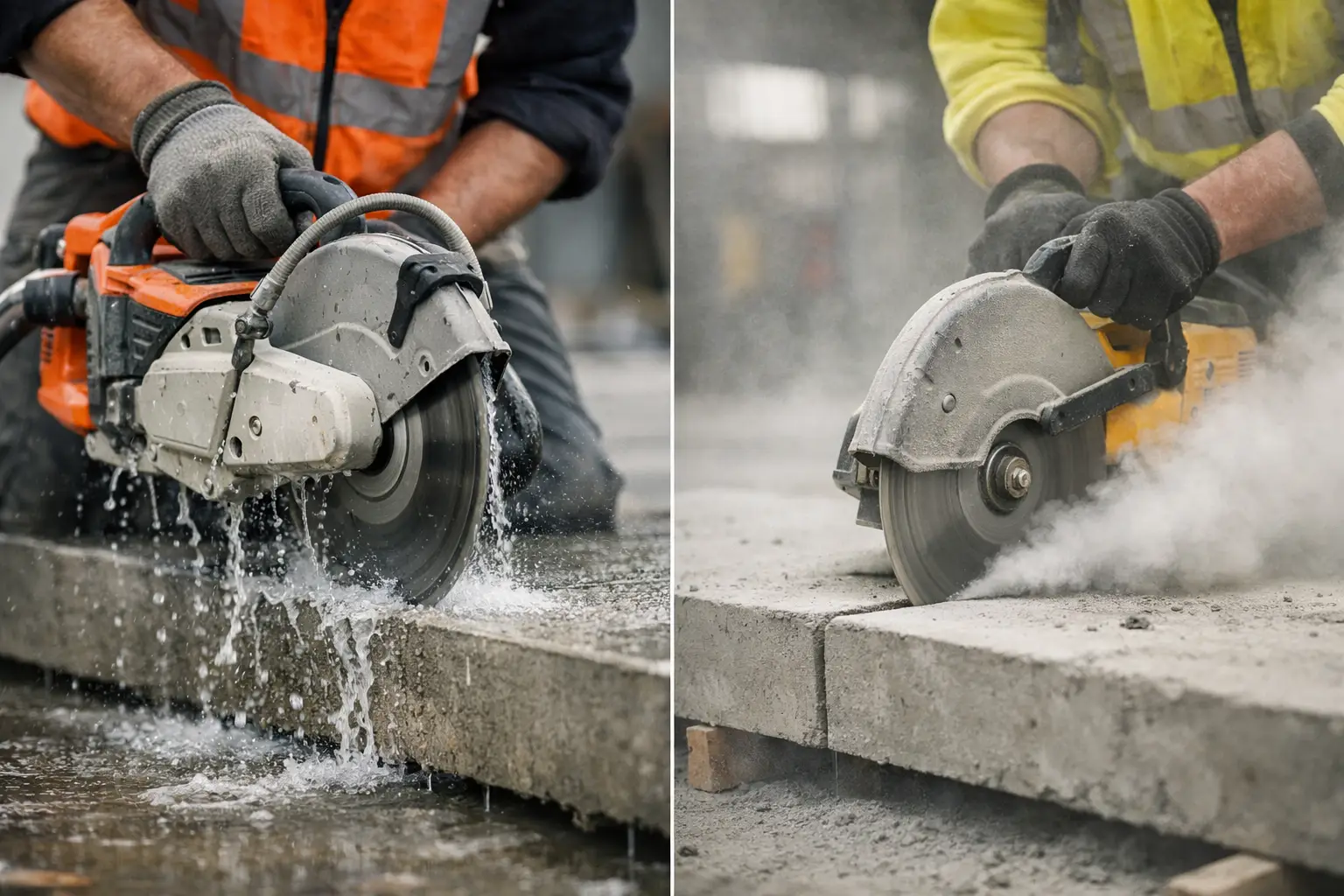
A blade that performs well in one cutting setup can fail early in another. The decision between wet cutting vs dry cutting affects diamond exposure, cutting speed, dust control, edge quality, operator safety, and total job cost. For distributors, contractors, and fabrication buyers, this is not simply a preference for water or no water. It is a tool-and-application decision that should be made before specifying a blade, saw, or bulk supply program.
Wet Cutting vs Dry Cutting: The Core Difference
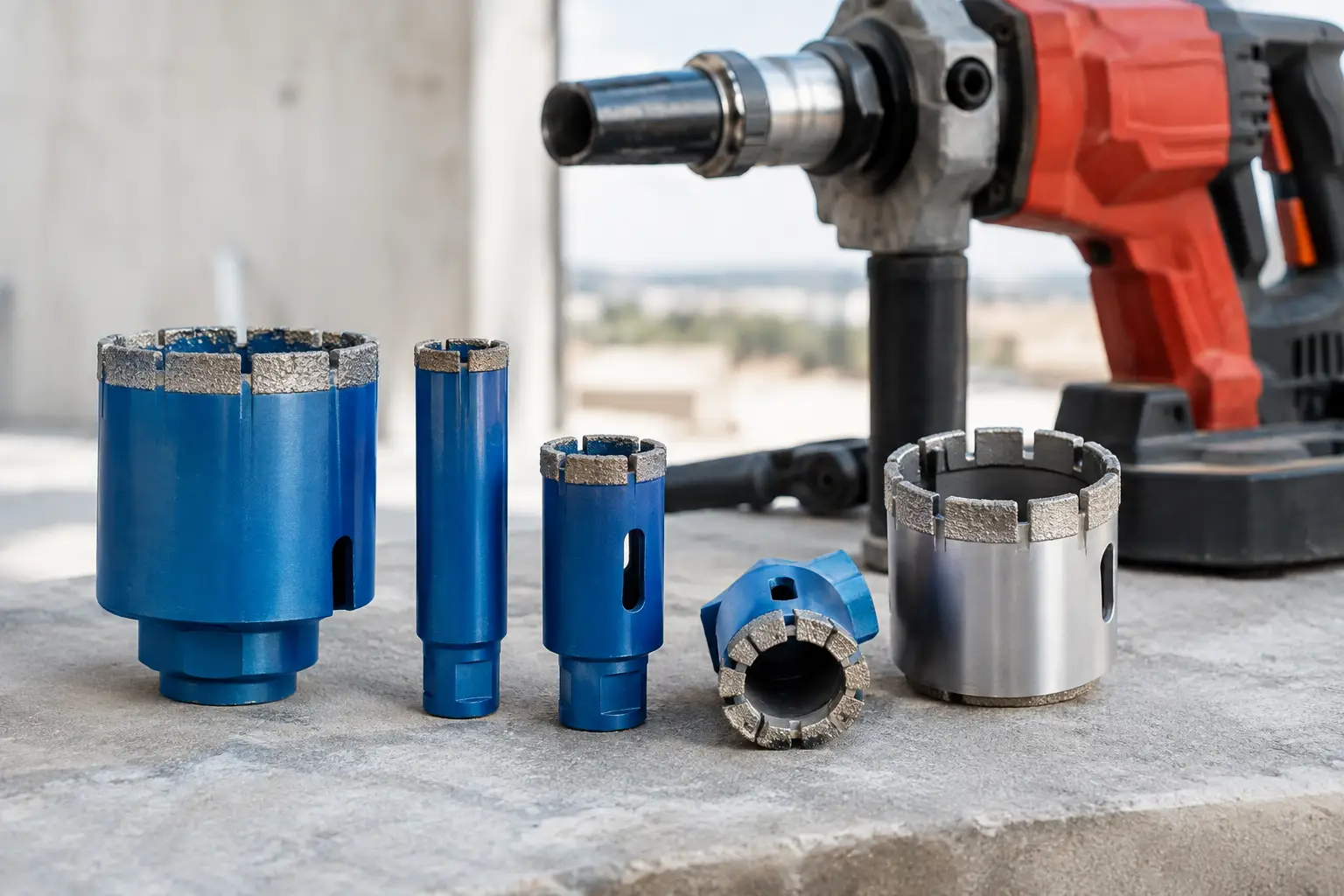
Wet cutting uses a controlled water supply at the point where the diamond blade contacts the material. The water cools the blade and workpiece, carries abrasive slurry away from the kerf, and suppresses airborne dust. It is common with bridge saws, tile saws, masonry saws, core drilling equipment, and stationary stone-processing machines.
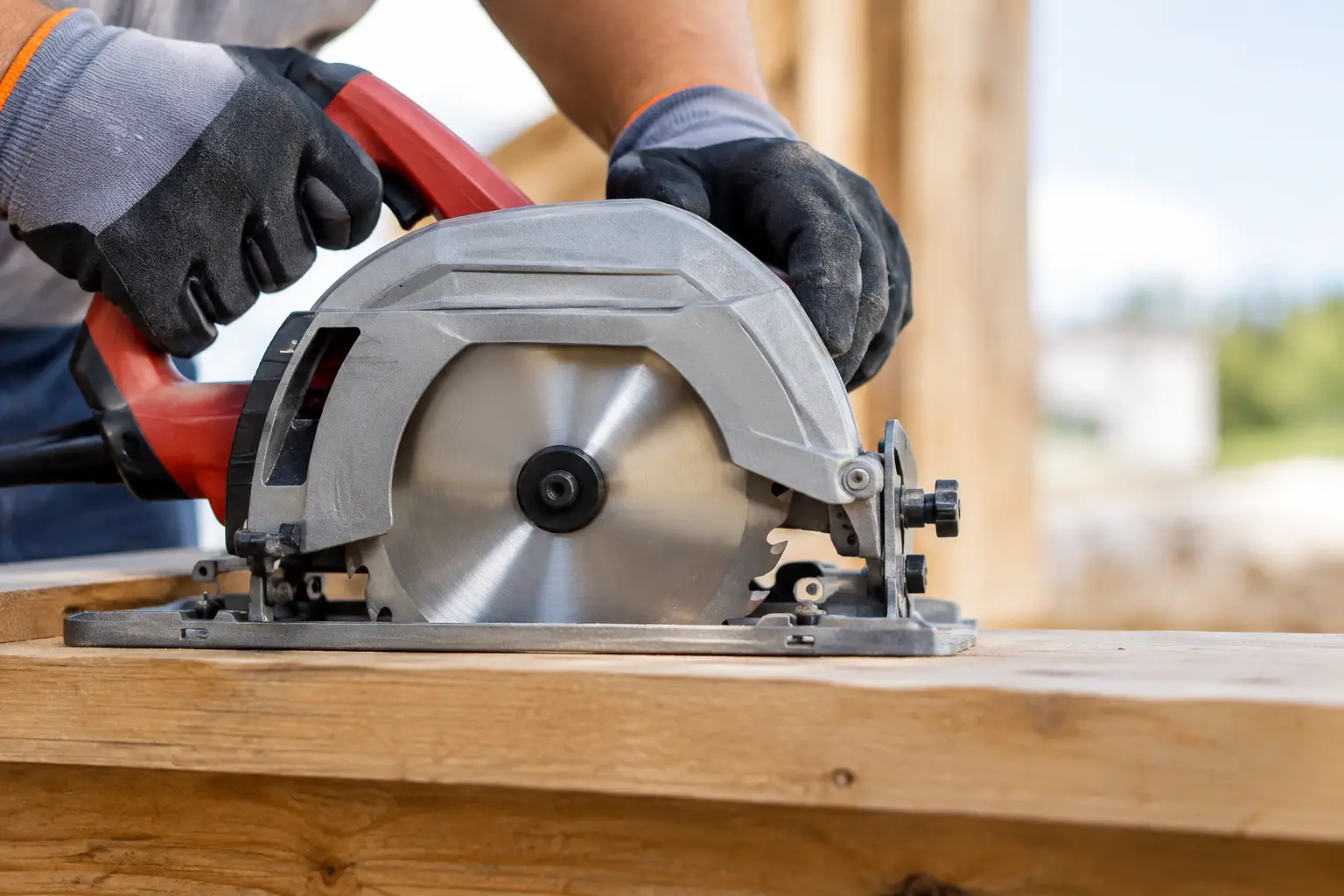
Dry cutting operates without a water feed. It relies on blade design, segment configuration, airflow, and correct operating technique to manage heat. Handheld angle grinders, power cutters, demolition saws, and some walk-behind saw applications often use dry-rated blades because bringing water to the job site is difficult or impractical.
The methods are not interchangeable by default. A wet-only blade used dry can overheat, warp, lose diamond retention, or experience premature segment damage. A dry-rated blade can often tolerate limited wet use if the manufacturer permits it, but the opposite is not automatically true. Product labeling, machine compatibility, and the cutting material must govern the decision.
Why Water Changes Cutting Performance
Diamond tools cut through abrasion. The bond matrix gradually wears away to expose new diamond particles, while the exposed diamonds grind the material. Excessive heat disrupts this balance. It can glaze the blade, reduce diamond retention, burn the workpiece, and place unnecessary stress on the steel core.
Water controls heat at the cutting zone. This usually allows longer continuous cuts, especially in dense materials such as granite, engineered stone, thick porcelain, reinforced concrete, and hard masonry. It also clears fine particles from the cut. A cleaner kerf reduces friction and helps the blade continue cutting rather than rubbing.
Wet cutting generally produces a cleaner edge on materials where chipping matters. Ceramic tile, porcelain slabs, marble, granite, and specialty surfaces such as Dekton often benefit from stable water flow and a blade selected for the material's hardness and brittleness. Water alone will not prevent chipping if the blade bond, rim design, feed rate, or machine condition is wrong, but it gives the operator better control over the process.
For concrete and asphalt cutting, water can extend blade life and support faster production on longer cuts. It also reduces visible dust, which is a major operational advantage in occupied buildings, urban projects, and controlled work areas.
Wet Cutting Limitations
Water introduces its own requirements. The saw needs a reliable supply, adequate flow, and effective drainage or slurry containment. On indoor renovation sites, slurry can damage finished surfaces, create cleanup work, and complicate access. Freezing conditions, restricted water use, electrical safety considerations, and remote locations can also make wet cutting less practical.
Water quality deserves attention in high-volume fabrication. Dirty recirculated water carries abrasive solids that can affect pumps, nozzles, and equipment maintenance. The operation should use a suitable filtration and recycling approach where required, rather than treating water management as an afterthought.
When Dry Cutting Is the Better Choice
Dry cutting is often the practical choice when mobility matters more than maximum continuous cutting time. A contractor cutting pavers outdoors, opening a wall with a handheld saw, trimming concrete blocks, or making short cuts on a job site may need a dry-rated diamond blade and no external water system.
The main advantage is operational simplicity. There is no water tank, pump, hose, slurry collection, or wet cleanup. This can improve setup speed and keep a mobile crew productive across multiple small cutting tasks.
However, dry cutting demands discipline. The operator must avoid forcing the blade through the material. Excessive feed pressure increases heat, reduces cutting speed, and can cause a blade to wander or bind. For many handheld applications, intermittent cutting is necessary. Short cutting intervals allow the blade to run freely and cool in the air before the next pass.
Dry cutting also requires effective dust management. Cutting concrete, mortar, brick, stone, and similar materials can generate respirable silica dust. A dry blade does not remove the need for dust control. Depending on the application, the operation may require a saw with integrated extraction, a properly rated vacuum system, shrouds, local jobsite controls, and suitable personal protective equipment.
Blade Design Matters More in Dry Applications
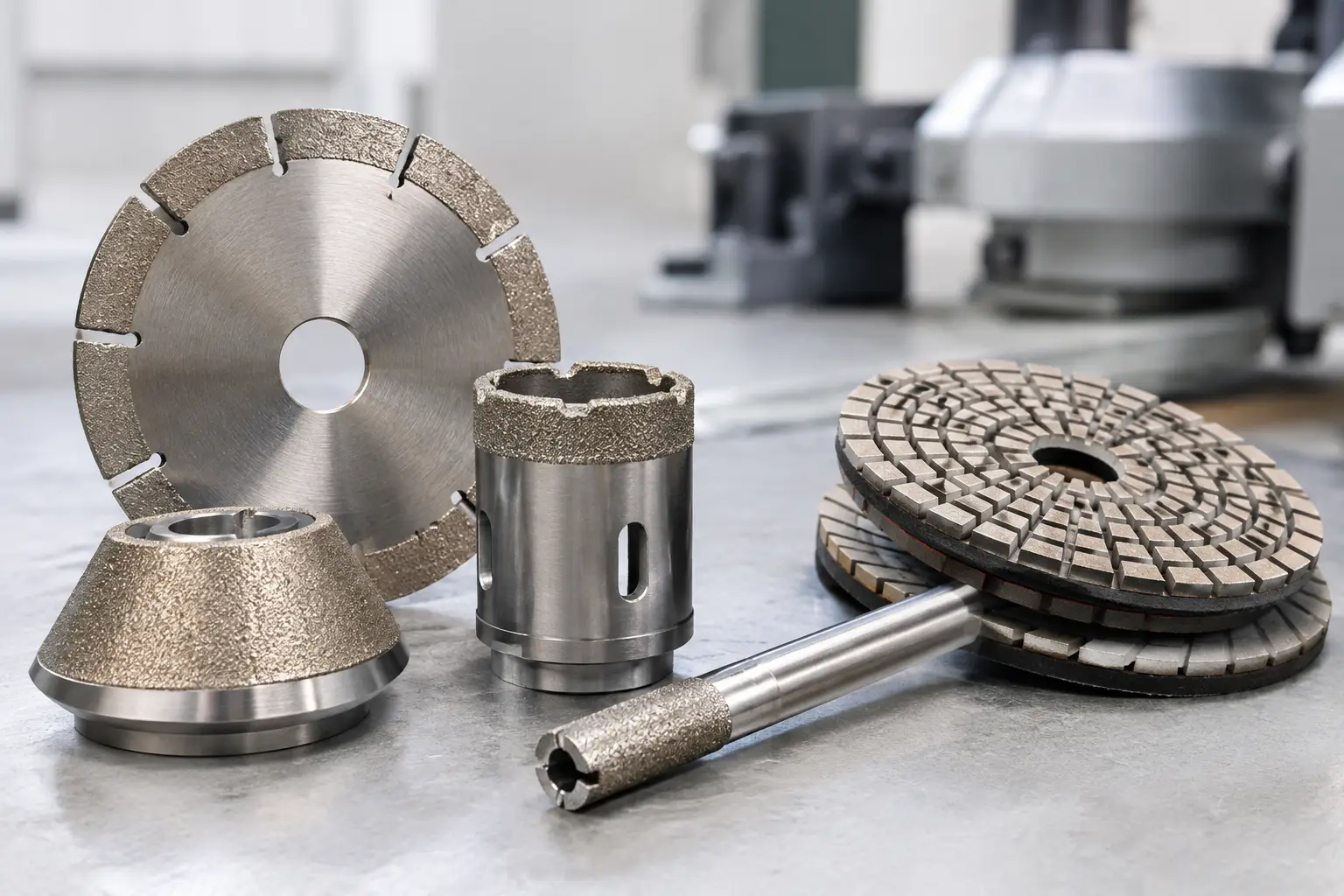
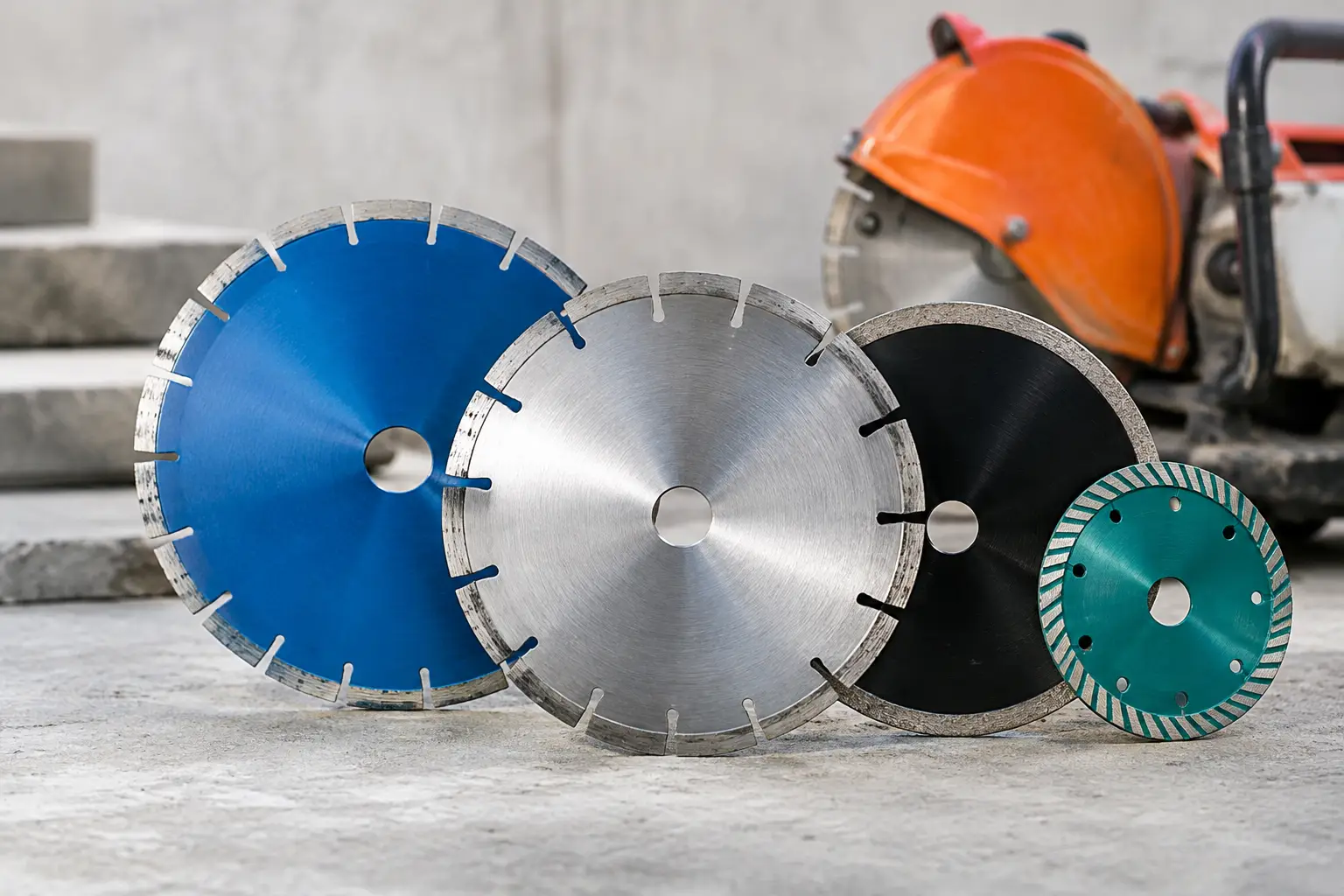
A dry-cutting diamond blade is engineered to release heat through its core and segment arrangement. Segmented rims, cooling holes, and laser-welded construction are common features for demanding dry applications. Segment spacing helps move air and debris through the cut, while the bond formulation must match the material so the diamonds remain exposed at a productive rate.
For example, a blade designed for abrasive concrete needs a different bond behavior than one intended for hard porcelain or dense granite. Using one general-purpose blade across every material may appear economical at purchase, but it often produces inconsistent results, slower cutting, and higher replacement consumption.
Comparing Wet and Dry Cutting by Application
For tile and slab fabrication, wet cutting is normally the stronger choice. It supports cleaner edges, reduced chipping, and longer cutting cycles on hard, brittle materials. A continuous-rim or specialty turbo blade with the correct bond is often selected according to the material and finish requirement.
For reinforced concrete, either method can be suitable. Wet cutting is preferred for deep, extended, or high-production cuts where cooling and dust control are priorities. Dry cutting can be effective for short, mobile work when a dry-rated, laser-welded blade is used with proper dust extraction and operator technique.
For pavers, blocks, and general masonry, the choice depends on jobsite conditions. A wet masonry saw can provide cleaner cuts with lower dust, while a dry blade gives crews more flexibility in open outdoor environments. For asphalt, wet cutting may help on prolonged cuts, but blade selection must account for the material's abrasive nature and the machine's horsepower.
For metal cutting, the answer depends heavily on the tool category. Certain vacuum-brazed diamond blades are engineered for specific metal or multi-material applications, while many conventional metal-cutting operations use abrasive wheels. Buyers should not assume that a concrete diamond blade is suitable for steel, rebar, or mixed embedded materials without verified application guidance.
Cost Should Be Measured Per Productive Cut
A lower-priced blade is not necessarily the lower-cost option. Procurement teams should evaluate cutting cost through blade life, cutting speed, rework, downtime, dust-control requirements, and the number of blades consumed per project or per shift.
Wet cutting may require more equipment and cleanup, but it can reduce blade consumption and improve finish quality. Dry cutting can reduce setup time and increase mobility, but poor technique or an incorrectly specified blade may quickly erase those savings through overheating and premature wear.
For distributors and OEM buyers, consistency is equally important. A blade must perform predictably across different production batches, operators, and local job conditions. This requires controlled diamond concentration, bond formulation, segment welding quality, core flatness, and application testing. Laser-welded segments are particularly valuable where high heat and demanding cutting conditions place stress on the blade-to-segment connection.
How to Specify the Right Tool
Start with the material, not the machine. Identify whether the material is abrasive, hard, brittle, reinforced, layered, or prone to chipping. Then define the cut depth, expected linear footage, required finish, available power, and whether water and dust extraction can be managed at the site.
Next, match the blade to the operating method. Confirm whether it is wet-only, dry-only, or rated for both conditions. Check the blade diameter, arbor size, maximum RPM, segment type, and machine compatibility. A correctly selected blade can still underperform if it is installed on an underpowered saw, run at the wrong speed, or used with worn bearings and poor alignment.
For bulk buyers, field trials are useful before committing to a container order or private-label specification. Test the blade on representative materials and record cut speed, blade wear, edge condition, operator feedback, and cooling or dust-control conditions. A supplier should be able to discuss the intended application in technical terms, not simply recommend the most expensive option.
Ryhyoma supports industrial buyers with diamond tool specifications built around material, machine, and operating conditions. The most reliable purchasing decision comes from treating wet or dry cutting as part of the full system: tool design, equipment capability, operator method, and jobsite controls all need to work together.
The practical rule is simple: use wet cutting when heat, dust, finish quality, or extended cutting time controls the job, and use dry cutting when mobility and fast setup are essential - but only with a blade engineered for dry operation and a realistic plan for dust and heat management.