A floor grinder can leave the job site with one side of its tooling nearly exhausted and the other side still carrying usable diamond. When buyers ask, why do grinding blocks wear unevenly, the answer is rarely a single defective block. Uneven wear usually points to an imbalance between the floor, the machine, the selected bond, and the way the equipment is operated.
For contractors, uneven wear increases consumable cost, reduces production consistency, and can compromise floor flatness. For distributors and procurement teams, recurring wear complaints also create a more difficult question: Is the cause tool quality, incorrect specification, or operating conditions? A disciplined diagnosis separates these issues before the next bulk order or project begins.
Why Do Grinding Blocks Wear Unevenly?
Grinding blocks are designed to wear at a controlled rate. As the metal bond erodes, fresh diamond particles are exposed to continue cutting. This process is called self-sharpening. It only works properly when each block receives a similar share of load and encounters a broadly similar section of floor.
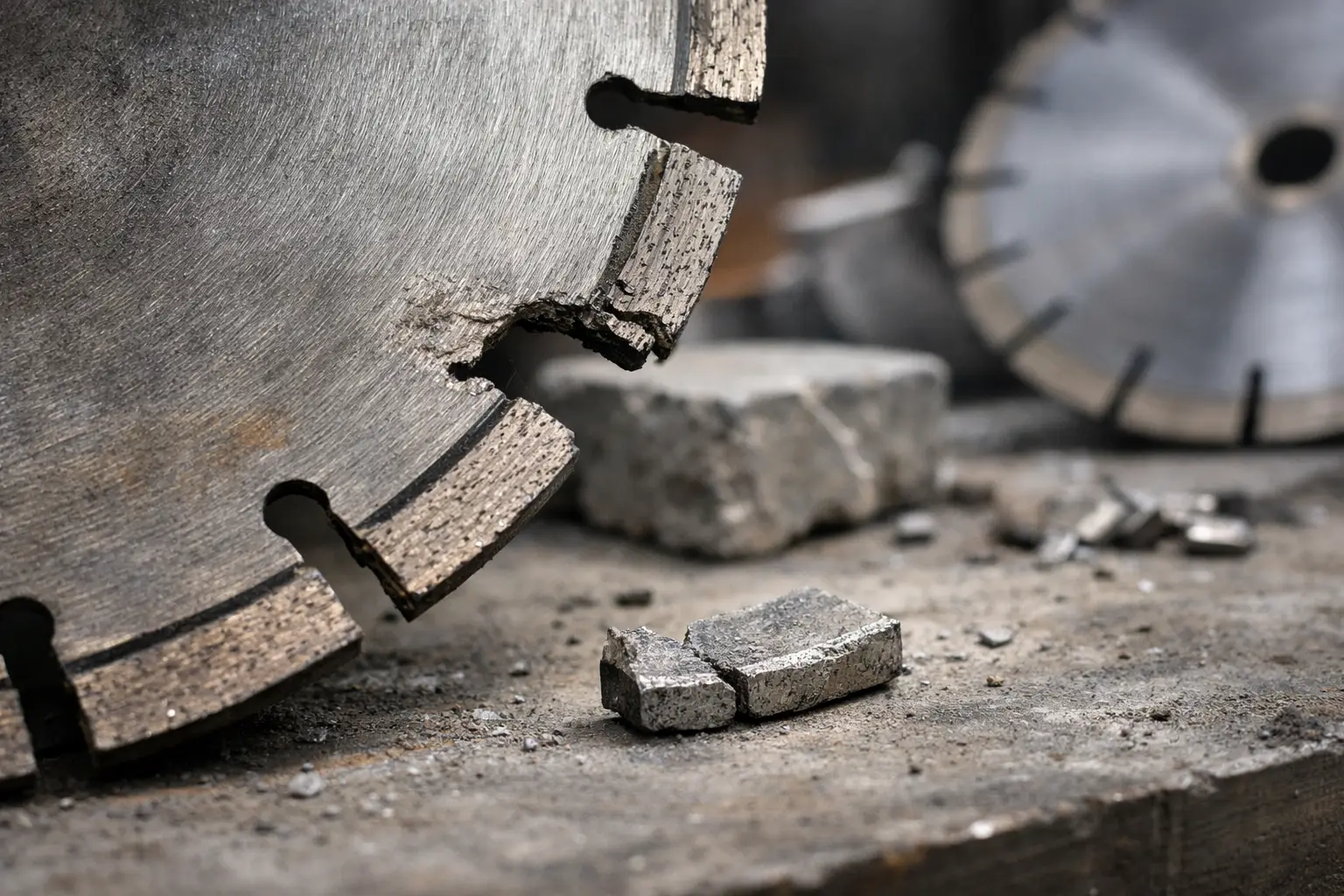
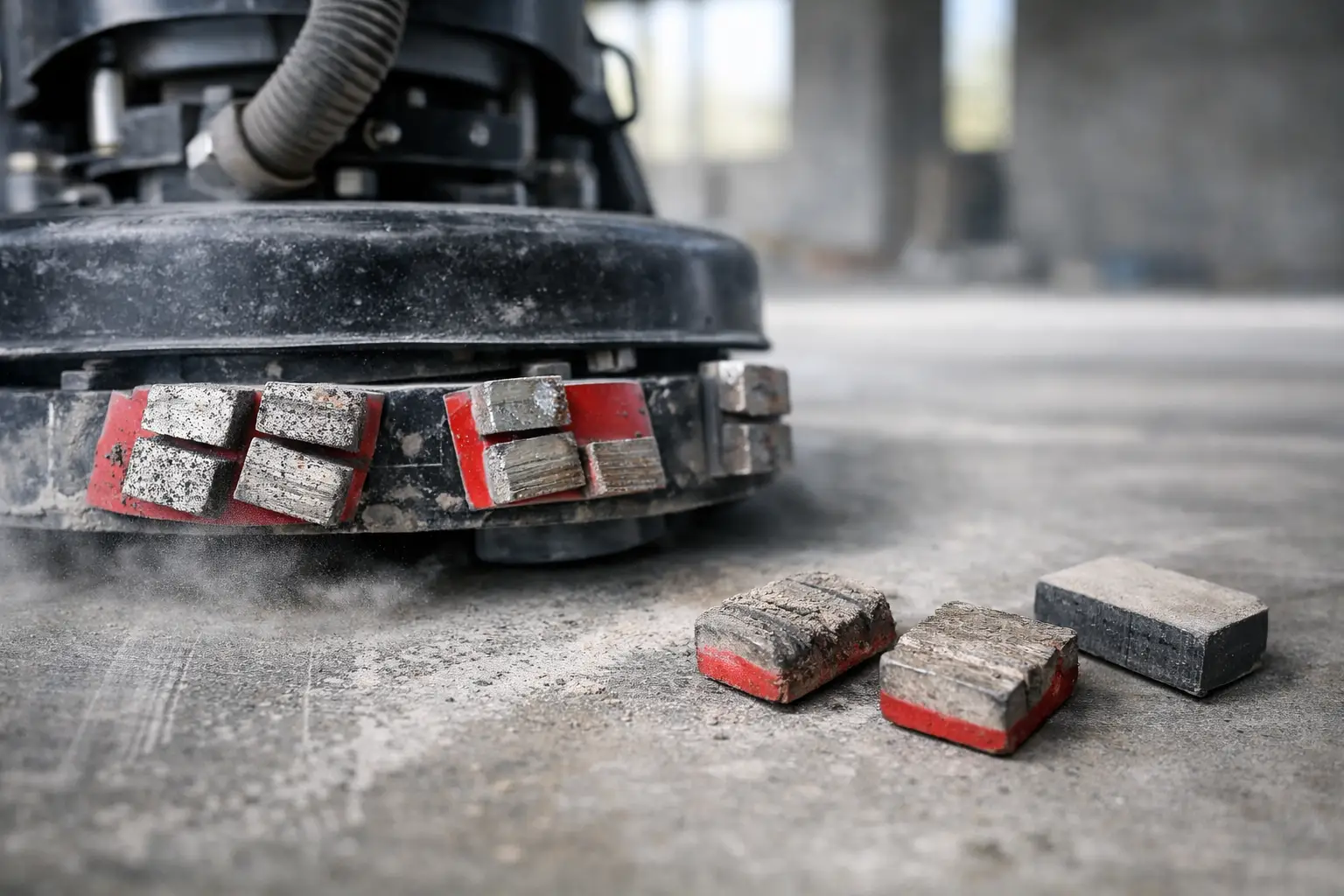
When one block is higher, carries more pressure, runs over harder aggregate, or is mounted where the machine applies greater force, it will wear differently from the rest. The visible pattern matters. A block worn heavily on one edge suggests machine or mounting imbalance. A smooth, glazed block with limited diamond exposure usually suggests a bond that is too hard for the concrete. Rapid, abrasive loss across a full block may indicate an overly soft bond or a highly abrasive substrate.
The goal is not identical wear in every operating hour. Concrete floors are not uniform, especially on old industrial slabs, repaired areas, and surfaces with exposed aggregate. The objective is predictable wear that remains within an acceptable range across a tooling set.
Machine Condition and Weight Distribution
The grinder is often the first place to inspect. A properly specified grinding block cannot compensate for a machine that is not sitting level or transferring weight evenly.
Uneven head pressure
Multi-head floor grinders distribute their weight through several rotating plates. If a plate is worn, a head bearing has play, or one assembly does not contact the surface evenly, some blocks take more load than others. These blocks cut deeper and wear faster. The problem may become more visible when the machine is fitted with additional weights, because extra pressure magnifies any existing imbalance.
Check the machine on a known flat surface with the power off. Inspect whether all heads and tool holders make contact at the same time. Measure worn components where possible rather than relying only on visual inspection. A small difference in holder height can produce a substantial difference in diamond consumption over a large floor area.
Worn tool holders and incorrect mounting
Tool holders, retaining plates, and quick-change systems must lock each block in the same position. A damaged holder can allow a block to sit proud, tilt slightly, or move under load. The result is concentrated edge wear, chipping, and inconsistent scratch patterns.
Operators should clean the holder and block backing before installation. Hardened slurry, dust, and metal debris behind the block can prevent full seating. Mixing blocks with different backing thicknesses in the same head can create the same problem, even when every component is new.
Machine travel and operator technique
Travel speed affects exposure time and cutting pressure. If an operator pauses repeatedly, turns tightly in one direction, or overlaps passes unevenly, particular sections of the tooling experience more work. This is common along walls, columns, ramps, and joint lines.
A controlled walking speed and consistent pass pattern reduce this effect. On large commercial floors, operators should alternate the direction of travel where the process allows. This distributes the working load more evenly and helps maintain a consistent surface profile.
Concrete Variability Changes Block Wear
A concrete slab is not one material. It may contain hard aggregate, soft paste, coatings, patch repairs, moisture-damaged zones, and previous surface treatments. Each condition changes the relationship between diamond grit and metal bond.
Hard concrete offers greater resistance to cutting. If the bond is too hard, it holds diamonds too tightly. The diamonds eventually become dull and rub rather than cut, generating heat and glazing the block. In this case, the block may appear barely worn, but productivity falls and the finish becomes inconsistent.
Soft or abrasive concrete does the opposite. It erodes the bond quickly and can release diamonds before their useful cutting life is complete. A block selected for hard concrete may disappear rapidly on a weak, sandy slab. Abrasive surfaces can also vary by area, so tooling passing over a repaired patch may wear much faster than tooling working on the original concrete.
Aggregate exposure is another common cause. One grinding head may run over a concentrated strip of hard stone while another cuts mainly cement paste. Uneven wear is therefore more likely during aggressive stock removal than during a final polishing pass. This does not automatically indicate a product failure.
Bond Hardness Must Match the Application
Diamond concentration and grit size matter, but bond selection typically has the greatest influence on wear behavior. The bond controls how quickly diamonds are released and renewed.
As a general working principle, hard concrete requires a softer bond so that worn diamonds can release and expose fresh cutting points. Soft, abrasive concrete requires a harder bond to prevent excessive segment loss. This principle has exceptions. A heavily coated floor, for example, may need a more aggressive configuration to remove the coating before the underlying concrete becomes the controlling factor.
Using a universal block can be commercially convenient, but it involves a trade-off. Universal specifications can perform reliably across mixed jobs, yet they may not provide the best life or cutting speed on highly specific substrates. Contractors with repeat work on known floor types usually benefit from keeping more than one bond option available.
For OEM and bulk programs, buyers should provide the expected concrete hardness, grinder type, head configuration, dry or wet process, target finish, and known coating conditions. This information allows a manufacturer to recommend or develop a more suitable bond rather than treating every floor as standard concrete.
Heat, Glazing, and Improper Break-In
Excess heat accelerates uneven wear. It can be caused by insufficient dust extraction, excessive down pressure, slow travel, dull diamonds, or a block that is too hard for the slab. Heat is not always obvious at the machine, but discoloration, polished metal bond, and a sharp drop in cutting speed are warning signs.
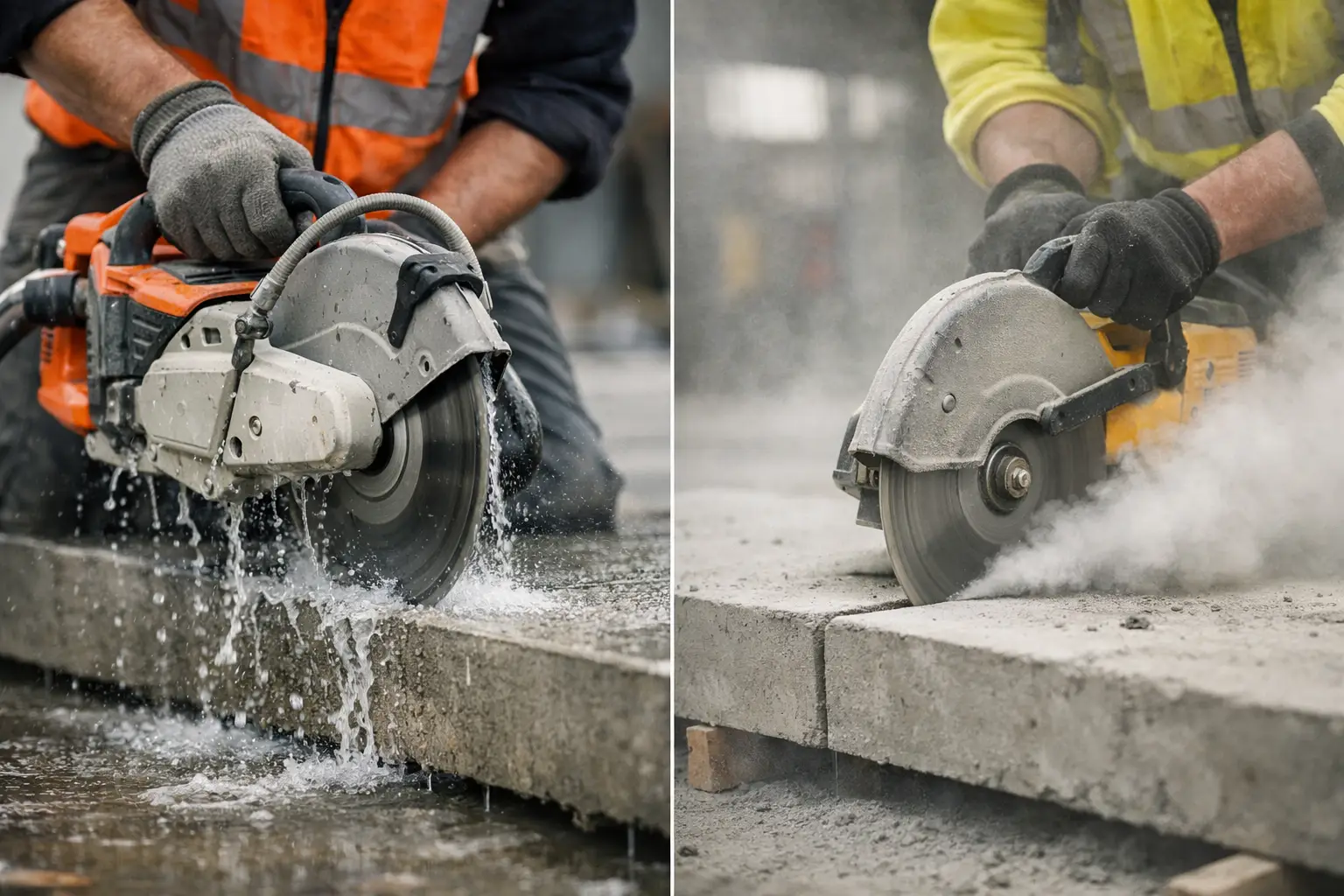
Dry grinding requires effective dust collection. Dust left under the machine can act as a cushion, reducing diamond engagement and increasing friction. Wet grinding can reduce heat and help control dust, but excess slurry must still be managed because it can interfere with cutting and create variable contact conditions.
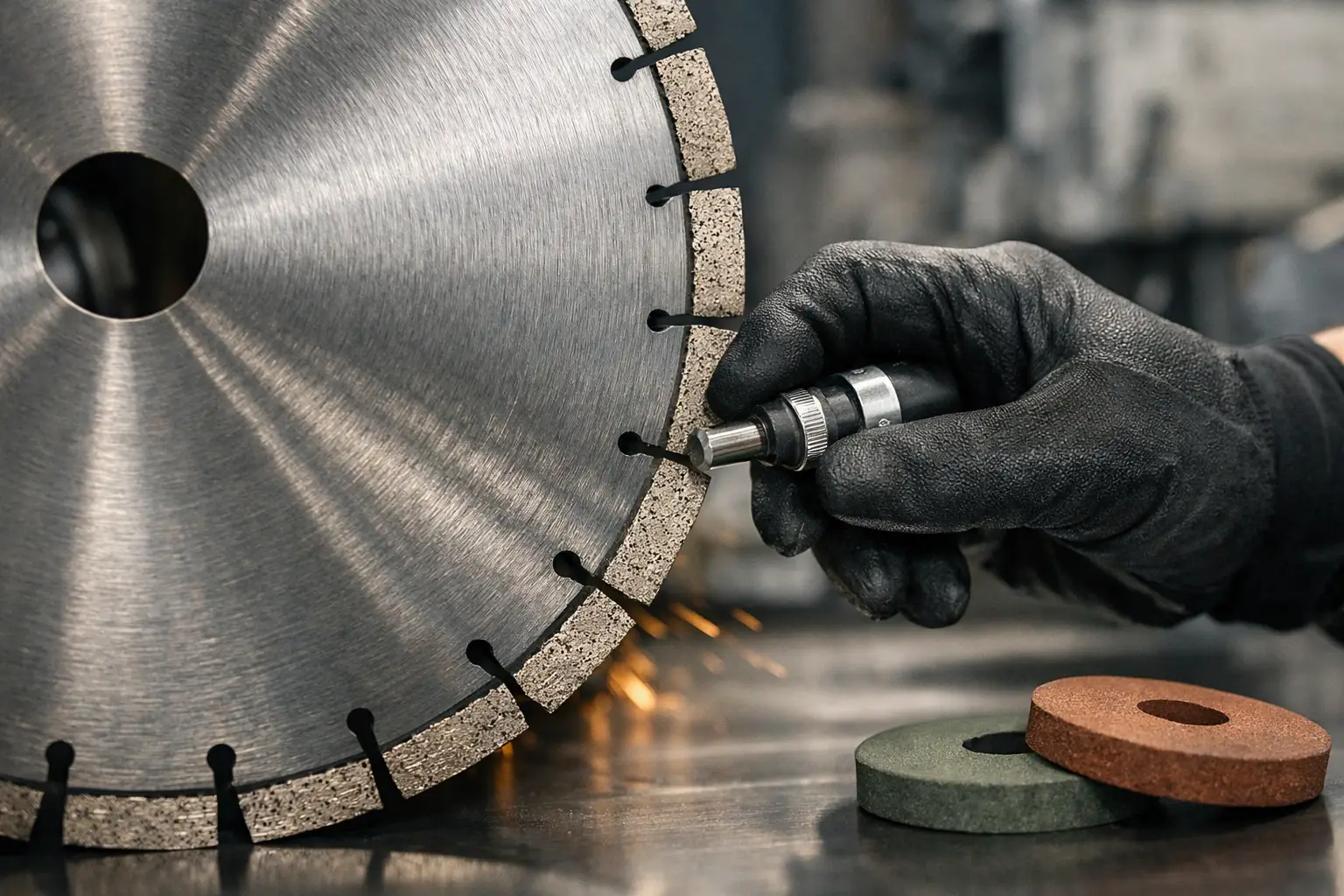
New blocks may also need a short break-in period. A fresh metal bond surface may not expose diamonds immediately. On an appropriate abrasive dressing surface, a brief conditioning pass can open the bond and establish cutting action. Continuing to force a glazed block across a hard floor rarely solves the issue. It usually increases heat and wastes production time.
Inspection Patterns That Help Identify the Cause
Wear diagnosis should be based on the full tooling layout, not a single returned block. Mark each block position before use, then inspect and compare them after a defined grinding interval. This produces useful evidence for both the contractor and supplier.
Look for these patterns:
- One block or one holder position wears much faster than the others, indicating a mounting, head-height, or machine-pressure issue.
- Blocks on one side of the machine wear more quickly, suggesting uneven chassis loading, operator handling, or floor slope.
- All blocks are smooth and shiny with poor cutting speed, indicating glazing or an overly hard bond.
- All blocks wear rapidly but continue cutting aggressively, suggesting an overly soft bond or abrasive concrete.
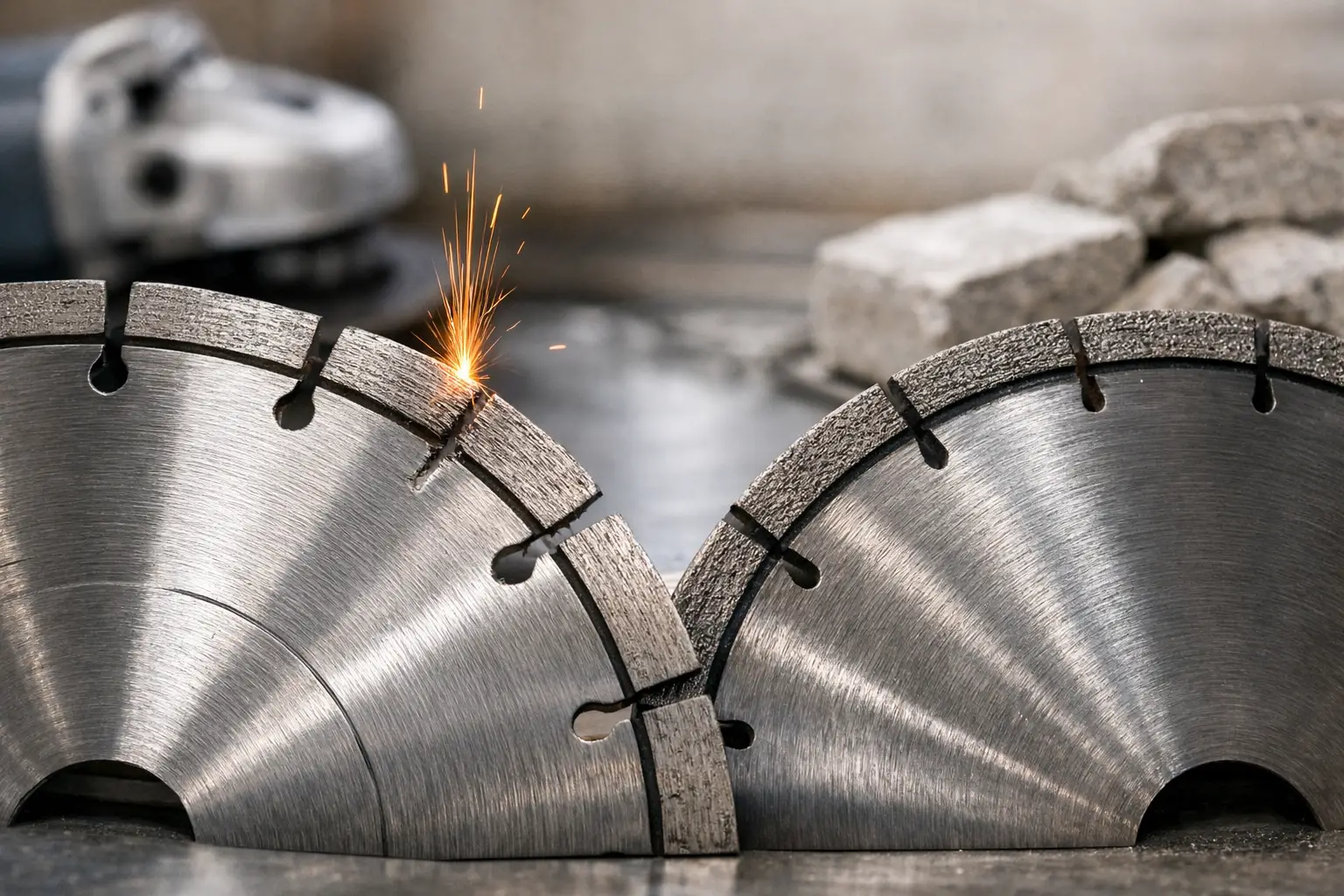
- Edge chipping or irregular fracture points indicate loose mounting, impact with joints or protrusions, or unsuitable operating pressure.
Photographs of the complete set, the machine plate, and the floor condition are more useful than a close-up of one worn block. They allow a technical team to see whether the issue follows the tooling position, the machine side, or the substrate.
Preventing Uneven Grinding Block Wear
Prevention begins before the grinder reaches full production. Inspect the plates, holders, bearings, and block seating surfaces. Use matching blocks from the same specification and avoid combining partially worn tooling with new blocks when finish consistency is critical. Confirm that the machine is level and that added weights are installed according to the equipment manufacturer’s guidance.
Then match the bond to the actual floor, not the assumed floor. Test a small area when concrete hardness is unknown or when a project includes coatings, repairs, and exposed aggregate. Record the block specification, machine model, operating hours, square footage, and observed wear. This creates a practical baseline for future projects and makes procurement decisions less dependent on guesswork.
For recurring commercial applications, a supplier such as Ryhyoma can support buyers with consistent production specifications and application-based tooling recommendations. However, stable tool quality delivers its best result only when machine maintenance and application selection are equally controlled.
The most cost-effective grinding block is not simply the one that lasts longest. It is the block that maintains cutting performance, produces the required surface, and wears predictably across the machine for the full job.