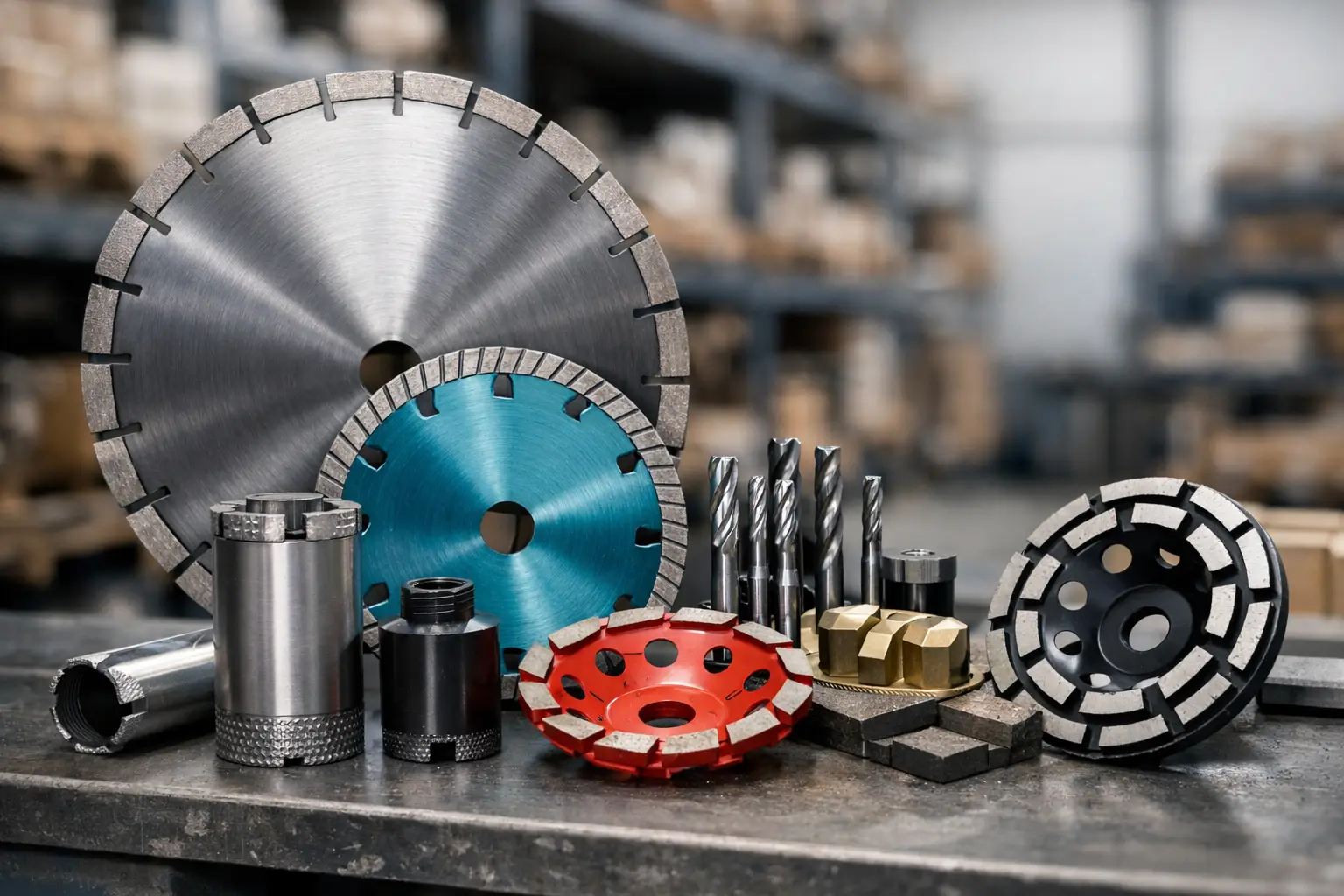
When a distributor loses a contractor because a blade wears too fast or a core bit fails on-site, the problem is rarely one bad shipment. It is usually a supplier selection problem. For buyers sourcing diamond tools for distributors, the real question is not who offers the lowest unit price. It is who can support repeat business with stable performance, predictable supply, and technical consistency across product lines.
In industrial markets, distributors are judged by what happens after the sale. A cutting disc that drifts in ceramic, a granite blade that chips premium slabs, or a floor grinding block that varies from batch to batch creates claims, delays, and lost confidence. That is why the strongest distributor relationships are built around manufacturing discipline, not just broad catalogs.
What distributors actually need from diamond tools
Distributors do not buy the same way an end user buys. An end user may focus on one immediate application. A distributor has to think in terms of product mix, margin protection, complaint rates, reorder stability, and fit across multiple customer segments.
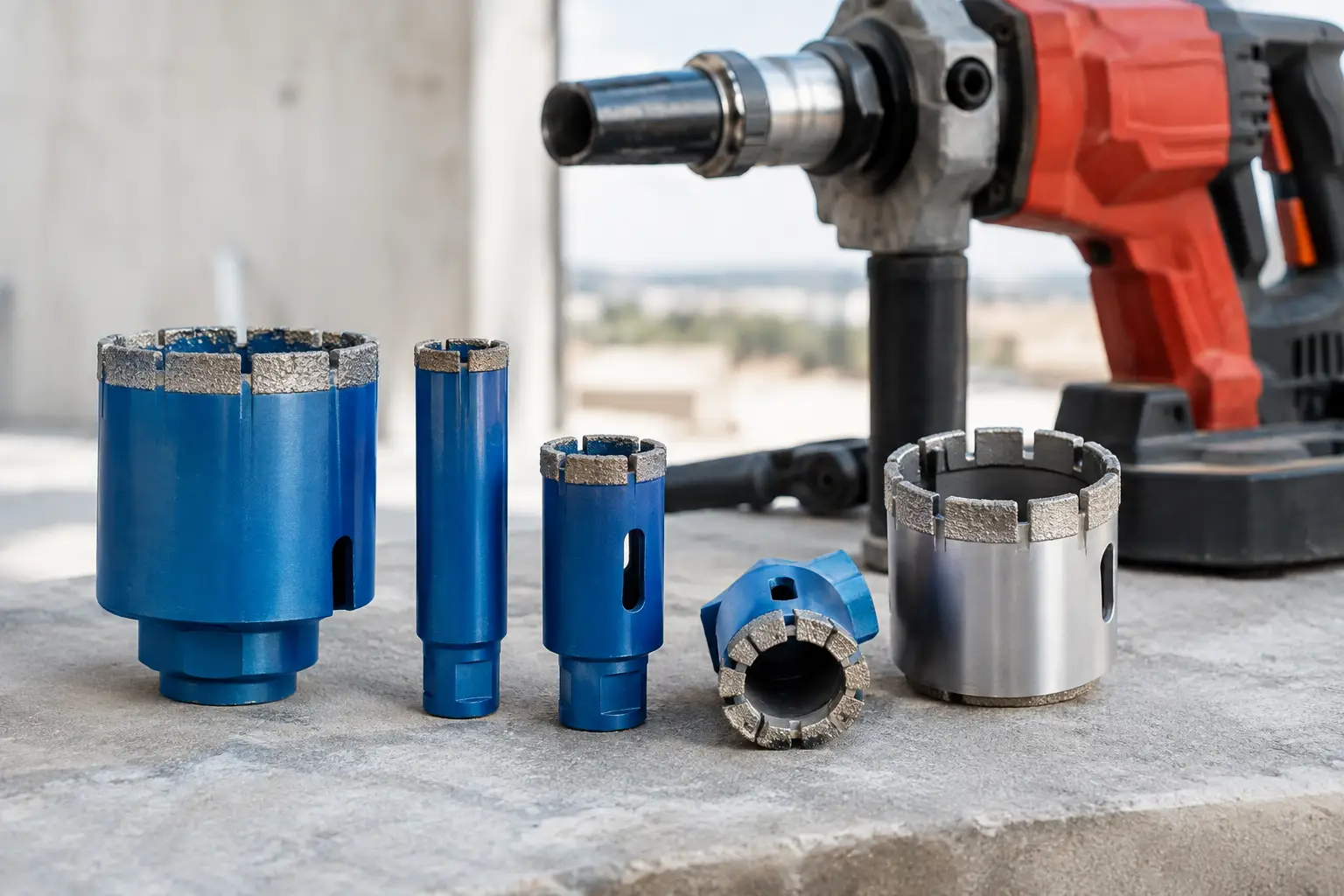
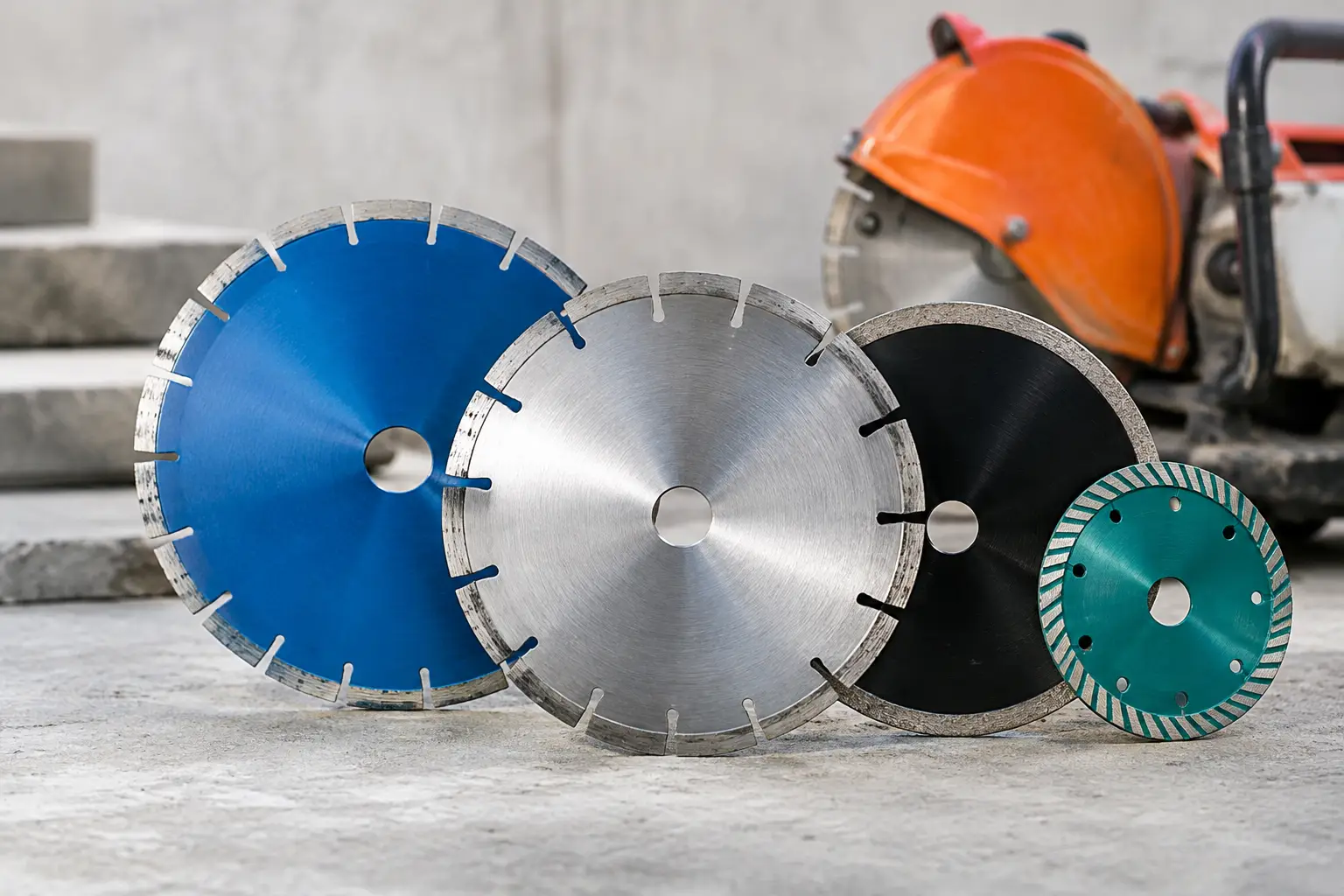
That changes the evaluation standard. A good supplier of diamond tools for distributors should be able to support fast-moving categories such as concrete saw blades, ceramic cutting discs, core bits, hole openers, floor grinding blocks, and specialty blades for materials like granite and Dekton. Just as important, those products need to perform consistently enough that your sales team can recommend them with confidence.
A wide range without process control is not an advantage. It increases risk. In wholesale supply, consistency matters more than variety if the variety cannot be maintained at the same standard.
Stable quality is more valuable than a low opening price
Many distributors learn this after a few purchasing cycles. A low quote can look competitive until field performance starts generating returns. The true cost then includes replacement shipments, customer credits, damaged reputation, and time spent resolving issues that should not have happened.
Diamond tools are especially sensitive to manufacturing variation. Bond formula, segment concentration, welding quality, steel core stability, and balance all affect cutting speed, life, and safety. Small process differences can create large differences in field results. This is why strict quality control is not a marketing line. It is an operating requirement.
For distributors serving contractors, fabricators, and building materials dealers, consistency from batch to batch is what protects repeat orders. If one shipment performs well and the next does not, the distributor takes the blame before the factory does.
Diamond tools for distributors by application
The right product line depends on the markets you serve. A distributor focused on civil construction will prioritize different tools than one selling into stone fabrication or tile installation.
Concrete, asphalt, and reinforced materials
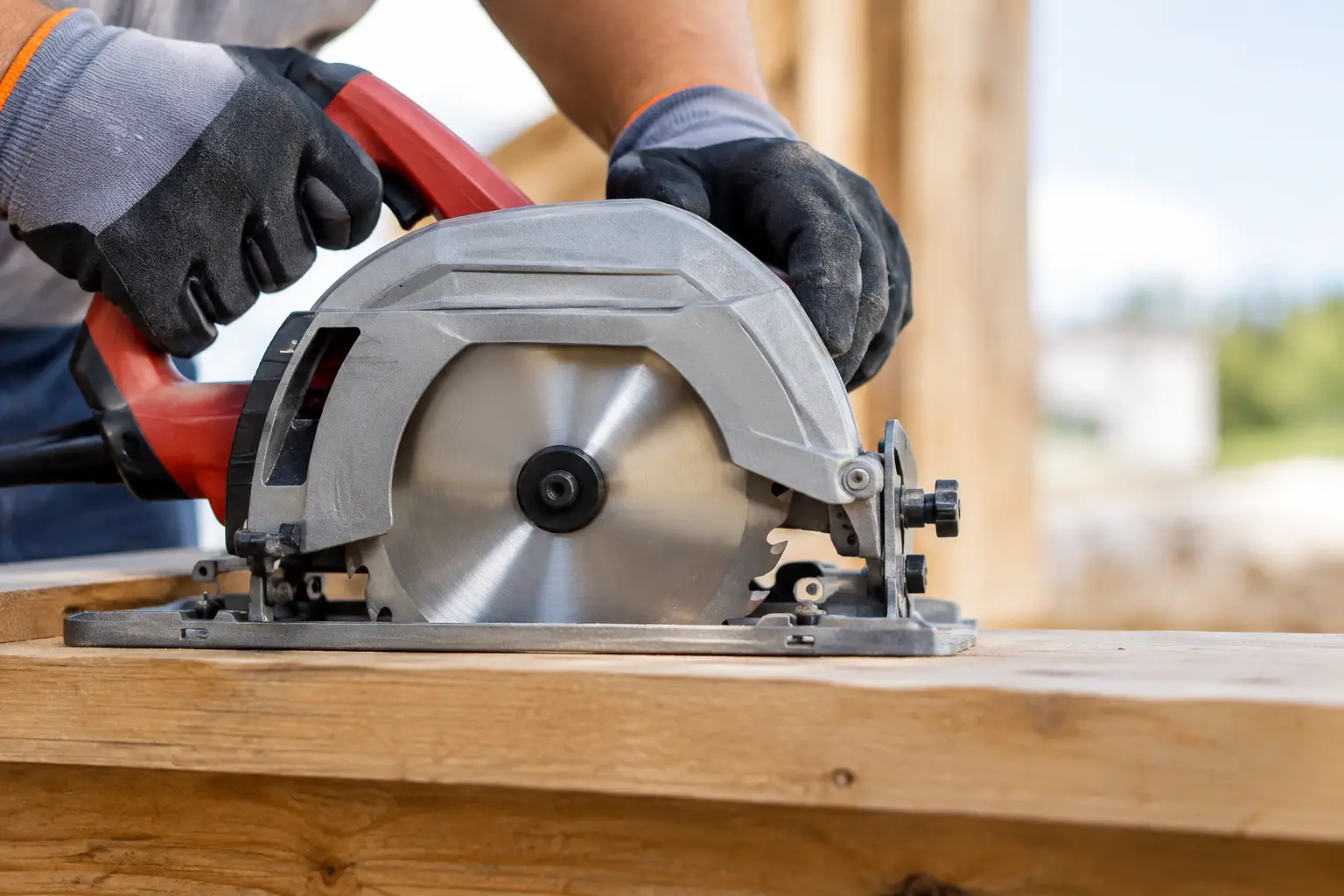
In construction supply, concrete saw blades, laser-welded cutting blades, and core bits are usually core volume products. Buyers in this segment care about cutting speed, segment life, heat resistance, and performance in mixed jobsite conditions. Reinforced concrete introduces another layer of demand because the blade must handle both abrasive material and steel contact without losing control or life too quickly.
This is where manufacturing method matters. Laser-welded blades are commonly preferred for heavy-duty cutting because segment attachment strength supports demanding site use. A distributor selling into road work, structural cutting, or general concrete trade needs products built for reliability under pressure, not only for clean lab conditions.
Ceramic, porcelain, and specialty surfaces
Ceramic cutting discs and blades for dense surfaces such as porcelain and Dekton need a different balance. End users in this category often judge performance by edge quality as much as speed. Chipping, wandering, or overheating creates immediate complaints.
For distributors, this means the ideal product is not always the most aggressive cutter. It depends on the customer base. A tile contractor may want a smooth finish with controlled feed speed, while another buyer may prioritize productivity in large commercial installations. Knowing that trade-off helps shape the product range you carry.
Granite, stone, and fabrication work
Granite saw blades, diamond segments, and fabrication tools are sold into a market where material value is high and tool mistakes are expensive. Here, consistency and finish quality often outweigh nominal price savings. Fabricators want predictable cutting behavior, stable wear, and fewer interruptions.
A distributor serving this segment should look closely at segment quality, blade balance, and suitability for specific stone hardness levels. The best supplier conversations in this category are technical, not purely commercial.
Flooring and surface preparation
Floor grinding blocks and abrasive blocks are often purchased in volume, but performance variation is quickly exposed on large jobs. If wear is uneven or segment composition is unstable, production time increases and the contractor notices immediately.
For a distributor, flooring tools need to be matched to floor hardness, machine type, and production goal. A supplier that can help sort these variables is more useful than one that simply offers standard stock items.
How to evaluate a manufacturing partner
A distributor should ask harder questions before placing repeat bulk orders. Product samples are necessary, but samples alone are not enough. The real test is whether the supplier can reproduce the same performance at scale.
Start with production capability. Can the manufacturer support your required volume without shifting quality? Can it maintain the same segment formulation and welding standard over time? If a product performs well in a pilot order, there should be a clear process behind that result.
Next, look at technical support. Industrial buyers do not need sales language. They need application guidance. If a blade is underperforming, can the supplier diagnose whether the issue is bond hardness, machine speed, cooling conditions, or material mismatch? That support reduces friction between distributor and end customer.
Then consider product development flexibility. OEM and ODM support matters for distributors building a branded range or targeting a specific market segment. Private label is not only about packaging. It can include segment design, blade specification, arbor options, and product positioning for local demand.
Finally, assess communication discipline. In export supply, responsiveness affects planning as much as product quality does. Clear lead times, accurate production updates, and direct handling of bulk orders are part of supplier reliability.
Why technology and process should be part of the buying decision
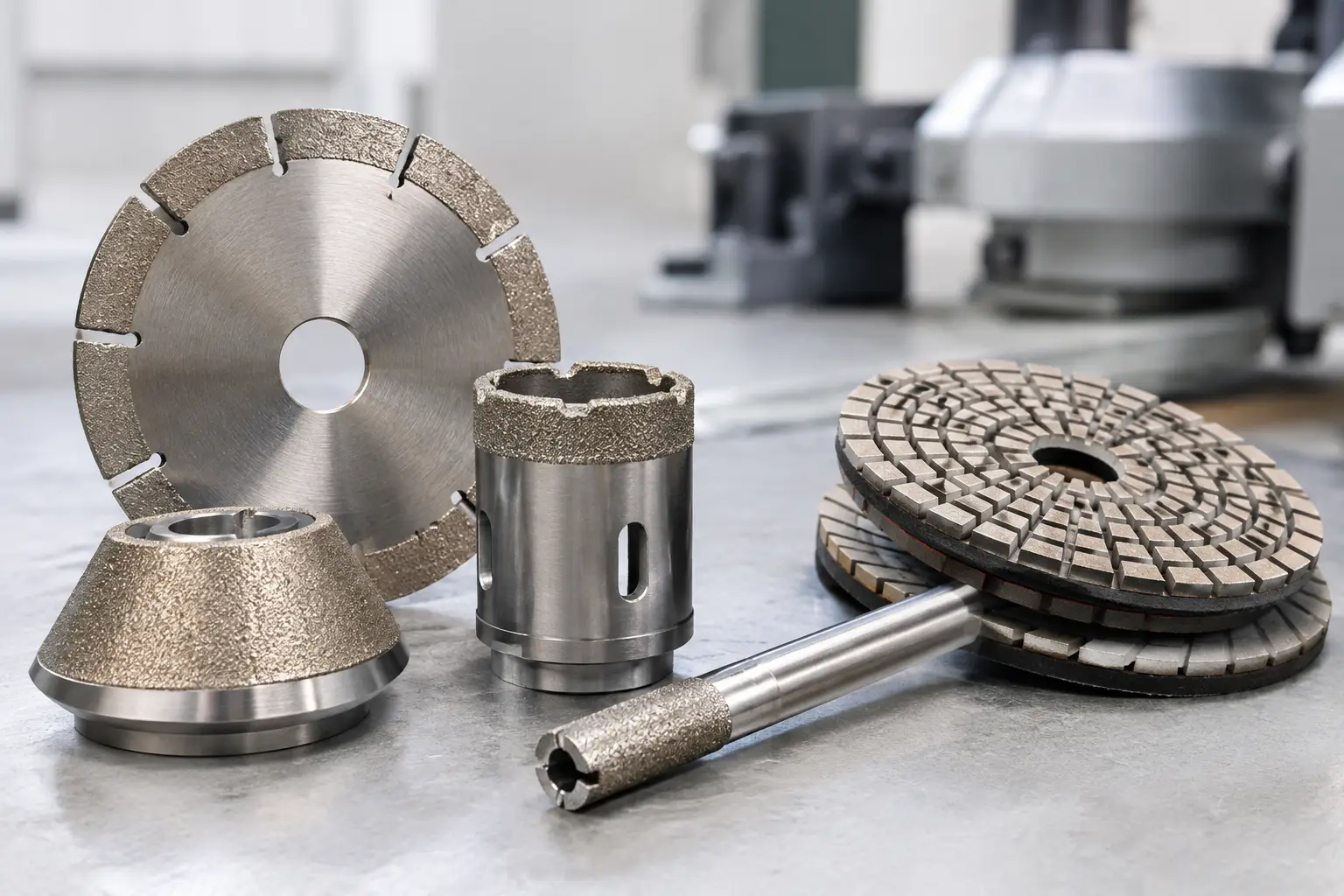
Not every application needs the same manufacturing method, but distributors should understand the basic implications. Vacuum brazed tools can offer strong performance in certain cutting and grinding applications, especially where aggressive exposure of diamond is useful. Laser-welded tools are often favored for heavy-duty cutting because segment retention is critical under high stress.
The point is not to treat one technology as universally better. It depends on the job, the material, and the customer expectation. A reliable supplier should explain where each method fits instead of pushing one answer for every market.
That is one reason many distributors prefer working with a manufacturing-oriented supplier rather than a catalog trader. The discussion becomes more precise. Product selection is based on application fit, not only on what happens to be available in stock from multiple unknown sources.
Common mistakes distributors make when sourcing diamond tools
One common mistake is buying too broadly before validating the core range. It is usually better to establish a stable foundation in high-demand categories, then expand once field performance is proven.
Another is comparing quotes without normalizing specifications. Two blades may look similar on paper while using different segment heights, bond systems, welding methods, or steel core quality. If the comparison is only based on diameter and unit cost, it is not a true comparison.
A third mistake is ignoring complaint handling before the first problem appears. Every industrial distributor should know how the supplier responds to field issues, quality claims, and technical adjustments. Problems are manageable when the factory is accountable. They become expensive when support disappears after shipment.
Building a distributor line that lasts
The strongest product programs are usually not the biggest. They are the most controlled. A focused range of concrete blades, ceramic discs, core bits, granite blades, hole openers, and grinding tools can perform better commercially than a large but inconsistent offering.
For distributors serving construction, stone, and industrial buyers, supplier choice affects more than procurement cost. It shapes customer retention, service workload, and brand credibility in the market. A manufacturer like Ryhyoma is most valuable when it acts as a production partner - supporting stable quality, bulk supply, custom requirements, and technical decisions that help the distributor grow without adding avoidable risk.
If you are reviewing your current sourcing strategy, start with the products that generate the most repeat orders and the most complaints. That is usually where the right manufacturing partner proves its value first.