
A blade that cuts one granite slab cleanly but slows down after several hours is not a dependable production tool. In commercial stone cutting, output is measured in linear feet, finished edges, labor time, and replacement frequency. The right diamond tool must match the material, the machine, and the working conditions - not simply fit the arbor.
For distributors, fabricators, and contractors, tool selection directly affects job profitability and customer confidence. A low initial blade price can quickly lose its advantage when cutting speed falls, segments glaze, cores warp, or inconsistent quality forces operators to change tools mid-job.
Stone Cutting Starts With the Material
“Stone” covers materials with very different cutting behavior. Granite is hard and abrasive. Marble is softer but can chip along a polished face. Engineered stone may contain quartz, resin, and pigments that create heat and loading issues. Porcelain slabs and sintered surfaces such as Dekton require controlled cutting to avoid edge damage, cracking, and costly waste.
The material’s hardness is only one part of the decision. Abrasiveness, aggregate structure, thickness, reinforcement, moisture, and finish quality also matter. A hard, dense stone generally needs a diamond blade with an appropriate bond that exposes fresh diamonds at a controlled rate. If the bond is too hard for the application, the diamonds can become dull and the blade may glaze. If it is too soft, the blade wears too quickly and loses value per cut.
Procurement teams should avoid treating granite blades, ceramic cutting discs, and specialty slab blades as interchangeable items. Their segment designs, diamond concentration, bond formulations, and rim configurations are developed for different working loads. Using a general-purpose blade on a demanding material may be acceptable for occasional work, but it is rarely the best choice for repeat production.
Granite, Marble, and Engineered Stone
Granite cutting demands wear resistance and stable segment retention. The blade must withstand an abrasive material without excessive diameter loss or unstable cutting. Marble needs a cleaner approach because its surface can chip, particularly near finished edges. Engineered stone adds another variable: resin content can generate heat and cause material to adhere to the blade.
For these applications, buyers should evaluate not only cutting speed but also edge condition. A fast cut that leaves heavy chipping increases downstream polishing and rework. In fabrication environments, a blade that maintains a controlled, repeatable edge often delivers better total cost than one designed only for aggressive feed rates.
Porcelain, Dekton, and Other Dense Surfaces
Large-format porcelain and sintered materials have changed the expectations for stone fabrication. These surfaces are thin relative to their hardness, and a small defect can turn an expensive slab into scrap. Continuous-rim and specialty diamond blades are commonly selected where clean entry, reduced vibration, and controlled exit cuts are required.
Machine setup is especially important with these materials. A suitable blade can still chip if the slab is unsupported, the feed rate is forced, the flange is damaged, or the cutting table is misaligned. Buyers supplying slab fabricators should consider the complete application rather than specifying a blade by diameter alone.
Selecting the Right Stone Cutting Blade
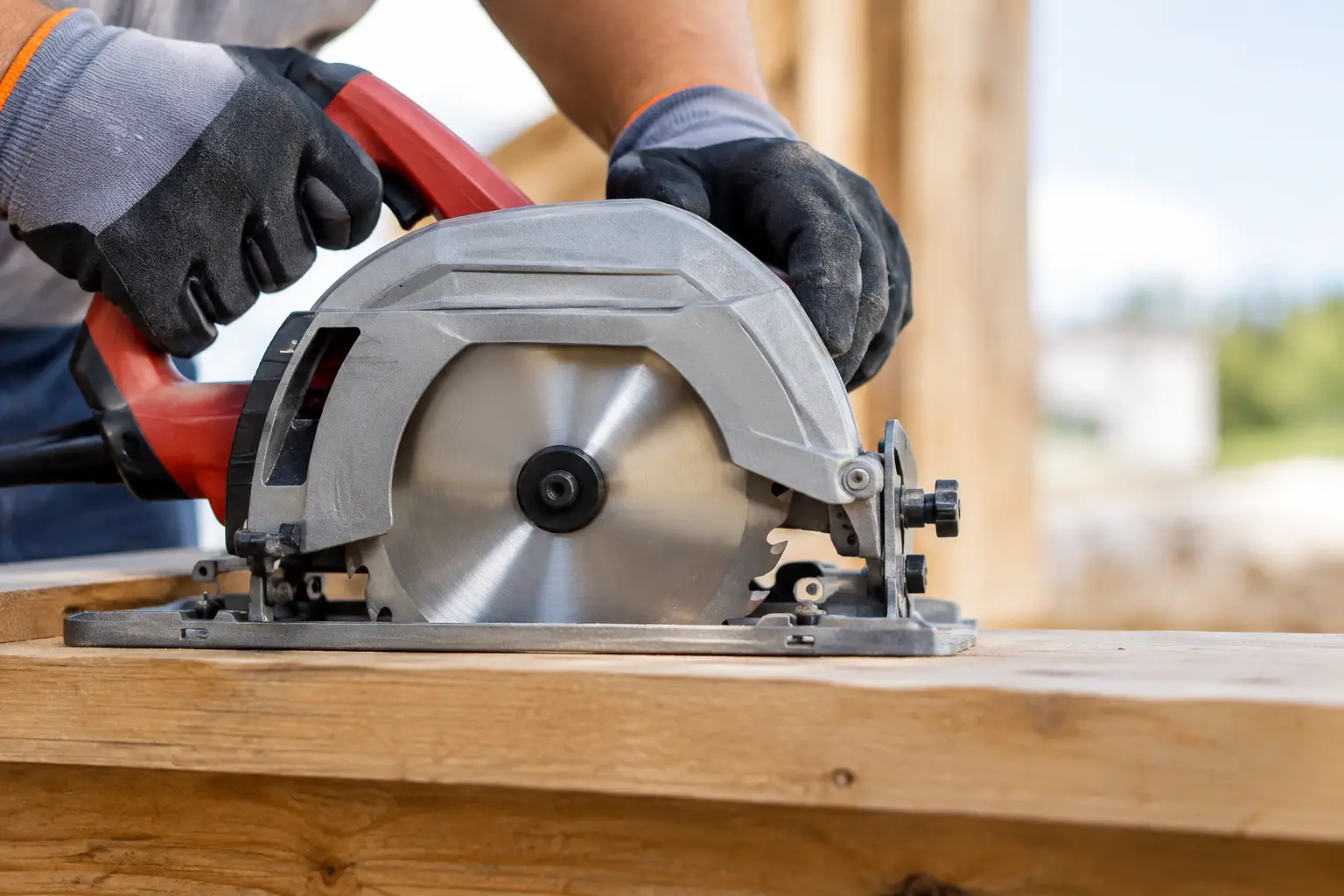
A reliable selection process starts with the machine type. Bridge saws, tile saws, handheld angle grinders, rail saws, CNC equipment, and portable cut-off machines create different speeds, cooling conditions, and operator loads. The blade’s diameter, arbor size, segment height, thickness, and maximum RPM must be compatible with the equipment.
Wet cutting is generally preferred for slab fabrication and high-value finished materials. Water manages heat, flushes slurry from the kerf, and supports a cleaner cutting action. Dry cutting may be necessary for field work or portable equipment, but it places greater demands on blade design and operator discipline. A dry-cutting blade must be used within its rated operating limits, including periodic cooling intervals when specified.
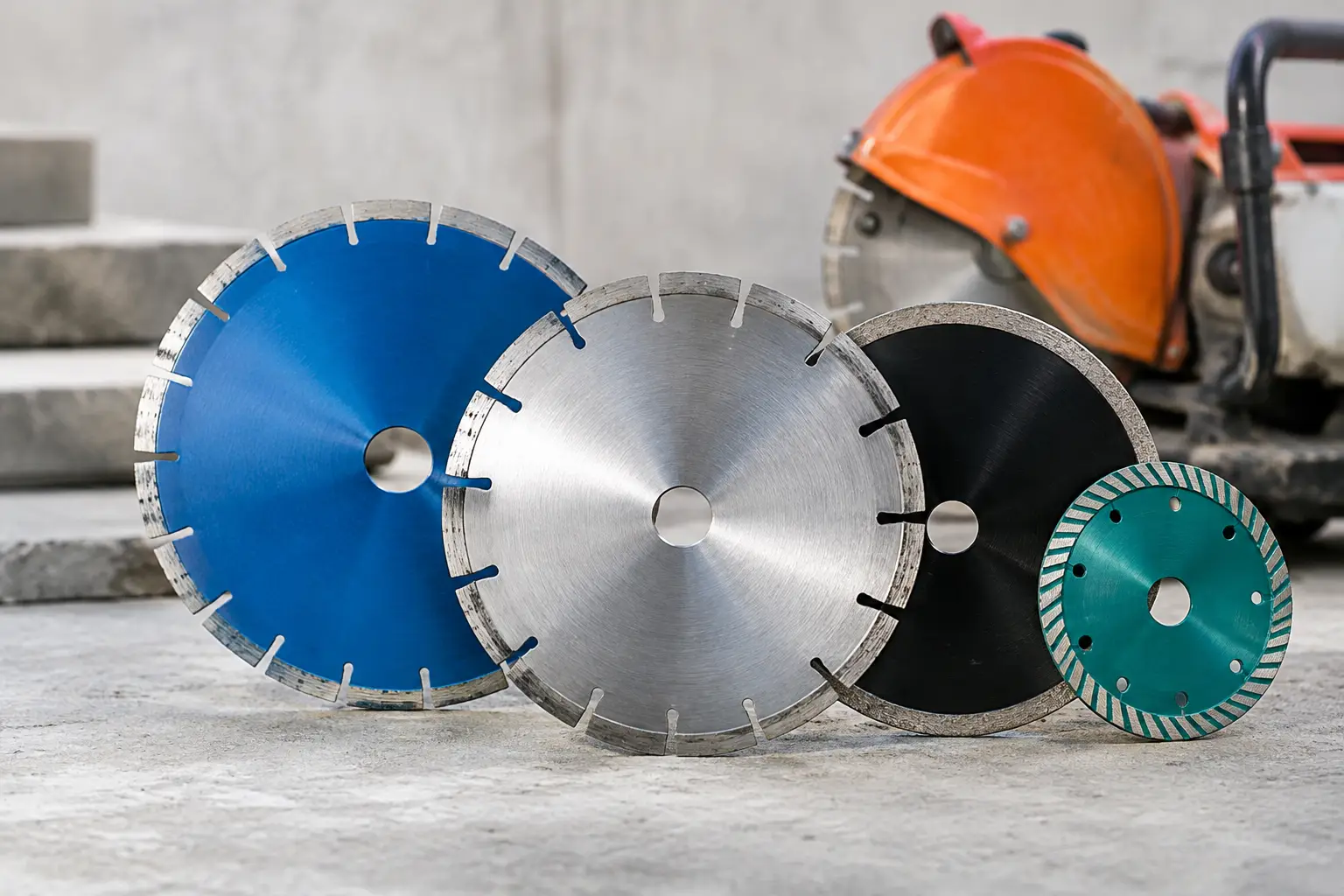
Segment configuration should also follow the application. Segmented blades provide fast material removal and better debris clearance in many hard-stone and construction applications. Turbo rims can balance speed and finish on selected materials. Continuous rims are commonly used when a clean edge is more important than aggressive cutting. There is no single best rim style because the correct choice depends on the stone, cut depth, water availability, and finish requirement.
For bulk purchasing, confirm these specifications before approving an order:
- Material to be cut, including thickness and whether reinforcement or resin is present
- Machine type, blade diameter, arbor size, and operating RPM
- Wet or dry cutting condition and expected daily production volume
- Priority between cutting speed, blade life, and edge quality
- Packaging, labeling, and private-label requirements for the target market
This information allows a manufacturer to recommend a specification based on the real application instead of supplying a standard blade that may not perform consistently.
Cutting Conditions That Shorten Tool Life
Many blade failures are caused by operating conditions rather than manufacturing defects. Excessive feed pressure is a common example. When an operator forces the blade through dense stone, friction rises, cutting temperature increases, and the steel core can deflect. The result may be slower cutting, edge chipping, segment damage, or visible wobble.
Insufficient water flow creates similar problems during wet cutting. Water should reach the cutting zone effectively, not merely spray the outer surface of the blade. Poor coolant delivery allows slurry to remain in the kerf, which increases heat and reduces cutting efficiency.
A worn or damaged machine also undermines blade performance. Check bearings, flanges, shaft runout, belt tension, and guide alignment. Even a high-quality diamond blade cannot produce an accurate cut on equipment with excessive vibration. For distributors handling technical complaints, collecting photos of the blade, machine details, material type, and operating parameters is more useful than assuming the tool is at fault.
Blade dressing is another practical consideration. When a blade becomes glazed, its exposed diamonds may no longer cut efficiently. Dressing the blade with a suitable abrasive material can expose fresh diamond particles and restore cutting action. This should be treated as a normal maintenance step where applicable, not as a substitute for selecting the correct bond.
Evaluate Cost Per Cut, Not Purchase Price
Commercial buyers need a clear method for comparing stone cutting tools. Unit price is visible, but it does not reveal the full operating cost. A lower-cost blade may require more frequent changes, cut more slowly, create more waste, and increase labor exposure. A higher-grade blade may cost more initially while reducing total cost through longer service life and more consistent output.
The useful comparison is cost per linear foot, square foot, or completed workpiece. Include the blade price, average life, average feed rate, operator time, rejected pieces, and downtime for tool changes. This approach is particularly valuable for distributors building a product range for professional fabricators. It helps separate entry-level products from lines intended for continuous industrial work.
Consistency between production batches matters as much as performance from a single sample. A distributor cannot build a reliable customer base around a blade that performs well in a trial order but varies in later shipments. Quality control should cover raw materials, diamond segment production, welding integrity, core flatness, balancing, visual inspection, and final performance checks.
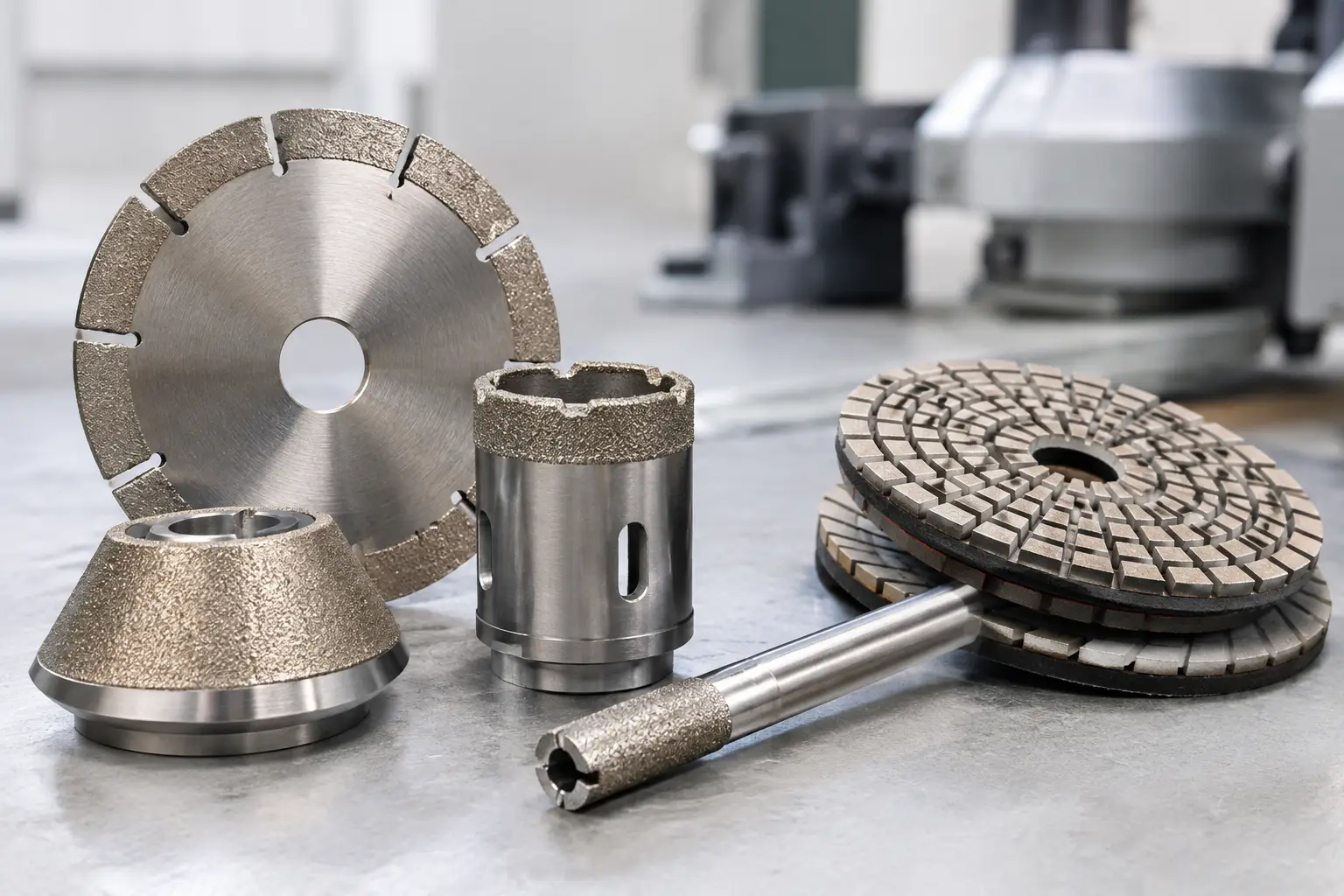
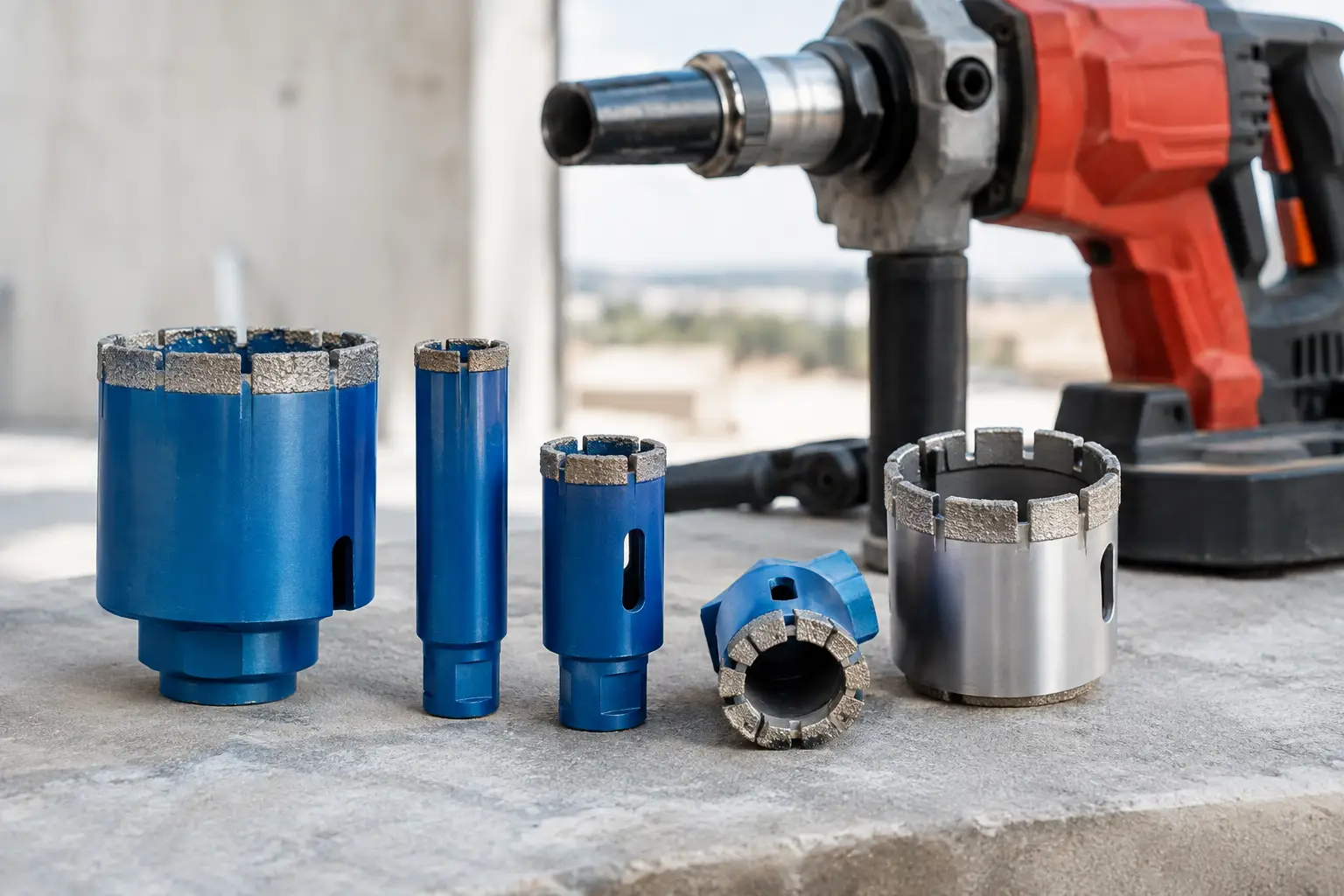
Laser-welded blades are often selected for demanding cutting conditions because the segment-to-core connection is designed for high strength and heat resistance. Vacuum-brazed diamond tools serve other applications where exposed diamonds and aggressive surface action are beneficial. The correct manufacturing technology depends on the tool category and material, so buyers should ask how the product is built rather than relying only on product photos.
Build a Specification for Repeat Orders
For importers and OEM buyers, a written product specification reduces confusion as volumes increase. It should define the blade type, diameter, segment dimensions, arbor configuration, intended material, packaging format, branding, and acceptable performance range. If the product will be sold across several markets, include labeling and carton requirements early in the process.
Private-label programs require the same discipline. A custom logo is useful, but it does not solve an inconsistent product specification. The priority should be repeatable cutting performance, traceable production standards, and packaging that protects the blade during export handling. Ryhyoma supports OEM and ODM requirements by aligning diamond tool specifications with application needs and scalable bulk supply.
A practical approval process includes sample testing on the actual material, review of cut quality and blade wear, and confirmation of the final specification before the main order. Where the application is demanding, retain a control sample from each approved batch for future comparison. This gives both buyer and supplier a clear performance reference.
The best stone cutting program is built around fewer surprises: the right blade for the material, a stable machine setup, controlled operating practices, and a supplier that can reproduce the agreed specification order after order. That discipline protects margins long after the first cut is made.