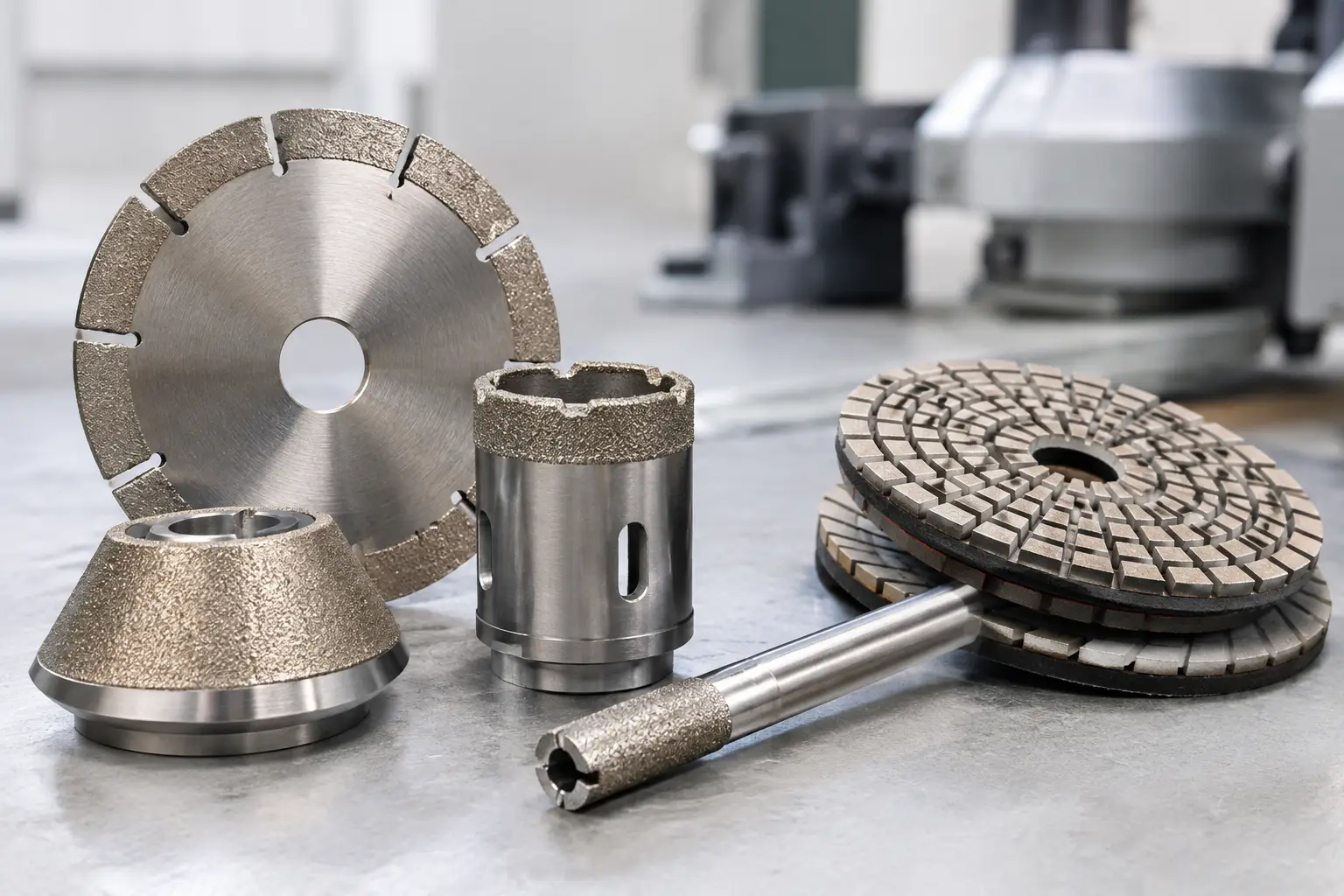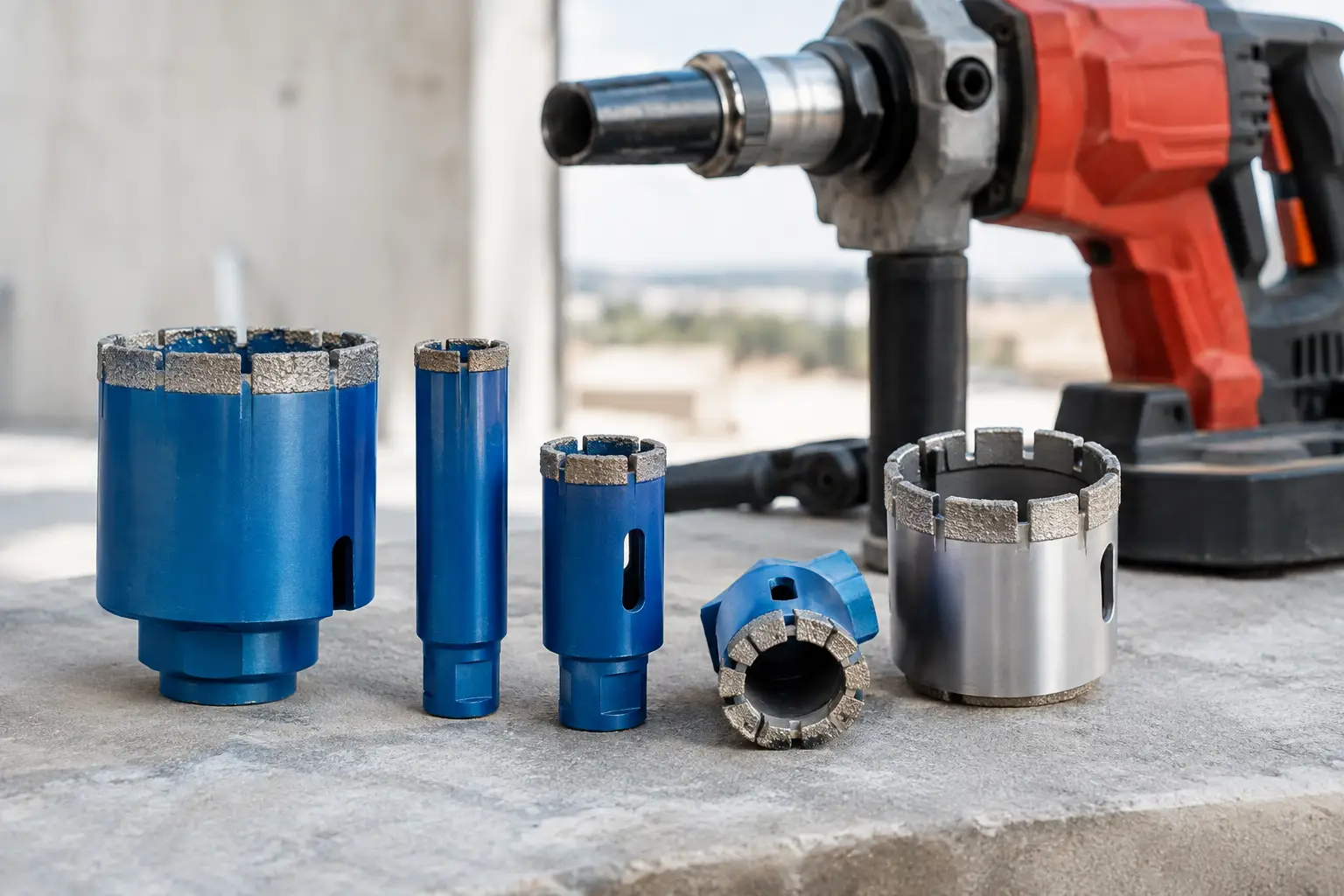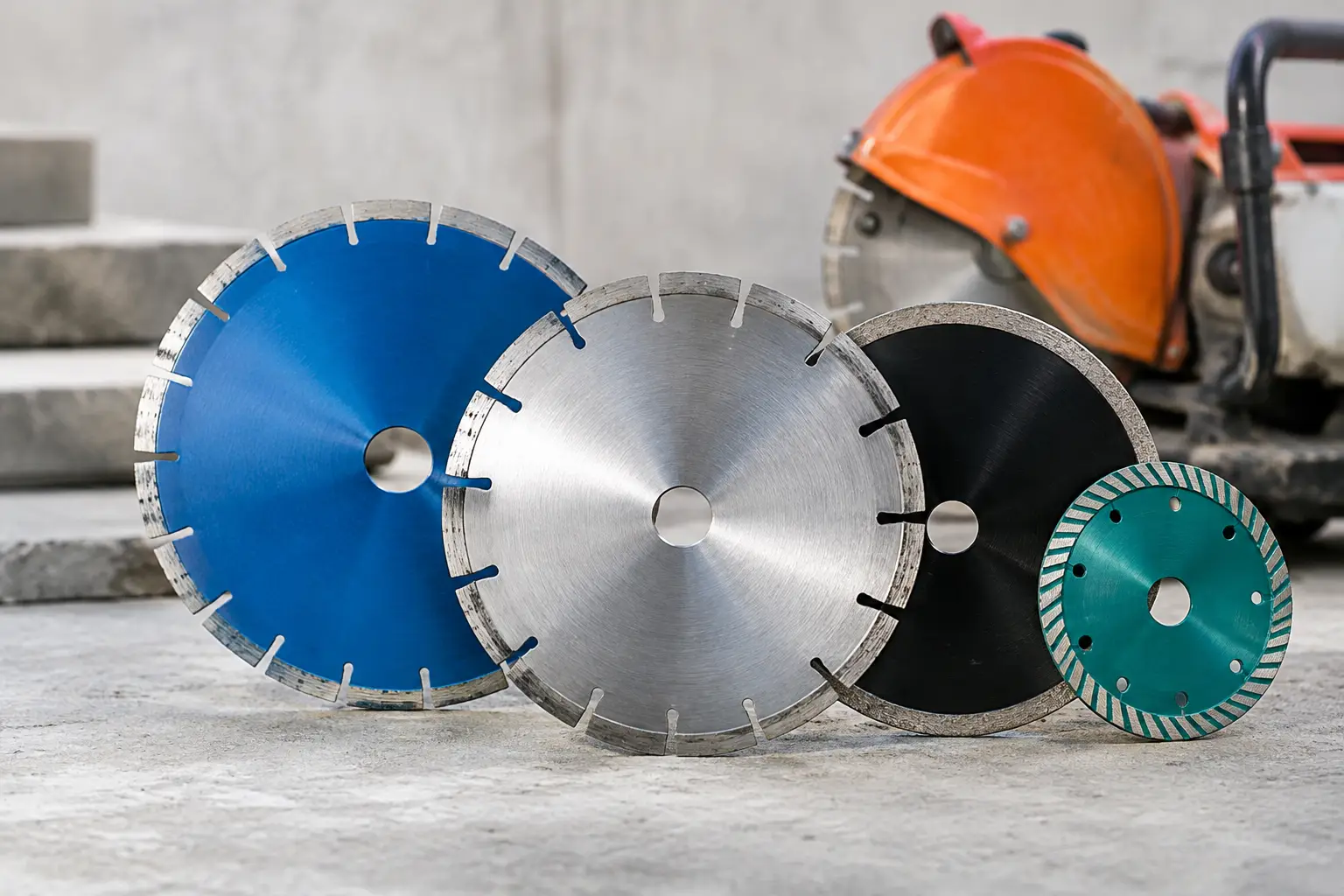

A failed core bit rarely fails at a convenient time. It fails when the crew is on site, the hole pattern is already marked, and the schedule is tight. That is why choosing a diamond core bits supplier is not a purchasing formality. For distributors, contractors, and importers, it is a risk-control decision that affects drilling speed, hole quality, stock turnover, and customer trust.
In B2B buying, the problem is usually not finding a supplier. The problem is finding one that delivers the same performance from one batch to the next. Many buyers have dealt with bits that look correct on paper but wear too fast, drift during drilling, lose segments early, or vary in quality across shipments. A reliable supplier reduces those variables and gives you a product line you can sell or use with confidence.
What a diamond core bits supplier should actually provide
A serious supplier does more than quote a size range and send a catalog. Core bits are application-driven tools, and performance depends on the match between segment bond, diamond concentration, barrel design, welding quality, and the material being drilled. If a supplier cannot discuss those factors clearly, that is a warning sign.
For concrete drilling, the bit must handle aggregate, compressive strength, and, in many cases, reinforcement. For tile, stone, or engineered surfaces, the priorities may shift toward edge quality, reduced chipping, and heat control. A capable supplier should be able to separate those use cases instead of offering one generic solution for all materials.
The commercial side matters just as much. B2B buyers need stable lead times, repeatable production, packing suited for export, and support for bulk ordering. If you are building a distributor line or managing recurring procurement, inconsistency costs more than a slightly higher unit price.
How to evaluate diamond core bits supplier capability
The fastest way to assess a supplier is to move past the brochure and examine how they control quality. Manufacturing discipline shows up in details. Ask how segments are produced, how welding is managed, what inspection steps are used, and whether performance is verified by application.
A dependable supplier should be able to explain segment formulation in practical terms. Bond hardness should match the material being drilled. If the bond is too hard for the application, the bit may glaze and cut slowly. If it is too soft, the bit may wear too quickly and lose cost efficiency. There is no universal best specification. It depends on the material, machine power, drilling method, and expected hole volume.
You should also look at welding method and structural integrity. Poor segment attachment is one of the most expensive avoidable failures in diamond drilling. In industrial supply, buyers often prefer manufacturers with controlled welding processes and consistent production standards because that reduces field complaints and claim rates.
A supplier's technical response quality is another strong indicator. If you ask for a bit for reinforced concrete and the answer is only a price list, that is not enough. A better supplier will ask about diameter, drilling depth, machine type, wet or dry use, reinforcement ratio, and target service life. Technical questions are not a delay. They are part of getting the right tool.
Product consistency matters more than sample performance
Many suppliers can send a good sample. Fewer can maintain the same standard across regular production. For wholesalers and project buyers, this is where supplier selection becomes more serious.
A core bit that performs well in one shipment but changes in the next creates operational problems quickly. Contractors notice drilling speed changes. Distributors receive complaints. Procurement teams spend time resolving quality disputes instead of managing supply. This is why batch consistency should be part of your evaluation from the start.
Ask how the supplier manages raw materials, production tolerances, and final inspection. Ask whether the same specification can be locked for repeat orders. For private label and OEM programs, specification control is especially important because your brand reputation sits on the final product.
The right supplier understands application differences
Not all core bits are sold into the same working conditions. A supplier serving professional markets should understand that a bit used for reinforced concrete in commercial construction is not judged by the same criteria as a bit used for porcelain tile or stone fabrication.
For reinforced concrete, buyers usually care about drilling speed, segment retention, barrel stability, and service life under heavy load. For ceramic and porcelain, users are often more sensitive to clean entry, reduced breakout, and smooth operation. For stone applications, balance, edge quality, and wear control may take priority depending on the material.
This is where a manufacturing-oriented supplier has an advantage over a general trader. A supplier with production capability can adjust segment design, bond, connection type, and packaging around the actual market requirement. That flexibility matters if you serve different customer groups or need to fit regional demand.
OEM and private label support are not minor extras
For importers and distributors, OEM and ODM support can be a deciding factor. If you are building your own product line, you need more than a standard bit with a logo added at the end. You need repeatable specifications, consistent appearance, proper packaging, and a supplier that can scale with your account.
A good OEM partner will help define the details that affect commercial performance: diameter range, working length, segment height, connection options, label format, carton packing, and branding requirements. Just as important, they should be able to preserve those details from order to order.
There is a trade-off here. Highly customized products can increase lead time or minimum order quantity. That does not make customization a bad choice, but it means planning matters. Buyers who forecast demand well usually get better results from OEM programs than those who place urgent mixed orders without stable volume.
Supply reliability is part of product quality
A core bit that performs well but arrives late is still a supply problem. Industrial buyers should evaluate a supplier's delivery discipline with the same seriousness as tool performance.
That includes production capacity, export experience, packing quality, and communication speed. A supplier may offer an attractive price, but if they cannot support repeat shipment schedules or handle documentation properly, the total cost rises elsewhere. Delayed containers, damaged packing, and poor order accuracy disrupt inventory planning and project timing.
For GCC buyers and other export markets, reliable supply also means understanding market expectations. Commercial customers often need straightforward communication, quick quotation handling, and practical support for distributor or bulk purchasing programs. A supplier that understands export business tends to reduce friction across the whole transaction.
Warning signs when comparing suppliers
Some issues appear early if you know what to watch for. One common sign is vague technical language. If a supplier describes every core bit as suitable for concrete, stone, tile, and reinforced applications without qualification, that usually means the range is too generic.
Another warning sign is unstable pricing with no technical reason behind it. Raw material costs do change, but frequent unexplained shifts can indicate weak planning or inconsistent sourcing. You should also be cautious if sample approval is easy but production documents are unclear. Without clear specification records, repeatability becomes difficult.
Slow communication is another practical concern. In B2B supply, delays in answering technical questions often continue after the order is placed. That affects everything from pre-shipment confirmation to claim handling.
What strong supplier relationships look like
The best diamond core bits supplier is usually not the one with the lowest opening quote. It is the one that helps you maintain stable field performance, lower complaint rates, and predictable replenishment.
That kind of relationship is built on useful technical discussion, controlled manufacturing, and commercial reliability. Buyers should expect clear answers on application fit, honest guidance on trade-offs, and realistic timelines. If a supplier can explain where a bit performs well and where it does not, that is a positive sign. Technical honesty is better than broad claims.
In practical terms, strong suppliers help buyers standardize. They make it easier to reduce SKU confusion, improve reorder accuracy, and build a cleaner offering for end users. For companies selling under private label, this becomes even more valuable because consistency supports market trust.
Ryhyoma serves this type of buyer by focusing on manufacturing control, stable performance, and OEM support rather than short-term price competition alone. That approach fits distributors and industrial purchasers who need a supply partner, not just a source for occasional orders.
Choose for repeat performance, not just first cost
When you compare suppliers, the most useful question is simple: can this company deliver the same drilling result, the same specification, and the same service level across repeated orders? If the answer is uncertain, the risk stays with you.
A dependable supplier helps you protect margins, reduce downtime, and support your customers with fewer surprises. In core drilling, that kind of stability is not a bonus. It is part of the product.