
A missed shipment of blades or a batch of grinding blocks that wears out too fast does more than create a purchasing problem. It slows crews, affects finish quality, disrupts distributor relationships, and raises total job cost. That is why selecting a bulk diamond tools supplier should be treated as an operational decision, not just a price comparison.
For importers, distributors, contractors, and procurement teams, the real question is not who can quote the lowest number this week. It is which supplier can keep product performance, batch consistency, and delivery reliability under control across repeated orders. In diamond tools, small variations in bond, segment quality, welding, and raw material selection show up quickly in the field.
What a bulk diamond tools supplier should actually provide
A qualified bulk supplier should do more than ship cartons of blades and bits. At minimum, the supplier should understand application fit, maintain production discipline, and support repeatability from one order to the next. That matters whether you are buying concrete saw blades, granite cutting blades, core bits, floor grinding blocks, ceramic cutting discs, or specialty tools for engineered stone.
In practice, buyers need four things from one source. They need stable manufacturing quality, enough production capacity to support volume, technical support when applications change, and commercial responsiveness when lead times are tight. If one of those elements is weak, the supply relationship usually becomes expensive in less obvious ways.
A reseller may still be useful for spot purchases or mixed small-volume orders. But for sustained wholesale demand, a manufacturing-focused partner usually gives better control over specifications, packaging, private label requirements, and long-term consistency.
Why low unit price often creates higher operating cost
Diamond tools are easy to compare on paper and harder to compare in use. Two blades can have similar dimensions, segment height, and claimed application range, yet perform very differently on reinforced concrete or hard porcelain. The difference usually comes from manufacturing detail, not catalog wording.
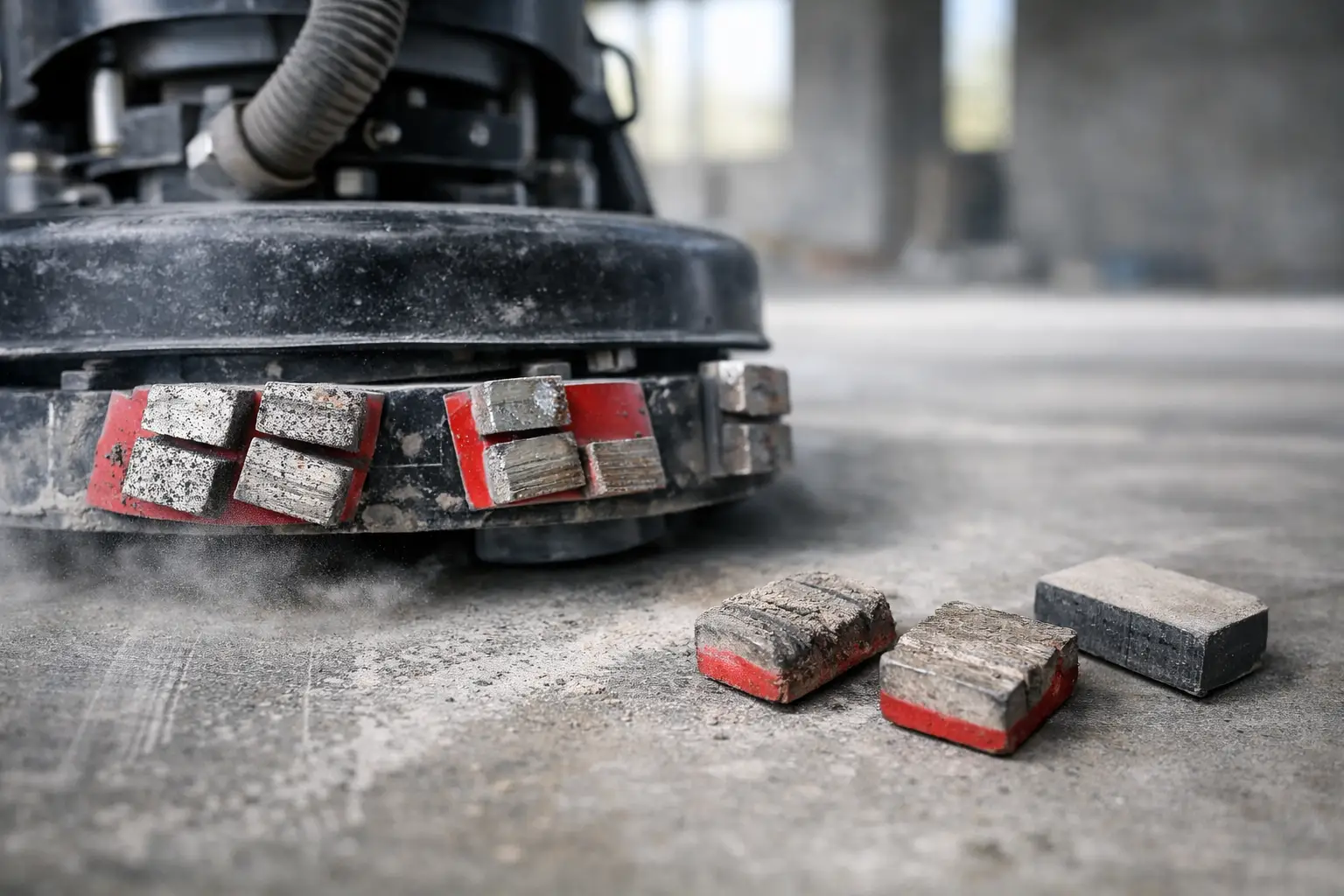
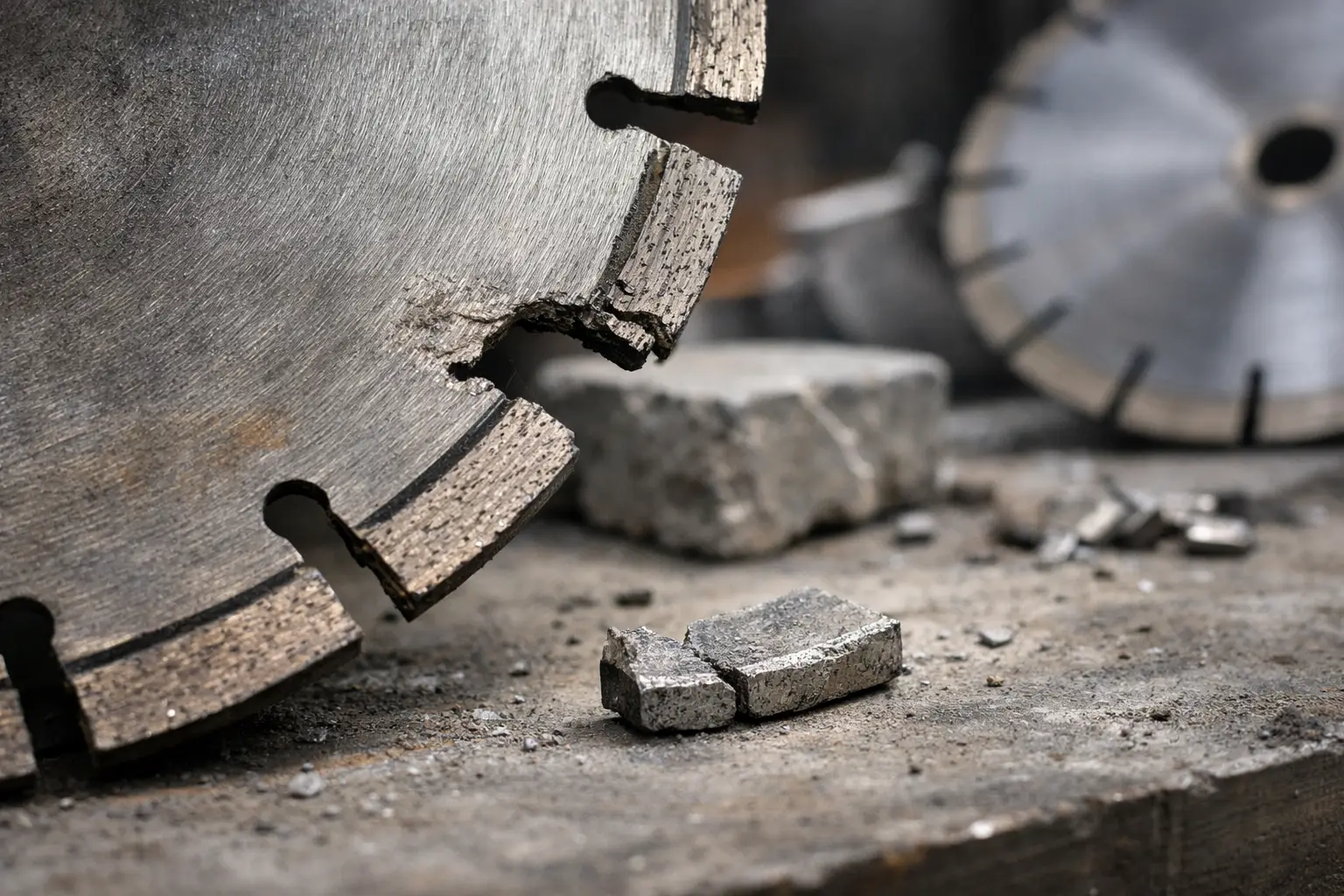
When buyers focus only on piece price, they often absorb hidden costs elsewhere. A blade that cuts slower increases labor time. A core bit that loses segments early creates replacement cost and job interruption. A grinding block with unstable wear can affect floor prep quality and force rework. These are field costs, and they usually exceed the initial savings from a lower quote.
This is especially relevant in bulk purchasing because defects multiply. A minor quality issue in a sample order can become a serious claims issue when it appears across a container shipment. Good procurement teams know that stable performance is usually more valuable than the cheapest landed cost.
How to evaluate a bulk diamond tools supplier before ordering
The best evaluation process is practical. Start with product fit, then move to manufacturing control, then confirm commercial reliability. If a supplier cannot answer technical and production questions clearly, that is a warning sign.
Check application knowledge
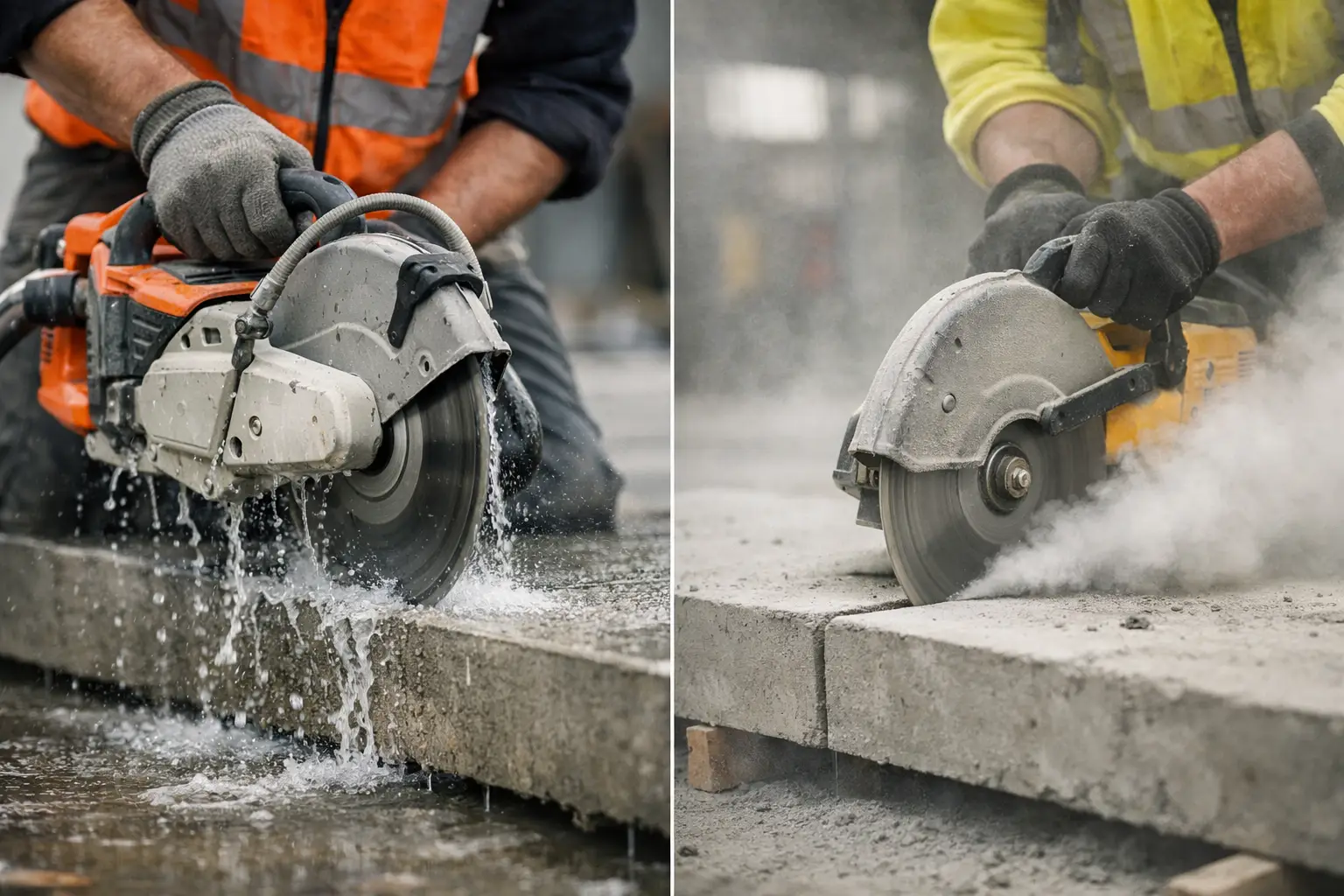
A serious supplier should ask what material you cut or grind, what machine you use, what horsepower or RPM range applies, whether wet or dry operation is required, and what performance priority matters most - speed, life, finish quality, or balance. If the supplier gives the same recommendation for asphalt, cured concrete, granite, and Dekton, they are not evaluating your job properly.
Application knowledge is especially important for distributors that serve mixed markets. A supplier that understands segment bond selection, blade structure, cooling behavior, and material hardness can help reduce return rates and improve customer satisfaction.
Review quality control, not just samples
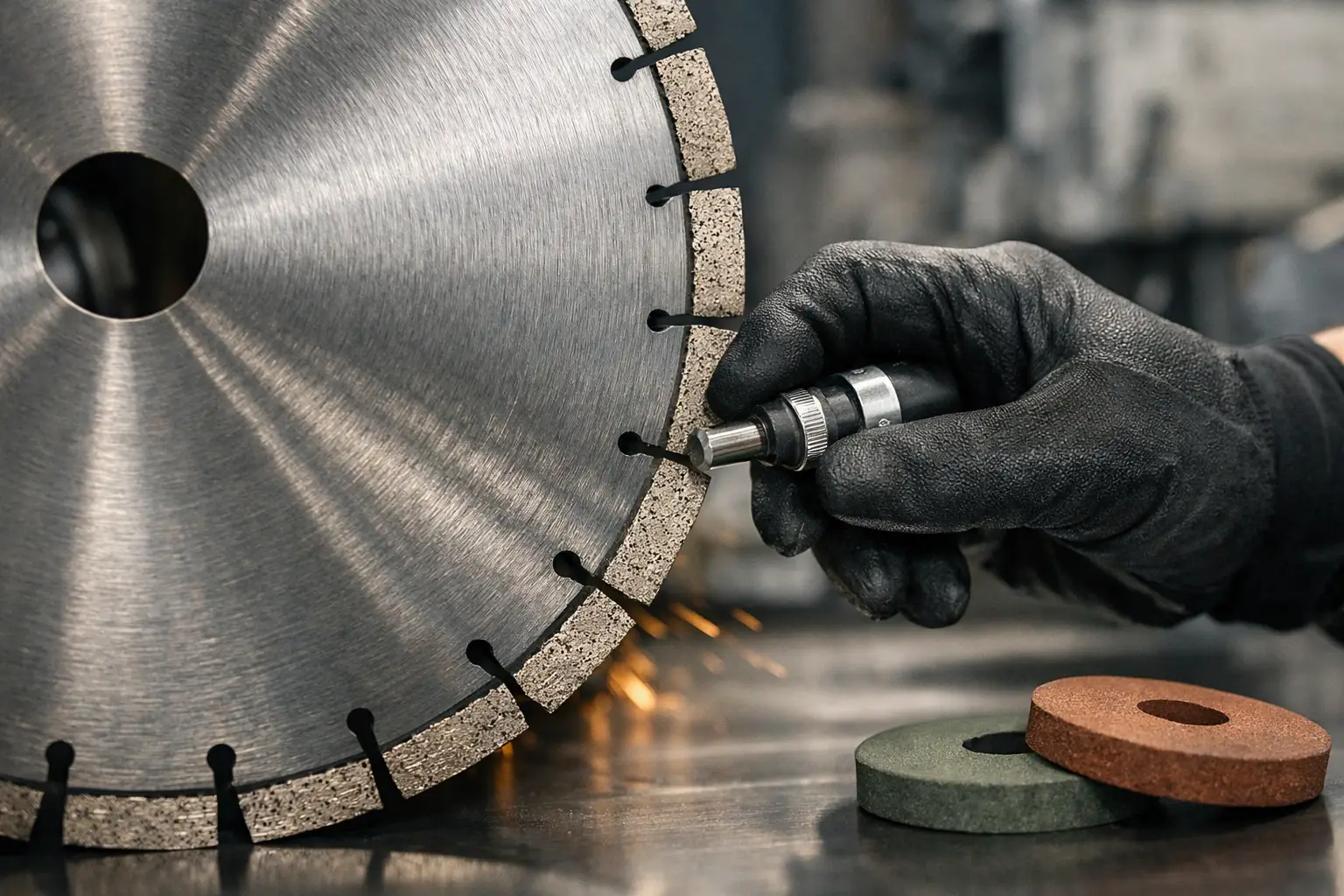
A good sample is useful, but it does not prove batch consistency. Ask how the supplier controls raw materials, segment production, welding, balance, and final inspection. If laser-welded blades or vacuum brazed tools are part of the offer, the supplier should be able to explain why those processes suit specific applications.
Consistency matters more than perfect lab claims. Buyers should ask how the factory handles production records, how defects are screened, and how repeat orders are matched to prior specifications. For wholesale business, quality control is not a marketing point. It is a risk-management requirement.
Confirm production capacity and lead time discipline
Some suppliers perform well with trial quantities and struggle when volumes increase. Ask what monthly output the factory can support for your core product lines and how peak-season demand is managed. This is particularly important for GCC distributors and project-driven buyers who may need urgent replenishment during active construction cycles.
Lead time should also be specific. General promises are not enough. A dependable supplier should distinguish between standard products, custom specifications, and OEM packaging timelines. If carton design, label approval, or private branding is required, that should be built into the schedule from the start.
The role of OEM and private label support
For many wholesale buyers, product supply is only part of the requirement. They also need branding, package compliance, and specification control that match their market strategy. This is where a manufacturing-oriented bulk diamond tools supplier becomes more valuable than a trading source.
OEM and private label support can include printed packaging, laser-marked blades, custom color schemes, adjusted segment formulas, or market-specific product positioning. But customization only helps when the supplier can maintain the same standard after the first order. A factory that accepts every request without discussing technical impact is not being helpful. It is creating future claims risk.
The better approach is a controlled one. Define the target application, performance expectation, branding scope, and order volume, then confirm which elements can be customized without affecting reliability. That is the basis for a long-term supply program.
Product range matters, but not in the way many buyers think
A broad catalog can be useful, especially for distributors serving construction, stone fabrication, flooring, and tile markets at the same time. It is efficient to source saw blades, core bits, hole saws, grinding tools, abrasive blocks, and segments from one supplier when quality systems are stable.
Still, range should not be confused with expertise. Some suppliers present dozens of categories but have weak control over their most technical items. Others focus on fewer industrial lines and perform more reliably. The right choice depends on your business model.
If you need one-source supply, ask which categories are factory-controlled and which are outsourced. That distinction affects quality consistency, lead time, and technical support. Serious buyers should know what they are really buying and where production responsibility sits.
Questions experienced buyers should ask a bulk diamond tools supplier
The most useful questions are the ones that expose operational reality. Ask how product specifications are documented for repeat orders. Ask what inspection steps are used before shipment. Ask how claims are handled when field performance does not match the confirmed application.
You should also ask how the supplier supports market feedback. If your customers report faster wear on a concrete blade or reduced cutting speed on porcelain, can the supplier review the issue and adjust the formula or recommendation? The answer matters because applications change by region, machine type, operator behavior, and material density.
A supplier worth keeping will treat technical feedback as part of the business, not as a complaint to avoid.
What long-term supplier value looks like
The best supply relationships become more efficient over time. Product specifications stabilize. Reordering becomes faster. Packaging standards are already approved. Performance expectations are understood by both sides. Problems still happen, but they are solved through process rather than argument.
That is the real value of working with a dependable manufacturing partner. You reduce uncertainty in procurement, improve consistency in the field, and create a stronger position with your own customers. This is especially important in industrial channels where reputation is tied to repeat performance, not one-time pricing.
For buyers sourcing at scale, a bulk diamond tools supplier should help protect margin, not just fill purchase orders. That means stable quality, disciplined production, technical clarity, and commercial responsiveness. Companies such as Ryhyoma compete on exactly that basis because bulk supply only works when the product and the process are both under control.
The right supplier is usually not the one with the most aggressive quote. It is the one you can trust when the order size increases, the application gets more demanding, and your customer expects the next shipment to perform exactly like the last one.