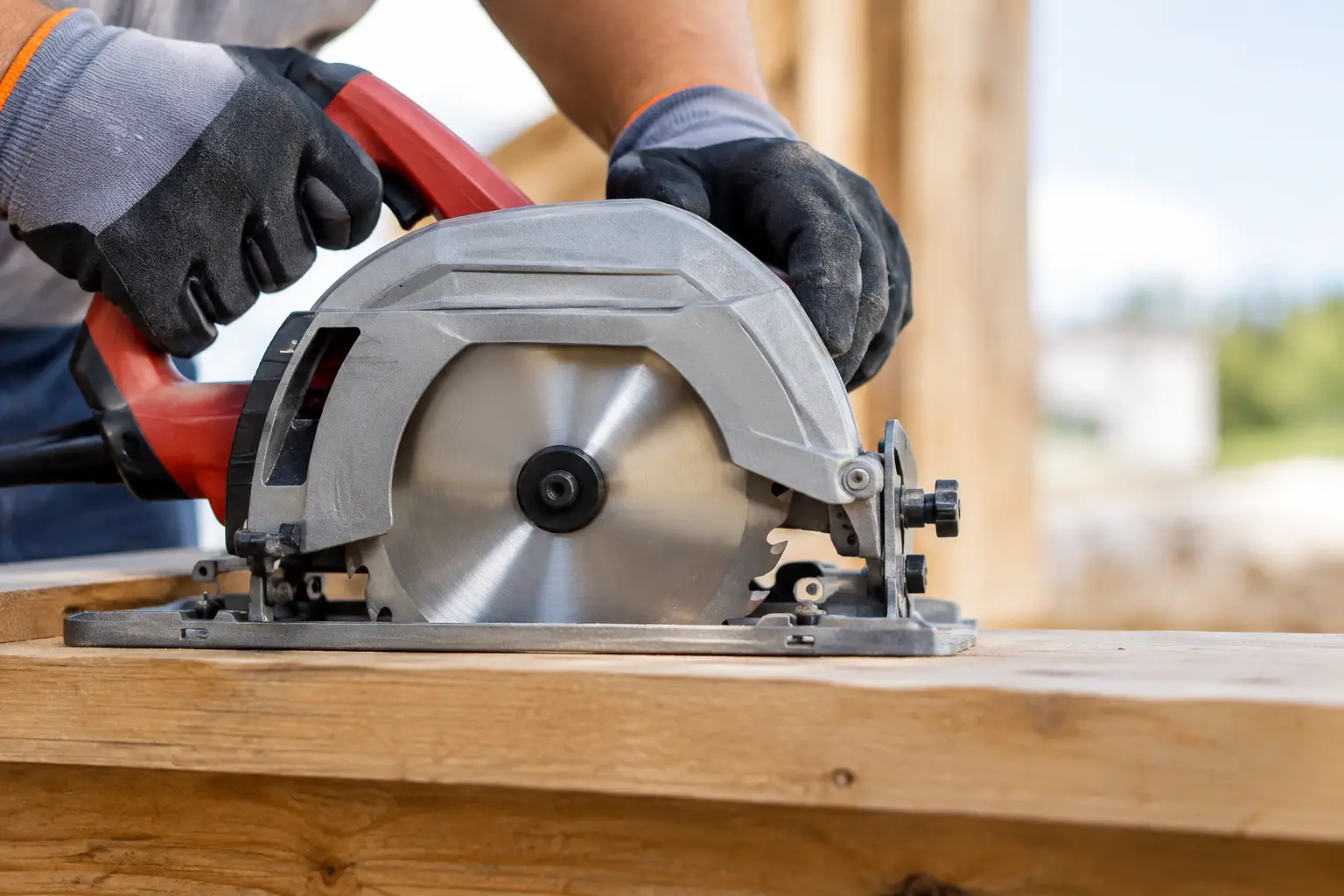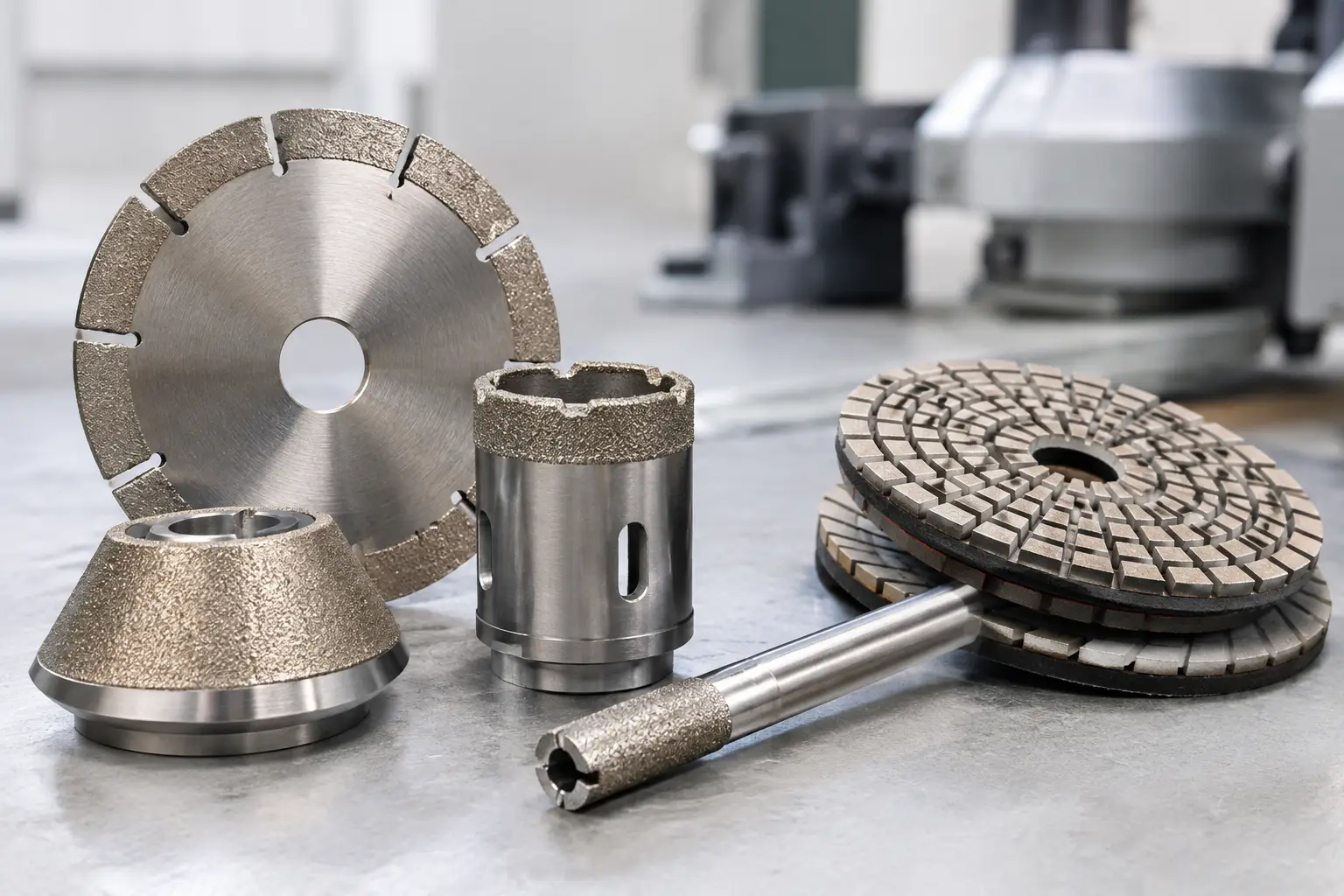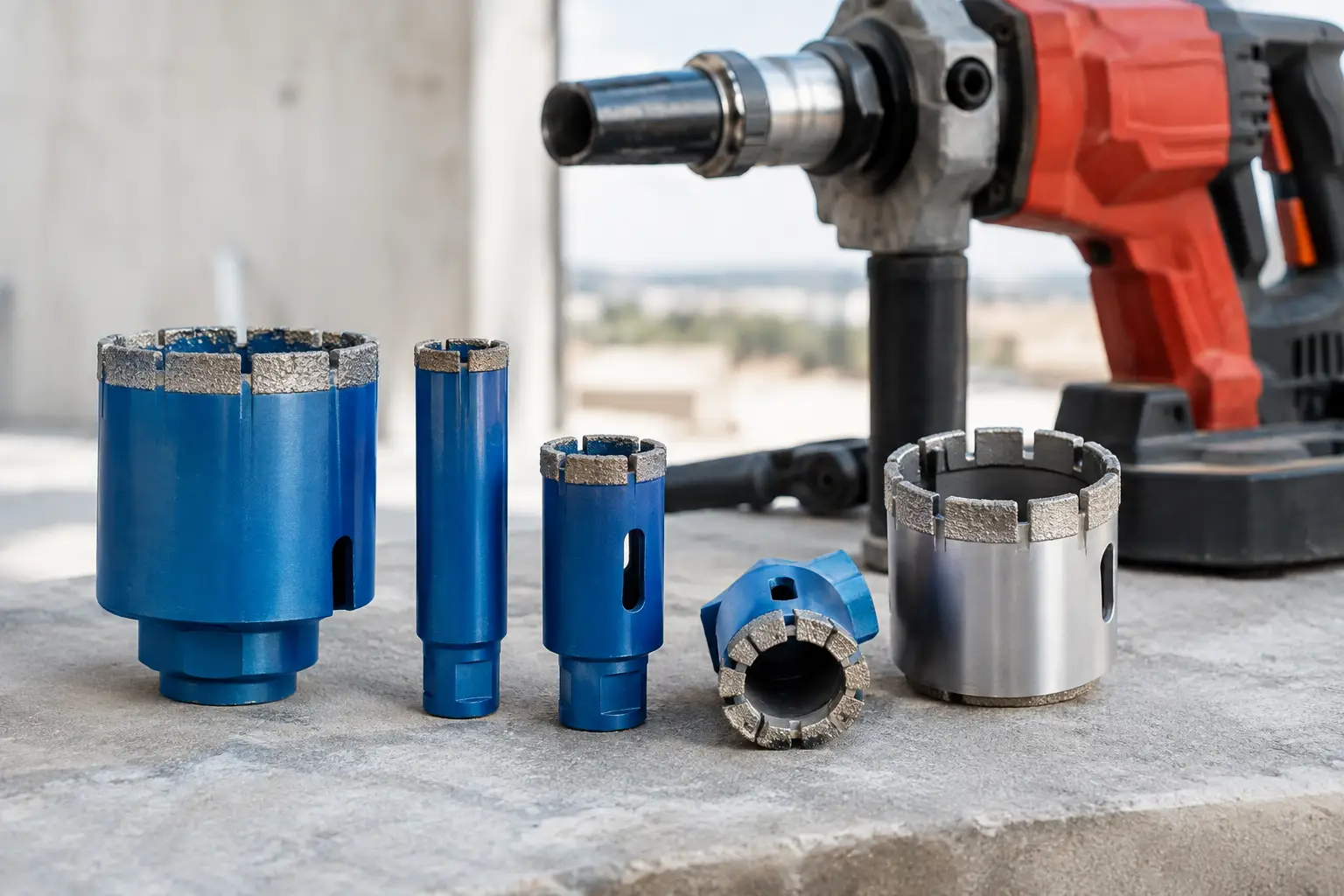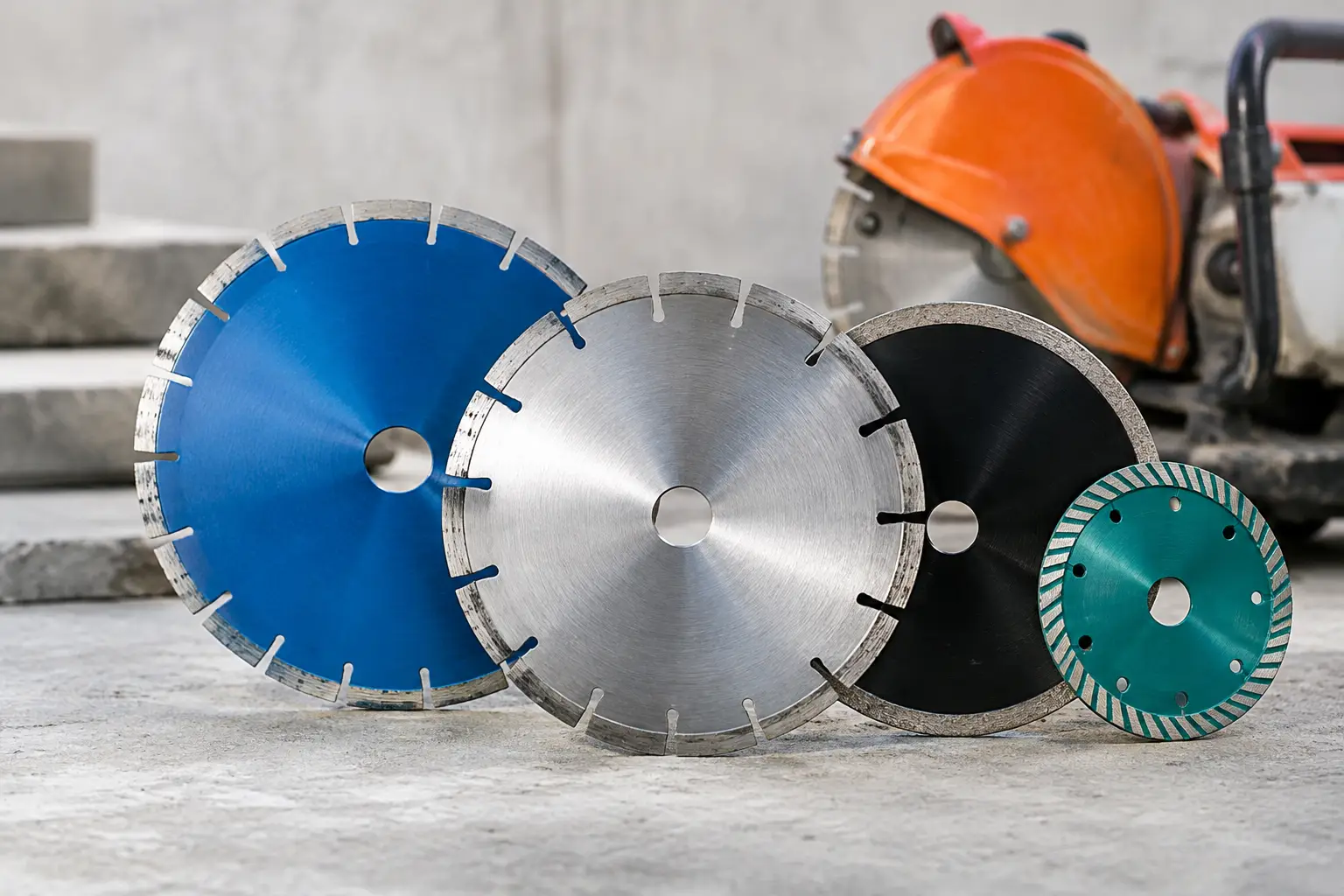
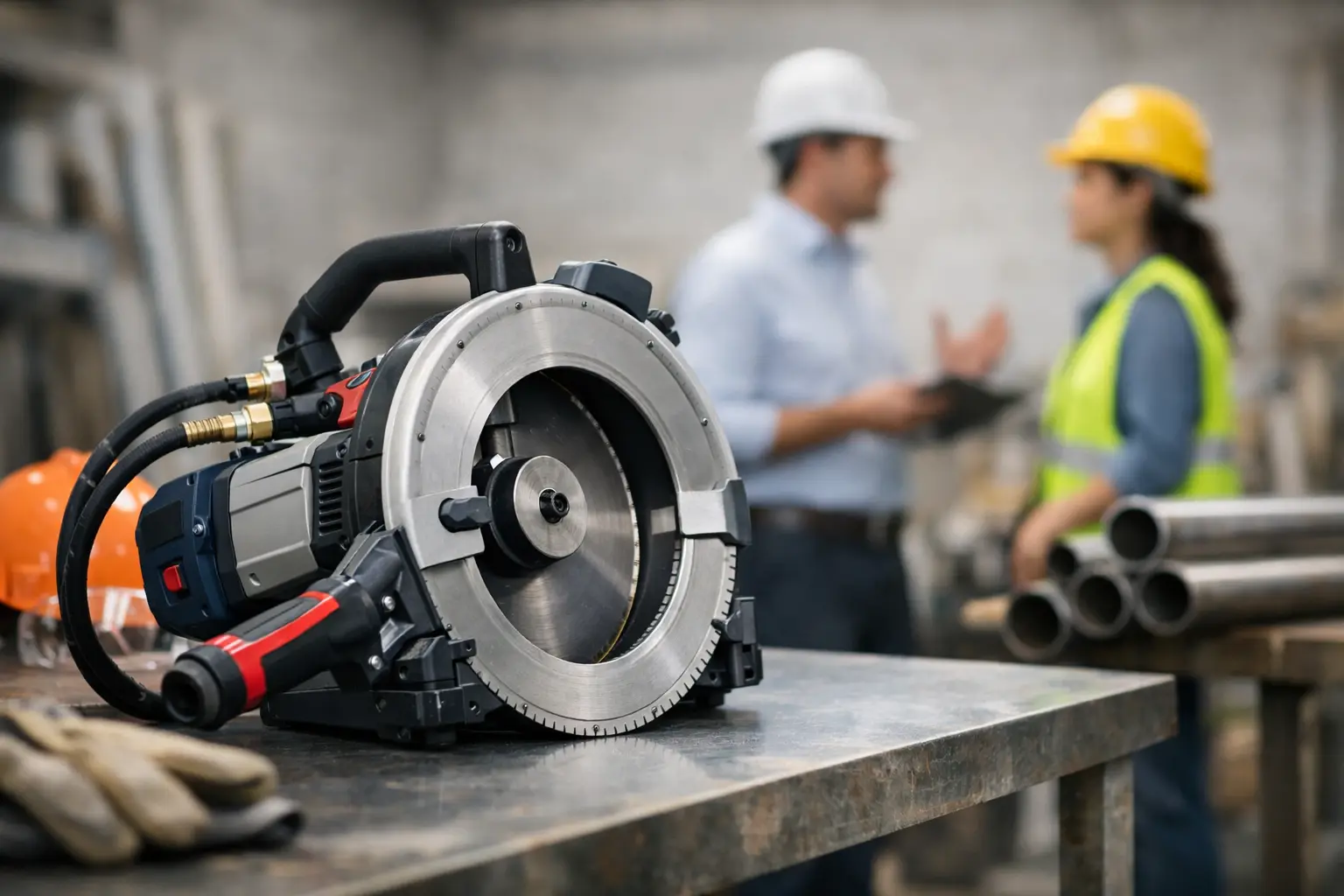
A portable ring saw machine is often selected when standard cutoff saws cannot deliver the required cutting depth without creating access problems on the jobsite. For distributors, contractors, and procurement teams, choosing a portable ring saw machine supplier is therefore not simply an equipment purchase. It is a decision about cutting reliability, replacement-part availability, blade compatibility, and the supplier’s ability to support repeat commercial orders.
Ring saws are used in demanding concrete and masonry work, including wall openings, deep cuts in slabs, utility access work, and controlled removal projects. A low initial machine price can quickly lose value if the tool overheats, the drive system wears prematurely, or compatible diamond blades are difficult to source. The right supplier should understand the complete cutting system, not only the machine in isolation.
What a Portable Ring Saw Must Deliver
The main advantage of a ring saw is its ability to produce a deeper cut than a conventional handheld saw using a blade of comparable outside diameter. Because the blade is driven from its outer edge rather than a central arbor, the design can reach substantially farther into concrete, block, and masonry. This makes it practical where cutting from both sides is limited or where a deeper penetration is needed from one access point.
That advantage also creates higher requirements for machine balance, drive accuracy, cooling, and blade quality. Portable ring saws operate in abrasive environments and may encounter reinforced concrete, aggregates, embedded steel, or variable material density. A machine that performs well in a short demonstration may not maintain its output over repeated commercial shifts.
When comparing models, buyers should confirm the actual maximum cutting depth, the recommended material range, motor or hydraulic power, operating weight, water-feed arrangement, and blade dimensions. These details should be evaluated against the work crews perform most often. A contractor cutting reinforced concrete openings has different requirements from a rental company supplying occasional masonry work.
How to Evaluate a Portable Ring Saw Machine Supplier
A qualified portable ring saw machine supplier should be able to explain how its equipment, diamond blade, and application requirements work together. General product descriptions are not enough for a purchasing decision involving bulk orders or a distributor program.
Start with application-based specifications
Ask the supplier to match the machine to the materials and cutting conditions expected in the field. This includes cured concrete strength, reinforcement level, slab or wall thickness, wet-cutting access, available power source, and the need for indoor or confined-area operation. Electric, hydraulic, and other drive configurations each have practical advantages, but the best choice depends on job conditions and the contractor’s existing equipment fleet.
A supplier should also clarify the operating limits. For example, a stated cutting depth does not mean every material can be cut at the same feed rate. Heavy reinforcement, hard aggregate, and poor water supply can reduce cutting speed and increase blade wear. Clear guidance helps a distributor prevent incorrect product selection before equipment reaches the end user.
Verify the blade and machine as one system
The blade is not an accessory. It directly affects cutting speed, cut quality, machine load, and operating cost. Ring saw blades must have the correct diameter, drive configuration, segment specification, and bond design for the intended material. A poorly matched blade can cause slow cutting, vibration, excessive heat, or avoidable wear on the drive components.
For commercial supply, ask whether the supplier can provide replacement blades with consistent specifications over time. This is especially relevant for importers and private-label distributors. If a machine shipment is available but the replacement blade program is unstable, the product line will be difficult to support after the initial sale.
Diamond segment quality also matters. Segments must be selected to balance cutting aggression and service life. A blade that is too hard may polish over in abrasive conditions, while a blade that wears too quickly can raise the cost per cut. Experienced suppliers should discuss the intended materials rather than promising one blade for every application.
Check manufacturing control and serviceability
Portable equipment is exposed to slurry, dust, vibration, and operator variation. Buyers should review the construction of the frame, guards, handles, water-delivery components, drive system, and blade mounting arrangement. Access to wear items and routine service points should be practical for contractors and rental fleets.
For larger purchasing programs, request technical documentation, packing details, spare-parts information, and inspection procedures. The purpose is not to create unnecessary paperwork. It is to confirm that the supplier has a repeatable supply process and understands what happens after the machine is delivered.
A dependable supplier should be prepared to address common service questions: Which parts are normally replaced? How are blades installed and tensioned where applicable? What maintenance is required after wet cutting? What symptoms indicate that a blade or drive component needs attention? Clear answers reduce downtime and help distributors provide credible after-sales support.
Assess bulk supply capability before placing a trial order
A sample order can confirm basic product fit, but it does not prove that a supplier can support a growing sales program. Before committing to a container, distributor agreement, or repeated project supply, buyers should discuss production lead times, minimum order quantities, export packaging, parts availability, and quality consistency between batches.
This is particularly relevant for GCC construction markets, where project schedules and import timing can put pressure on local inventory. A supplier that communicates clearly about production status and shipment preparation is more useful than one that only provides an attractive quotation. Delayed accessories, missing blades, or inconsistent packaging can create problems at the distributor and contractor level.
OEM and ODM capability should also be evaluated realistically. Private labeling may include machine color, labels, cartons, manuals, blade packaging, or selected specifications. The scope depends on order volume and technical feasibility. Buyers should provide their target application, sales market, branding requirements, and expected annual demand early so the supplier can recommend a workable program.
Questions That Expose Supplier Capability
The most useful supplier discussions focus on operating conditions and supply continuity. Procurement teams should ask for the recommended blade specification for their target materials, expected replacement parts, inspection methods before shipment, and the documentation included with export orders. They should also ask whether the supplier can maintain the same blade and machine specification for future purchases.
It is reasonable to request sample testing or detailed product data, especially when introducing a ring saw line to a new market. However, testing should reflect field conditions. Cutting lightweight block in a controlled setting does not demonstrate performance in dense reinforced concrete. Provide representative material details and define what performance matters most: depth, cutting rate, blade life, operator handling, or maintenance frequency.
Price should be reviewed in the same context. The lowest machine cost may be appropriate for low-frequency work, but it can be a poor choice for professional contractors, rental operations, or distributors building a long-term category. Downtime, blade consumption, service claims, and inventory gaps are commercial costs that do not appear on the initial quotation.
Building a Product Line Around Ring Saw Demand
For distributors, portable ring saws are often best sold as part of a deeper-cutting solution rather than as a stand-alone item. The package may include application-matched diamond blades, replacement wear parts, operating guidance, and related concrete cutting tools. This approach gives customers a clearer path from equipment selection to productive jobsite use.
Inventory planning should reflect replacement demand. Machines may sell intermittently, while blades and service parts create ongoing purchasing needs. Holding the right consumables locally can strengthen customer retention and reduce the risk that users switch brands when their first blade reaches the end of its service life.
Ryhyoma supports B2B buyers with portable ring saw machines and diamond cutting tools selected for commercial cutting applications, backed by quality control and OEM/ODM supply support. The practical goal is not to sell a machine once. It is to help distributors and contractors maintain a dependable cutting capability across repeated jobs.
Choose a supplier that can discuss the cut, the blade, the machine, and the next shipment with equal precision. That is the foundation for a ring saw program that performs long after the first order arrives.