
When a distributor loses a customer over blade inconsistency, the problem is rarely just one failed shipment. It usually points to a supplier that cannot hold specs, maintain bond consistency, or support repeat orders at scale. That is why private label diamond blades matter to serious B2B buyers. They are not just a branding exercise. They are a way to control product positioning, protect margins, and build a reliable line that contractors and resellers will reorder.
Why private label diamond blades make business sense
For importers, wholesalers, and industrial distributors, private label diamond blades create more control over the commercial side of the product. Instead of selling the same blade as every other reseller, you can define your own product range by application, performance level, package design, and market segment. That matters in competitive markets where buyers compare not only price, but also cutting speed, blade life, and consistency from one batch to the next.
Private labeling also changes the relationship with the manufacturer. A capable OEM supplier is not simply shipping standard stock with your logo added. The better model is specification-based production, where diameter, segment height, arbor size, segment formula, welding method, and packaging are aligned with your target market. For a buyer serving concrete contractors in the Gulf, that may mean prioritizing heat resistance, stable cutting on reinforced material, and dependable performance in high-volume field use. For a stone distributor, it may mean cleaner edges and more controlled wear rates on granite or engineered surfaces.
The commercial upside is straightforward. You gain brand ownership, stronger customer retention, and more room to differentiate. The trade-off is that private label requires tighter planning. If your forecast is weak or your supplier approval process is loose, you can end up with inventory that does not fit the market or quality variation that damages your brand, not the factory's.
What separates strong private label diamond blades from generic supply
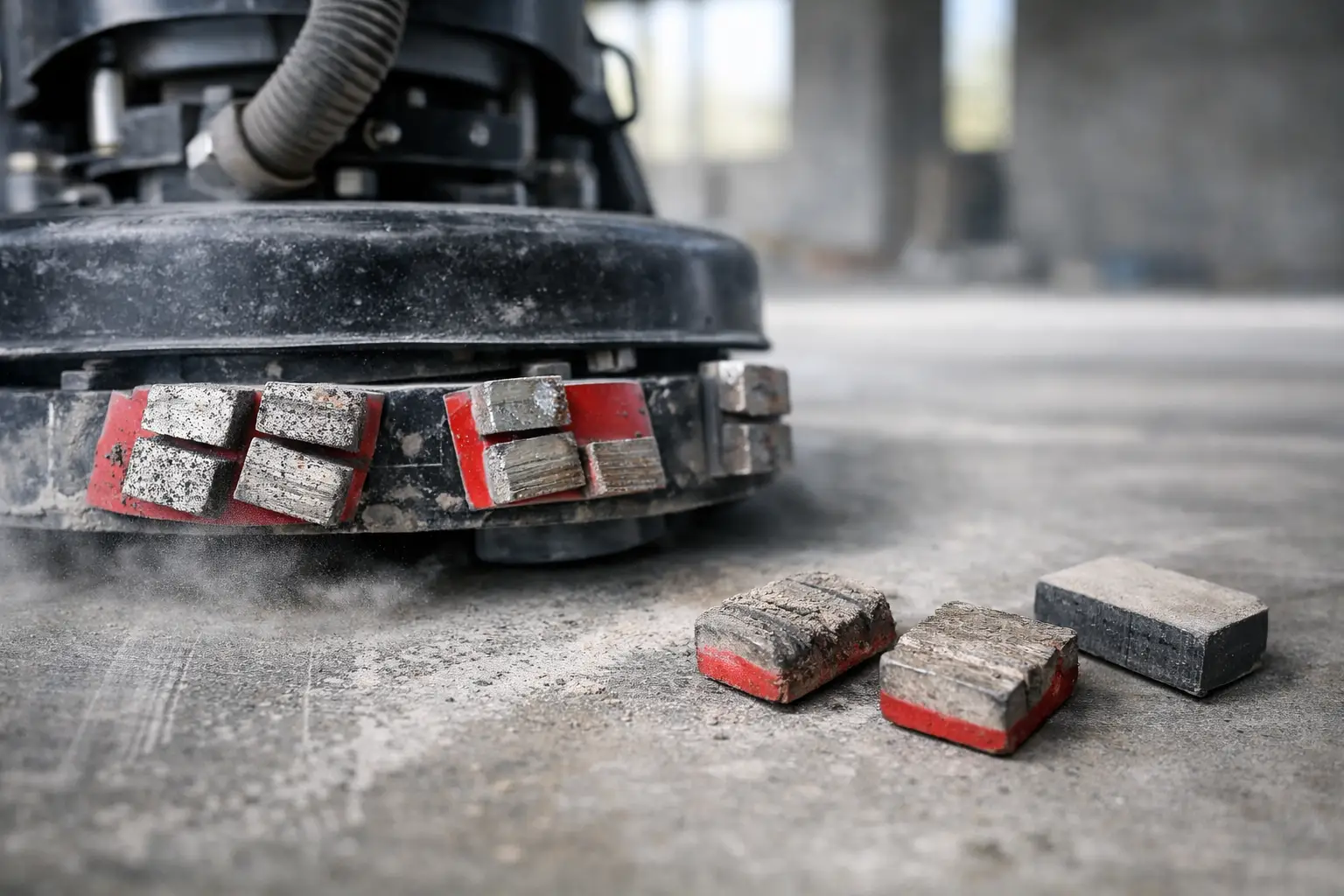
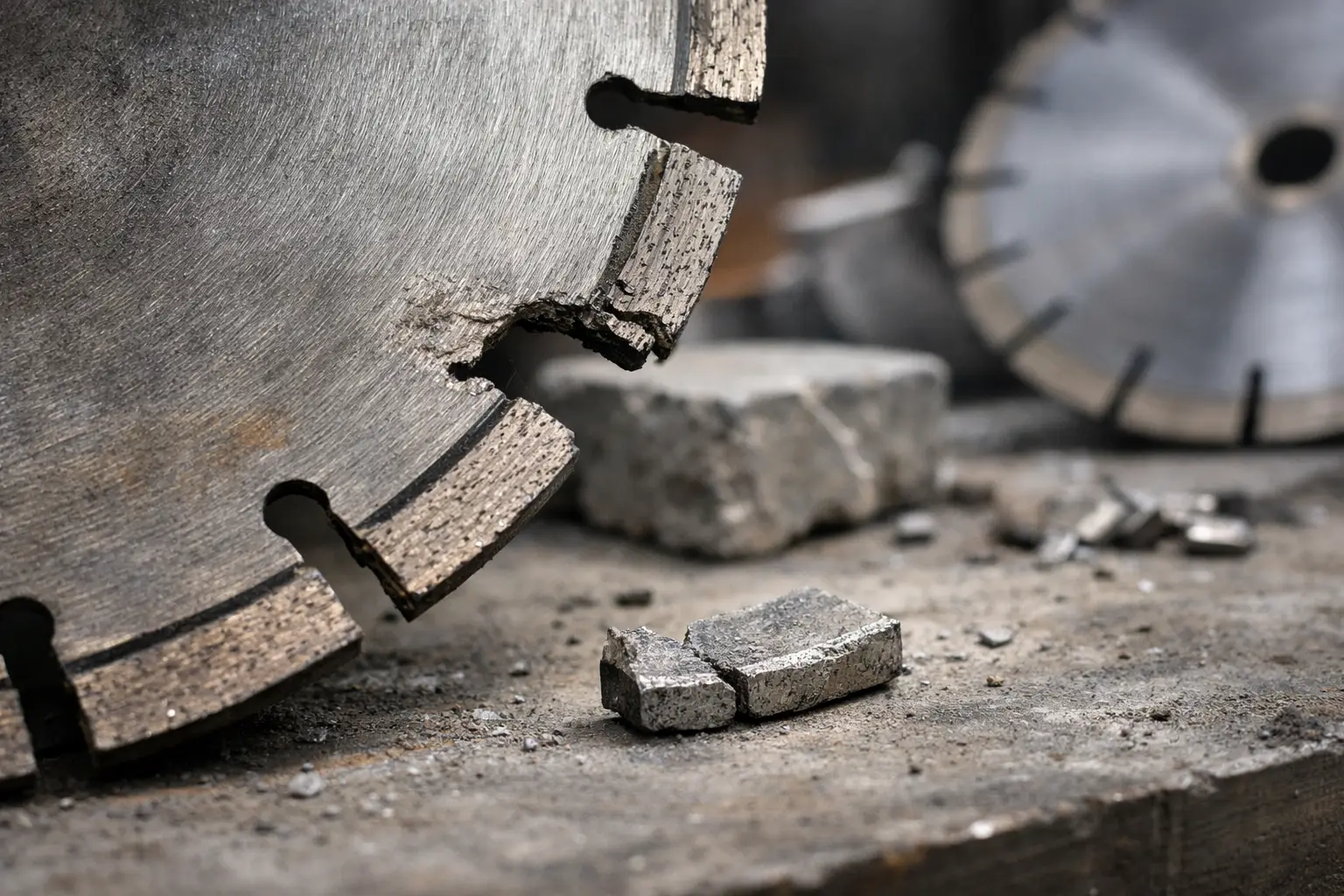
The difference usually starts at the production level. Diamond blades can look similar in a catalog, but performance depends on factors that are not obvious in a product photo. Diamond concentration, bond hardness, segment design, steel core stability, and welding quality all affect field results. A low-cost blade may appear competitive on paper, yet glaze quickly, cut slowly, or lose segments under heavy load.
That is why experienced buyers look past simple unit price. They want to know whether the factory can produce consistently across repeated orders, whether QC checks are documented, and whether the blade design matches the intended material. A concrete cutting blade for abrasive green concrete should not be treated the same as a blade for cured reinforced concrete. A ceramic tile disc and a granite blade do not need the same bond behavior. If the manufacturer does not ask these questions, the private label program is already weak.
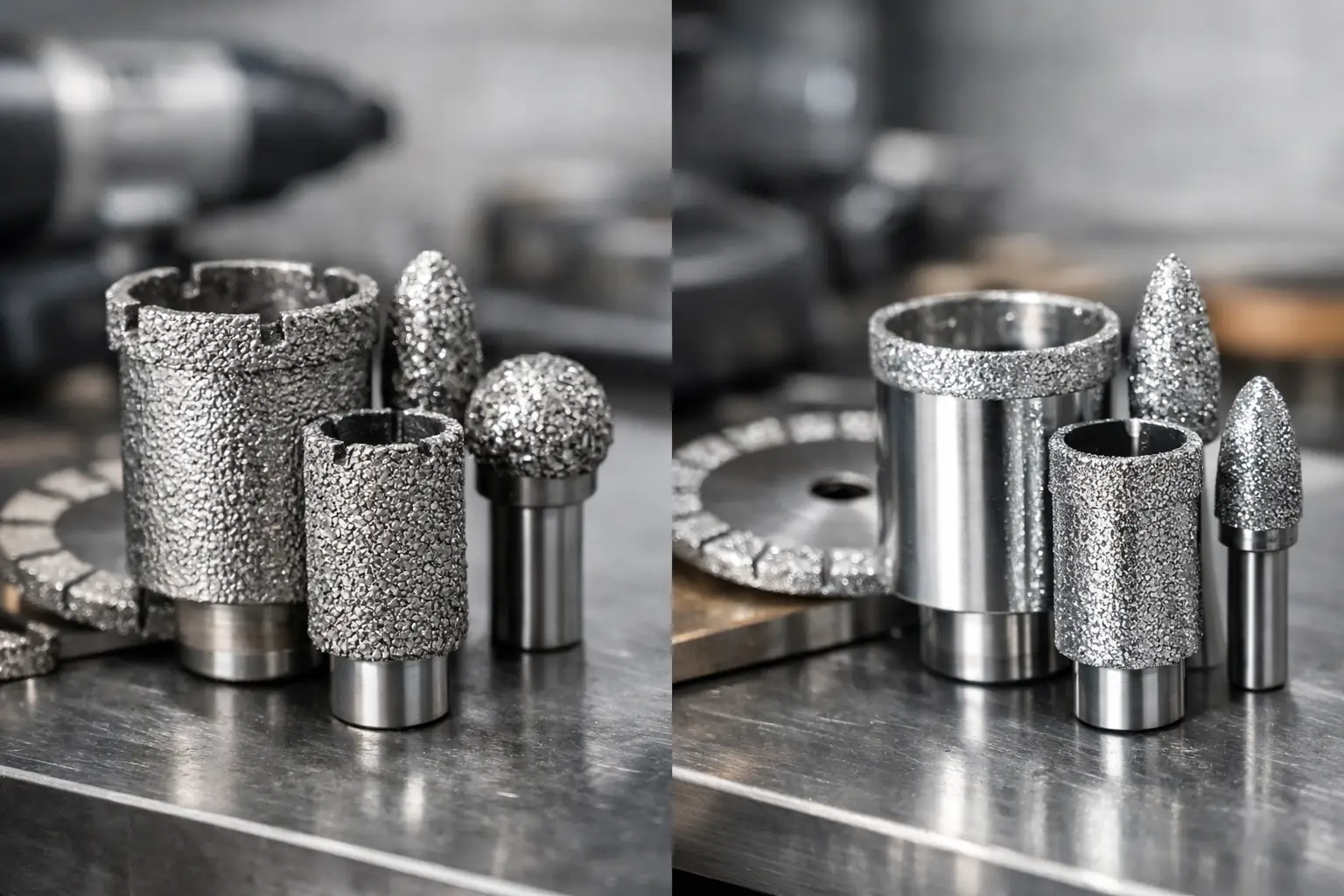
Laser-welded and vacuum-brazed production capabilities are also important indicators. They suggest the supplier is not limited to basic low-end output and can support different blade categories for professional use. For industrial buyers, this matters because the private label range often expands over time. A distributor may begin with segmented concrete blades, then add turbo blades, tile blades, core bits, and grinding tools. A manufacturer with broader process capability is better positioned to support that growth without forcing the buyer to manage several factories.
How to evaluate a private label manufacturer
The right supplier should be assessed as a production partner, not just a quote source. Product quality is the first filter, but not the only one. You also need confidence in process control, responsiveness, and repeatability.
Start with application fit. Ask how the factory matches bond formulation and segment design to material type, machine power, cutting method, and expected duty cycle. A supplier that only offers a standard answer for every application is not building a serious OEM program. The goal is not endless customization for its own sake. The goal is a blade that performs predictably in the conditions your customers actually face.
Then look at quality control discipline. This includes raw material control, segment consistency, welding inspection, balance checks, and finished-product testing. Buyers in contractor-heavy markets know that one bad production batch can trigger warranty claims, site delays, and lost accounts. Stable quality is often worth more than chasing the lowest offered price.
Lead time and production capacity come next. Private label diamond blades are often ordered in bulk and need to arrive on schedule for distributor inventory cycles or project demand. A technically capable factory that cannot maintain delivery performance becomes a commercial risk. This is especially true for export buyers who must plan around container schedules, customs timing, and seasonal demand peaks.
Packaging support also matters more than many buyers expect. In private label programs, packaging is part of the product. Clear branding, correct specifications, barcodes, and durable export packing help distributors present a professional line and reduce receiving errors. Weak packaging can undermine a good blade.
The specifications that should never be left vague
Many private label problems start with incomplete product definitions. If the purchase order only lists diameter and logo artwork, there is too much room for variation. Serious buyers should lock down the core technical details before mass production begins.
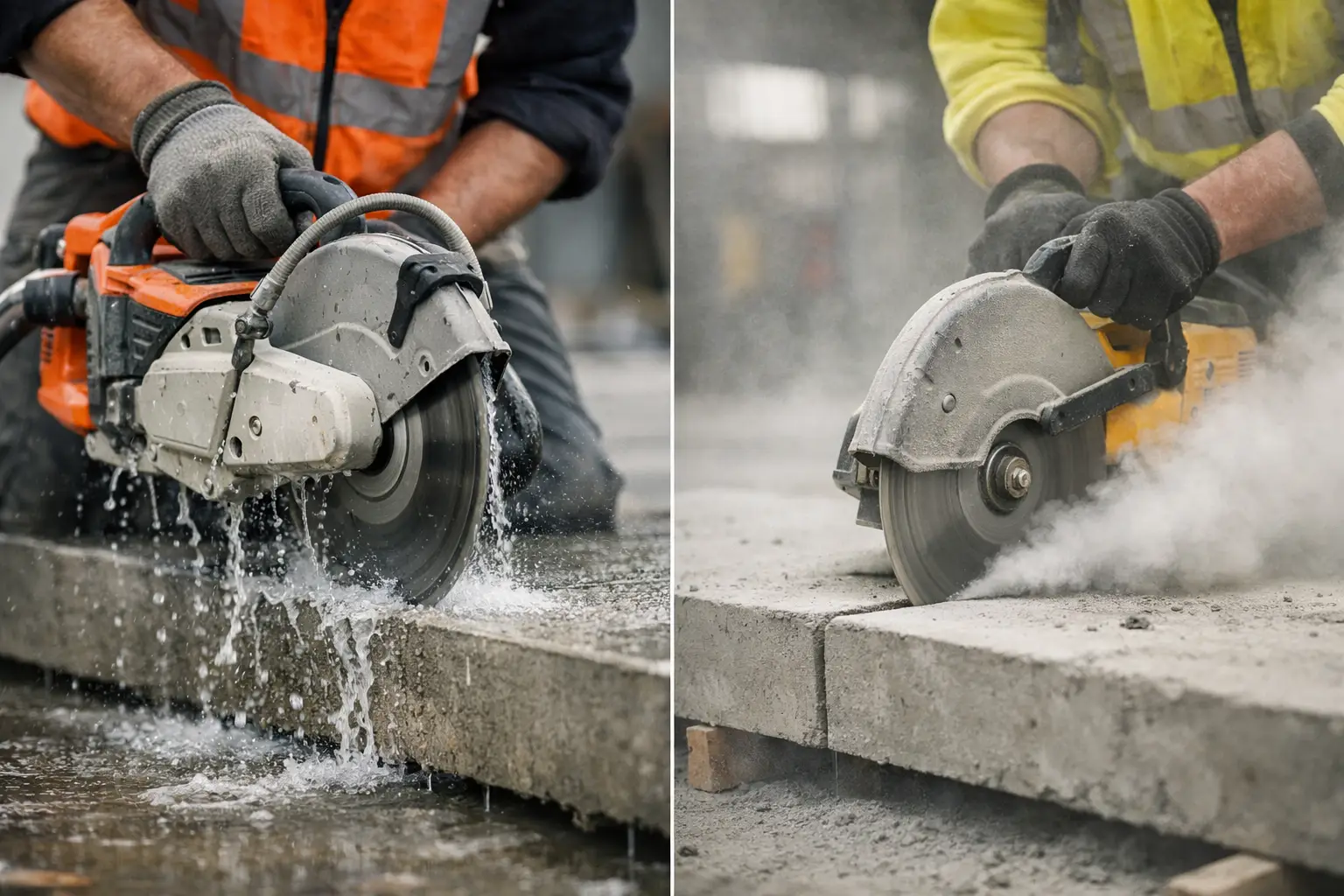
The most important items include blade diameter, segment height, segment width, arbor size, bond type, intended material, dry or wet cutting mode, welding method, and target performance level. You should also align on steel core thickness, label language, packaging format, and any market-specific compliance requirements. If the blade is meant for a value segment, define that openly. If it is meant to compete as a premium contractor-grade blade, that needs to be reflected in the production standard and test expectations.
Samples are part of this process, but samples alone are not enough. A good sample can still be followed by inconsistent production if there is no locked specification sheet and no clear approval procedure. The sample stage should confirm performance. The documentation stage should protect consistency.
Margin, branding, and the risk of getting it wrong
Private label diamond blades can improve margin, but only when the product is positioned correctly. Some buyers assume that adding a logo automatically creates a premium line. It does not. Contractors care about cost per cut, blade life, cutting speed, and failure rate. If the product does not deliver, branding will not save it.
At the same time, going too far on low price can damage long-term margin. Cheap blades often create hidden costs through returns, complaints, and lost confidence from dealers. For distributors building their own brand, the smarter approach is usually a balanced one: establish a dependable core line, keep quality stable, and create tiered options only where the market clearly supports them.
This is where an experienced manufacturing partner adds value. The factory should be able to advise where premium specifications are necessary and where they are excessive for the target use. Not every market needs the same blade. A buyer serving general construction supply may need a broad, dependable range. A specialist distributor may need tighter segmentation by application. It depends on the customer base, local competition, and how technical the end user is.
Building a private label program that lasts
A sustainable private label program is built on repeatability. That means consistent blade performance, consistent packaging, consistent lead times, and consistent communication. Buyers who treat every order as a one-time price negotiation usually struggle to build a strong line. Buyers who standardize specifications, review performance data, and work with a manufacturer that understands industrial applications usually create better long-term results.
For global buyers and regional distributors, especially in demanding construction and fabrication markets, the supplier relationship should support more than production. It should include technical feedback, practical recommendations, and responsiveness when requirements change. Ryhyoma works in that model because B2B buyers need more than catalog availability. They need supply they can rely on when their own customers are cutting concrete, stone, ceramic, asphalt, and specialty materials every day.
Private label only works when the blade behind the label is worth reordering. If you choose a manufacturer with disciplined quality control, application knowledge, and dependable production support, your brand has room to grow on performance rather than promises.