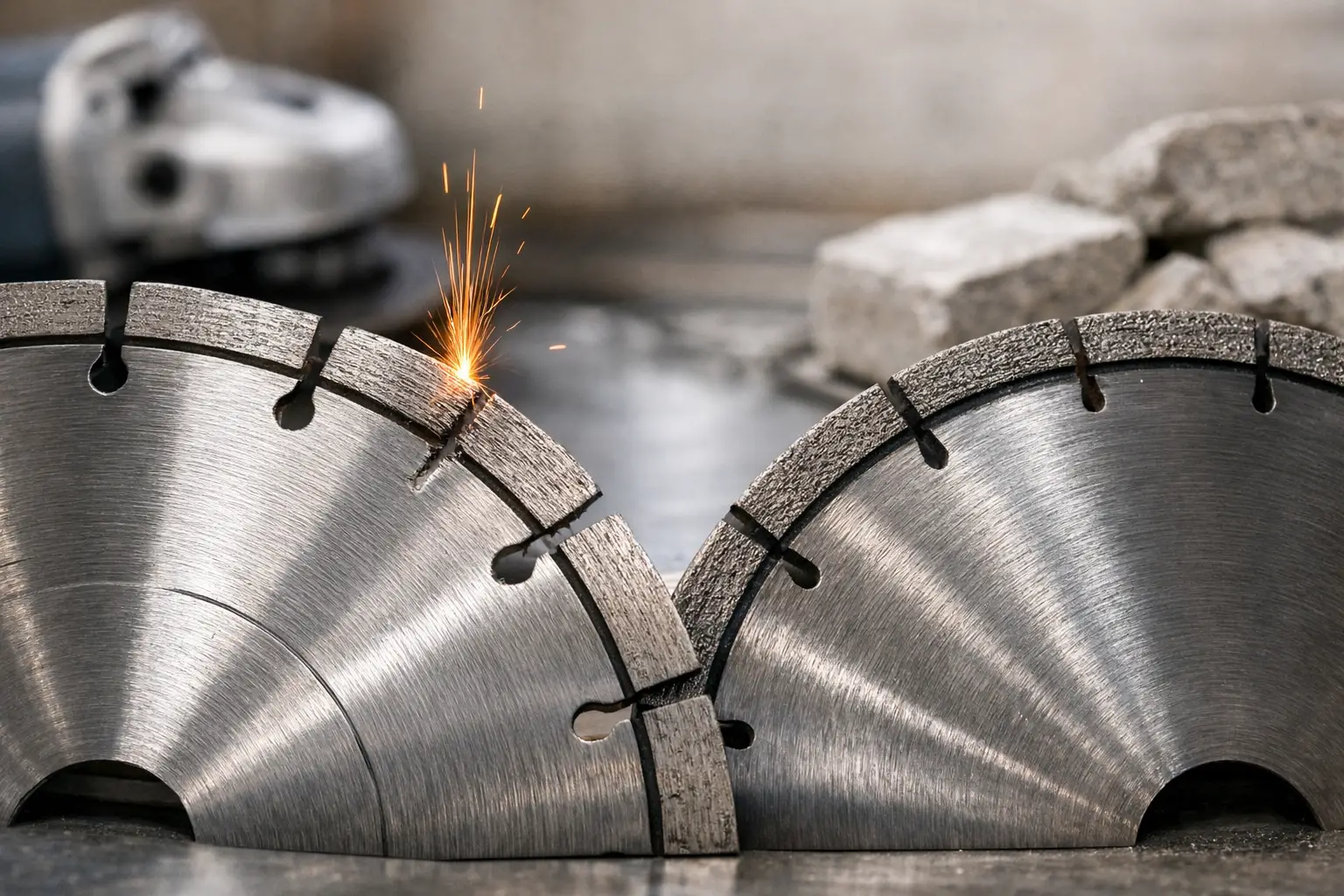

A core bit that glazes halfway through a reinforced slab does more than slow one hole. It interrupts the crew, creates schedule pressure, and raises the true cost per hole. This industrial core drilling guide focuses on the decisions that determine commercial drilling performance: matching the bit to the material, setting up the machine correctly, controlling water and slurry, and buying tools with repeatable specifications.
Start With the Material, Not the Bit Diameter
Core drilling is often specified by hole size, but diameter alone is not enough to select a bit. The base material controls the diamond concentration, bond hardness, segment design, and operating method required for efficient drilling. A bit that performs well in abrasive block or green concrete can wear too quickly in hard, dense concrete. A bit designed for standard concrete may polish over when it meets high-strength concrete or continuous rebar.
Before approving a core bit for a project or stocking it for distribution, identify the compressive strength and age of the concrete where possible. Also determine whether the application includes rebar, wire mesh, aggregate with high silica content, stone, masonry, or asphalt. These variables affect both drilling speed and segment life.
Reinforcement Changes the Cutting Load
Reinforced concrete is a mixed-material application. The bit must cut concrete, expose diamonds at a controlled rate, and pass through steel without losing segments or excessive vibration. Thin, intermittent reinforcement creates a different load from heavy rebar cages or post-tensioned structures.
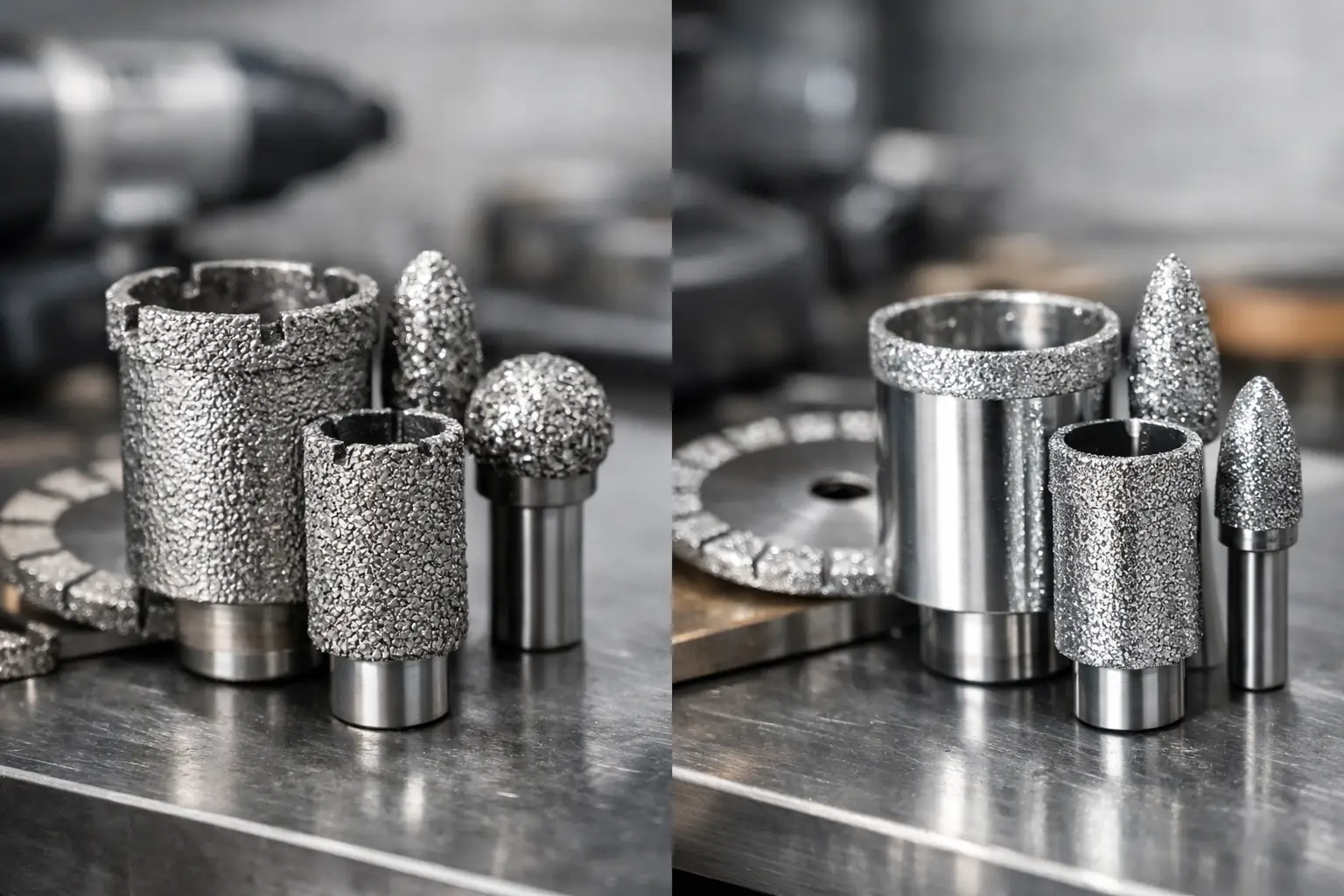
For repeated drilling through reinforced concrete, a laser-welded segmented core bit is generally the correct commercial choice. Laser welding provides stronger segment retention under heat and stress than lower-duty joining methods. Segment geometry should promote water flow and debris evacuation while retaining enough cutting edge for stable penetration.
Define the Hole Requirement Clearly
The drilling requirement also matters. A shallow anchor hole, a 24-inch wall penetration, and a deep utility opening may use the same diameter but require different barrel lengths, connection types, and machine capacity. Confirm the finished hole diameter, drilling depth, access conditions, and whether the hole must be dry, wet, horizontal, vertical, or inverted.
Oversized holes may be necessary when sleeves, pipes, or firestop systems are installed, but uncontrolled oversizing is a quality problem. A stable barrel, correct spindle connection, and rigid stand help maintain hole accuracy, particularly at larger diameters.
Industrial Core Drilling Guide: Match the Whole System
A diamond core bit cannot compensate for an undersized drill motor, a loose stand, or inadequate water supply. Industrial drilling performance comes from the complete system. Procurement teams should evaluate core bits alongside the motor power range, spindle thread, stand capacity, vacuum or anchor mounting method, and available water management equipment.
A high-torque motor is required as diameter and depth increase. If motor power is too low, the operator may force the bit into the surface, increasing heat and segment wear. If the machine is too powerful for a small bit or weak mounting arrangement, vibration can cause barrel runout, poor hole quality, and premature diamond loss.
For horizontal or large-diameter drilling, a properly anchored drill stand is usually essential. Hand-held drilling may be acceptable for small holes in suitable materials, but it does not provide the same alignment, safety control, or repeatability. The decision depends on hole size, substrate condition, reinforcement level, and jobsite safety requirements.
Speed and feed pressure must be balanced. Excessive RPM can generate heat and glaze the segment. Too little RPM reduces cutting action and may cause the bit to grab. Likewise, heavy feed pressure does not make a dull or poorly matched bit cut faster. It usually creates heat, slows flushing, and increases the risk of motor overload.
Choose Bond and Segment Design for the Application
Diamond tools cut because the bond matrix wears in a controlled way, exposing new diamond crystals. That principle determines why one bit succeeds where another fails.
Hard, dense, less abrasive materials generally need a softer bond. The softer matrix releases worn diamonds and exposes new cutting points. Abrasive materials usually require a harder bond so the segment does not wear away too quickly. This relationship is fundamental, but it is not a substitute for field testing. Aggregate composition, moisture, reinforcement, machine condition, and operator technique can all change the result.
Segment height affects usable life. Higher segments can provide more drilling depth in production work, but they also increase the initial tool cost. For contractors drilling occasional service penetrations, a standard segment height may offer the better cost balance. For rental fleets, distributors, and contractors running high hole volumes, longer-life configurations can reduce tool changes and downtime.
Barrel construction matters as well. A true, rigid steel barrel reduces wobble and supports a cleaner hole. Good segment alignment improves cutting stability. On large orders, buyers should request clear specifications for segment height, wall thickness, working length, connection type, welding method, and recommended application. Generic descriptions such as “premium concrete bit” are not enough for a commercial purchasing decision.
Water, Slurry, and Dust Control Affect Tool Life
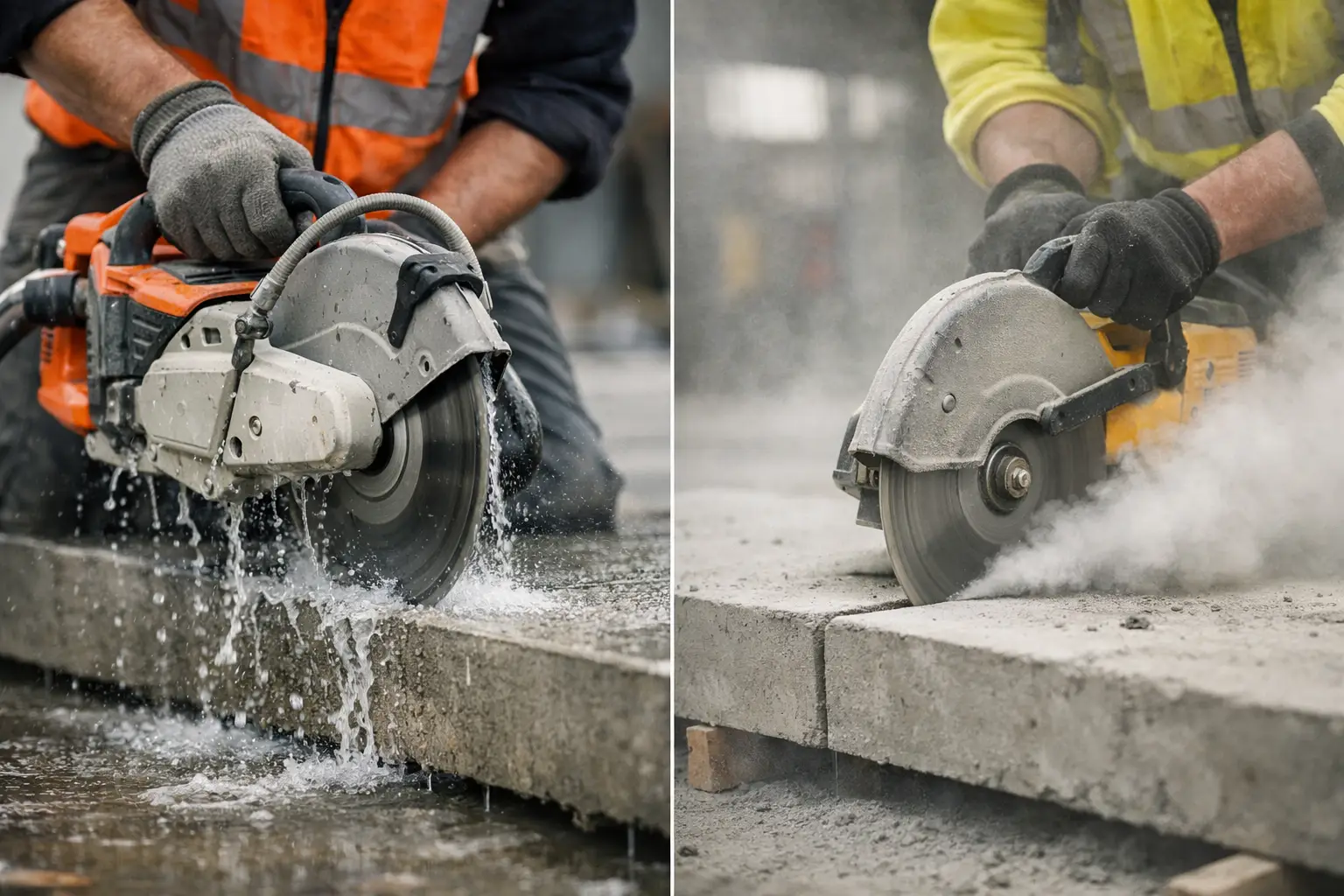
Wet core drilling remains the preferred method for many concrete applications because water cools the segment, carries slurry from the kerf, and reduces airborne dust. The water supply must be consistent rather than excessive. Insufficient water overheats the bit, while too much water can make slurry handling more difficult and may reduce visibility at the drilling point.
The goal is a controlled flow that produces a workable slurry and keeps the cutting area clear. When slurry becomes thick inside the hole, cutting resistance increases. The operator may see slower penetration, rising amperage, or a change in motor sound. Stopping briefly to flush the hole can prevent more costly damage.
Slurry containment should be planned before drilling begins, especially indoors, on finished floors, or above occupied areas. Water collection rings, wet vacuums, and appropriate containment methods protect the work area and reduce cleanup time. Disposal must follow local project and environmental requirements. Concrete slurry should not be treated as ordinary wash water.
Dry drilling has a place in certain masonry and limited-access applications, but it creates a different dust-control requirement and places more thermal load on the tool. A dry core bit must be designed for that operating method. Using a wet bit dry is a common cause of glazing, segment damage, and short service life.
Diagnose Slow Drilling Before Replacing the Bit
When drilling speed drops, the bit is not always the root cause. Checking the operating condition first prevents unnecessary tool consumption. Start with water flow, stand rigidity, motor speed, feed pressure, and the actual material being drilled. Then inspect the barrel and segments.
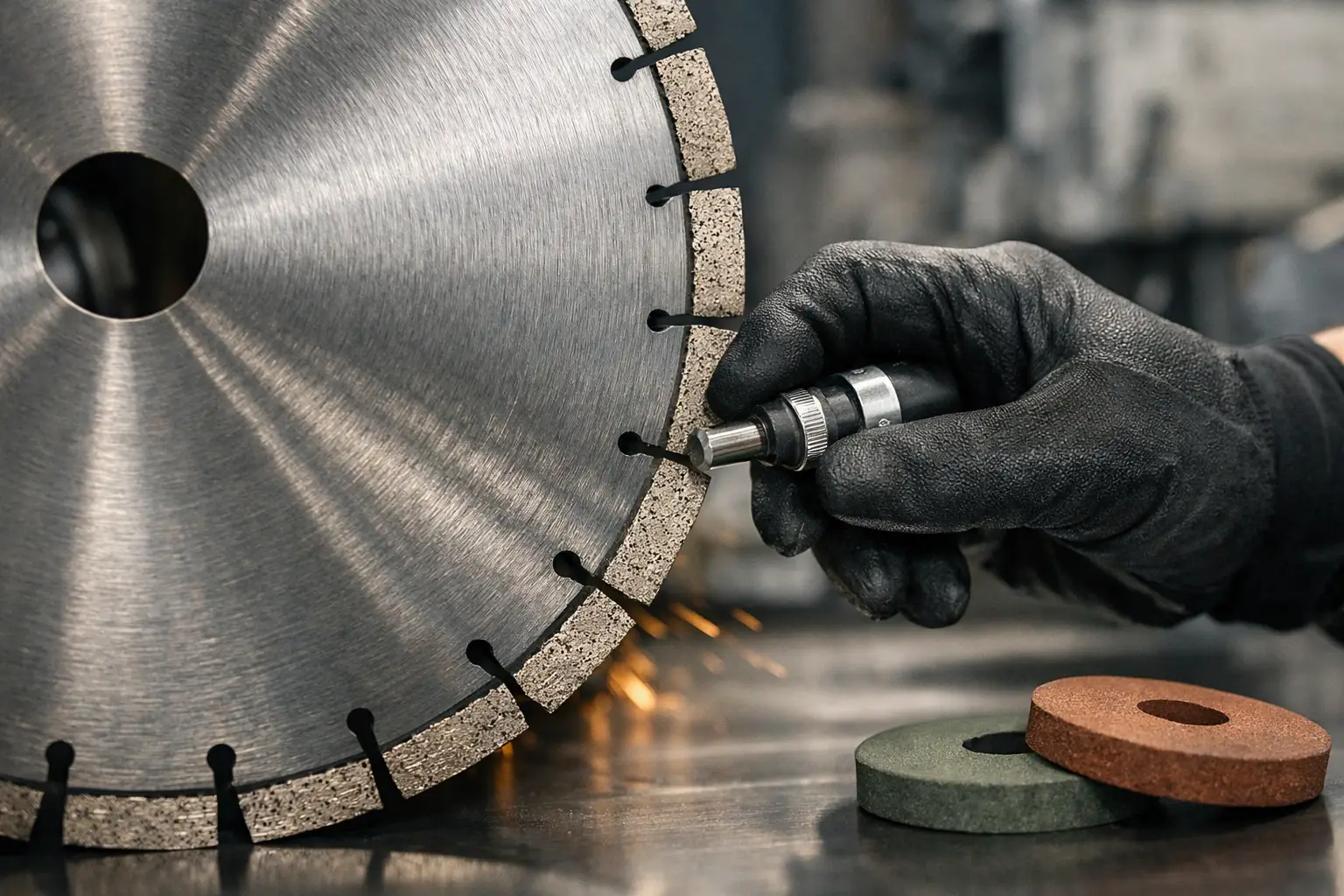
A glazed bit has diamonds that are no longer exposed effectively, often leaving the segment surface smooth and shiny. This can occur in hard material when the bond is too hard, water flow is poor, or the operator runs at the wrong speed. Carefully dressing the bit in an appropriate abrasive material may restore cutting action, but repeated glazing indicates a specification or operating problem.
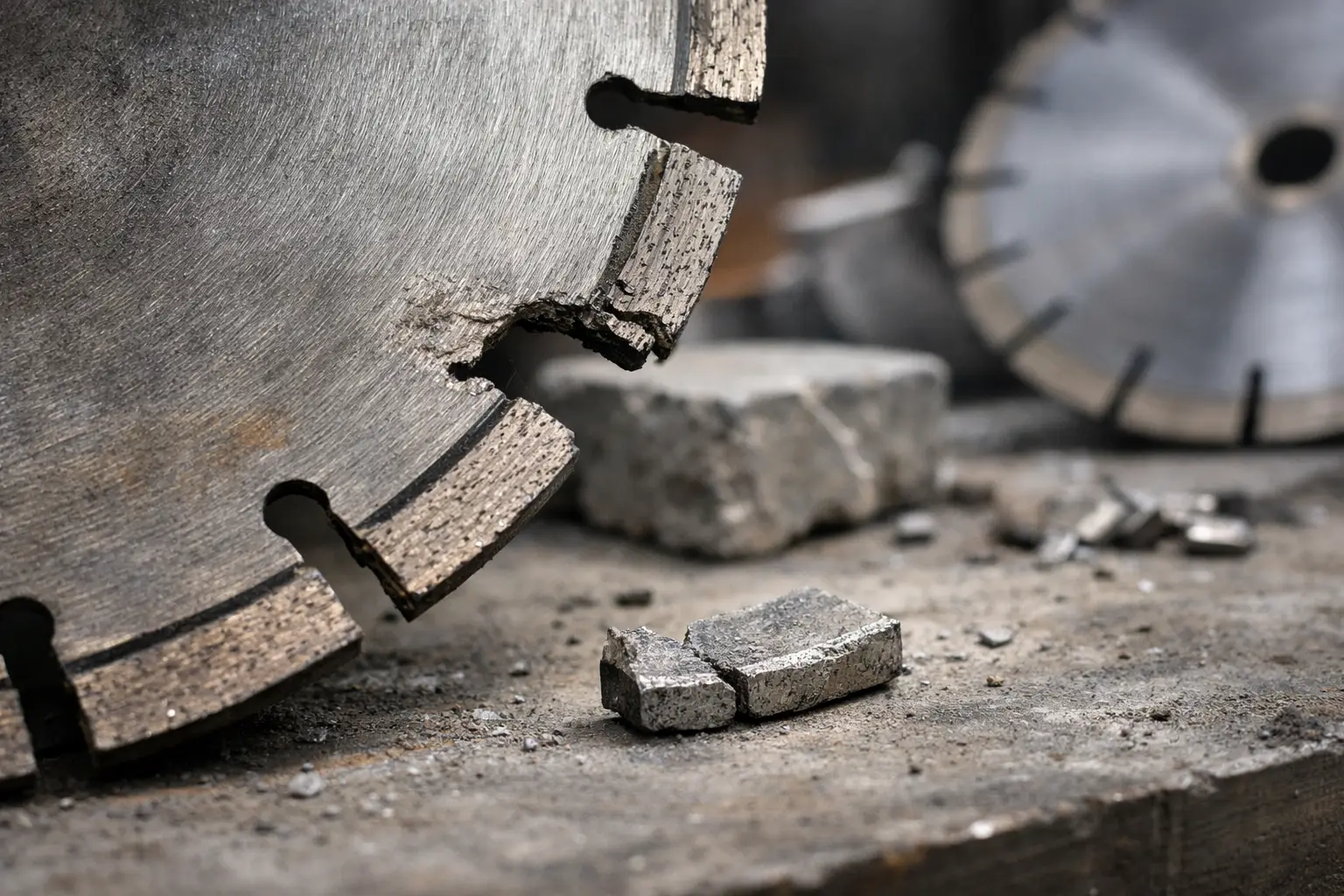
Segment loss is more serious. It may result from overheating, side loading, impact, poor alignment, aggressive feed pressure, or an unsuitable product for the application. Once a segment is missing, the bit should be removed from service. Continuing to drill can damage the barrel, enlarge the hole, and create an unsafe condition.
Cracked barrels, excessive runout, and damaged threads also require replacement rather than field improvisation. Industrial buyers should treat these as quality-control issues and record the job conditions involved. Consistent failure information helps distinguish misuse from a product-design or production issue.
Build a More Reliable Core Bit Supply Program
For distributors and bulk buyers, the best core drilling range is not necessarily the widest range. It is the range with defined applications, stable quality, and specifications that customers can reorder with confidence. Start with the diameters and connection types most common in your market, then build specialized options for reinforced concrete, masonry, stone, and deep drilling.
Supplier qualification should cover more than price and sample performance. Confirm whether segment welding is consistent, barrel dimensions are controlled, diamond concentration and bond specifications remain stable between batches, and private-label packaging can be maintained as orders scale. Ask how the supplier handles application feedback and whether custom working lengths, threads, segment heights, or packaging are available for OEM programs.
A practical incoming inspection program can verify four points before tools enter inventory:
- Confirm the stated diameter, working length, wall thickness, and connection type.
- Check segment alignment, welding appearance, barrel straightness, and thread condition.
- Compare product markings and packaging against the approved specification.
- Track sample drilling results by material, drilling depth, and observed wear.
For B2B supply, consistency is a performance feature. A contractor who finds that the same SKU behaves differently from one shipment to the next loses confidence quickly, even if individual bits appear acceptable.
Ryhyoma supports industrial buyers with diamond core bit specifications built around application requirements, controlled production, and scalable OEM or distributor supply. The useful question is not simply which bit costs less at purchase. It is which configuration keeps drilling crews productive, gives distributors fewer quality claims, and delivers the same expected performance on the next order.