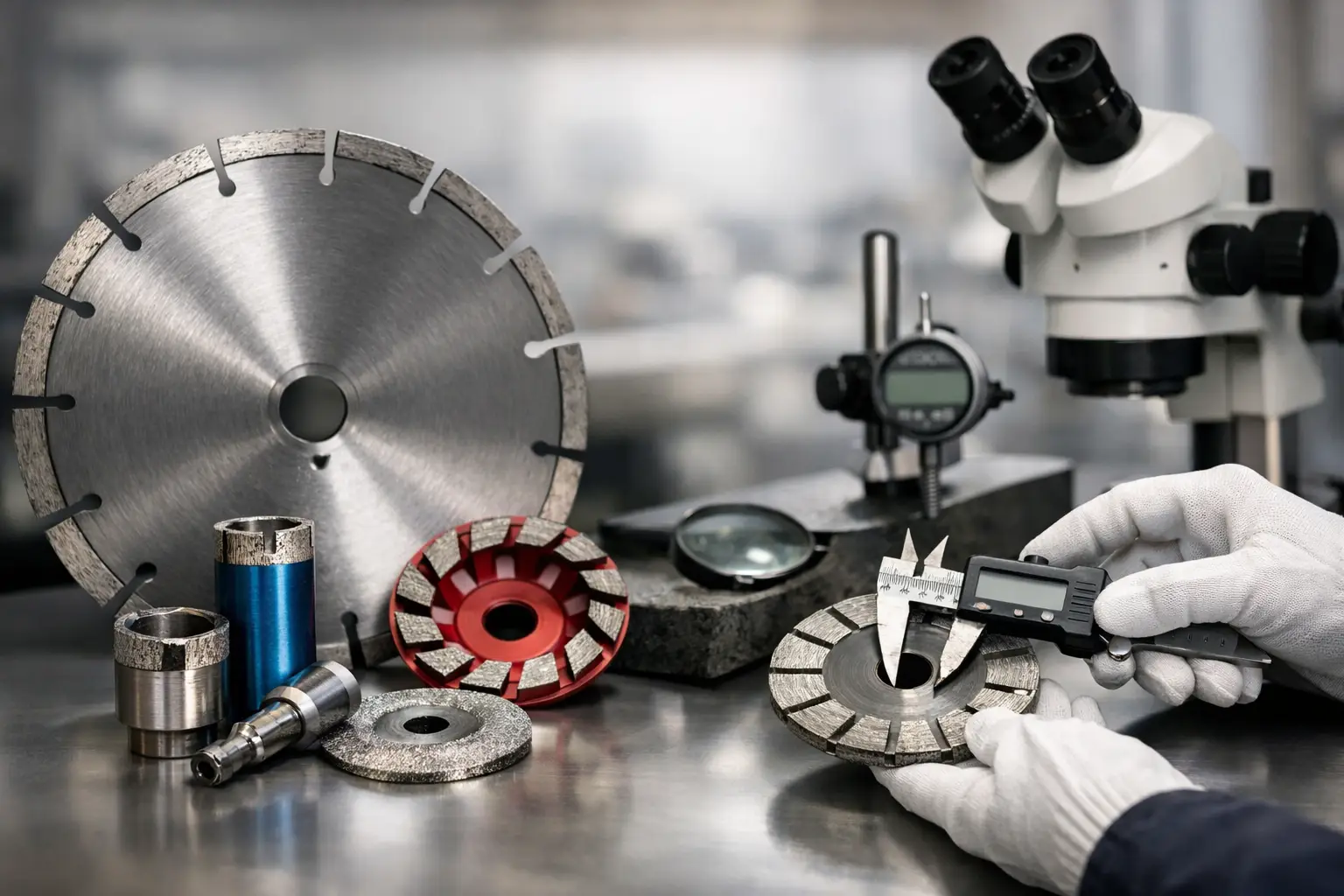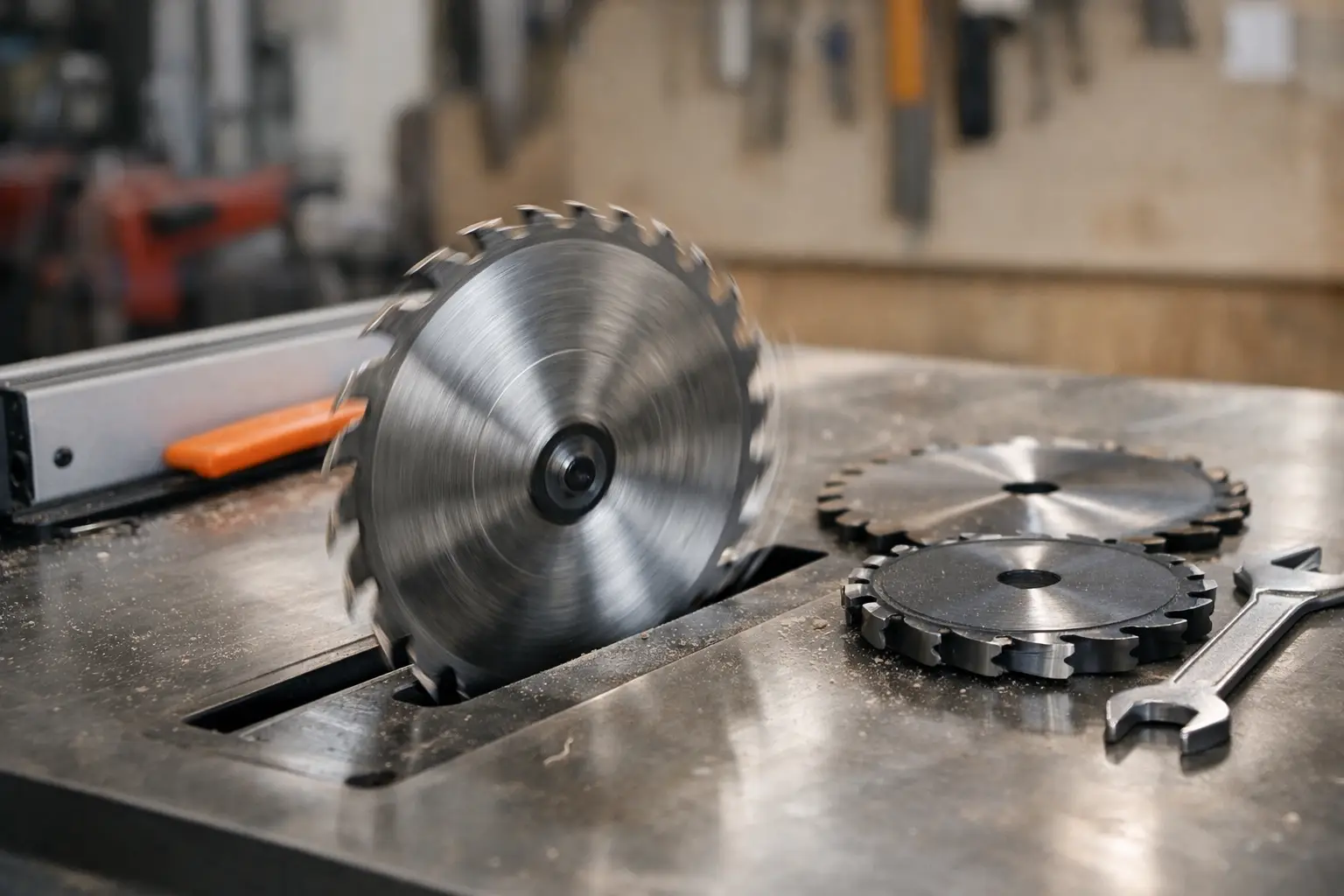
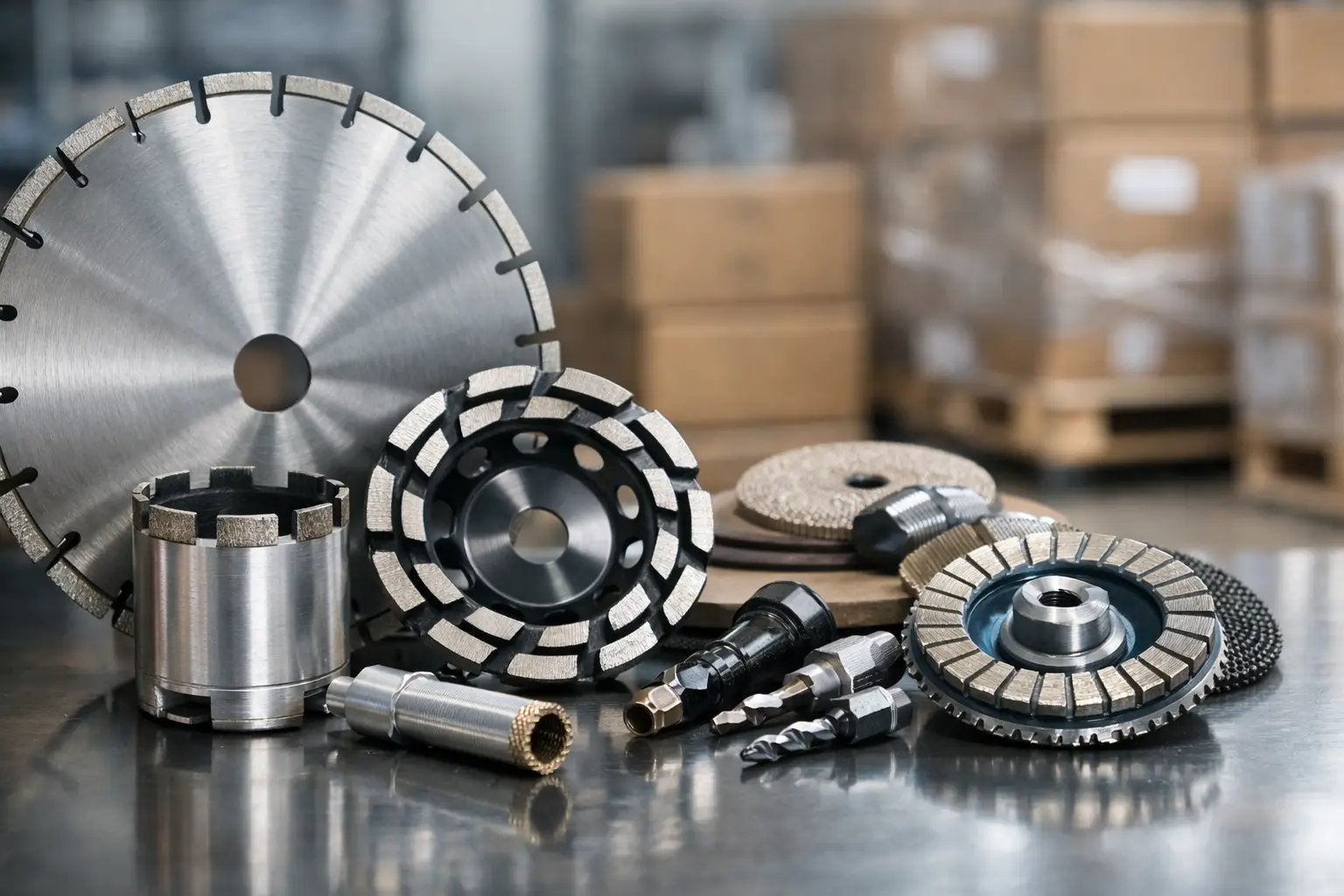
A diamond blade that looks correct on a quotation can still fail on the jobsite. Segment loss, inconsistent cutting speed, premature wear, poor arbor fit, or unstable batches can quickly turn a low unit price into a distributor claim problem. That is why knowing how to source OEM diamond tools means evaluating manufacturing control, not just comparing catalogs.
For distributors, importers, contractors, and procurement teams, an OEM program should create a repeatable product line that performs consistently across bulk orders. The supplier must understand the target material, the machine, the operator’s working conditions, and the commercial requirements behind your brand.
Start With the Application, Not the Product Photo
OEM diamond tools should be specified according to the work they must complete. A concrete cutting blade for cured reinforced concrete requires a different bond and segment design than a blade for green concrete, asphalt, granite, porcelain tile, or Dekton. The same principle applies to core bits, floor grinding blocks, hole openers, abrasive blocks, and vacuum-brazed tools.
Before asking a manufacturer for pricing, define the material being processed, its hardness and abrasiveness, expected reinforcement, cutting method, machine power, RPM range, wet or dry operation, and required cutting depth. This information determines the diamond concentration, bond hardness, segment shape, segment height, steel core design, and welding method.
A supplier that quotes a single “universal” blade for every application may be offering convenience rather than performance. Universal products have a place in broad retail ranges, but professional users often need application-specific tools. The correct OEM solution depends on whether the priority is fast cutting, long life, clean edges, low vibration, or a balance of all four.
How to Source OEM Diamond Tools With Clear Specifications
A proper OEM inquiry should contain measurable requirements. Avoid vague requests such as “good quality cutting blade” or “professional granite disc.” Those descriptions leave too much room for variation between samples and production batches.
For saw blades, provide the diameter, bore size, steel core thickness, segment dimensions, segment quantity, segment style, application material, machine type, and preferred performance target. If you have an existing product, include photographs, drawings, a physical sample, or a specification sheet. A reliable manufacturer can assess whether the requested design is technically appropriate or recommend a better alternative.
For diamond core bits, clarify the drilling material, outer diameter, working length, connection type, barrel thickness, segment configuration, and wet or dry drilling requirement. For floor grinding blocks, identify the machine plate, tooling connection, concrete condition, coating removal needs, grit sequence, and desired bond type.
Specifications also need commercial detail. State expected order quantities, target packaging format, private-label requirements, barcode needs, language requirements, and destination market. A blade packed for a contractor supply channel may need different labeling than the same blade supplied through a building-materials distributor.
Verify the Manufacturing Method
The manufacturing method directly affects tool reliability. Buyers should ask how segments are attached, how steel cores are prepared, and what controls are used before finished tools are packed.
Laser-welded diamond blades are commonly selected for demanding concrete, asphalt, and construction cutting because the welding process creates a strong segment-to-core connection. This is particularly relevant where dry cutting, high temperatures, and demanding jobsite conditions increase the risk of segment loss. For certain applications, high-frequency welded products may be appropriate, but the selection should match the intended workload and safety requirements.
Vacuum-brazed tools are another category where process control matters. Their exposed diamond structure can provide aggressive cutting and grinding performance on materials such as tile, stone, fiberglass, PVC, and certain composites. However, not every vacuum-brazed product is designed for the same material or service life. Ask the factory to explain the intended application rather than assuming all brazed tools perform alike.
Also ask whether the supplier manufactures the product directly or purchases it from multiple outside workshops. A trading company can be useful for mixed sourcing, but an OEM buyer needs clarity on who controls the formula, production schedule, technical changes, and final inspection.
Evaluate Samples Under Real Working Conditions
A sample is not only a formality. It is the most practical way to compare performance before approving a bulk order. Test tools on the actual materials and machines used by your customers whenever possible.
For blades, record cutting speed, total linear footage or number of cuts, segment wear, edge quality, vibration, noise, and operator feedback. Inspect the segment weld area after use. For grinding tools, assess stock removal rate, scratch pattern, heat buildup, glazing, and wear consistency. For core bits, measure drilling speed, barrel stability, segment retention, and hole quality.
Do not approve an OEM product based only on one successful cut. Test more than one sample from the same batch where the purchase volume justifies it. Consistency is as important as peak performance. A tool that cuts quickly once but varies from batch to batch will create warranty exposure and damage your reputation with end users.
If you are comparing suppliers, use the same test conditions. Different operators, machines, material batches, and water flow can distort results. A controlled comparison gives purchasing teams a defensible basis for selection.
Review Quality Control Before Placing a Bulk Order
Quality control should be visible in the supplier’s process, not limited to a statement on a brochure. Ask what inspections take place on incoming steel cores, diamond segments, welding, balance, dimensions, paint or coating, printing, and packaging.
For diamond saw blades, relevant checks include bore accuracy, core flatness, tension, runout, segment alignment, weld integrity, segment dimensions, and finished appearance. A slight dimensional error can cause fitment issues, while poor core control can lead to vibration and inaccurate cutting.
For repeat OEM purchasing, agree on an approved sample or technical standard. This becomes the reference point for future production. The agreement should identify acceptable tolerances, packaging artwork, labeling, and performance expectations. It should also define what happens if delivered goods differ materially from the approved standard.
Inspection reports can be helpful, but they do not replace accountability. The best supplier relationship includes clear specifications, production traceability, and a process for addressing claims quickly. Buyers should know who will investigate a complaint, how replacement decisions are handled, and how corrective action will prevent the issue from recurring.
Build a Private-Label Program That Can Scale
Private labeling is more than adding a logo to a blade. It requires consistent artwork, correct product naming, traceable item codes, packaging that protects the product in transit, and technical descriptions that do not overpromise.
Start with a focused range. For example, a distributor may begin with a general-purpose concrete blade, a premium reinforced-concrete blade, a porcelain tile blade, a granite blade, a dry core bit, and a set of floor grinding tools. This approach makes inventory planning easier and gives sales teams clear product positioning.
As volume grows, expand by application and performance level rather than adding similar products with unclear differences. A basic, professional, and premium range can work well when each level has a defined use case, price position, and verified performance target.
Packaging should account for export handling and local market requirements. Carton strength, inner-pack quantities, moisture protection, barcode placement, Arabic or other language needs, and country-of-origin markings may all affect how efficiently products move through warehouses and distribution channels, especially in GCC markets.
Confirm Capacity, Lead Time, and Delivery Discipline
A capable OEM factory must support more than the first order. Ask about normal production lead times, peak-season capacity, minimum order quantities, container loading plans, and how the factory handles repeat orders of approved models.
MOQ is often a trade-off. Low minimums reduce initial inventory risk, but they may limit customization or raise unit cost. Larger orders generally support better pricing and stronger control over private-label packaging, yet they require confident demand planning. The right starting quantity depends on sales velocity, storage capacity, and the number of SKUs being launched.
For export buyers, confirm the packing list format, carton markings, pallet requirements, shipping terms, and documentation needed for customs clearance. A technically sound product can still become an operational problem if the shipment arrives with incorrect labels, damaged packaging, or incomplete documents.
Choose a Manufacturer That Supports Technical Decisions
The most useful OEM supplier does not simply accept every requested specification. It asks practical questions, identifies risks, and explains where a design may not match the intended material or machine. That level of technical support helps buyers avoid costly product claims after launch.
Ryhyoma supports OEM and ODM diamond tool programs with application-based recommendations, controlled manufacturing, and bulk supply planning for industrial buyers. The objective is not to fill a catalog with similar products. It is to establish a product range that distributors and contractors can sell with confidence.
A good OEM relationship becomes more valuable after the first shipment. Keep field feedback organized by product code, material, machine, and failure mode. When your manufacturer receives specific information, it can refine the bond, segment, core, or packaging before a minor issue becomes a recurring market problem. That is how a private-label diamond tool line earns repeat orders rather than one-time trials.