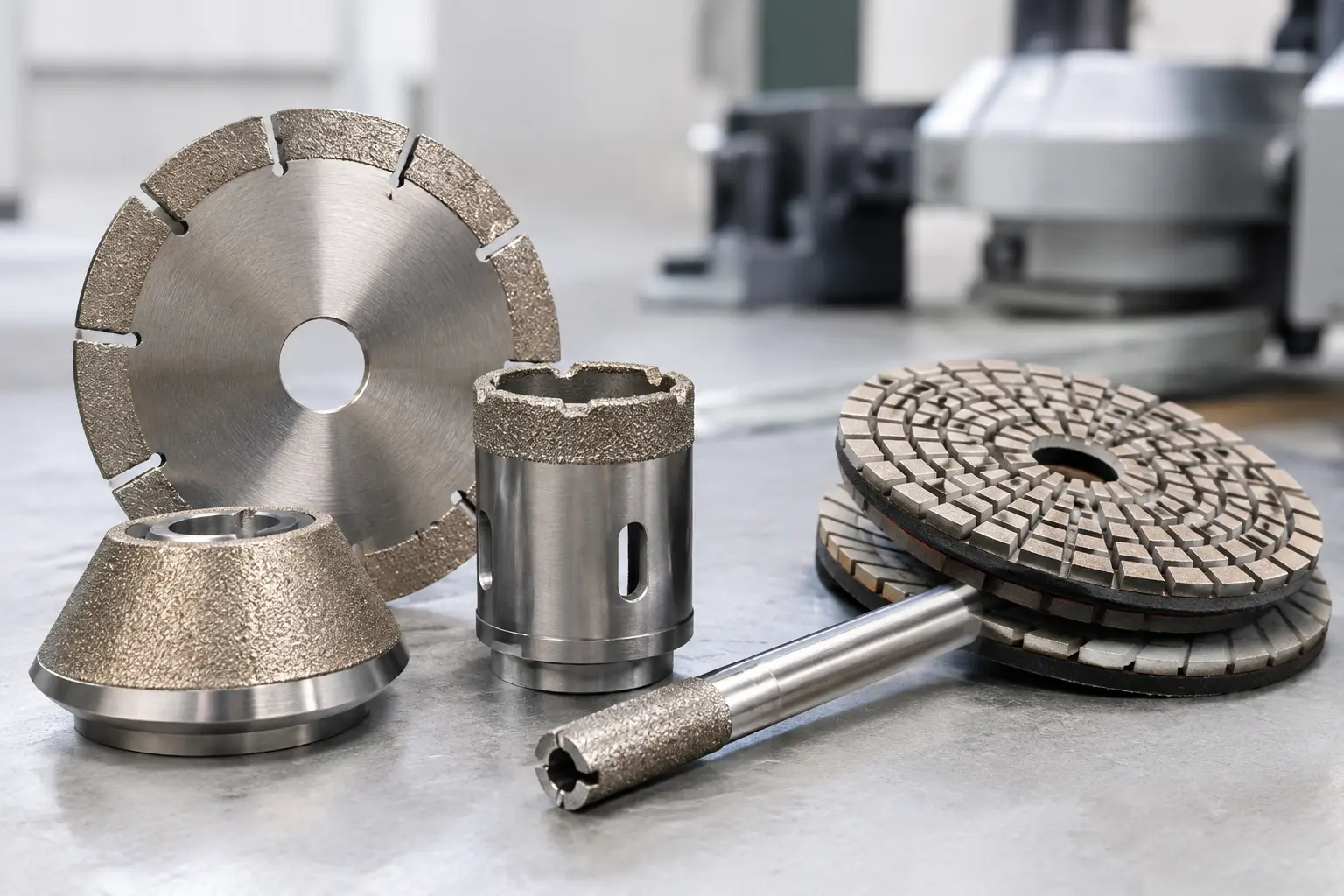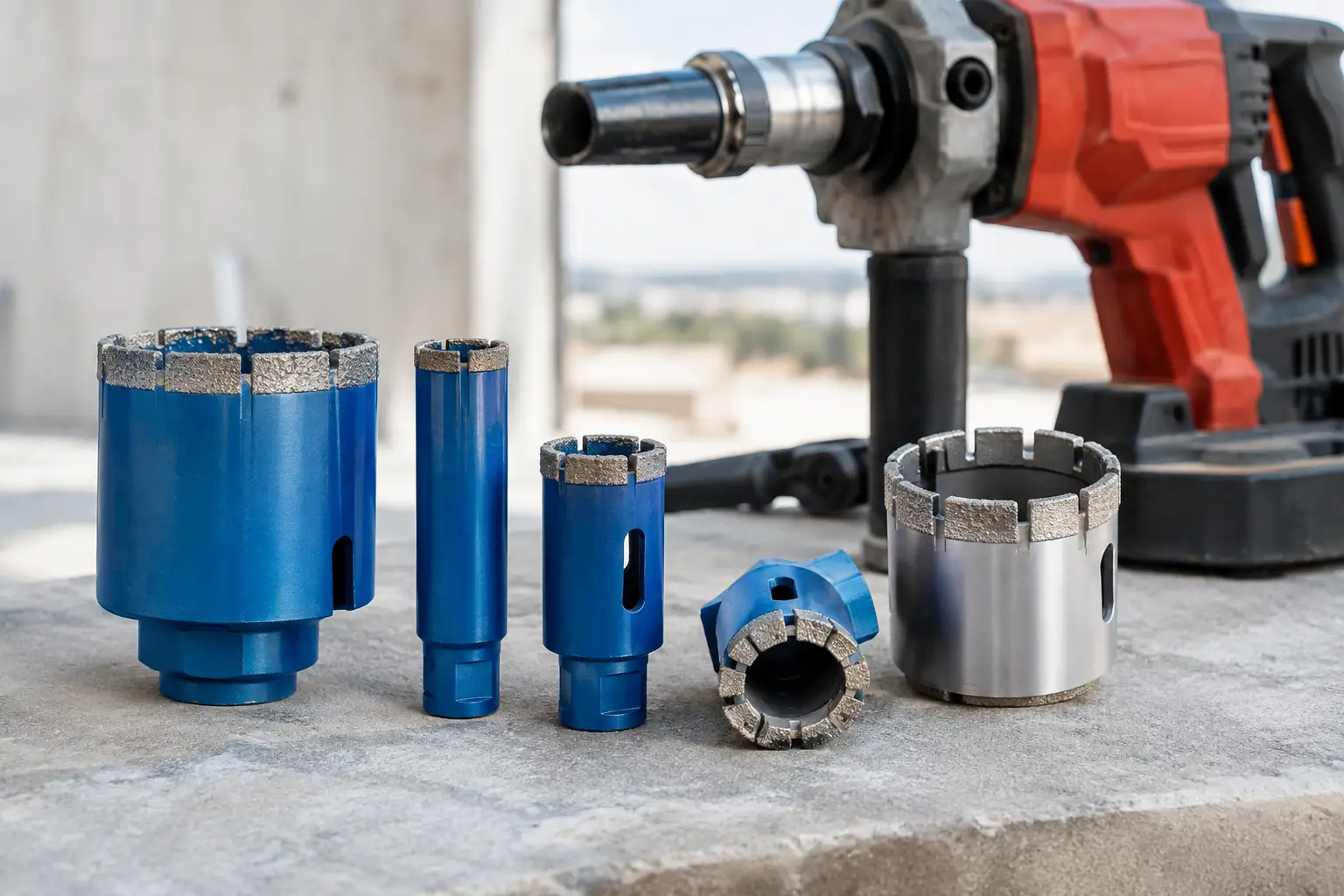

A distributor can sell a diamond blade that looks correct on the shelf and still lose the account after two jobsite complaints. The issue is rarely the label alone. It is often inconsistent segment quality, an unsuitable bond formula, poor core tension, or a supplier that cannot repeat the same performance on the next container. Private label tooling gives industrial buyers greater control over these variables, but only when the manufacturing program is built around specifications and quality control rather than packaging.
For diamond tool distributors, importers, and procurement teams, private label is a commercial decision as much as a branding decision. It allows a business to develop a product range for its market, protect margin, and build repeat business under its own name. It also creates responsibility: the buyer must define what the tool needs to do, for whom, and under what operating conditions.
What Private Label Tooling Should Include
Private label tooling is not limited to printing a logo on a blade or placing a sticker on a carton. A capable program can cover product selection, technical specifications, branding, packaging, inspection standards, and repeat-order control. The right scope depends on the buyer's market position and volume.
For a distributor entering a new category, a proven standard specification with custom packaging may be the practical starting point. This reduces development time while providing a recognizable product line. For established suppliers serving contractors, stone fabricators, or rental companies, a custom specification may be more appropriate. That can include blade diameter, segment height, segment layout, bond hardness, arbor size, core design, paint color, laser marking, and packaging format.
The distinction matters because a blade designed for occasional dry cutting is not automatically suitable for continuous commercial use. The same applies to core bits, floor grinding blocks, ceramic cutting discs, and vacuum brazed products. A private label product must be specified for the material, machine, application, and expected duty cycle.
Start With the Application, Not the Artwork
The most expensive private label mistake is approving a product based on appearance before confirming its cutting behavior. Procurement teams should begin with the applications their customers perform most often. Concrete cutting, reinforced concrete, asphalt cutting, porcelain tile cutting, granite fabrication, and Dekton processing each place different demands on a diamond tool.
A concrete saw blade, for example, must balance cutting speed, segment life, and resistance to segment loss. In abrasive concrete, a bond that is too hard may glaze and cut slowly. In heavily reinforced concrete, the segment design and welding strength become especially important. A blade for asphalt needs a different configuration to resist undercutting, while a ceramic disc requires a controlled, clean-cutting edge to reduce chipping.
Machine conditions must also be defined. Buyers should provide the intended machine type, horsepower range, RPM, wet or dry cutting method, and typical material hardness. These details allow the manufacturer to recommend a workable specification rather than supplying a generic product that performs inconsistently in the field.
It also helps to separate product lines by performance level. A value line may suit price-sensitive retail or light-duty users. A professional line should target reliable output for contractors and repeat commercial work. A premium line may justify higher cost when faster cutting, cleaner finishes, or longer service life materially affects labor time and job profitability. Trying to serve all users with one blade usually creates avoidable complaints.
How to Evaluate a Private Label Tooling Supplier
A supplier should be evaluated as a manufacturing partner, not only as a source of low-priced goods. Product photos, catalog claims, and one successful sample are not enough to prove repeatability. The buyer needs evidence that the supplier can maintain the approved standard through production runs.
Ask how the manufacturer controls incoming steel cores, diamond concentration, metal powder composition, segment pressing, sintering, welding, balancing, and final inspection. For laser-welded blades, welding integrity is a critical safety and performance factor. For vacuum brazed tools, diamond exposure and coating consistency affect cutting speed and working life. These are manufacturing controls, not marketing details.
Sampling should reflect actual operating conditions. Test tools on the materials and machines used by your customers, and compare them with your current products or a known market benchmark. Record cutting speed, service life, edge quality, vibration, segment wear, and any signs of core distortion. One test cannot predict every jobsite condition, but it can identify clear weaknesses before a bulk order is placed.
The supplier's response to test feedback is equally revealing. A dependable manufacturer will discuss why a tool performed as it did and recommend adjustments where needed. A supplier that only offers a lower price without addressing the application is unlikely to support a stable long-term program.
Specifications That Protect Product Consistency
Once a sample is approved, the specification should be documented clearly. This approved specification becomes the reference point for production, inspection, and future purchasing. Without it, repeat orders can gradually change as materials, production settings, or sourcing decisions change.
For diamond saw blades, the document should identify the diameter, thickness, segment dimensions, segment count or pattern, bore size, core type, welding method, intended material, and packaging requirements. For core bits, include barrel dimensions, segment configuration, connection type, working length, and wet or dry drilling use. For grinding tools, confirm the bond type, grit, segment shape, backing or plate system, and recommended floor condition.
Branding should also be controlled with the same discipline. Confirm the artwork version, logo placement, print color, laser-marking content, carton material, barcode position, and warning labels. In export markets, packaging may need to accommodate different languages, local labeling requirements, and distributor warehouse practices. Small packaging differences can cause receiving errors or make a professional product look inconsistent at the point of sale.
A useful approval process includes four controls:
- A signed product specification for each SKU
- A retained reference sample from the approved production run
- Pre-shipment inspection criteria and acceptable defect limits
- A clear procedure for handling nonconforming goods and performance claims
These controls do not eliminate every issue. They create a factual basis for solving problems quickly instead of relying on memory, photos, or general product descriptions.
MOQ, Lead Time, and Inventory Trade-Offs
Private label programs require practical planning. Custom cores, special segment formulas, printed cartons, and unique colors can increase minimum order quantities and lead times. Buyers should not request maximum customization on a quantity that cannot support stable production economics.
A phased approach is often more effective. Begin with high-demand sizes and applications, such as common concrete blades, porcelain cutting discs, core bits, or floor grinding segments. Build sales history, then expand into specialized products such as large-diameter wall saw blades, Dekton blades, or vacuum brazed hole saws. This concentrates inventory investment on items that move consistently.
Lead time should be discussed before launch, not after purchase orders are issued. Confirm production capacity, packaging availability, inspection timing, export documentation, and shipment planning. For distributors supplying contractors, stockouts can damage trust quickly because a substitute tool may not provide the same cutting result. At the same time, excessive inventory ties up capital and can leave a buyer with slow-moving specifications.
The right balance depends on sales velocity, local competition, project seasonality, and replenishment time. GCC construction markets, for example, may require reliable supply planning for active infrastructure, flooring, stone, and building-material projects where procurement schedules can change quickly.
Build a Label That Contractors Will Reorder
Private label success is measured after the first sale. Contractors and fabricators reorder tools that perform predictably, are easy to identify, and match the promise on the packaging. A clear range structure helps. Product names, color coding, and application icons should tell the buyer whether a tool is intended for reinforced concrete, asphalt, ceramic, granite, or specialty materials.
Do not make performance claims that the specification cannot support. A lower-cost blade positioned as a general-purpose product can be commercially successful when it is described honestly and performs consistently. A premium blade must earn its position through measurable advantages, such as faster cutting, better finish quality, lower vibration, or longer service life.
Technical support should remain available after delivery. Field feedback from distributors and end users provides the information needed to refine future orders. When a tool fails, the useful questions are specific: What material was cut? What machine was used? Was the operation wet or dry? How did the wear pattern appear? This information turns a complaint into an opportunity to correct a specification, operating practice, or product selection issue.
The strongest private label programs are built slowly and controlled carefully. Start with the applications your customers depend on, approve specifications with real test data, and work with a manufacturer that can reproduce the standard order after order. Your label then becomes more than printed packaging - it becomes a practical signal that the tool behind it can be trusted on the next job.