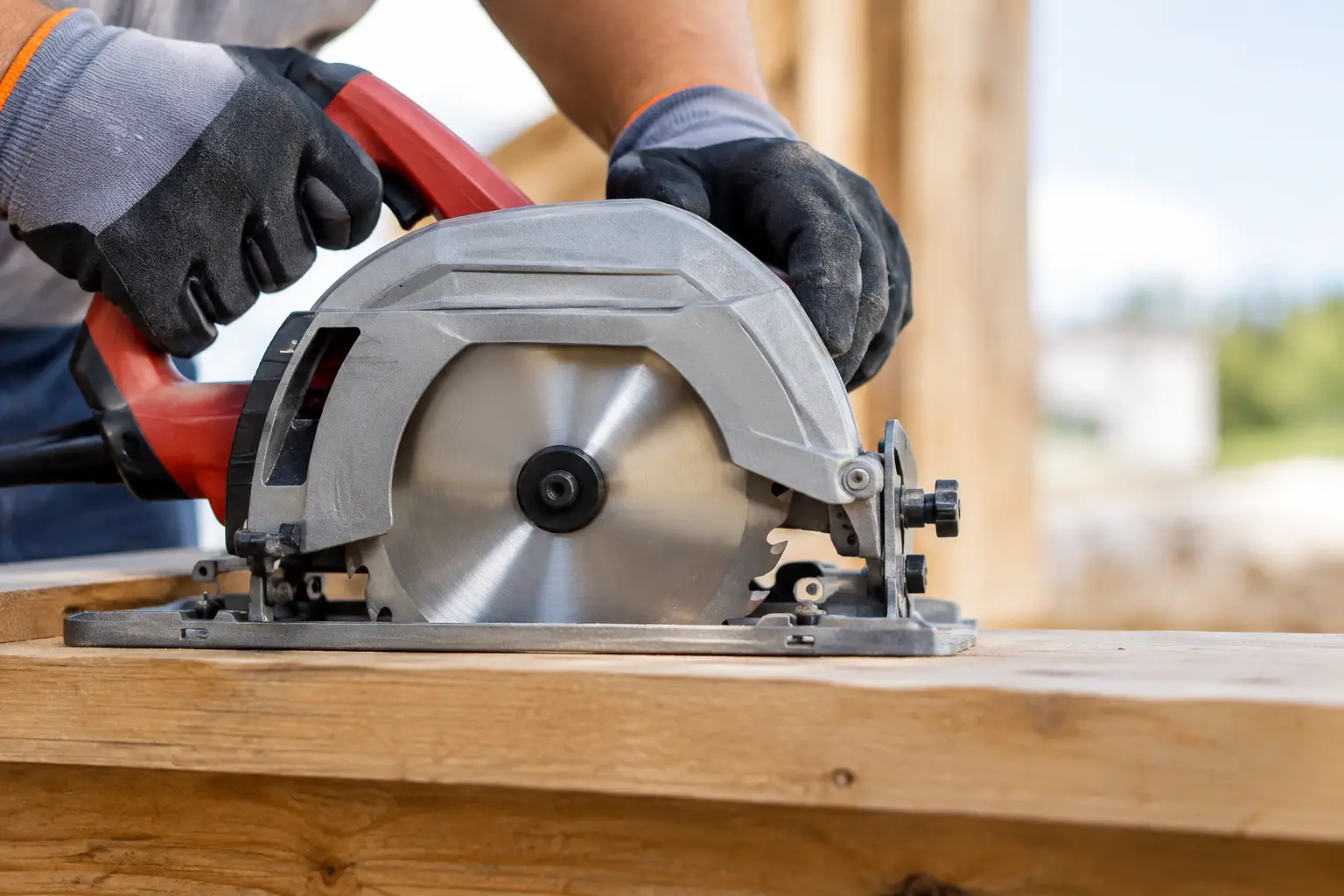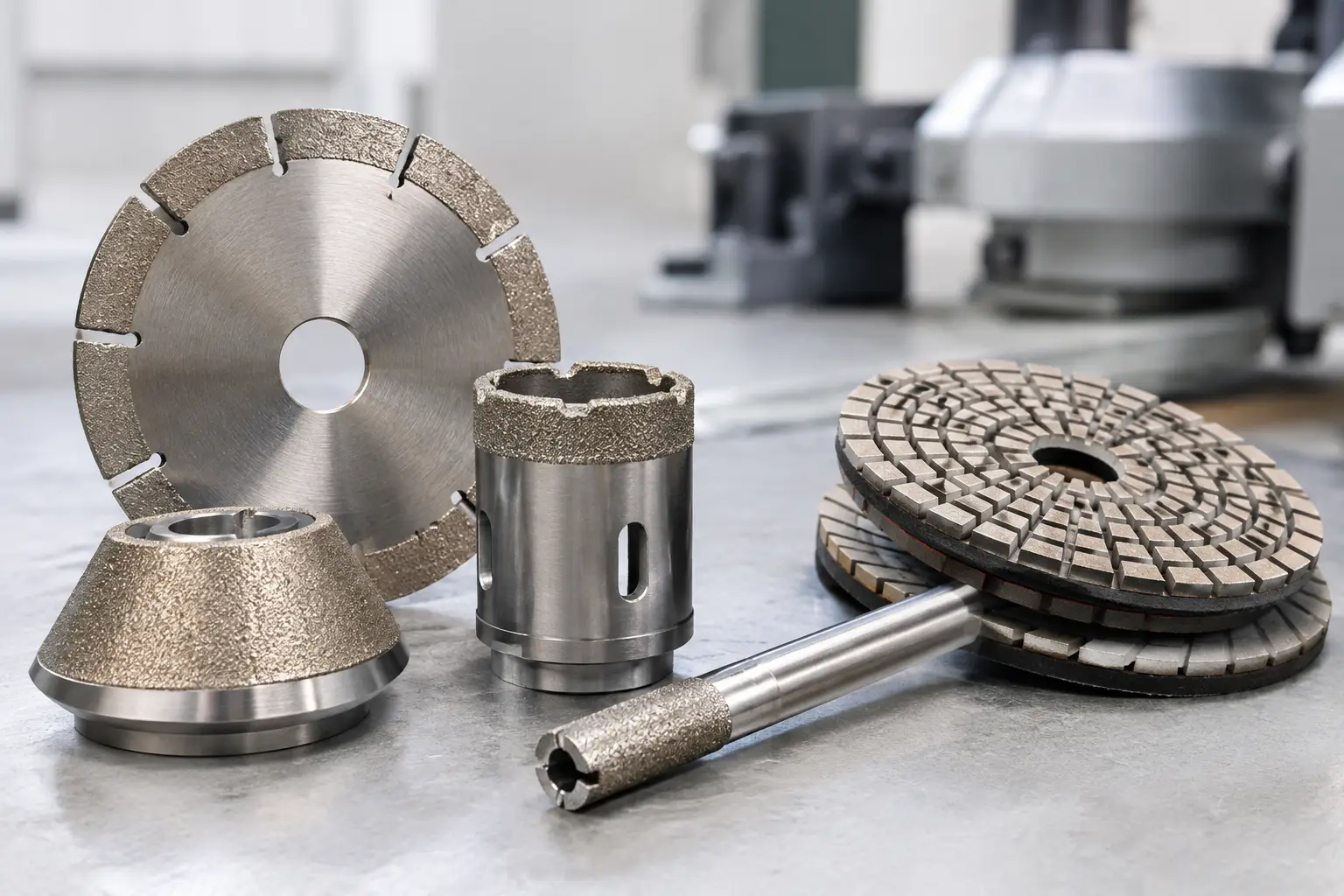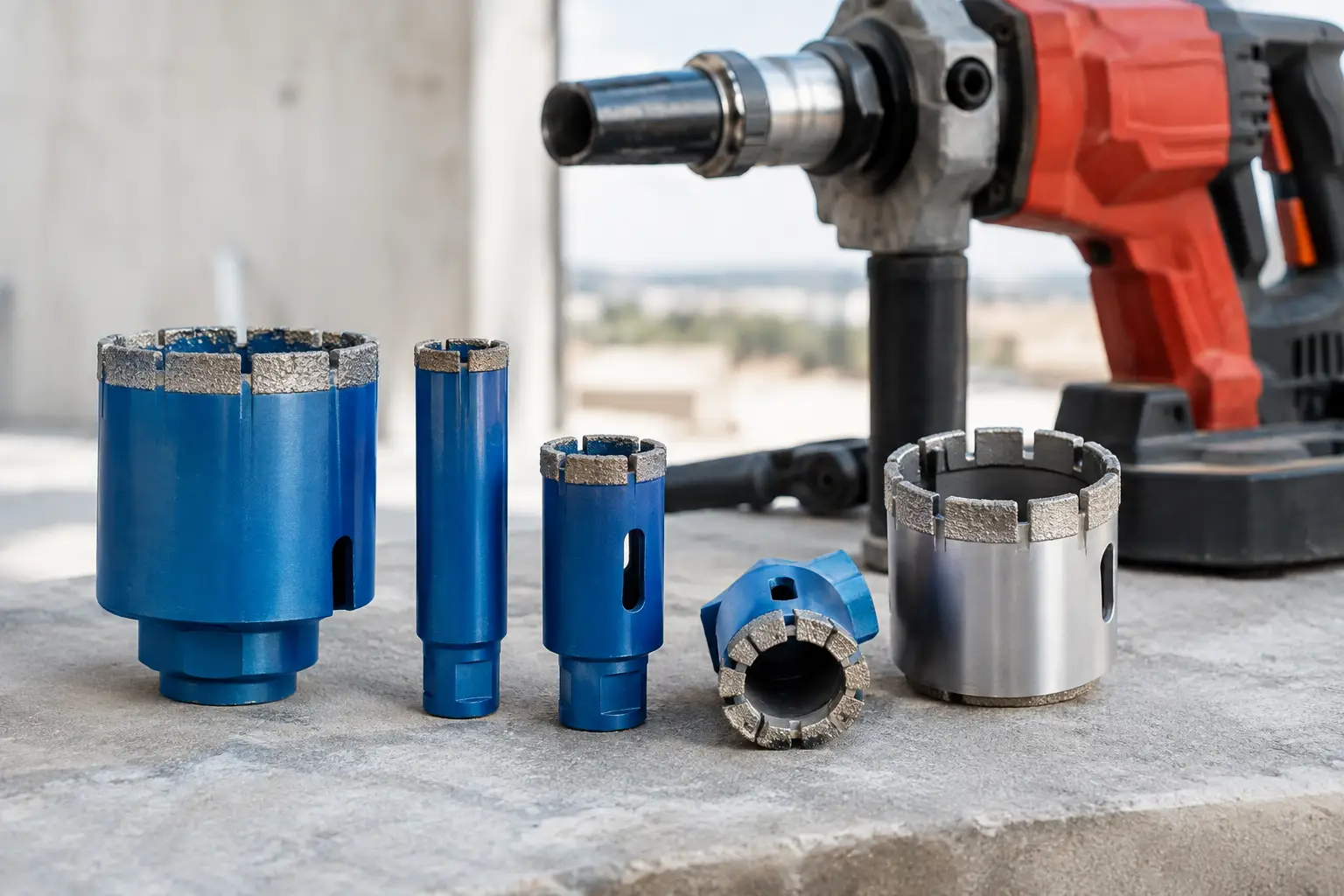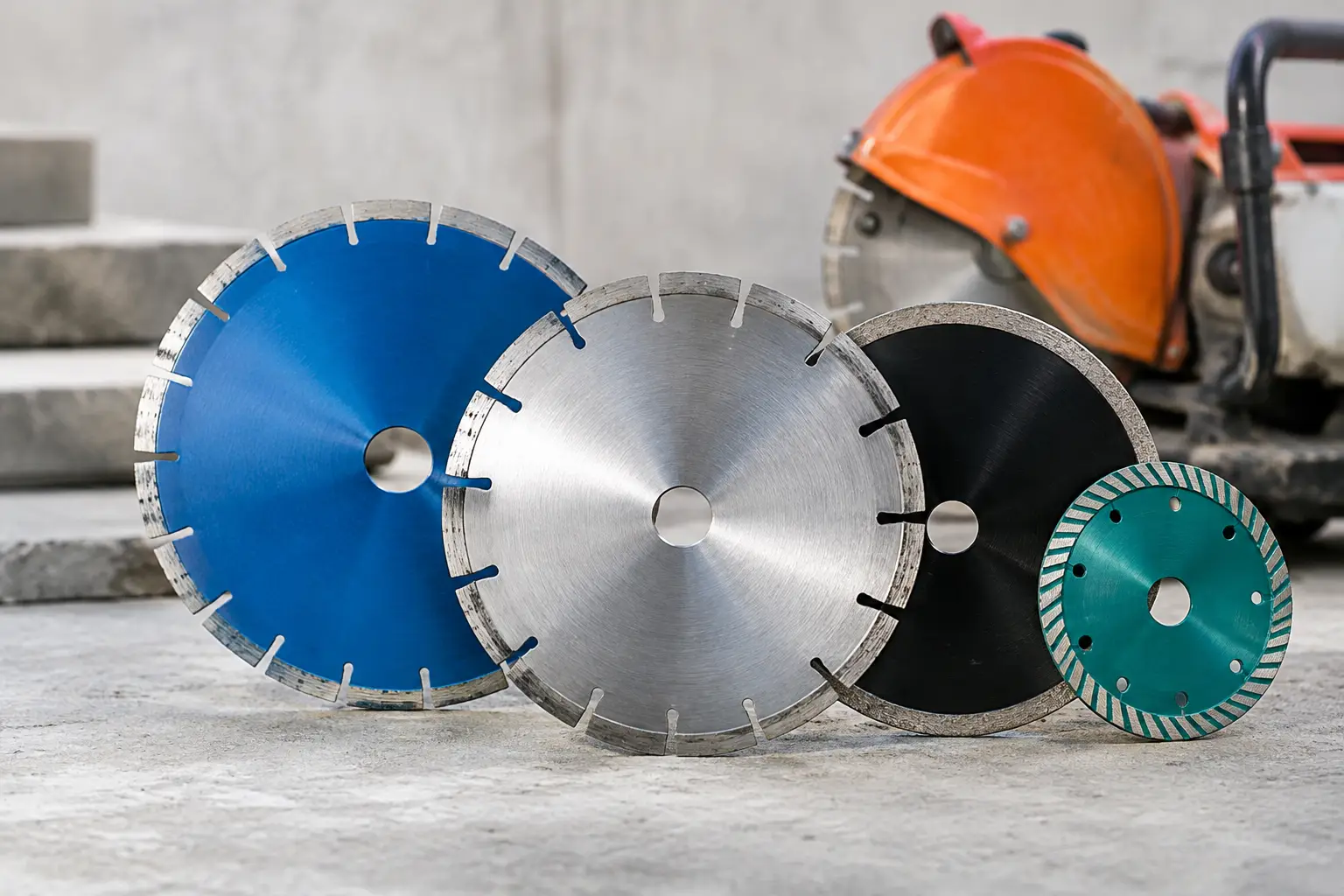

A blade that cuts cleanly through cured concrete can slow down sharply when it reaches steel reinforcement. So, can diamond blades cut rebar? Yes, but only when the blade is engineered for reinforced concrete or steel-contact applications. A standard masonry blade may eventually pass through light rebar, but repeated steel contact can reduce cutting speed, damage segments, and create costly downtime.
For contractors, distributors, and procurement teams, the practical question is not simply whether a diamond blade can cut steel. It is whether the blade will maintain safe, predictable performance across the actual mix of concrete, aggregate, and reinforcement found on the job.
Can Diamond Blades Cut Rebar in Concrete?
A quality diamond blade designed for reinforced concrete can cut through embedded rebar while cutting concrete. These blades use a steel core, diamond segments, and a bond formulation selected to expose fresh diamond efficiently through abrasive concrete while tolerating intermittent contact with steel.
Rebar is not cut in the same way as concrete. Concrete wears the metal bond and exposes diamond grit, allowing the blade to grind the material away. Steel is tougher and less abrasive. When the blade enters rebar, the segment needs sufficient diamond concentration, a suitable bond, and strong weld integrity to resist heat and impact. Cutting slows during the steel contact, then returns to normal as the blade moves back into concrete.
The difference matters because an all-purpose concrete blade is not automatically a reinforced-concrete blade. A blade optimized for fast cutting in soft block, green concrete, or highly abrasive materials may wear too quickly when it repeatedly encounters heavy reinforcement. Conversely, a blade with an overly hard bond can polish over in abrasive concrete and lose cutting efficiency.
For cutting exposed rebar only, an abrasive cutoff wheel or a metal-cutting blade may be the more efficient choice, depending on the equipment and required finish. A diamond reinforced-concrete blade is most valuable when steel is embedded in a concrete section and changing tools would interrupt the cut.
Choose a Blade by the Actual Cutting Condition
Reinforcement layout, aggregate hardness, saw type, and water availability all affect blade selection. There is no single blade specification that performs best across every reinforced slab, wall, beam, or precast component.
Embedded Rebar Versus Exposed Steel
Embedded rebar creates intermittent steel contact. In this case, a laser-welded segmented blade for reinforced concrete is normally the correct commercial choice. Laser welding provides strong segment attachment under high heat and vibration, which is particularly relevant for professional walk-behind saws, handheld cutoff saws, and wall saw applications.
Exposed rebar is a different application. If a crew needs to trim protruding bar before a pour or remove isolated steel from a demolition zone, a dedicated metal-cutting solution may cut faster and at lower blade cost. Using a concrete diamond blade for extended steel-only work can be technically possible but commercially inefficient.
Light Reinforcement Versus Heavy Reinforcement
Light mesh and occasional small-diameter bar place less demand on the blade than closely spaced heavy rebar. A blade may perform acceptably on a residential slab with occasional reinforcement yet struggle on a heavily reinforced bridge deck, structural beam, or industrial foundation.
For heavy steel content, buyers should specify the expected bar diameter, spacing, concrete strength, aggregate type, and equipment horsepower when requesting a blade recommendation. This information allows a manufacturer to select the segment height, bond, diamond grade, core thickness, and weld method for the application rather than offering a generic concrete blade.
Wet Cutting Versus Dry Cutting
Water reduces heat, suppresses dust, and helps clear slurry from the kerf. For deep cuts and repeated steel contact, wet cutting usually supports better blade life and more stable cutting performance. It is especially useful on walk-behind saws cutting reinforced slabs or road sections.
Dry-cut applications require a blade rated for dry use and an operator who follows the saw manufacturer’s duty-cycle guidance. Continuous forcing of a dry blade through steel and dense concrete can overheat the segments and core. Heat can cause segment glazing, core distortion, poor tracking, or segment loss in severe cases.
What Makes a Rebar-Cutting Diamond Blade Different?
The visible diamond rim tells only part of the story. Performance depends on how the blade is built and how its components work together under load.
Segment bond formulation is central. The bond must release dull diamonds at a controlled rate while retaining active diamonds long enough to cut hard aggregate and tolerate steel contact. A bond that is too soft can consume segments quickly. A bond that is too hard can trap worn diamonds and make the blade rub instead of cut.
Diamond quality and concentration also affect results. Industrial-grade diamond selection supports cutting stability, while the right concentration helps balance speed and life. More diamond is not automatically better. The correct formulation depends on material abrasiveness, cutting depth, power output, and the level of reinforcement.
Segment attachment is equally critical. Laser-welded blades are widely selected for demanding reinforced-concrete cutting because the weld withstands high operating temperatures and mechanical stress. Vacuum-brazed tools have strong value in specialized cutting and grinding applications, but blade construction must always match the intended saw and material.
A properly tensioned steel core helps the blade run straight. When a blade is underspecified for the saw or material, it can wander, vibrate, or bind in the cut. That increases operator effort, reduces cut quality, and places avoidable stress on both the blade and the machine.
Operating Practices That Protect Blade Life
Even a well-specified blade will fail early if the saw setup and cutting method are poor. Rebar cutting creates higher load than plain concrete, so operators should allow the blade to work at its own cutting rate rather than pushing it through the steel.
Before cutting, confirm that the blade diameter, arbor size, maximum RPM rating, and intended wet or dry application match the saw. The saw guard must remain in place, and the flange condition should be checked. A damaged flange or improperly mounted blade can cause runout and premature core fatigue.
Keep the cut straight and avoid side pressure. Diamond blades are designed for radial cutting, not grinding or twisting inside a kerf. If the blade begins to slow dramatically at steel, reduce feed pressure. Forcing the cut builds heat and can polish the segment surface.
When wet cutting, maintain an adequate water flow on both sides of the blade. Water should reach the cutting zone, not simply wet the surface behind it. When dry cutting, use planned shallow passes where appropriate and allow the blade to cool according to the equipment manufacturer’s instructions.
Watch for warning signs during operation. Blue discoloration on the core indicates overheating. A sudden increase in vibration can point to core damage, segment wear, incorrect mounting, or a damaged blade. Slow cutting may indicate glazing, inadequate saw power, a hard aggregate condition, or a bond that is not suited to the material.
Common Buying Mistakes for Reinforced Concrete Blades
The lowest unit price is rarely the lowest operating cost. A low-cost blade that cuts slowly, wears unevenly, or loses segments can increase labor time and disrupt a commercial cutting schedule. For distributors and wholesalers, inconsistent performance also leads to avoidable claims and loss of customer confidence.
Another common mistake is buying only by diameter. A 14-inch blade, for example, may be available in many segment designs and bond formulations. Diameter does not confirm suitability for reinforced concrete, steel contact, asphalt, cured concrete, or abrasive block.
Buyers should also avoid treating a blade labeled "general purpose" as a guaranteed solution for heavy rebar. General-purpose products have a role in mixed, moderate-duty work, but high-reinforcement projects demand a blade designed and tested for that load profile.
For bulk supply programs, consistent production control matters as much as the initial sample. Segment dimensions, diamond distribution, core tensioning, weld quality, packaging, and lot traceability should remain stable between orders. This is where an experienced manufacturing partner can support private-label specifications without sacrificing repeatability.
When a Different Tool Is the Better Choice
A reinforced-concrete diamond blade is not the answer to every steel-cutting task. If the job involves cutting loose rebar bundles, thick structural steel, or long runs of exposed steel, a dedicated metal-cutting abrasive wheel, carbide-tipped solution, band saw, or cold-cut saw may deliver better productivity.
The correct tool depends on access, steel thickness, required cut quality, fire restrictions, dust controls, and the equipment already approved for the worksite. In concrete demolition and renovation, however, switching tools every time the blade meets reinforcement is rarely practical. That is why reinforced-concrete blades remain essential for contractors working through slabs, walls, beams, and precast materials.
Select the blade around the material that creates the highest cutting stress, not the material that makes up the largest share of the job. When rebar is part of the cut, specifying for reinforced concrete protects productivity where the operation is most likely to slow down.