
A diamond blade that loses a segment is more than a product failure. It can stop a crew, damage the workpiece, create a safety risk, and lead to disputes over tool quality. To prevent segment cracking, buyers and operators need to look beyond the visible crack and examine the full cutting system: blade design, bond specification, welding method, machine condition, material being cut, and operator practice.
For distributors, contractors, and procurement teams, the practical goal is consistent cutting performance across demanding applications. Segment cracking usually develops from a combination of thermal stress, impact loading, incorrect blade selection, or poor attachment quality. Identifying which factor is present is the difference between correcting the root cause and replacing blades repeatedly.
Why Diamond Segments Crack
Diamond segments are engineered to cut by exposing diamond grit gradually as the metal bond wears. During operation, the segment must withstand heat, vibration, side pressure, abrasive slurry, and intermittent shock. A crack can begin at the segment edge, near the weld line, or within the segment body when those forces exceed the blade's intended operating range.
Excessive heat is one of the most common causes. On a wet saw, insufficient water flow allows the steel core and segments to overheat. On a dry-cut application, long continuous passes can generate temperatures that the bond and weld area cannot dissipate quickly enough. Heat cycling is also damaging. A blade that repeatedly moves from extreme cutting heat to rapid cooling can develop stress around the segment attachment zone.
Impact is another frequent cause. Cutting reinforced concrete, hard aggregate, granite, pavers, or poorly supported slabs can create sudden loads on the rim. If the operator forces the blade into the material, twists the saw, or re-enters an existing kerf at an angle, segments can be chipped or cracked. A worn spindle, damaged flange, incorrect arbor fit, or excessive machine vibration increases this risk.
The blade may also be fundamentally mismatched to the material. A soft-bond blade used on highly abrasive material can wear too quickly and lose structural support around the diamonds. A hard-bond blade used on very dense concrete or hard stone may glaze, generate heat, and encourage aggressive feed pressure. Neither condition supports stable cutting.
Start With the Right Blade Specification
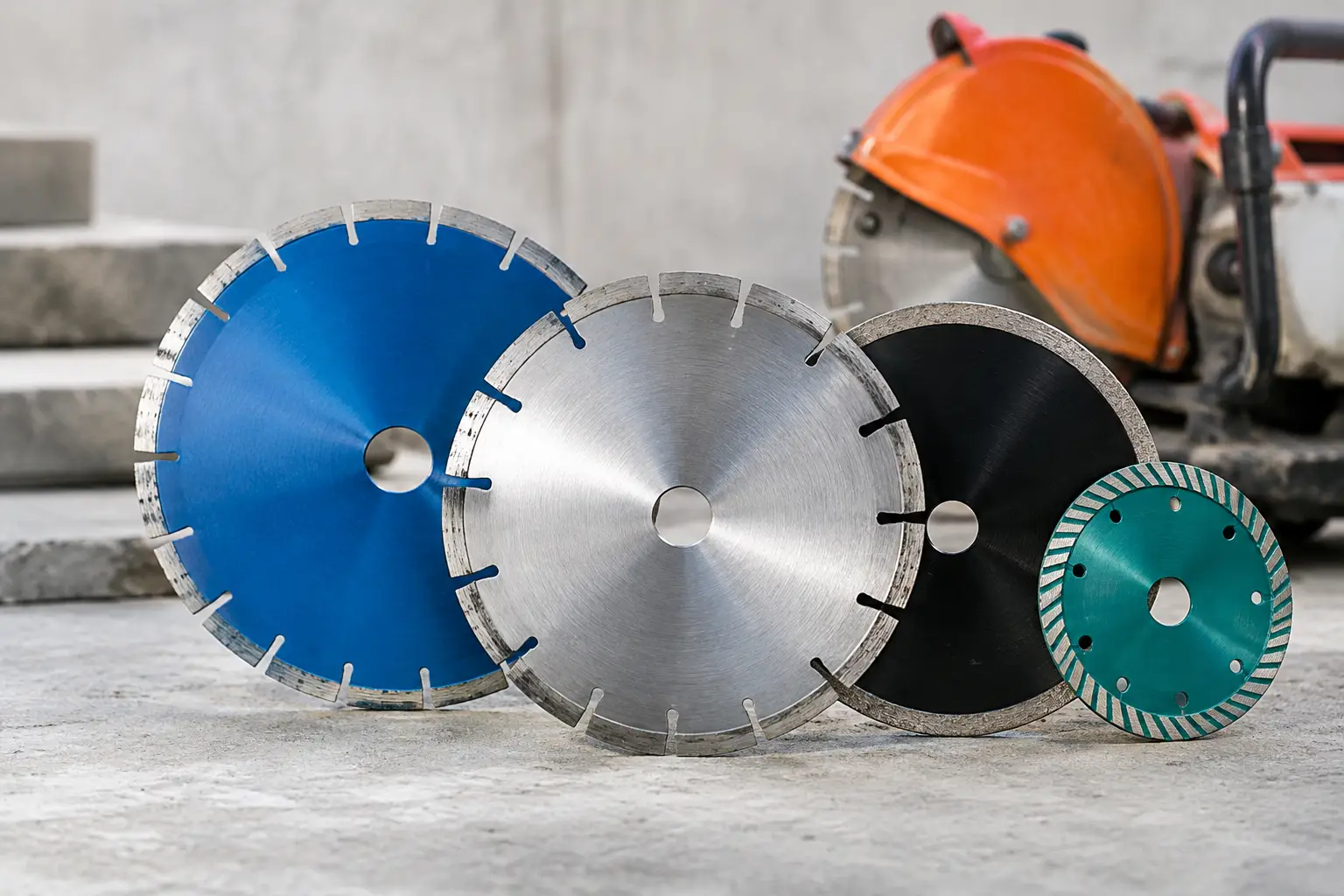
The most effective way to prevent segment cracking is to specify the blade for the actual material and machine, not only by blade diameter. Buyers should confirm whether the primary application is cured concrete, green concrete, reinforced concrete, asphalt, granite, ceramic, engineered stone, pavers, or another material. Aggregate hardness, reinforcement level, abrasive content, slab thickness, and wet or dry cutting conditions all affect the correct segment formulation.
Segment height and thickness also matter. Taller segments can provide longer service life, but they must be matched with a core designed to manage the load. A thicker segment may improve durability in heavy-duty applications, while a thinner kerf can reduce material loss and cutting resistance. The right balance depends on the saw power, expected production rate, and required cut quality.
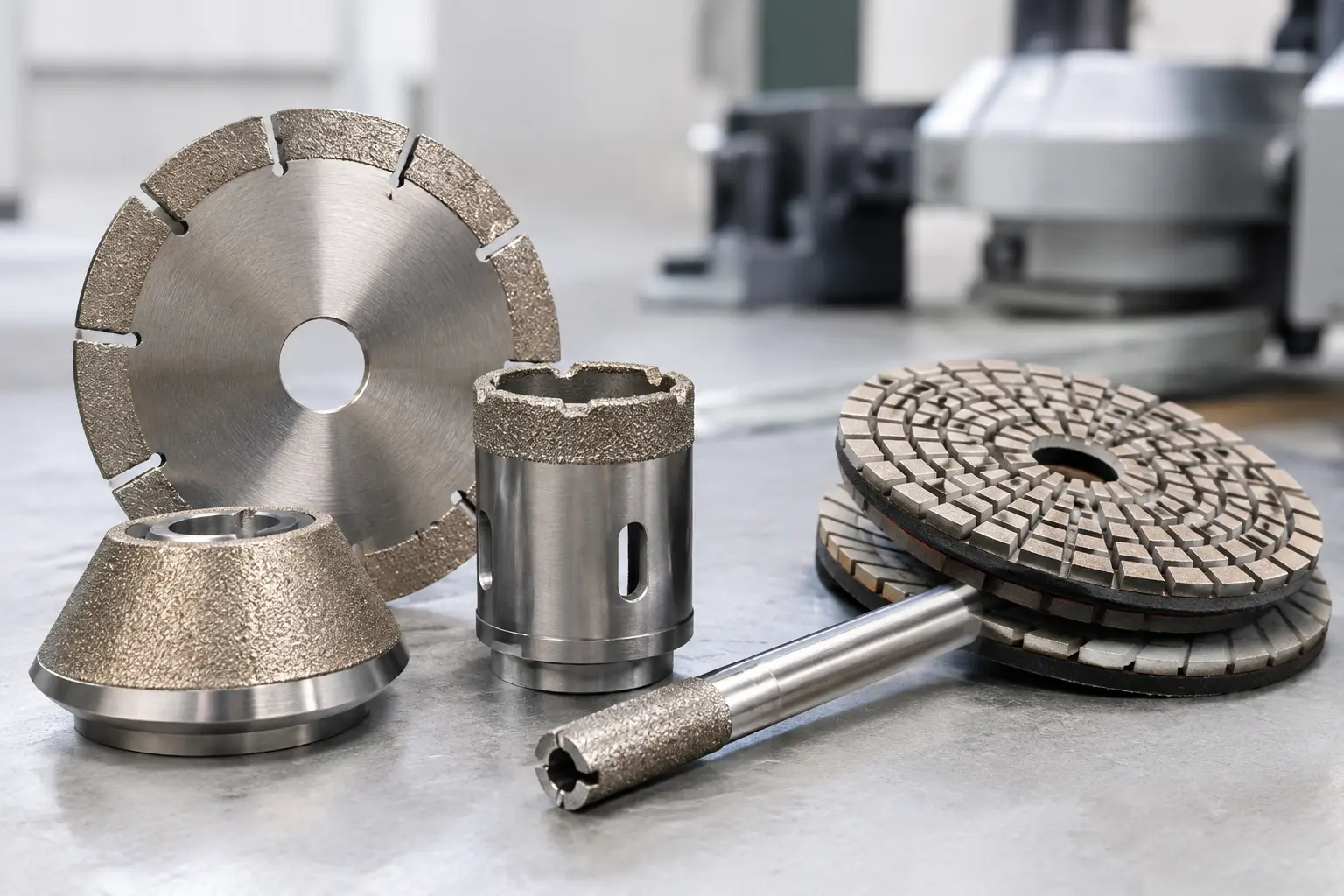
For high-demand cutting, blade construction is critical. Laser-welded diamond blades are designed for strong segment attachment under heat and heavy load. The laser welding process creates a direct metallurgical bond between the segment and steel core, making it well suited to concrete, reinforced concrete, and other severe-duty applications. Vacuum-brazed products serve different applications and should be selected according to their intended cutting or grinding conditions rather than treated as interchangeable with laser-welded blades.
A supplier should be able to confirm the blade's intended material range, recommended machine type, operating speed, segment arrangement, and weld method. This is particularly important for private-label or OEM orders. A blade that performs well in one market may not be suitable for a customer's local aggregate, common jobsite equipment, or preferred cutting method.
Control Heat During Every Cut
Water is not simply a dust-control measure. In wet cutting, it cools the segment and core, flushes abrasive slurry from the kerf, and helps maintain a stable cutting action. Check that water reaches both sides of the blade and enters the cut consistently. A blocked nozzle, low water pressure, or poorly positioned feed can cause one side of the blade to run hotter than the other.
For dry cutting, operators should use controlled, intermittent passes when the blade and application require it. The blade should be allowed to rotate freely outside the cut for short cooling intervals. Continuous full-depth cutting is often productive in the moment but can raise segment temperature rapidly, especially in reinforced concrete or dense stone.
Avoid using water on a blade that is specifically designed and labeled for dry cutting only unless the manufacturer confirms wet operation is permitted. Cooling methods, core tensioning, bond design, and application requirements vary. The operating instructions for the exact blade should control the decision.
Keep Feed Pressure and Alignment Under Control
Diamond blades cut efficiently when the diamonds are allowed to work at the correct exposure rate. Forcing the saw rarely improves production. Instead, it increases motor load, deflects the steel core, and applies side pressure to the segments. The result can be cracking, uneven wear, or segment loss.
Operators should let the blade establish the kerf before increasing feed. If cutting speed drops noticeably, the answer may be to inspect the blade rather than push harder. A glazed segment can sometimes be opened by making a short cut in an appropriate abrasive dressing material. However, the correct dressing method depends on the blade and application. Do not use an improvised material that could damage the blade or create an unsafe condition.
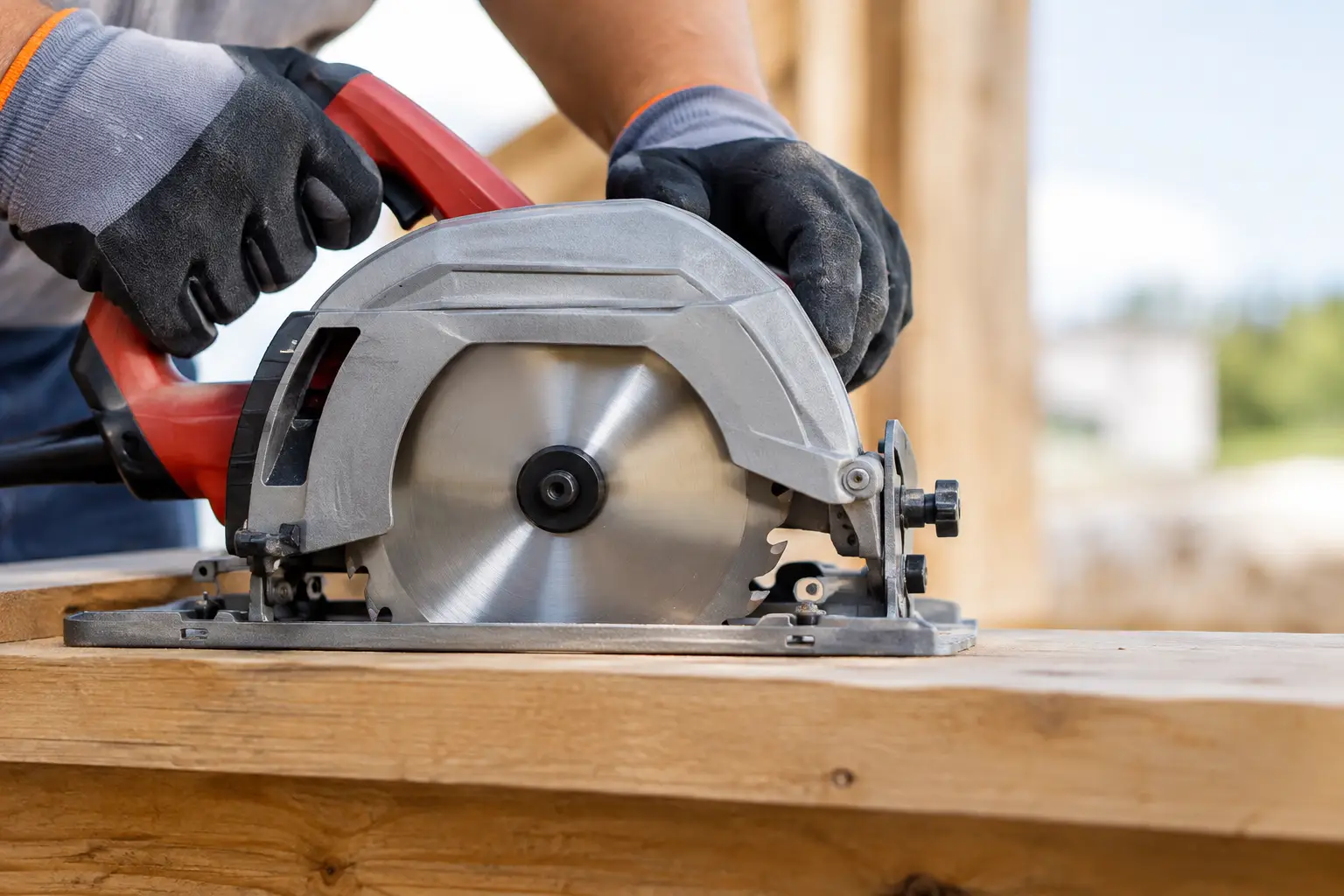
Alignment deserves the same attention. The blade must run square to the workpiece, and the workpiece must be supported so the kerf does not close and pinch the blade. On floor saws, check wheel condition, frame alignment, spindle bearings, and flanges. On handheld equipment, inspect the guard, arbor, locking hardware, and saw base where applicable. Even a high-quality blade cannot compensate for excessive runout or a damaged machine.
Inspect the Blade Before Damage Escalates
Routine inspection helps crews remove a problem blade before a small crack becomes a segment-loss incident. Before use, inspect the steel core and segments for visible cracks, missing pieces, discoloration from overheating, uneven wear, warping, and signs of impact. Check that the blade is installed in the correct rotation direction and that the arbor hole, flanges, and mounting hardware are clean and properly fitted.
During use, stop work if the blade begins to vibrate excessively, produces an unusual sound, pulls to one side, cuts significantly slower than normal, or shows blue discoloration on the core. These symptoms may indicate overheating, core damage, incorrect mounting, worn bearings, or material-related loading. Continuing to cut under these conditions can turn a recoverable issue into a failed blade.
Do not attempt to repair cracked or missing diamond segments in the field. Segment attachment requires controlled manufacturing processes, correct materials, and quality verification. Field repair can create an unreliable bond and expose operators to serious risk.
Improve Quality Control Across Bulk Supply
For distributors and importers, preventing segment cracking begins before the shipment leaves the factory. Batch consistency matters as much as individual sample performance. Quality control should cover steel core flatness, tensioning, segment density, diamond concentration, segment dimensions, weld integrity, balance, visual inspection, and application testing.
It is also useful to separate failure reports by material, machine type, operating method, and production batch. A cracked segment on a handheld saw cutting dry reinforced concrete is not the same case as cracking on a bridge saw cutting wet granite. Clear operating data allows the supplier to determine whether the issue is caused by the product specification, machine condition, or application practice.
Ryhyoma supports B2B buyers with diamond blade specifications built around material requirements and working conditions, including laser-welded options for demanding cutting applications. For custom and private-label programs, confirming the end user's real cutting conditions before production helps reduce avoidable claims and supports more stable field performance.
A reliable diamond blade should not require operators to compensate for poor design, and a properly specified blade should not be pushed beyond its intended use. When segment selection, weld quality, cooling, machine maintenance, and cutting technique are managed together, crews can protect the blade, maintain production, and cut with greater confidence.