
A diamond blade that performs well on Monday but glazes, cracks, or cuts slowly on the next shipment creates more than a product complaint. It can stop a contractor’s work, damage a distributor’s reputation, and make purchasing decisions harder. Tool traceability gives industrial buyers a factual way to connect a finished tool to its production batch, materials, specifications, and inspection records.
For distributors, importers, and large contractors, traceability is not paperwork for its own sake. It is a control method for maintaining consistent supply. When a 14-inch concrete blade, floor grinding block, core bit, or vacuum-brazed cutting disc reaches the field, the buyer should be able to identify what it is, where it came from, and whether it matches the approved specification.
What Tool Traceability Means in Diamond Tool Supply
Tool traceability is the ability to follow a product through its manufacturing and supply process using identifying information. Depending on the product type and order requirements, this may include a batch number, lot code, production date, product specification, inspection record, packaging label, and shipment reference.
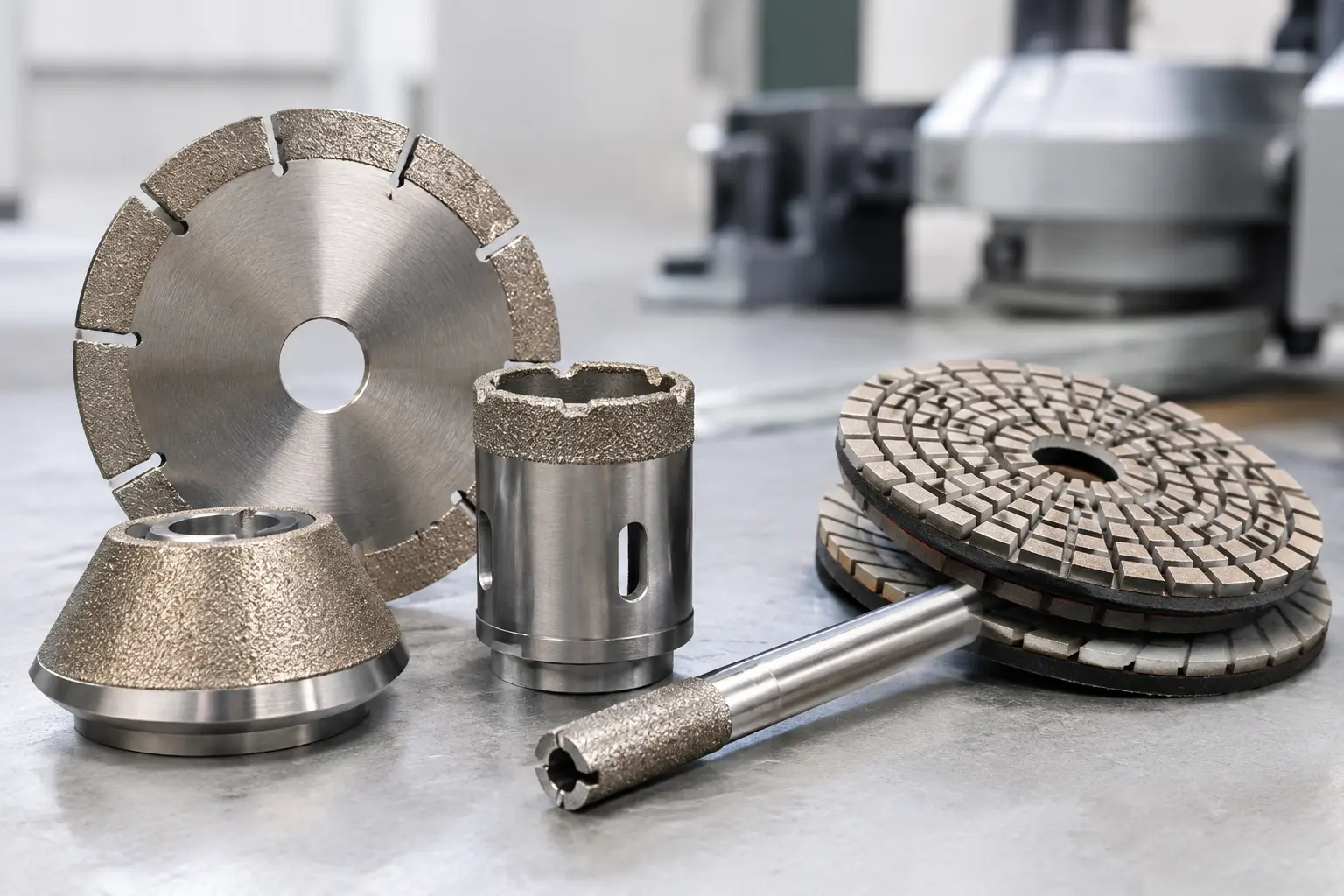
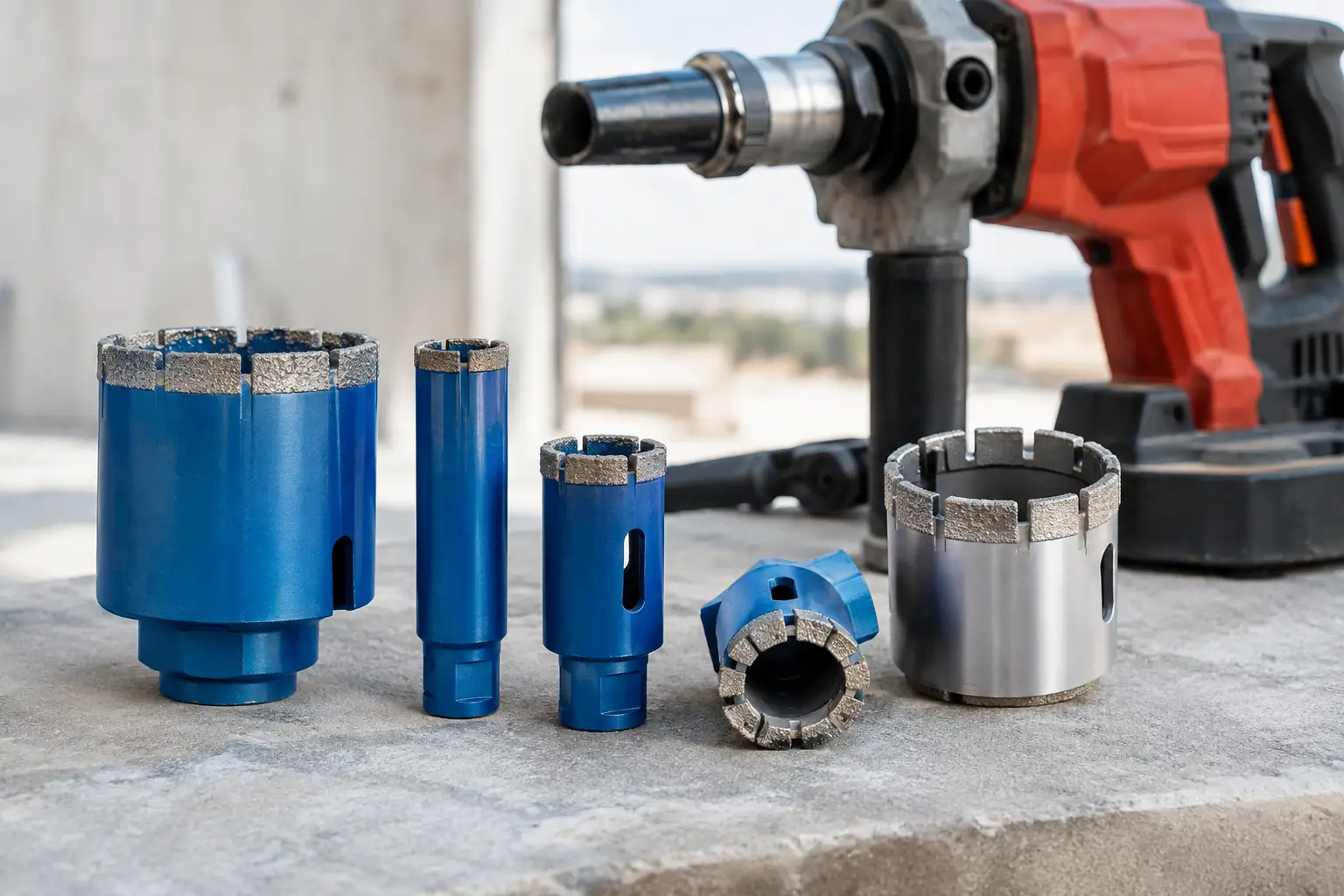
For diamond tools, the traceability record should connect the finished item to the variables that affect performance. A laser-welded concrete saw blade may require records for its steel core, diamond segment formulation, segment dimensions, welding process, balance inspection, and final visual check. A diamond core bit may need a record of barrel dimensions, segment arrangement, connection type, and the batch used for the cutting crown.
The level of detail depends on the application. A standard wholesale order for general concrete cutting may use batch-level control. A private-label program, major infrastructure project, or specialized Dekton cutting application may require tighter specification control and retained production records. The objective is the same: prevent uncertainty when products are received, sold, or used.
Why Tool Traceability Matters to B2B Buyers
Industrial buyers do not evaluate tools only by unit price. They evaluate failure risk, repeat-order consistency, stock control, and the supplier’s ability to respond when conditions change. Traceability supports all four.
First, it makes quality concerns easier to investigate. If a distributor receives feedback that a batch of granite blades is cutting below the expected speed, the supplier can request the product code, batch number, application details, machine type, and operating conditions. This is far more effective than trying to diagnose a problem from a photo alone. The supplier can determine whether the issue is limited to one production lot, relates to an incorrect tool selection, or results from operating conditions such as insufficient water flow, incorrect RPM, or excessive feed pressure.
Second, traceability protects consistency across repeat orders. A buyer who has approved a particular segment height, arbor configuration, label design, and cutting performance profile needs confidence that the next container follows the same approved standard. Batch and specification records create a reference point for repeat manufacturing, especially for OEM and ODM programs.
Third, it improves inventory discipline. Warehouses often carry similar tools for different materials: asphalt blades, reinforced concrete blades, porcelain tile discs, granite blades, and multi-purpose cutting blades. Clear coding reduces the chance of picking the wrong product, mixing old and new stock, or shipping a tool intended for a different application.
Finally, it supports commercial accountability. When a supplier can identify the production and inspection history of a product, discussions around claims become faster and more evidence-based. That does not mean every field failure is a manufacturing defect. Diamond tools are affected by material hardness, aggregate content, reinforcement, machine condition, coolant supply, RPM, and operator technique. Traceable records help separate product issues from application issues without guesswork.
The Records That Should Follow a Tool
A practical traceability system does not need to burden the buyer with excessive documents. It needs to make the right information available when it is needed. For most industrial diamond tool programs, the following controls are useful:
- Product identification: SKU, product name, diameter, segment height, arbor size, connection type, and intended material.
- Batch or lot number: A code that links the product to a defined production run.
- Specification approval: The confirmed drawing, sample, performance target, packaging requirement, or private-label artwork used for the order.
- Quality inspection record: Checks such as segment placement, weld condition, runout, dimensions, visual finish, packaging accuracy, and quantity verification.
- Shipment reference: Packing list, carton marking, pallet information, and shipment date for locating affected stock quickly.
The format can vary. A distributor may need only batch information printed on cartons and retained supplier records. A more controlled account may request batch markings on the product, carton-level codes, inspection reports, and a defined procedure for handling claims. The right approach depends on order value, product risk, application sensitivity, and local market requirements.
Batch-Level Traceability vs. Individual Tool Tracking
Not every diamond tool needs a serial number. Individual tracking can add cost and complexity without improving commercial control for high-volume consumables. For common cutting discs, grinding blocks, or segmented saw blades, batch-level traceability is usually the practical choice.
Individual serial tracking is more relevant for higher-value equipment, specialized drilling tools, or products used in tightly controlled project environments. It can also make sense when a buyer requires a full chain of custody for asset management. The key is not to apply the highest level of tracking to every item. It is to use a traceability level that matches the actual risk.
How Traceability Supports Quality Control Before Shipment
Traceability is strongest when it begins before final packing. If the first recorded identifier appears only after a complaint, it is not a quality system. It is a labeling exercise.
For diamond blade production, quality control should connect incoming materials, production operations, and final inspection. The steel core must match the specified diameter, thickness, and arbor. Diamond segments must follow the approved formulation and dimensions. Laser welding or other joining methods must be monitored for bond integrity and segment alignment. Finished blades should be checked for visible defects, dimensions, flatness or runout where applicable, and correct labeling.
The same principle applies to core bits and grinding tools. A floor grinding block needs the correct bond type, segment layout, backing or attachment system, and packaging identification. A core bit needs accurate barrel dimensions, a suitable cutting crown, and the correct connection for the customer’s equipment. If the production record cannot connect these factors to the shipment, the supplier has limited ability to control repeatability.
For export orders, packing is part of traceability as well. Carton labels should make it possible for the receiving warehouse to identify the product without opening every box. Clear descriptions, quantities, item codes, and batch references reduce receiving errors and help distributors manage rotation across multiple shipments.
Using Tool Traceability When a Field Issue Occurs
A structured claim process should start with identification, not assumptions. The buyer should retain the carton label where possible and provide the tool code or batch number, photos of the product, the material being cut or ground, machine details, and a description of the issue. For cutting tools, information about dry or wet use, RPM, depth of cut, and feed rate can materially affect the assessment.
The supplier can then compare the returned information with the production record and other reports from the same batch. If the issue is isolated, the investigation may focus on tool selection, machine setup, transport damage, or a localized operating condition. If several customers report the same issue from the same lot, the batch reference allows the supplier and distributor to identify remaining stock and act quickly.
This process also creates useful feedback for future orders. A blade designed for general reinforced concrete may not be the best choice for highly abrasive block, dense cured concrete, or heavy rebar. A traceable history of field results helps refine the specification instead of repeating the same mismatch.
What Buyers Should Ask a Diamond Tool Supplier
Before placing a bulk order, buyers should ask how the supplier identifies production batches, what inspection points are recorded, and how the supplier handles a documented quality claim. They should also confirm whether private-label packaging, custom specifications, and repeat orders are controlled against an approved reference.
The best answer is specific. A capable manufacturer should be able to explain what information appears on the carton, how a batch is linked to production, and what evidence is needed to investigate a concern. Broad promises about quality are not enough when a buyer is stocking tools across multiple branches or supplying contractor accounts.
Ryhyoma applies strict quality control and specification-focused production to support reliable bulk supply of diamond cutting, grinding, and drilling tools. For buyers building a long-term product line, traceability should be discussed at the quotation stage, alongside material application, performance requirements, packaging, and order volume.
A clear batch code on a carton may seem like a small detail. When a distributor needs to protect stock, resolve a complaint, or place a repeat order with confidence, it becomes one of the most useful details in the entire supply chain.