
A cutting disc that performs well in one shipment but varies in the next can cost a distributor far more than a higher purchase price. Bulk cutting disc procurement is therefore a supply-control task, not simply a price negotiation. Buyers need repeatable cutting behavior, traceable specifications, predictable packaging, and a supplier that can maintain the same standard as order volumes grow.
For contractors, fabrication businesses, and building-material distributors, disc failure affects more than tool consumption. It can slow crews, damage finished material, create warranty claims, and weaken confidence in the supplier selling the product. The correct procurement process starts with the application and ends only after incoming goods are verified against an agreed standard.
Start Bulk Cutting Disc Procurement With the Application
“Cutting disc” is a broad commercial term. A disc intended for dry cutting ceramic tile is not interchangeable with a blade for reinforced concrete, granite, asphalt, or dense porcelain. Procurement teams should define the actual working conditions before comparing quotations.
Material is the first variable, but it is not the only one. Concrete may contain light aggregate, hard aggregate, rebar, or cured high-strength mixes. Ceramic ranges from standard wall tile to abrasive porcelain and thick outdoor pavers. Stone may be soft, highly abrasive, dense, or prone to edge chipping. Each condition changes the required bond, diamond concentration, segment design, rim type, and cooling behavior.
The machine also matters. Record the disc diameter, arbor size, maximum RPM, power source, and whether the tool will run wet or dry. A blade selected only by diameter can be unsafe or inefficient if its rated speed does not match the equipment. For high-output saws, poor heat management can lead to glazing, loss of cutting speed, segment wear, or plate distortion.
Usage targets make the specification commercially useful. A buyer should know whether the product is intended for occasional contractor use, daily professional work, rental fleets, or resale under a distributor brand. A low-cost general-purpose disc may fit a price-sensitive retail line. It is usually the wrong choice for a professional line where users expect stable cutting speed through repeated shifts.
Define the Disc Specification Before Requesting Prices
A comparable quote requires a controlled specification sheet. Without it, suppliers may quote visually similar products with different cores, bonds, segment heights, or diamond grades. The initial unit price then gives a false impression of value.
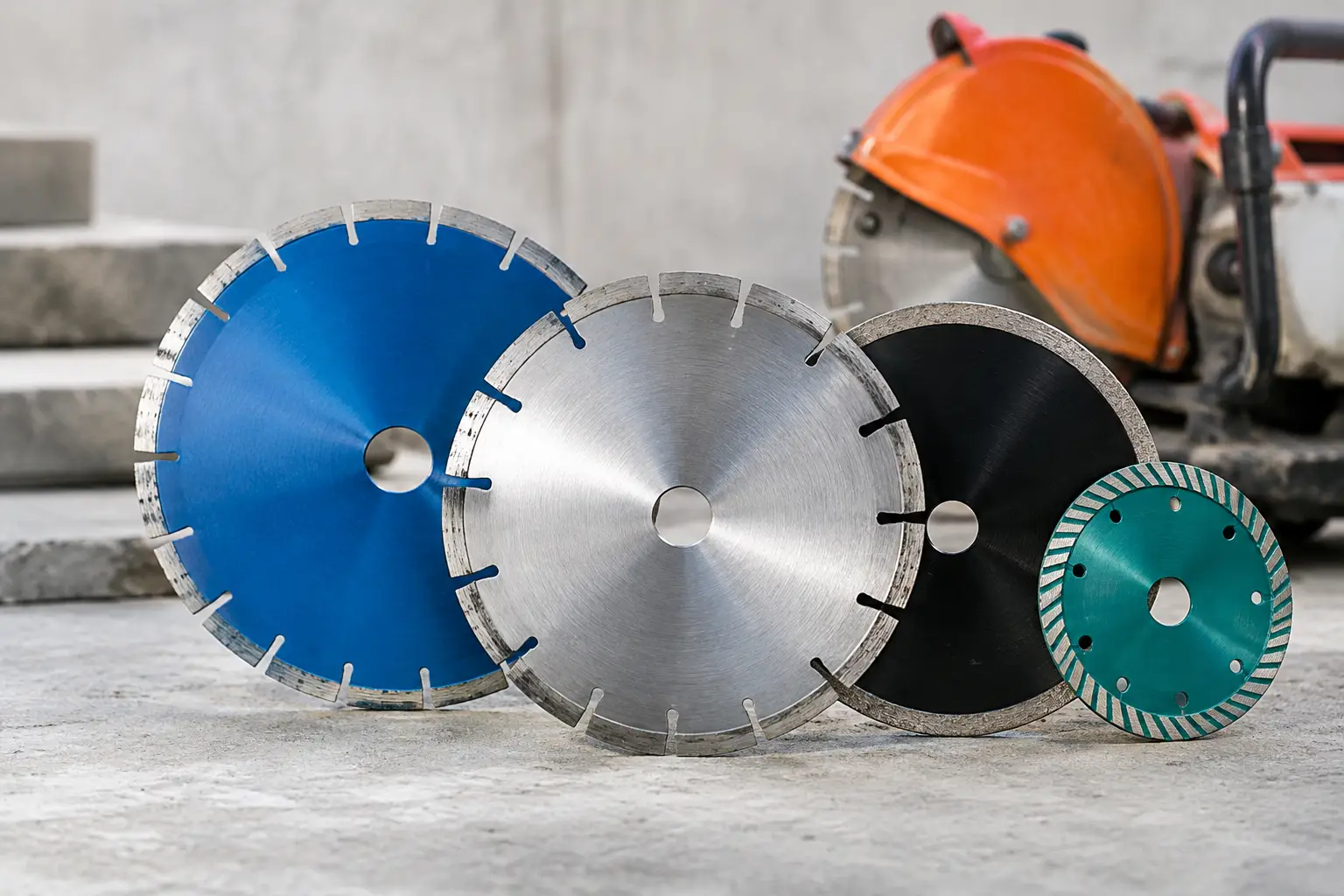
For diamond cutting discs, define the diameter, bore, body thickness, segment or rim thickness, segment height, welding method, intended material, operating mode, and maximum RPM. State whether the blade requires a continuous rim for cleaner tile edges, a turbo rim for faster cutting, or segmented construction for concrete and masonry. For abrasive cutting discs, specify the diameter, thickness, bore, abrasive grain, reinforcement, application, and applicable safety requirements.
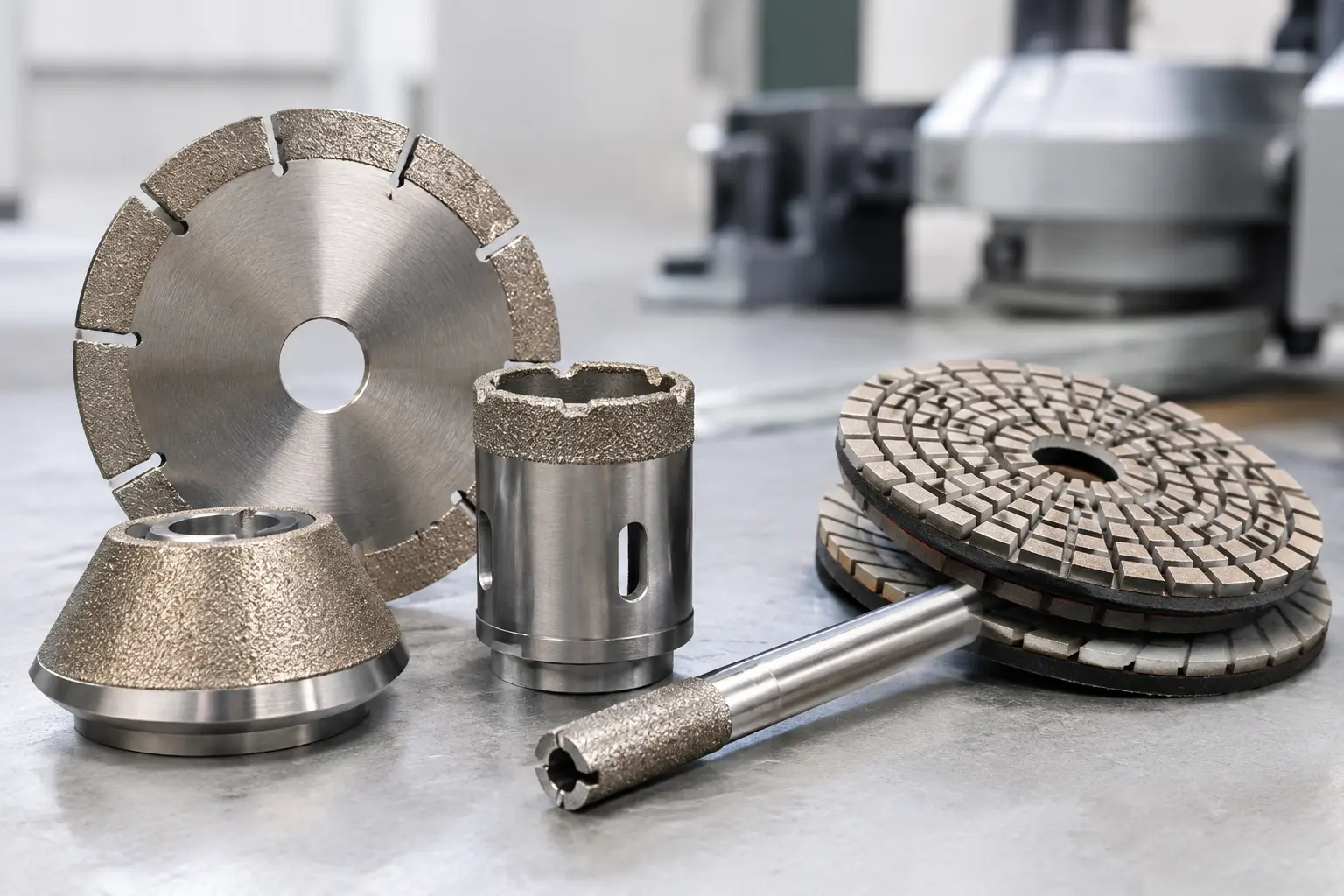
Welding technology deserves close attention on segmented diamond blades. Laser-welded segments are generally preferred for demanding dry cutting and high-heat applications because the joint is designed for stronger heat resistance. Vacuum-brazed products serve different applications, particularly where exposed diamond performance is needed on materials such as steel, cast iron, or certain composites. The correct technology depends on the job. It should not be selected because one term sounds more premium.
If a private-label program is planned, include artwork format, label position, color requirements, carton configuration, barcode placement, and language requirements at the start. Packaging changes made after production begins can cause delays, extra cost, or inconsistent market presentation.
Evaluate Cost Per Cut, Not Just Price Per Disc
The lowest disc price can become the highest operating cost. A disc that cuts slowly, wears prematurely, chips expensive tile, or requires frequent replacement consumes labor and interrupts production. Procurement should compare products through field performance rather than unit price alone.
A useful evaluation considers cutting speed, service life, cut quality, operator effort, and failure rate. For a concrete blade, measure linear feet or square feet cut under a controlled material and machine setup. For ceramic or porcelain discs, assess both production rate and edge finish. A blade that runs slightly slower but substantially reduces chipping may create better value for fabricators working with visible finished surfaces.
Testing must be fair. Compare discs at the same diameter, on the same machine, with the same operator method and material batch where possible. Record whether the blade was used wet or dry and whether it was dressed during the test. Cutting performance changes quickly when variables are uncontrolled, particularly with hard aggregate, reinforced concrete, and dense porcelain.
For bulk programs, retain approved samples as reference units. This gives the buyer a physical benchmark when later deliveries are inspected or when a distributor receives a field complaint.
Verify Manufacturing Controls and Batch Consistency
A supplier sample proves that a supplier can make one acceptable disc. It does not prove that every production batch will match it. The distinction is critical for importers and distributors who cannot inspect every unit before it reaches customers.
Ask how the manufacturer controls incoming raw materials, steel cores, diamond segments or abrasive compounds, welding, balancing, printing, and final packaging. A serious supplier should be able to discuss process controls in practical terms and provide clear product identification. For diamond blades, consistency in segment formulation and welding quality directly affects cutting behavior and safety.
Incoming inspection should cover more than cosmetic appearance. Buyers should verify dimensions, bore accuracy, segment alignment, rim or segment thickness, labeling, rated RPM, packaging quantity, and carton condition. If the order includes several models, inspect each SKU instead of assuming one approved sample represents the entire shipment.
The most effective bulk orders use written acceptance criteria. These should identify the approved specification, permitted tolerances, packaging requirements, inspection quantity, documentation needed, and action required if goods do not conform. Four controls are especially useful:
- A signed product specification or approved sample record for every SKU.
- Batch or lot identification that supports traceability after delivery.
- Pre-shipment inspection against agreed dimensions, labeling, and packaging.
- A defined process for handling shortages, defects, or performance claims.
These controls are not bureaucracy. They reduce disputes by making expectations clear before containers are loaded.
Balance Inventory Risk Against Supply Security
Bulk buying lowers freight cost per unit and can improve pricing, but excessive inventory creates its own risk. Slow-moving sizes, seasonal demand changes, packaging revisions, and shifts in customer preferences can leave capital tied up in stock. The right order size depends on sales velocity, lead time, storage conditions, and the cost of a stockout.
A practical approach is to separate core SKUs from specialty items. Core products such as common concrete, tile, metal-cutting, or masonry disc sizes may justify deeper inventory when demand is proven. Specialty blades for Dekton, large-diameter saws, or specific stone applications often require more cautious forecasting unless they are tied to committed projects or established customers.
Lead time should be discussed as a production and logistics question, not just a promised date. Confirm the time needed for artwork approval, raw-material preparation, manufacturing, inspection, packing, export documentation, and shipment. Buyers serving the GCC or other export markets should also account for port congestion, customs clearance, and inland delivery. A supplier that communicates early about production status is easier to plan around than one that provides optimistic dates without milestones.
For ongoing programs, consider scheduled releases or repeat-order arrangements based on forecasted consumption. This can support supply continuity without forcing the buyer to hold every quarter's demand at once. The arrangement only works when specifications are stable and both parties review demand regularly.
Use Supplier Communication as a Procurement Test
Technical questions reveal supplier capability quickly. A supplier that responds with only a catalog image and a low price is not providing enough information for a professional bulk purchase. Procurement teams should expect direct answers on material suitability, recommended operating conditions, product construction, MOQ, customization limits, quality checks, and production timing.
Responsiveness matters most when conditions change. A customer may need a different segment bond for harder concrete, a cleaner-cutting porcelain blade, revised private-label packaging, or an urgent replenishment order. A manufacturing partner should be able to review the requirement, explain the trade-off, and propose a workable specification rather than force every application into the same disc.
Ryhyoma supports this type of purchasing with application-focused diamond tool specifications, controlled manufacturing, and OEM/ODM options for bulk buyers. The goal is not to sell the same blade into every market. It is to provide a disc program that fits the material, machine, price tier, and service expectation of the buyer's customers.
Build the First Order for Learning, Then Scale With Evidence
Even experienced procurement managers should treat a new supplier relationship as a controlled rollout. Begin with the highest-demand SKUs, test them in representative applications, inspect the shipment, and collect feedback from actual users. This provides better evidence than a showroom sample or a short demonstration cut.
Once the product is approved, preserve the specification and performance data. Track returns, cutting complaints, repeat purchases, and any difference between batches. That record helps identify whether an issue comes from manufacturing, the wrong application, improper machine use, or unrealistic customer expectations.
Reliable disc supply is built through specific requirements, measurable testing, and disciplined follow-up. When those controls are in place, procurement becomes a practical advantage: your customers receive cutting tools they can trust, and your business can replenish them with confidence.