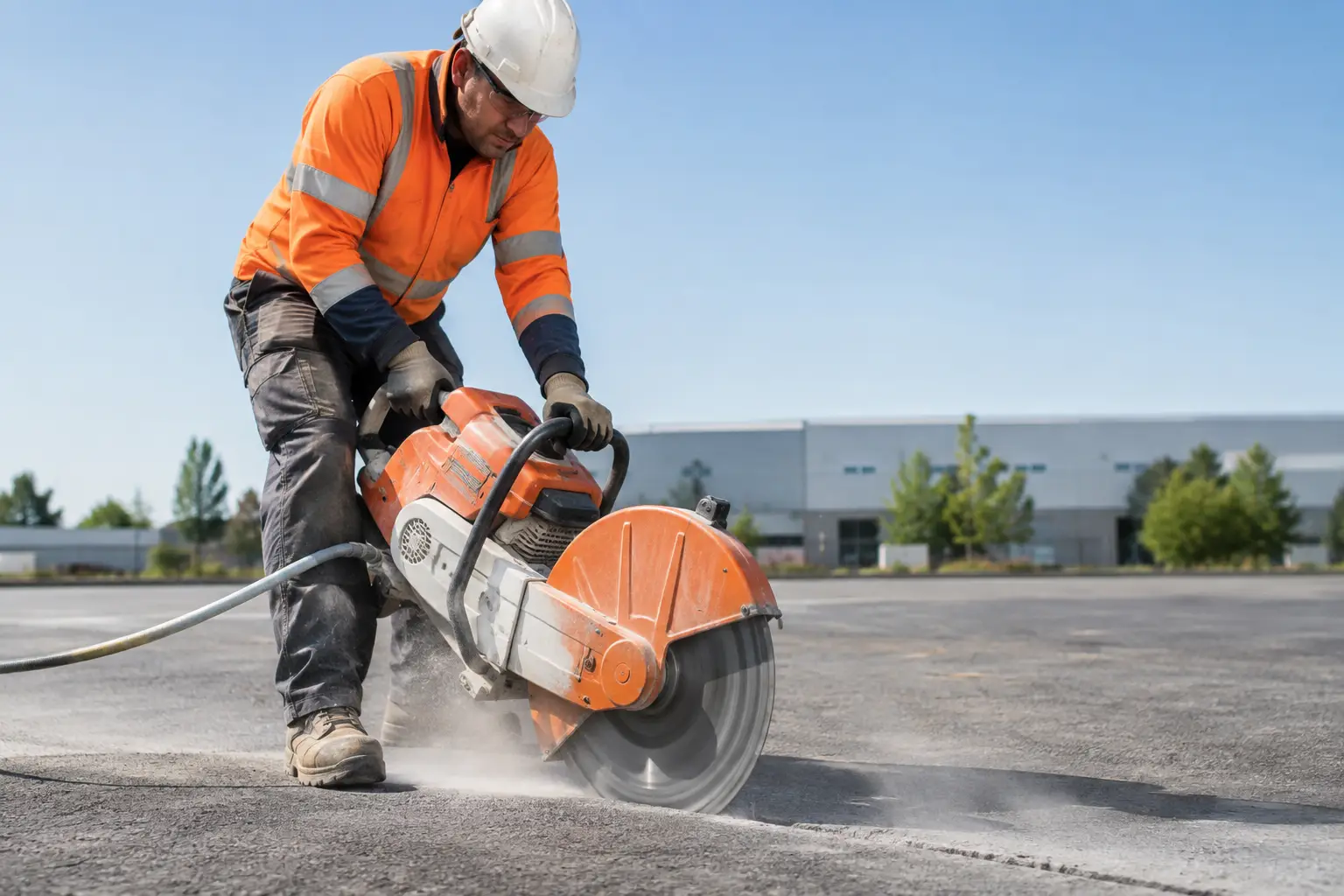
A pavement-cutting crew can lose hours on a simple trench or repair line when the saw, blade, and cutting method are mismatched. Knowing how to cut asphalt efficiently is not only about cutting faster. It means producing a straight, clean joint while controlling blade wear, fuel use, operator fatigue, and downtime on commercial jobs.
For contractors, rental fleets, and tool distributors, the most consistent results come from treating asphalt cutting as a system. The machine must have sufficient power, the diamond blade must match the aggregate and asphalt condition, and the operator must maintain a stable feed rate. A quality blade cannot compensate for an underpowered saw or poor cutting practice.
Start With the Asphalt Condition
Asphalt is not a uniform material. Mix design, age, temperature, aggregate hardness, pavement thickness, and the base beneath the asphalt all affect cutting speed and blade life. Fresh asphalt is generally softer and more abrasive than aged pavement. Older surfaces can be harder, especially where traffic compacts the material and exposes hard aggregate.
The job also changes when the blade reaches the substrate. A shallow cut through asphalt may be relatively easy, but a full-depth cut can encounter compacted stone, concrete patches, rebar, or utility trench backfill. Contractors should confirm the required depth before selecting equipment. Cutting 2 inches for a surface repair is different from cutting 8 inches for removal or utility access.
Temperature matters as well. Very hot asphalt can soften and accumulate around the blade, while cold pavement may become more brittle and require careful control to prevent edge breakout. In either condition, a properly specified blade and controlled feed rate are more productive than forcing the saw through the cut.
Choose the Right Diamond Blade for Asphalt
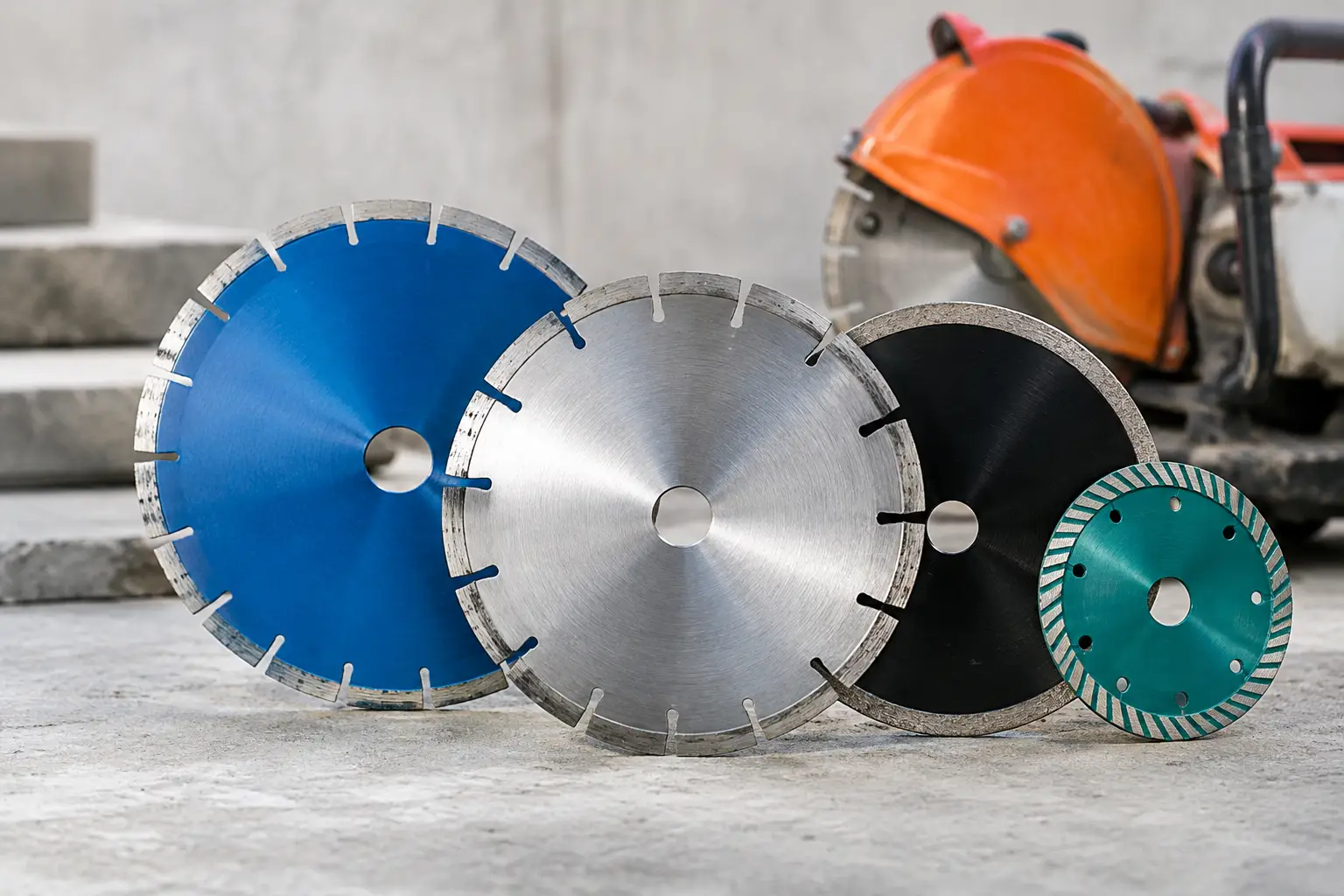
The blade is the main productivity variable. Asphalt cutting requires a diamond blade with a softer bond than a blade designed primarily for cured concrete. The softer bond releases worn diamonds and exposes fresh cutting points as the abrasive asphalt mix wears the segment.
An asphalt blade should also have adequate undercut protection. Asphalt and loose aggregate can wear away the steel core below the diamond segments, especially during deep cuts or when the saw runs close to a rough base. Undercut protection helps preserve the core and reduces the risk of segment damage in demanding pavement work.
When specifying blades for commercial supply, confirm these details:
- Blade diameter and arbor size must match the saw.
- Maximum rated RPM must meet or exceed the saw spindle speed.
- Segment design should suit asphalt, green concrete, or asphalt-over-concrete conditions.
- Undercut protection is recommended for frequent asphalt cutting.
- The blade should be sized for the required depth without operating at its limit.
A larger blade provides more potential cutting depth, but it also requires a saw with enough horsepower and correct guard clearance. Oversizing the blade for an underpowered machine slows production and can increase glazing or excessive vibration. For high-volume work, stable blade quality from one production batch to the next is equally important. Distributors and fleet managers benefit from a supplier that controls segment bonding, core tensioning, and weld quality consistently.
How to Cut Asphalt Efficiently With a Walk-Behind Saw
Walk-behind saws are standard for road repairs, expansion cuts, utility trenches, pavement removal, and parking lot work. The objective is to let the blade cut at its designed rate rather than using machine weight or operator force to push it through the pavement.
Start by marking the cut line clearly. Use durable layout paint, a chalk line, or a guide system suited to the jobsite. For trenching or patch removal, verify dimensions before the first pass. A misplaced cut wastes asphalt, labor, and blade life.
Inspect the saw before operation. Check belt condition, engine output, blade flanges, arbor fit, guard position, water supply, and wheel alignment. The blade should sit flat against clean, undamaged flanges. Dirty or worn flanges can cause runout, leading to wandering cuts, heat marks, and premature core fatigue.
Begin with a shallow scoring pass. On thicker pavement, a first pass of approximately 1 to 2 inches helps establish a straight path and reduces side loading on the blade. Then make additional passes to full depth. This staged method is often faster overall than trying to reach full depth in one pass because the blade tracks better, the saw remains more stable, and the operator can maintain a productive feed rate.
Lower the blade gradually and advance the saw at a controlled pace. The engine should remain near its intended operating speed. If RPM drops sharply, the blade is being fed too aggressively, the depth is excessive for the machine, or the blade is unsuitable for the material. Reduce forward pressure instead of forcing the cut.
At the end of a pass, raise the blade before turning or repositioning the saw. Side pressure is one of the most common causes of blade wobble and core damage. A diamond blade is designed for straight, radial cutting. It should never be used to steer the saw sideways or pry out material.
Use Water Correctly When Wet Cutting
Wet cutting is preferred for many commercial asphalt applications because water suppresses dust, helps clear slurry from the cut, and reduces heat buildup. This is especially useful during deep cuts, long runs, and work in populated areas where dust control affects safety and jobsite compliance.
The water flow should reach both sides of the blade near the cutting zone. Too little water allows slurry and heat to build up. Excessive water is usually less damaging to the blade, but it can create unnecessary mess, reduce visibility, and complicate slurry handling. Adjust flow to maintain a clean cutting path without flooding the work area.
Dry cutting can be practical for short, shallow cuts when the blade is rated for dry use and dust-control requirements are met. However, dry cutting demands more disciplined operation. Use intermittent cutting cycles when appropriate, allow the blade to cool, and avoid prolonged full-depth cutting in abrasive asphalt. A wet-cutting blade should not be operated dry unless the manufacturer specifically approves it.
Prevent Common Causes of Slow Cutting
Slow cutting is frequently blamed on the diamond blade, but the cause may be machine setup or operator technique. A glazed blade is one possibility. Glazing occurs when the metal bond holds the diamonds too tightly and the cutting surface becomes smooth. It is more likely when a hard-bond blade is used on abrasive asphalt or when the operator runs the blade with insufficient feed pressure.
If the blade is glazed, cutting a short distance through an abrasive material can expose fresh diamonds. If performance does not recover, inspect the blade specification and confirm that the actual pavement condition matches the intended application.
Blade wear that is uneven from side to side often points to a saw alignment issue, worn bearings, damaged flanges, or side loading during operation. Excessive vibration may indicate a bent core, improper mounting, an uneven blade, or a machine maintenance problem. Continuing to cut with vibration can damage the saw and create an unsafe condition.
Segment loss is more serious. It can result from overheating, severe side pressure, striking buried material, improper blade use, or poor manufacturing quality. Remove the blade from service if segments are cracked, missing, or visibly damaged. For bulk buyers, laser-welded segments and controlled manufacturing processes are important factors when selecting blades for demanding pavement work.
Match the Cutting Plan to Production Requirements
Efficient asphalt cutting is also a planning issue. Before work begins, identify cut length, required depth, access restrictions, dust-control rules, disposal method, and the likely presence of buried utilities. A crew that stops repeatedly to refuel, reposition water lines, confirm measurements, or replace unsuitable blades will not achieve consistent production.
For repeated projects, standardizing blade sizes and saw configurations simplifies inventory and reduces operating errors. A contractor may use one setup for shallow parking lot repairs and another for deeper municipal or utility cuts. Distributors can support this approach by stocking application-specific blade specifications rather than offering one general-purpose option for every pavement job.
Ryhyoma supports industrial buyers with diamond blade options built for dependable cutting performance, including laser-welded designs for demanding construction applications. For private-label programs and bulk supply, the most useful starting point is the actual operating data: saw horsepower, blade diameter, typical cutting depth, pavement type, and expected monthly consumption.
Maintain the Saw and Blade Between Jobs
A blade should be inspected before and after each shift. Look for cracks in the core, missing segments, abnormal wear, discoloration from overheating, and damage around the arbor hole. Store blades flat or on a proper rack to prevent warping and protect the cutting edge from impact damage.
The saw requires the same discipline. Keep the water system clear, check belt tension, service bearings, inspect wheel alignment, and replace worn flanges. Small maintenance issues become expensive when they cause blade damage or interrupt a scheduled paving repair.
The most productive asphalt cut is rarely the one made with the highest feed force. It is the cut made with a correctly matched diamond blade, a well-maintained saw, a controlled multi-pass method, and an operator who recognizes when the material or equipment requires adjustment.