
A core bit that suddenly stops cutting is rarely worn out. In many cases, the diamond segments have glazed: the bond has become smooth, the diamonds are no longer exposed, and the operator is applying more pressure for less progress. Knowing how to prevent core bit glazing protects drilling speed, hole quality, labor productivity, and the usable life of every bit.
For contractors, rental fleets, and distributors, glazing is more than an operator issue. Repeated glazing complaints can lead to unnecessary warranty claims, premature bit replacement, and customer dissatisfaction. The cause is usually a mismatch between the bit specification, drilling conditions, and operating method - not a defect in the tool.
What core bit glazing looks like
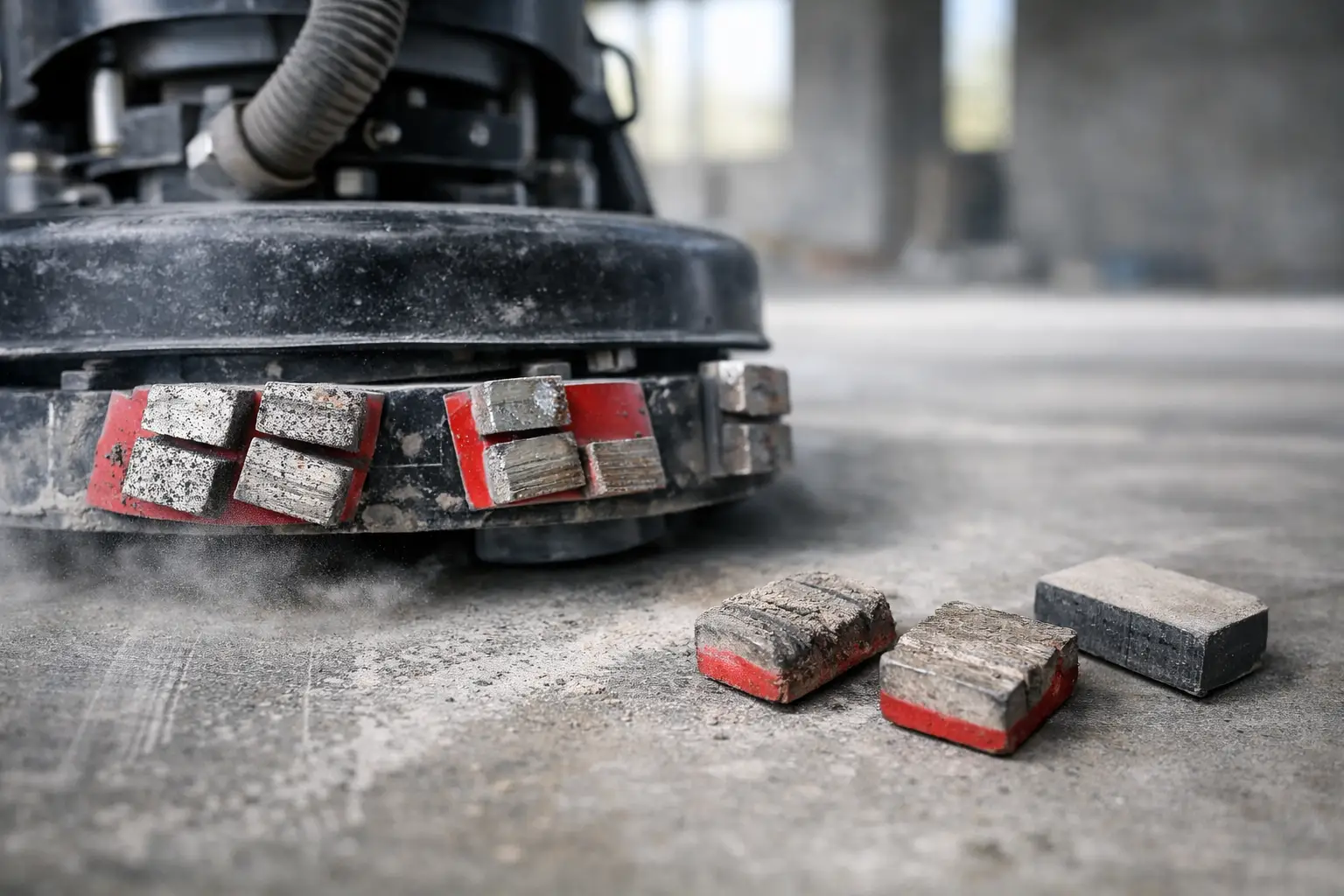
Glazing occurs when the metal bond around the diamonds does not wear at the rate required by the material being drilled. The diamonds become polished, dull, or buried under bond material. Instead of sharp diamond crystals grinding the substrate, the segment rubs against it and generates heat.
The warning signs are clear in the field. Penetration rate drops despite increased feed pressure. The barrel may run hot, water can steam at the hole, and the segment face may look shiny rather than rough and open. Operators may also hear a high-pitched rubbing sound instead of a consistent cutting sound.
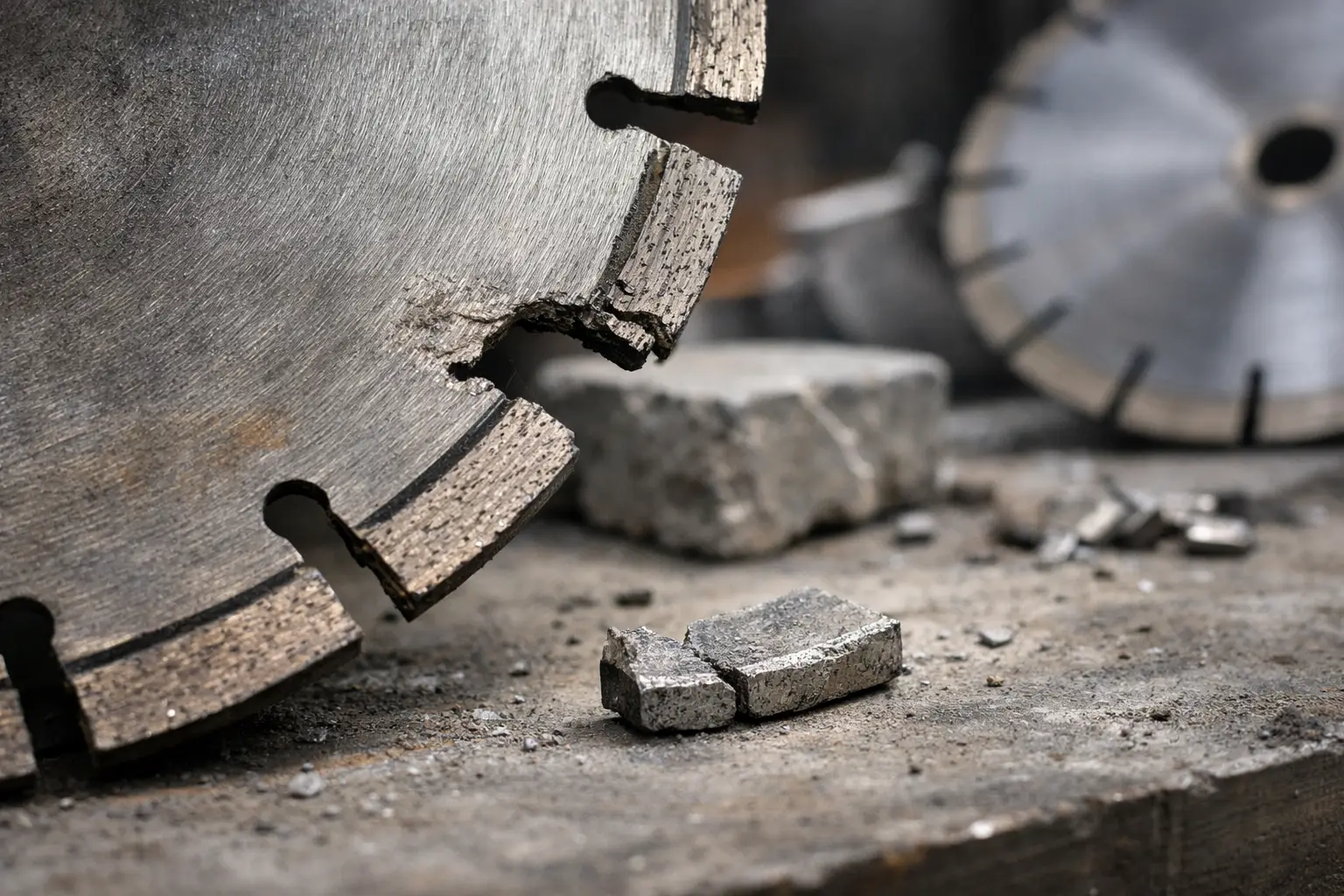
A glazed bit should not be forced through the material. Extra force raises heat and can damage the segment, deform the barrel, overload the drill motor, or cause the bit to bind. The correct response is to identify why the diamonds are not being exposed.
How to prevent core bit glazing with the right specification
The first control point is bond selection. A diamond core bit needs a bond matched to the abrasiveness and hardness of the material. This is the basic rule behind stable drilling performance.
Hard, dense, and low-abrasion materials generally require a softer bond. The softer matrix wears away more readily, continually exposing fresh diamond. If the bond is too hard for the material, it holds the diamonds too tightly and the segment face can glaze quickly. High-strength concrete, hard natural stone, dense masonry, and some heavily reinforced substrates often need this type of specification.
Abrasive materials generally require a harder bond. Sandstone, green concrete, asphaltic materials, and highly abrasive aggregate can consume a soft bond too quickly. In that case, premature segment wear becomes the concern rather than glazing.
Material descriptions alone are not always enough. Concrete can vary significantly by aggregate type, compressive strength, curing age, reinforcement, and silica content. A bit that performs well on one project may glaze on another when the aggregate becomes harder or less abrasive. For bulk buyers and private-label programs, it is more reliable to define the bit by application details: drilled material, diameter, drilling method, machine power, expected hole depth, and whether steel reinforcement is common.
Maintain correct speed and feed pressure
Core bits cut through controlled grinding, not brute force. Incorrect RPM and feed pressure are among the most common reasons a properly specified bit starts glazing.
Excessive RPM creates friction and heat. At high speed, the diamonds can rub across the surface instead of penetrating efficiently. This is especially likely on hard concrete or dense stone. The segment face polishes, the bond stops opening, and drilling slows down.
Too little feed pressure can create the same result. The bit spins without enough engagement to fracture the material and refresh the diamond surface. Conversely, excessive pressure can overload the diamonds, restrict water access, and make the bit run hot. The operator should apply steady pressure that maintains a consistent drilling rate without forcing the motor down or causing vibration.
The correct setting depends on bit diameter and equipment. Larger-diameter core bits generally run at lower RPM than smaller bits because the rim speed increases with diameter. Drill motor manufacturers provide speed ranges, but these should be treated as operating guidance rather than a reason to ignore actual cutting behavior. If the bit is polishing, slowing the speed slightly and restoring a controlled feed often improves performance.
Start the hole carefully. A stable, square start reduces vibration and prevents uneven segment loading. Once the bit is engaged, maintain a firm drilling setup. Loose stands, worn carriage systems, poor anchoring, and hand-held drilling at an unstable angle can create intermittent contact that contributes to glazing and uneven wear.
Use enough clean water during wet drilling
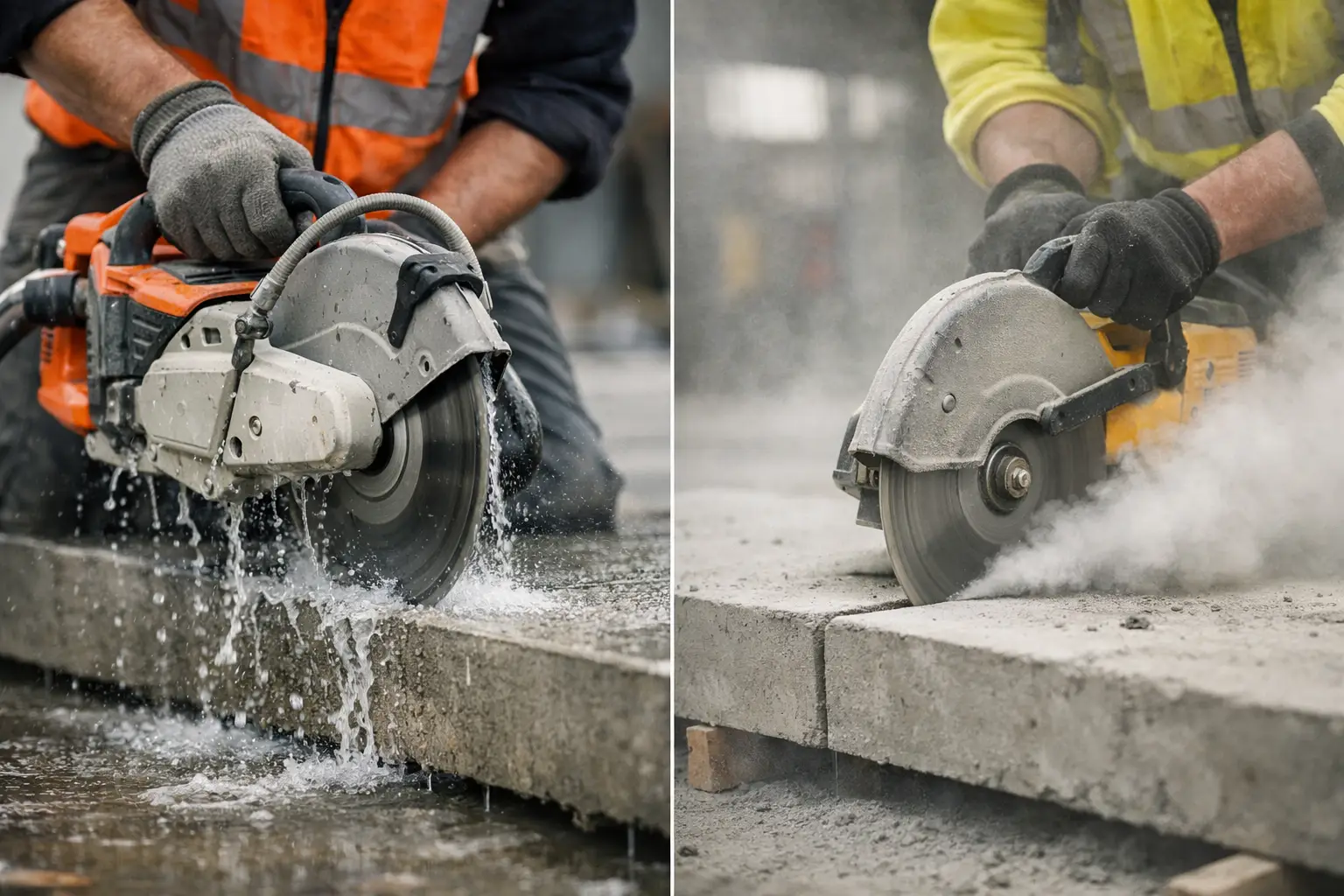
Water is not only for dust control. In wet core drilling, it cools the segment, carries slurry from the kerf, and helps prevent the diamonds from polishing under heat. Insufficient water flow is a direct route to glazing.
Check water delivery before drilling begins, not after the barrel is hot. The flow must reach the cutting edge continuously. A blocked water swivel, kinked hose, restricted valve, contaminated tank, or sediment buildup can reduce flow even when water appears to be present at the drill.
The outgoing slurry is useful operating feedback. A steady slurry flow indicates that water is reaching the cut and carrying fines away. Steam, darkened slurry, or very hot water around the hole indicates excessive heat. Stop drilling before segment damage becomes permanent.
Too much water can also reduce drilling efficiency in certain conditions by washing fines away so aggressively that the bit loses useful cutting contact. However, inadequate water is the far more common issue. The goal is consistent cooling and slurry removal, adjusted to the material, diameter, and drilling depth.
For deep holes, periodically withdraw the bit slightly while keeping it rotating and water-fed. This helps clear slurry from the kerf. Do not allow the barrel to pack with debris, particularly when drilling horizontal holes or working through thick reinforced concrete.
Control heat when drilling reinforcement
Steel reinforcement changes drilling conditions immediately. The bit encounters a material that behaves differently from concrete or masonry, and heat can build quickly if the operator does not adjust technique.
When the bit reaches rebar, reduce feed pressure and avoid forcing the tool. Maintain adequate water and let the diamonds work through the steel at a controlled rate. Aggressive pressure at reinforcement can polish the segment, damage the drilling edge, and overload the motor.
A core bit intended for reinforced concrete should have a segment design and diamond concentration suitable for alternating between concrete, aggregate, and steel. A general-purpose masonry bit may drill a few holes successfully but glaze or wear irregularly in repeated reinforced applications. This is a specification issue that should be addressed before the job begins.
Dress a glazed core bit before discarding it
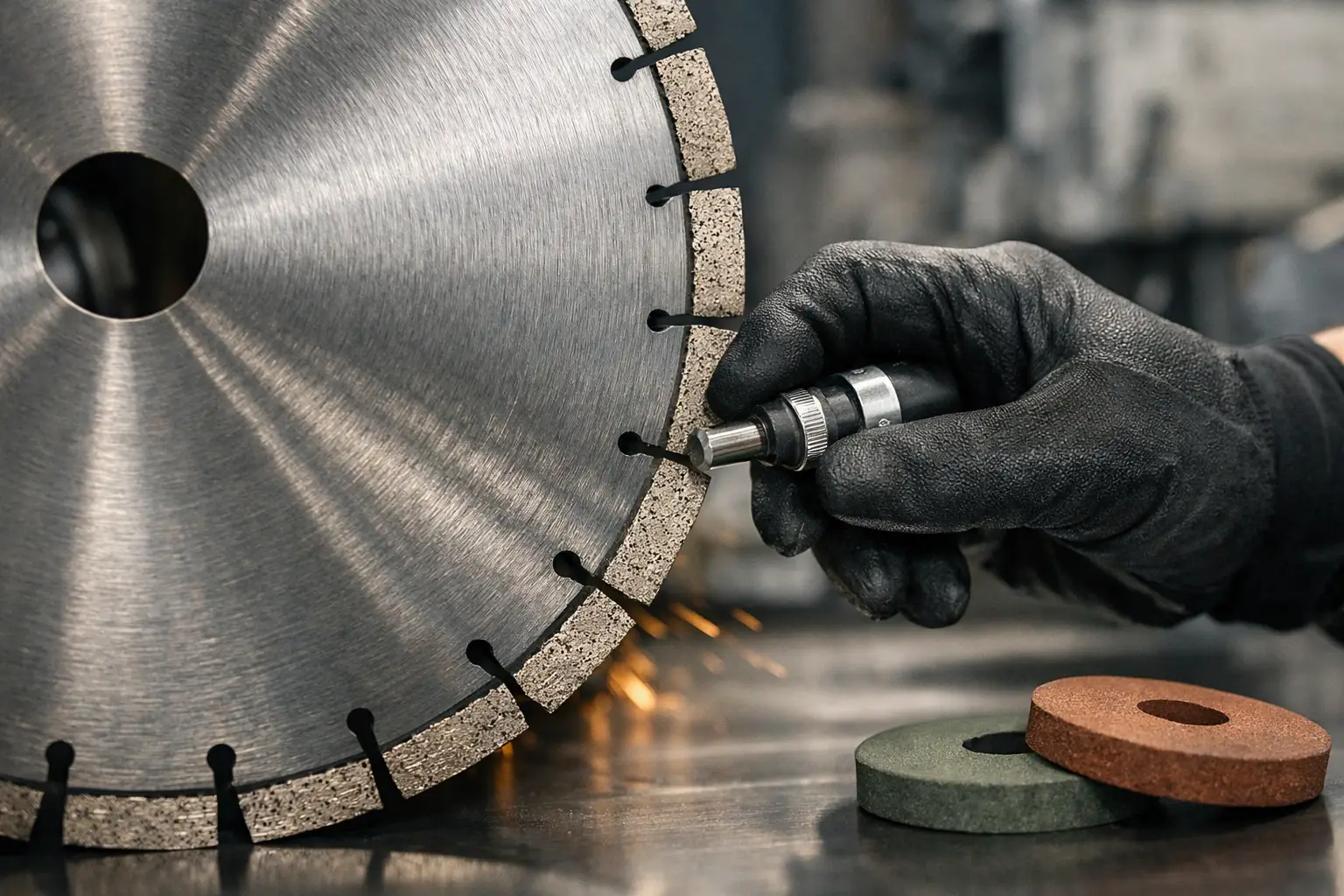
A glazed bit is often recoverable. The purpose of dressing is to remove a small amount of bond material and expose fresh diamond. This should be done with an abrasive dressing material suitable for diamond tools, following site safety procedures.
Make several short, controlled passes into the dressing material with proper cooling. The segment face should return to a rougher, more open texture. Then resume drilling with corrected RPM, feed pressure, and water flow. If the bit immediately glazes again, the underlying condition has not been corrected.
Avoid using random hard materials to dress a bit. Hard, non-abrasive surfaces can add heat without opening the bond. The dressing material needs enough abrasiveness to wear the matrix effectively. For distributors and service teams, keeping a suitable dressing block or abrasive material available can prevent avoidable tool disposal on active jobsites.
Inspect the whole drilling system
Core bit performance cannot be separated from the drill rig and operating setup. A bit may appear to be the problem when the actual cause is machine instability, poor water supply, or incorrect speed control.
Before assigning fault to the tool, inspect the motor output, spindle condition, arbor connection, stand rigidity, and water system. Check whether the bit is running true. Barrel wobble causes localized heat and uneven loading across the segment face. Also confirm that the bit is appropriate for the machine's available power. An oversized diameter on an underpowered motor often produces slow drilling, excess heat, and glazing.
For procurement teams, this is why consistent supplier support matters. The most useful core bit program is not based only on diameter and price. It combines stable segment quality with application-based specifications and clear operating guidance for the end user.
A core bit should leave the job with an even, open segment face - not a polished rim caused by excess heat. When drilling conditions change, adjust the operation early. That small correction is usually far less costly than forcing a bit until it stops cutting.